Featured Electro-Mechanical Assemblies & Sensor Probes
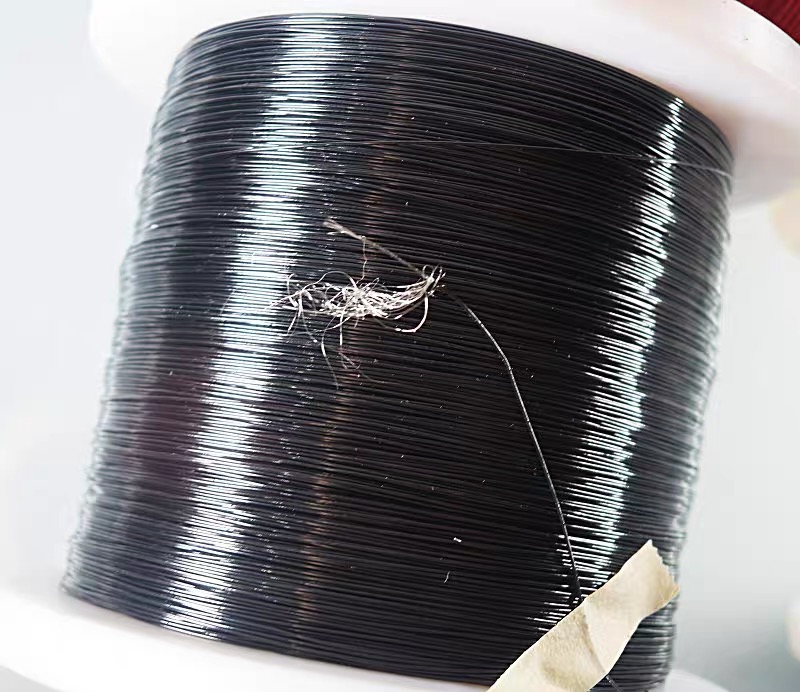
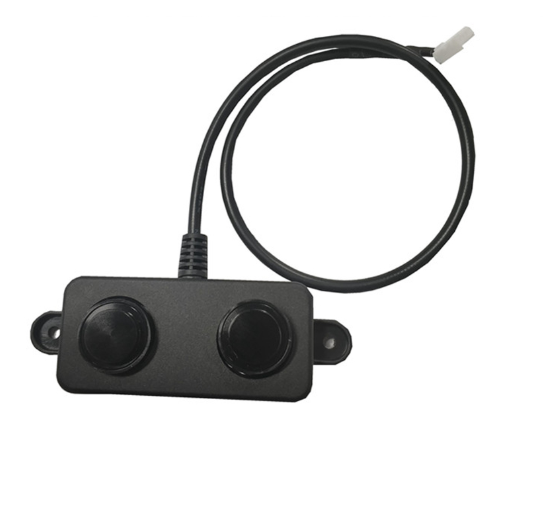
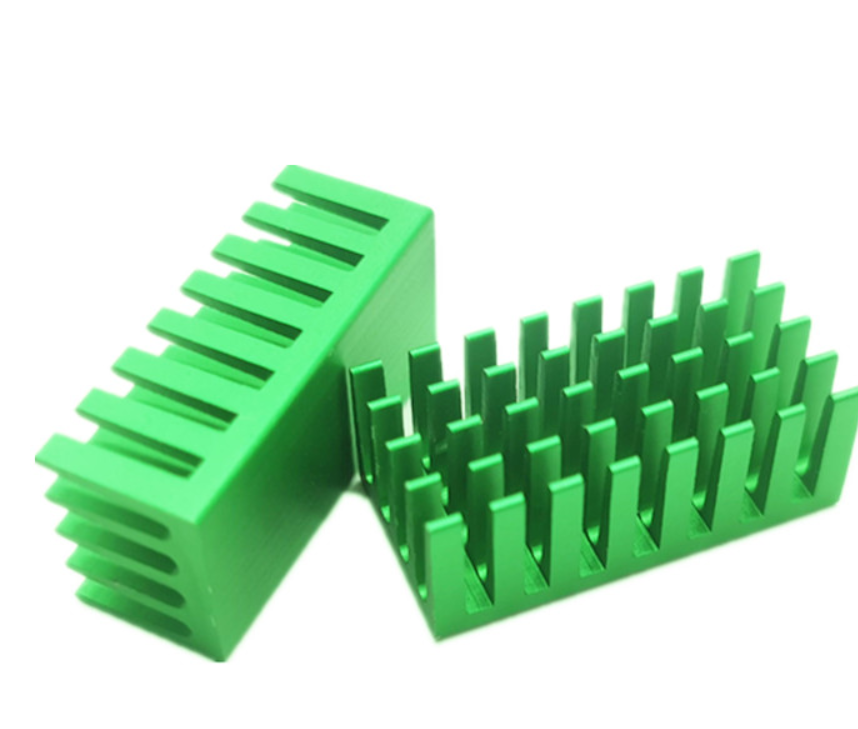
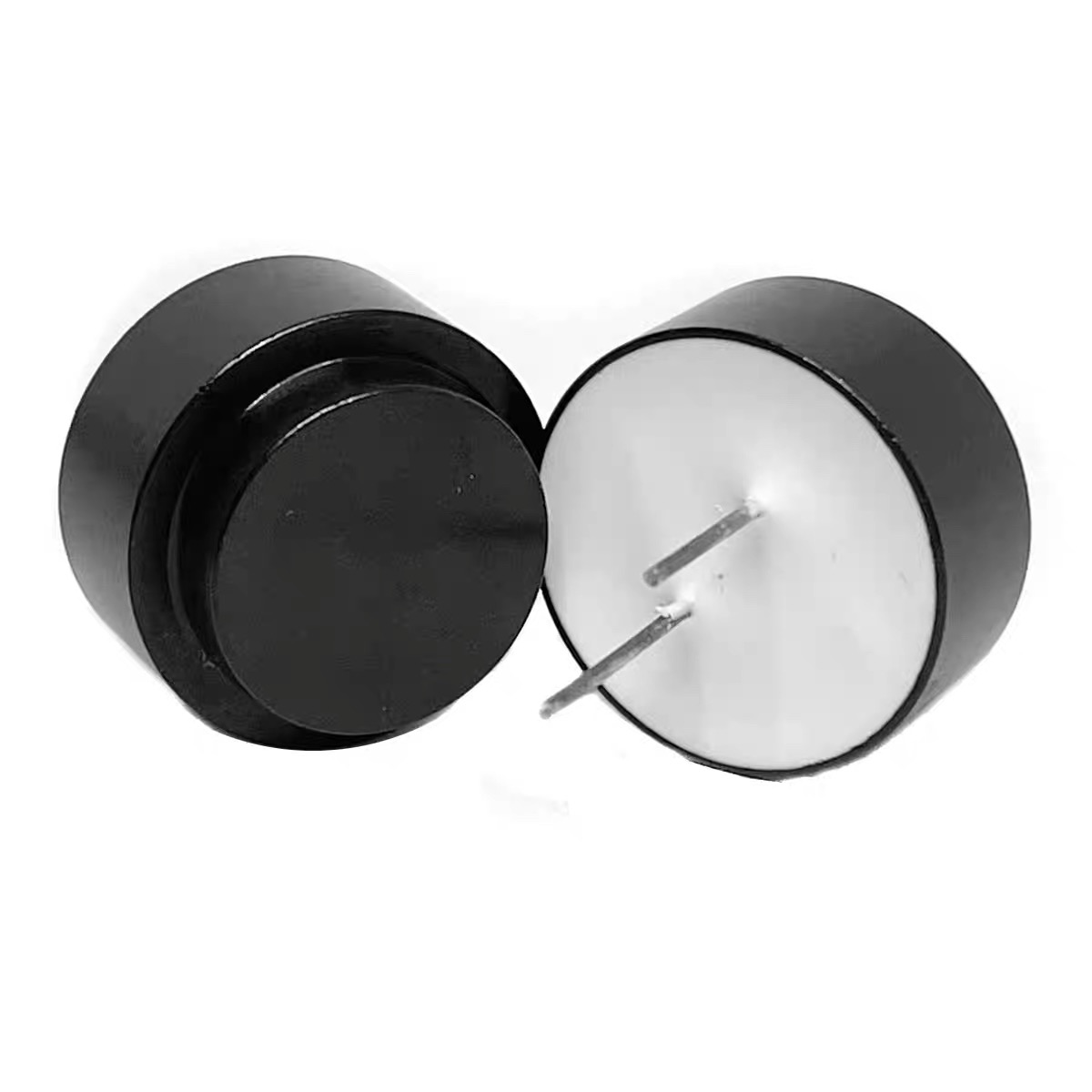
Direct from our manufacturing cells: High-stability sensing hardware, precision coaxial harnesses, thermal mitigation radiators, and custom modules designed for seamless integration with your flexible printed circuit assemblies.
1. Advanced Flexible PCB Assembly: Material Science, Stack-Up & CE Regulatory Compliance
Flexible Printed Circuit Assembly (FPCBA) represents the pinnacle of high-density electronic packaging, replacing cumbersome wire harnesses and bulky rigid interconnects with ultra-thin, dynamic, and geometrically adaptable polyimide circuits. When operating as an enterprise-grade CE Certified Flexible PCB Assembly Factory & Supplier, the engineering mandate transcends simple surface-mount component placement: it requires absolute mastery over substrate rheology, thermal stress dissipation during reflow, and full compliance with European Union harmonized standards.
To achieve full CE Certification (encompassing the EMC Directive 2014/30/EU, Low Voltage Directive 2014/35/EU, and RoHS Directive 2011/65/EU alongside its amendment 2015/863), our engineering team executes rigorous physical and electrical verification at every layer. Flexible substrates, by their very nature, feature lower thermal mass and higher moisture absorption than conventional FR-4. Without stringent pre-bake cycles (typically 120°C for 2 to 4 hours prior to solder paste deposition) and precise control over lead-free reflow thermal profiles (peak temperatures calibrated within 240°C to 245°C), flexible circuits are susceptible to delamination, coverlay blistering, and micro-via fatigue under thermal shock.
Adhesiveless Polyimide Core
We deploy adhesiveless base copper-clad laminates (FCCL) with cast polyimide cores (12.5µm to 50µm). Eliminating ductile acrylic adhesives drastically reduces dielectric losses (Dk 3.2, Df 0.003 at 10 GHz), improves thermal endurance up to 260°C, and prevents z-axis trace stress during continuous dynamic flexing.
Rolled Annealed (RA) Copper
For applications demanding millions of dynamic flex cycles—such as robotic articulators, rotating lidar scanners, and wearable medical sensors—we mandate Rolled Annealed (RA) copper foil over Electro-Deposited (ED) foil. RA copper features elongated horizontal crystal grains, resisting bend-induced micro-fractures.
CE & RoHS Harmonization
Our raw laminates, solder pastes (SAC305 / Sn42Bi58 low-temp alloys), photoimageable solder masks, and thermosetting coverlays undergo strict laboratory testing. We supply full Material Safety Data Sheets (MSDS), ICP heavy metal screening, and CE technical files for hassle-free European customs clearance.
2. Precision Turnkey Assembly Workflows: From SMT Stencils to Custom Electromechanical Hardware
As Shenzhen's premier verified manufacturing partner, Shenzhen Mivo Electronics integrates the entire value chain: bare board fabrication (FR-4 rigid, MCPCB aluminum, pure FPC, and multilayer Rigid-Flex), component procurement through Shenzhen's tier-1 authorized supply pipelines, automated high-speed surface mount technology (SMT), and end-to-end box-build assembly. Flexible circuits cannot be processed through standard rigid conveyor lines without specialized tooling; hence, we have engineered dedicated palletized magnetic carrier jigs that hold the flexible film perfectly flat across solder paste printing, high-speed component shooting, and multi-zone reflow convection ovens.
Ultra-Fine Pitch SMT Placement (Down to 01005 & 0.3mm BGA)
Flexible substrates deform readily under mechanical tension. Our Yamaha and Panasonic high-speed mounters utilize optical fiducial recognition on every sub-panel. We accurately mount passive components down to 01005 (0402 metric), fine-pitch Wafer-Level Chip Scale Packages (WLCSP), and 0.3mm pitch micro-BGAs using electro-polished, laser-cut SMT stencils with nanocoating for crisp solder release.
Hybrid Stiffener Integration (FR-4, Stainless Steel, Aluminum)
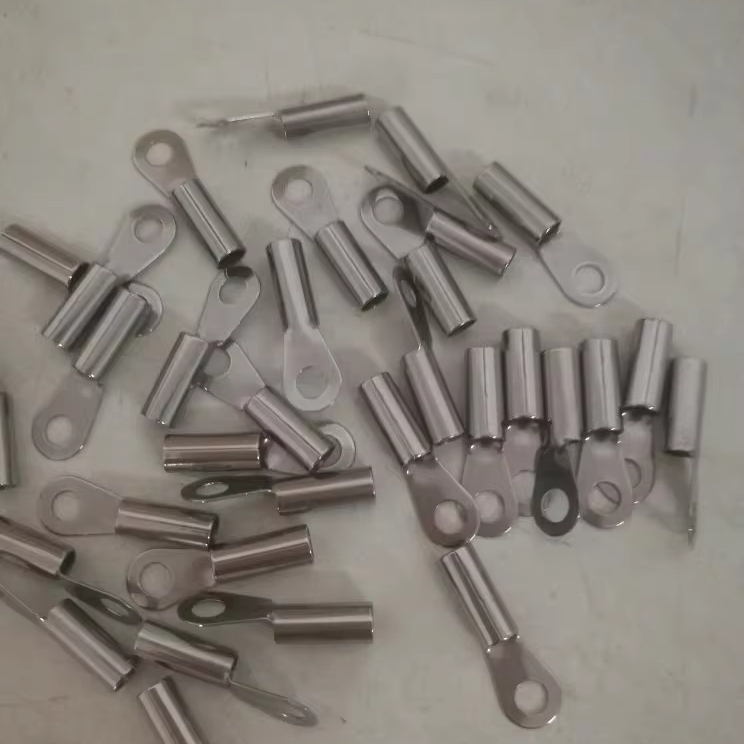
Flexible circuits require localized rigidity in component-mounting zones and connector landing pads to prevent solder joint fracturing. We laminate custom-machined FR-4 stiffeners for ZIF connector insertion, 304/316 stainless steel plates for mechanical earthing and terminal lugs, and extruded aluminum heatsinks for localized power thermal transfer.
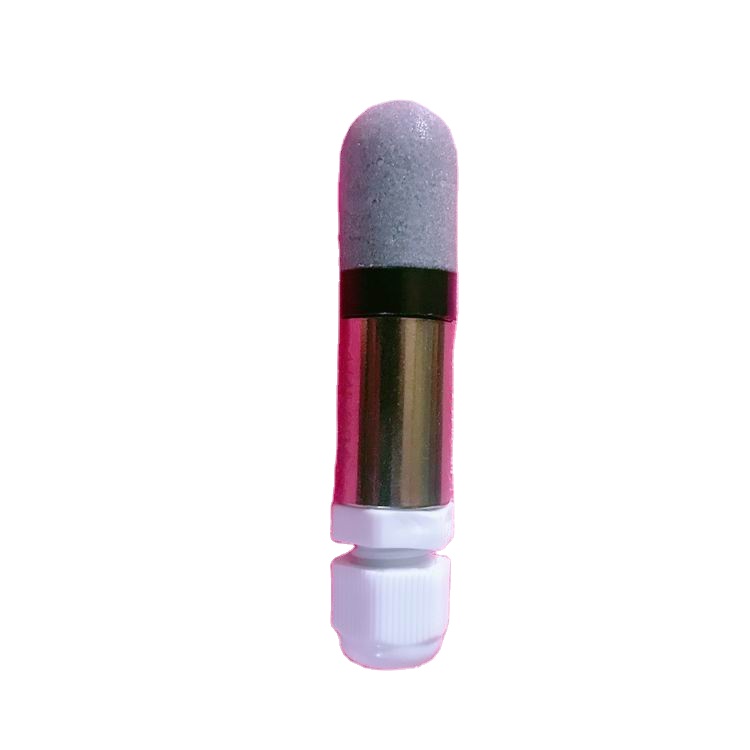
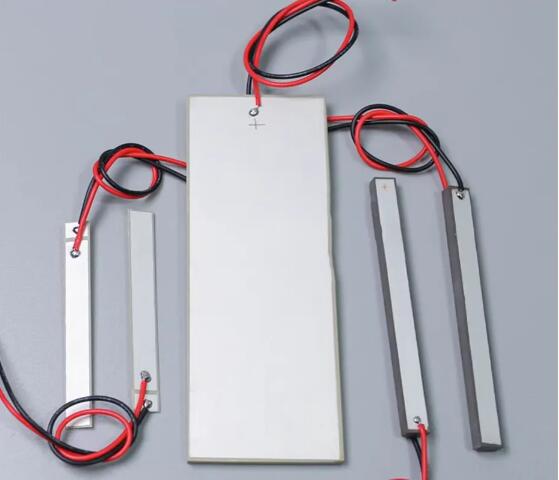
Unlike conventional PCB brokers who only supply bare boards, Mivo Electronics functions as a comprehensive electromechanical integration facility. When your design requires coupling a flexible PCB with stainless steel sensor housings, 36AWG ultra-fine 50-ohm micro-coaxial transmission lines, ultrasonic piezoelectric transducers, or waterproof PE protective shrouds, our engineers execute the entire manufacturing cycle under unified IPC-A-610 Class 2 and Class 3 workmanship criteria.
3. Engineering Specification Comparison: Substrate Selection & Assembly Parameters
Selecting the optimal circuit topology requires evaluating dynamic bending radii, dielectric loss budgets, mechanical clearance envelopes, and cost structures. The following engineering matrix provides technical guidelines developed by our Senior Hardware Engineering team:
| Circuit Topology | Base Material & Thickness | Dynamic Bend Radius | Thermal Endurance (Peak) | Primary CE/Industrial Application | Tooling / Lead-Time Factor |
|---|---|---|---|---|---|
| Single-Sided FPC | 12.5µm – 25µm Polyimide (Adhesiveless) | > 6× Thickness (Dynamic flex >10M cycles) | 260°C for 30 sec (SAC305 reflow) | Wearables, optical camera modules, sensor leads | Lowest tooling; 3-5 days prototype turnaround |
| Double-Sided FPC | 25µm – 50µm PI + Staggered RA Copper | > 10× Thickness (Controlled impedance) | 260°C (Compatible with vacuum reflow) | High-density industrial sensors, medical probes | Standard laser drill; 5-7 days turnaround |
| Multilayer FPC (3-6 Layers) | Cast PI with thermoset coverlays & shielding | > 20× Thickness (Static / semi-flex only) | 250°C (Controlled expansion) | Aerospace instrumentation, military displays | Requires sequential lamination; 7-10 days |
| Rigid-Flex PCB (4-12 Layers) | FR-4 High-Tg (Tg 170°C) + Polyimide Core | Dynamic on flex arms, 0-flex on rigid pads | 260°C (Class 3 reliability) | Automotive EV battery packs, surgical robots | High-precision depth routing; 8-12 days |
| Metal Core PCB (MCPCB) | 1.0mm – 3.0mm 6061/5052 Aluminum Alloy | N/A (Rigid mechanical plane) | High heat dissipation (1.0 - 4.0 W/m·K) | High-lumen LED arrays, EV power converters | V-scoring & CNC routing; 4-6 days |
4. Strategic Procurement Trends: Sourcing Resilient Flexible Electronics
The global electronics purchasing ecosystem is undergoing a generational shift. Procurement executives, supply chain directors, and lead system architects are pivoting away from fragmented supply chains toward consolidated, turnkey partners located directly inside major component hubs. When sourcing CE Certified Flexible PCB Assemblies, progressive organizations are navigating three decisive trends:
Consolidation of Hardware BOMs
Separating bare flex fabrication, passive component sourcing, cable harness production, and final box assembly introduces cumulative lead-time delays and blame-shifting during fault isolation. Procuring from an integrated facility like Mivo Electronics—which maintains direct SMT lines, cable assembly, and custom CNC sensor machining—compresses new product introduction (NPI) cycles by up to 40%.
Automotive EV Cell Contact Systems (CCS)
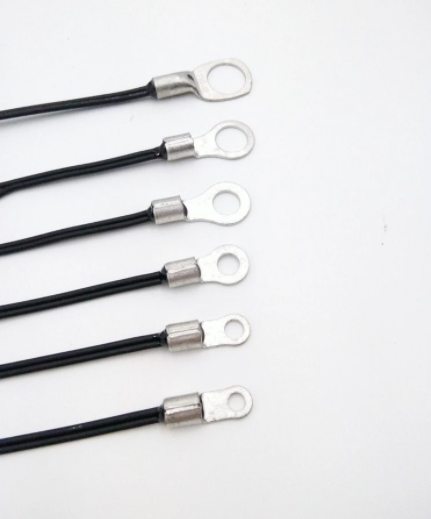
Traditional discrete wire harnesses in electric vehicle battery modules are being replaced by large-format Flexible Printed Circuits integrated with NTC thermistors, nickel lug terminal plates, and battery management ICs. Flexible busbar solutions save up to 70% in wiring weight, reduce assembly manual touch-time, and ensure repeatable CE and automotive compliance.
Active Component Lifecycle & Obsolescence Shielding
Supply chain shocks highlight the vulnerability of single-sourced microcontrollers and analog front-end ICs. Operating at the epicenter of Shenzhen's component markets enables our procurement specialists to cross-reference obsolete parts, propose qualified pin-compatible drop-in replacements, and verify original manufacturer authenticity before committing to SMT runs.
5. Corporate Competitiveness: Onsite Verified Manufacturing & Turnkey Execution
Shenzhen Mivo Electronics Co., Ltd. is not a virtual trading firm; we are an established, onsite-verified electronics manufacturer operating in Shenzhen, Guangdong Province, China. For over 8 years, our manufacturing facility has delivered world-class flexible, rigid, and mechatronic assemblies to high-reliability engineering sectors worldwide, boasting an audited 4.7 out of 5 buyer satisfaction rating.
Onsite Verified Credentials
Our operational premises, legal manufacturing status, and production facilities have been inspected and confirmed onsite by independent third-party verification authorities, guaranteeing verifiable traceability and accountability.
Prototyping from 5 Pieces
We break the barrier of excessive factory MOQs. We welcome rapid prototype and pilot PCBA orders starting from just 5 units, providing comprehensive DFM engineering reviews before volume investment.
Deep Component Synergy
Our internal catalogue includes PT100/NTC probes, micro coaxial cables, tactile switches, heatsinks, and waterproof ultrasonic modules, enabling true single-vendor turnkey electromechanical builds.
Rigorous Quality Assurance
Every flexible board undergoes 100% automated optical inspection (AOI), flying probe electrical net testing (E-test), X-ray inspection for bottom-terminated components, and functional validation to customer fixtures.
6. Frequently Asked Questions by Electronics Procurement Directors
Direct technical answers addressing the critical queries raised by procurement teams, compliance officers, and electrical engineers when sourcing flexible PCBA from China:
What specific documentation is required to initiate a CE certified flexible PCBA turnkey quote?
To deliver an exhaustive DFM analysis and firm quote within 24 to 48 hours, please supply: (1) Complete Gerber files in RS-274X format or ODB++ including layer stack-up details; (2) Bill of Materials (BOM) in Excel with clear manufacturer part numbers (MPN), approved second-source equivalents, reference designators, and package descriptions; (3) Pick-and-Place (centroid) XY coordinate data; (4) Assembly mechanical drawings specifying stiffener materials, thickness tolerances, adhesive zones, and 3D bend geometries; and (5) Specific testing instructions (e.g., firmware programming, in-circuit testing, dielectric withstand voltage).
How does your factory ensure compliance with CE EMC and RoHS Directives for flexible circuits?
CE compliance is built into our incoming material quality control (IQC) and SMT processes. For the RoHS 2011/65/EU and 2015/863 directives, all base polyimides, coverlays, lead-free solder pastes (SAC305 alloy), and electronic components are verified via third-party SGS/RoHS test reports. For the EMC Directive 2014/30/EU, we ensure the flexible circuit maintains proper high-frequency return paths, integrated silver-paste or copper mesh shielding films against EMI/RFI, and controlled impedance lines (single-ended 50Ω, differential 90Ω/100Ω) verified by time-domain reflectometry (TDR) coupons.
Can you handle component procurement if some parts are obsolete or on extended factory lead times?
Yes. Leveraging our strategic location in Shenzhen—the central node of global electronic component distribution—our procurement team has direct relationships with authorized original distributors and verified spot-market partners. When an active component faces allocations or end-of-life (EOL), our hardware engineering staff conducts a thorough parametric review and suggests drop-in cross-references or footprint-compatible alternatives. We will never purchase or substitute any active or passive component without your explicit written approval.
How do you prevent solder joint fatigue and micro-cracking in dynamic flexing environments?
Preventing dynamic flex failure requires disciplined Design for Manufacturing (DFM) execution: (1) We place all rigid components and solder fillets within dedicated stiffener zones (FR-4 or metal) so that no bending moment occurs across solder pads; (2) We graduate the transition zone between the rigid stiffener and the flexible tail using flexible acrylic/epoxy strain-relief fillets; (3) Traces passing through the flexible bend radius are staggered between layers to avoid I-beam effects, widened at the transition interface with teardrops, and kept strictly perpendicular to the bend axis; (4) Rolled annealed (RA) copper foil is specified for high dynamic cycle ratings.
What is your minimum order quantity (MOQ) and production turnaround for FPCBA?
For custom flexible PCBA prototyping and engineering evaluation runs, our MOQ starts at just 5 pieces. Bare flexible PCB fabrication listings typically start from 50 to 100 units depending on panel density, while custom cable assemblies and sensor modules start from 10 pieces. Quick-turn engineering prototypes can be produced and SMT-assembled in as few as 5 to 7 working days, followed by DHL/FedEx door-to-door global express delivery.