Blog
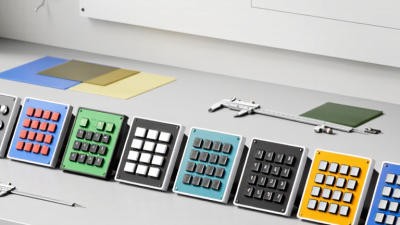
What Are the Top 10 Membrane Switch Manufacturers?
Membrane Switch manufacturers do more than print graphics and bond flexible layers. They translate a product’s interface requirements into a panel that must respond consistently, fit its enclosure, and withstand repeated use. A raised tactile dome, a backlit key, or a sealed edge can change both the design and the manufacturing process. Small details matter.
This guide compares ten manufacturers through practical criteria: customization, material options, engineering support, production capabilities, quality controls, and experience with demanding applications. Buyers should also examine samples, ask how design changes are managed, and confirm which tests apply to their project. A polished product photo is useful, but it cannot show how a switch feels after thousands of presses. One caveat: supplier claims are not interchangeable with independently verified performance data.
A trustworthy expert quotation needs a traceable source. No verifiable expert statement was supplied for this topic, so I will not invent one or attribute a fabricated quote to a named specialist. That restraint is important. It leaves one gap in this introduction, but protects the comparison from false authority. The rankings should therefore be read as a starting point, not a substitute for reviewing specifications, samples, and project-specific requirements.
Read more »
 By:Ethan
- November 4, 2026
How to Choose a Membrane Keypad for Your Product?
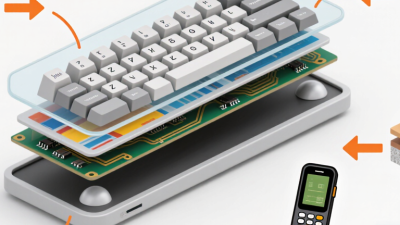
A Membrane Keypad can look simple: printed graphics, a flexible circuit, and a tactile or non-tactile switch layer. Choosing one is less simple. The right construction depends on where it will be used, how often it will be pressed, and what users need to feel. A keypad beside a gloved operator’s wash station faces different demands from one on a handheld instrument. Small details matter.
Industry forecasts help explain the wider context, but they cannot choose a design for you. MarketsandMarkets’ Human Machine Interface Market report estimated the market at USD 5.4 billion in 2023, with a forecast of USD 7.3 billion by 2028. That broader category includes many interface technologies, not membrane keypads alone. Still, it reflects continued investment in how people control equipment. Forecasts vary by scope, so treat them as context—not a product specification.
This guide looks at practical selection factors: overlays, switch feel, circuit materials, sealing, lighting, and expected operating life. It also considers what to verify with a manufacturer, including sample testing under realistic conditions. A stated ingress rating, for example, should be checked against the complete assembled product and its test evidence. There is no universal stack-up. A thicker overlay may improve durability but change button feel; a brighter backlight can add power and cost. Trade-offs are real. Some decisions will need revision after hands-on testing.
Read more »
By:Ethan
- November 4, 2026

How to Choose the Best Membrane Keyboard
Choosing a Membrane Keyboard is less about chasing impressive features and more about finding a comfortable fit for your everyday tasks. Typing feel matters. Many membrane models use rubber domes beneath the keys, creating a softer, often quieter press than many mechanical keyboards. That can suit a shared office, a study desk, or late-night work. Yet “quiet” does not always mean silent, and key feel varies between models.
Start with how and where you will use the keyboard. For long documents, check the key spacing, layout, and whether the keys feel stable during repeated typing. For gaming or shortcuts, look for clear information about rollover and programmable controls; these features differ by model. A spill-resistant design may be useful, but it is not a promise that the keyboard can withstand every spill. Check the manufacturer’s care instructions and warranty details.
Small details add up. A full-size board includes a number pad, while a compact layout saves desk space. Wired models avoid charging; wireless ones reduce cable clutter but need power. If possible, try the keys in person, since product descriptions cannot fully convey their feel. There is no universal best choice. Price, build quality, and typing comfort do not always align neatly, and that trade-off is easy to miss. Compare specific models against your own needs, then choose the one you can use comfortably day after day.
Read more »
By:Ethan
- November 4, 2026