Precision Socket
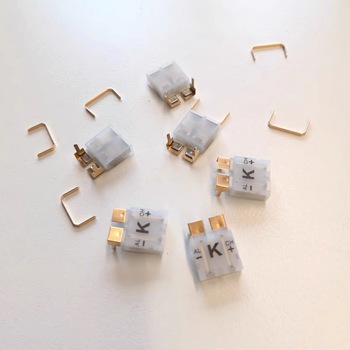
PCC-SMP-K PCB Thermocouple Connector Socket
Chromel (+) / Alumel (-) pins with retaining spring clip. Available in vertical & horizontal mounting.
Min. Order: 100 Pieces
Why thermal junction metallurgy, mechanical retention, and reference junction layout dictate true instrumentation measurement accuracy.
In high-precision thermal measurement systems, the thermocouple connection point to the printed circuit board is frequently the single largest source of unaccounted measurement error. A Thermocouple PCB Board Connector (such as the industry standard PCC-SMP and miniature socket series) is not merely a copper conductive terminal. It is a strictly calibrated thermodynamic bridge. When two dissimilar conductors form a circuit, thermoelectric voltage is generated proportional to the temperature differential between the hot sensing tip and the cold reference junction (the Seebeck Effect).
Whenever standard nickel-plated brass or phosphor bronze header pins are mistakenly used to terminate thermocouple wiring, secondary parasitic thermocouples are formed at each PCB solder pad. If a thermal gradient of just 1.5°C exists across those terminals, measurement offsets exceeding 3°C to 5°C can occur immediately. Shenzhen Mivo Electronics Co., Ltd. solves this fundamental instrumentation challenge by manufacturing and sourcing calibration-true thermocouple PCB sockets embedded with true compensating alloys—such as Chromel-Alumel (Type K), Iron-Constantan (Type J), and Copper-Constantan (Type T).
Whether engineering multi-channel temperature loggers, semiconductor reflow profile monitors, automotive battery thermal management systems, or industrial plastic extrusion PLCs, selecting the correct thermocouple board connector geometry, pin plating, and SMT/through-hole retention profile is the prerequisite for mission-critical reliability.
Explore our onsite-manufactured board-mount connectors, custom RTD sensors, and precision turnkey PCBA solutions.
Chromel (+) / Alumel (-) pins with retaining spring clip. Available in vertical & horizontal mounting.
Min. Order: 100 Pieces
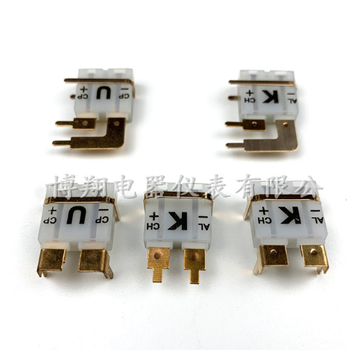
Direct through-hole solder tab termination. Uncompensated copper contacts for RTD/Thermistor inputs.
Min. Order: 100 Pieces
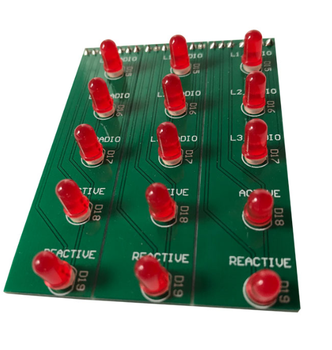
Integrated Cold Junction Compensation (CJC), 24-bit ADC, SMT assembly from Gerber & BOM.
Min. Order: 5 Pieces
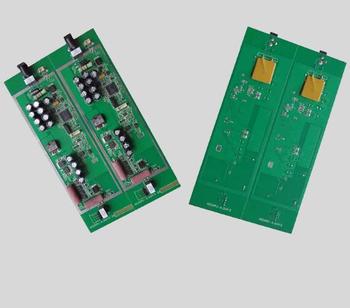
Isothermal copper plane design, ENIG surface finish, tight impedance matching for low-noise sensor front-ends.
Min. Order: 100 Pieces
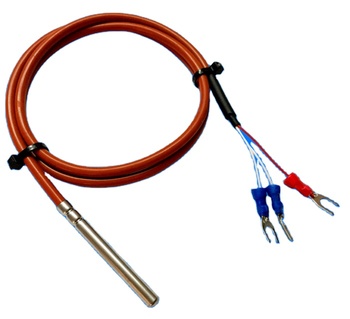
Complementary high-precision reference probe. 3-wire Class A platinum RTD with shielded silicone cable.
Min. Order: 10 Pieces
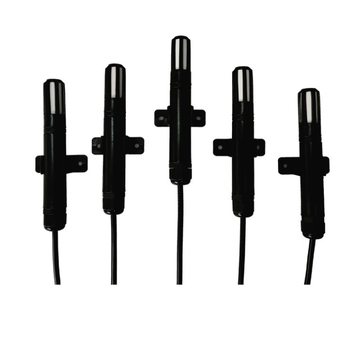
High-accuracy ambient monitoring for cold-junction reference environments and enclosure thermal mapping.
Min. Order: 100 Pieces
Match your measurement environment with genuine thermoelectric alloys and color-coded connector bodies.
| Calibration Type | Positive Lead (+) Alloy | Negative Lead (-) Alloy | Useful Temperature Range | ANSI Color Standard | IEC Color Standard | Standard PCB Terminal Model |
|---|---|---|---|---|---|---|
| Type K | Chromel (Nickel-Chromium) | Alumel (Nickel-Aluminum) | -200°C to +1260°C | Yellow | Green | PCC-SMP-K / PCC-SMP-V-K |
| Type J | Iron (Fe) | Constantan (Copper-Nickel) | -40°C to +750°C | Black | Black | PCC-SMP-J / PCC-SMP-V-J |
| Type T | Copper (Cu) | Constantan (Copper-Nickel) | -200°C to +350°C | Blue | Brown | PCC-SMP-T / PCC-SMP-V-T |
| Type E | Chromel (Nickel-Chromium) | Constantan (Copper-Nickel) | -200°C to +900°C | Purple | Violet | PCC-SMP-E / PCC-SMP-V-E |
| Type N | Nicrosil (Ni-Cr-Si) | Nisil (Ni-Si-Mg) | -270°C to +1300°C | Orange | Pink | PCC-SMP-N / PCC-SMP-V-N |
| Type U / RTD | Copper (Cu) | Copper (Cu) | Uncompensated | White | White | PCC-SMP-U (Uncompensated) |
When routing traces from a thermocouple PCB board connector to the analog front-end (AFE), PCB designers must avoid creating unintended thermal gradients between the positive and negative solder pads:
How automation, high-density edge IoT, and supply chain consolidation are reshaping global buyer requisitions.
Modern battery management systems (BMS) and semiconductor process chambers require 16 to 64 temperature channels per single PCB, driving demand for multi-gang horizontal miniature connectors.
Overseas OEM procurement teams are rapidly transitioning away from separate connector sourcing, bare PCB procurement, and contract assembly. A unified vendor mitigates BOM risk.
Electrification and automotive testing environments demand connectors capable of surviving reflow peak temperatures up to 260°C and extended operation at 180°C without dielectric warping.
Global EMS buyers prioritize vendors with transparent raw material documentation, XRF material reports, and verified batch lot coding to eliminate gray-market non-alloy counterfeit pins.
The progression from bulky terminal blocks to automated surface-mount Smart-CJC connector modules.
Bulky screw terminal blocks using standard plated steel. High parasitic EMF errors and substantial thermal lag during ambient shifts.
PCC-SMP standard through-hole connectors with genuine alloy pins. Vastly reduced Seebeck errors and standardized mini-plug compatibility.
High-temperature LCP housings enabling high-speed automated pick-and-place and lead-free reflow soldering on automated SMT lines.
Spring-loaded ground shields, vibration clips, and snap-in chassis brackets preventing intermittent contact in mobile automotive test rigs.
Multi-channel monolithic connectors integrating 8 to 16 thermocouple ports into a single board footprint for aerospace DAQ modules.
Next-generation connectors with embedded cold junction temperature sensors and 1-Wire EEPROM calibration chips directly on the socket.
Direct manufacturing facility located in Yuanshan Street, Shenzhen, delivering certified electronics assembly, component sourcing, and custom sensors worldwide.
Founded in 2016 in the center of Shenzhen's global electronics ecosystem, Shenzhen Mivo Electronics Co., Ltd. operates as an onsite-verified manufacturer integrating PCB fabrication, electronic component sourcing, and precision turnkey PCBA assembly. With a dedicated team of 51 to 100 skilled engineers and operators, we bridge the gap between design engineering and volume manufacturing.
Unlike brokers or trading intermediaries, Shenzhen Mivo Electronics Co., Ltd. controls the assembly, component verification, and functional testing workflow under one roof. When your board design calls for specialty components—such as calibration-matched thermocouple PCB board connectors, PT100 RTD sensor probes, SHT30 environmental sensors, planetary gear motors with encoders, or custom extruded aluminum heat sinks—our on-the-ground engineering team ensures rapid procurement without counterfeit exposure.
Our premises have passed official Alibaba.com onsite inspections, verified by world-leading third-party inspection firms. Over 8 continuous years of global exporting have yielded an average verified customer review score of 4.7 out of 5. From prototype builds starting at only 5 pieces to full container production shipments, we deliver complete transparency, rapid DFM feedback, and fluent English engineering communication.
Year Established
Staff (51–100)
Global Exporting
Buyer Review Score
Min. PCBA Prototype
BOM Verification
Direct technical answers to questions commonly queried by global procurement officers and instrumentation engineers.
Send your Gerber files, BOM, or connector specifications to our engineering team in Shenzhen for an immediate manufacturing feasibility and quotation review.
[email protected]