OEM / ODM Engineering Whitepaper
Advanced Membrane Interfaces & Integrated Thermal Electronic Modules
Modern industrial equipment demands resilient, hermetically sealed control interfaces that withstand moisture ingress, electromagnetic disturbances, and mechanical fatigue. Shenzhen Mivo Electronics delivers CE-compliant, turnkey interface solutions coupled with thermal management hardware and precision sensing systems.
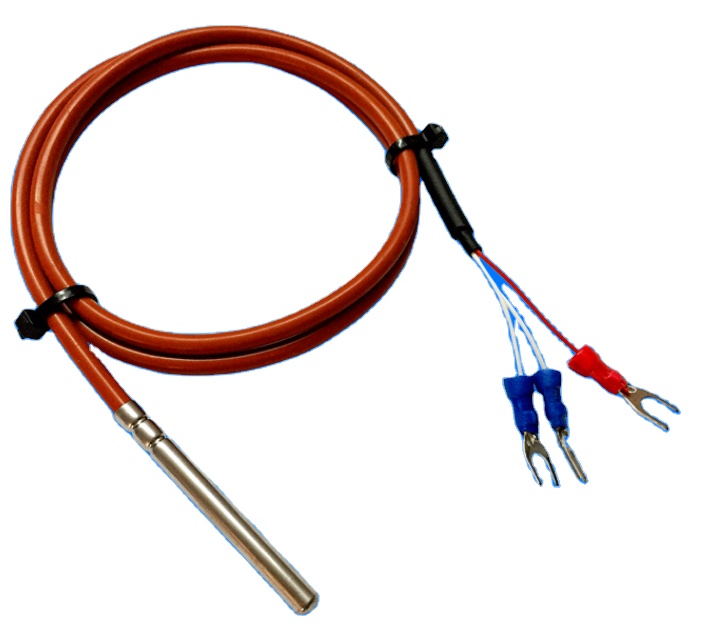
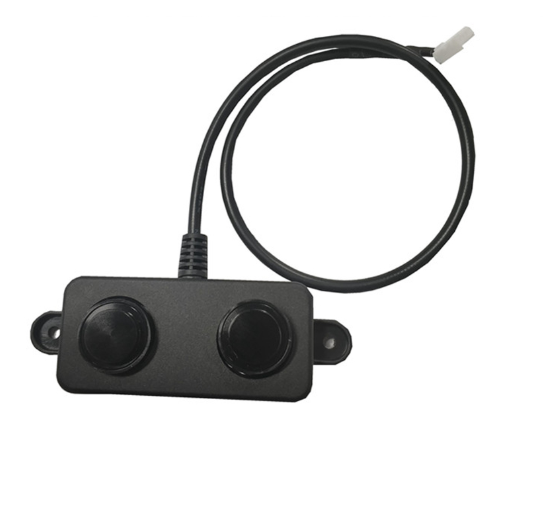
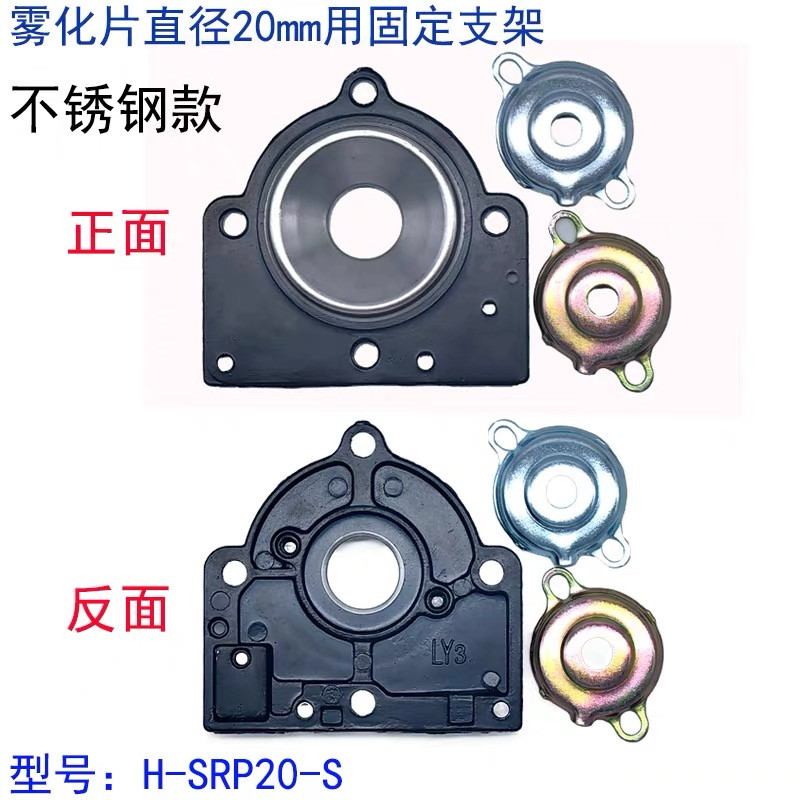
Industrial Subsystem
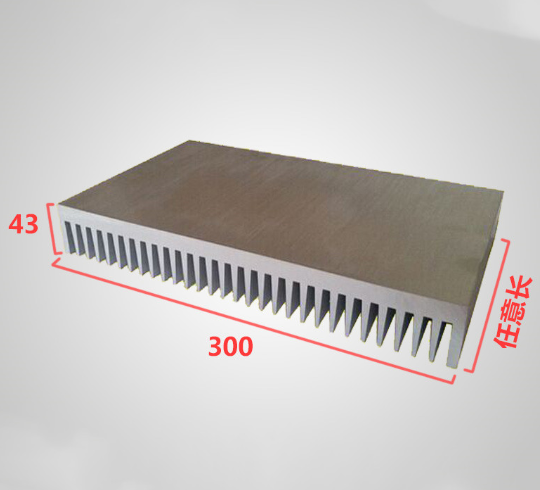
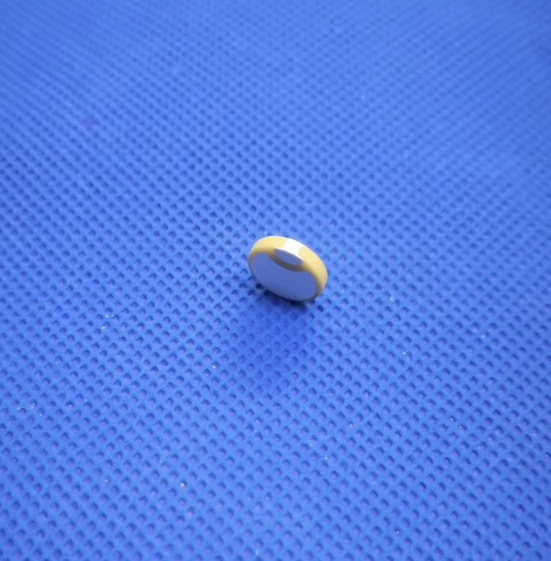
Atomizing Plate Stainless Steel Heat Sink Humidifier Aluminum Holder
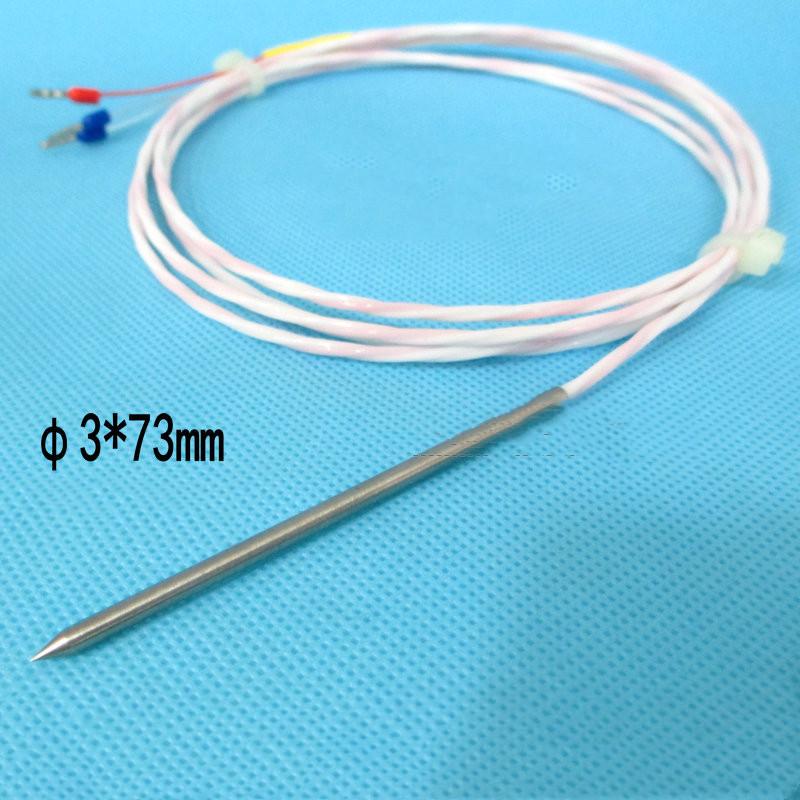
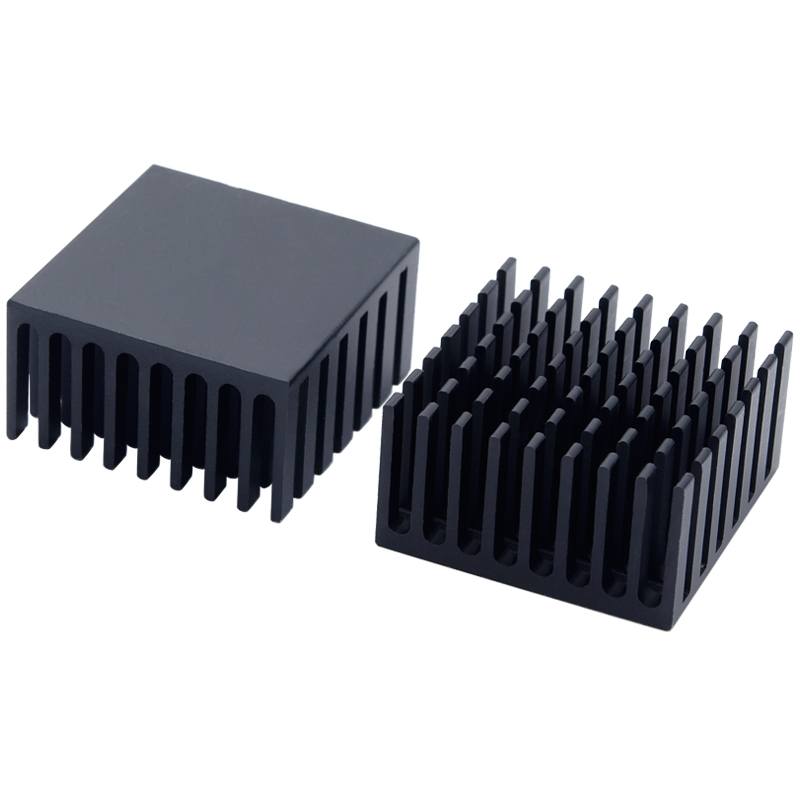
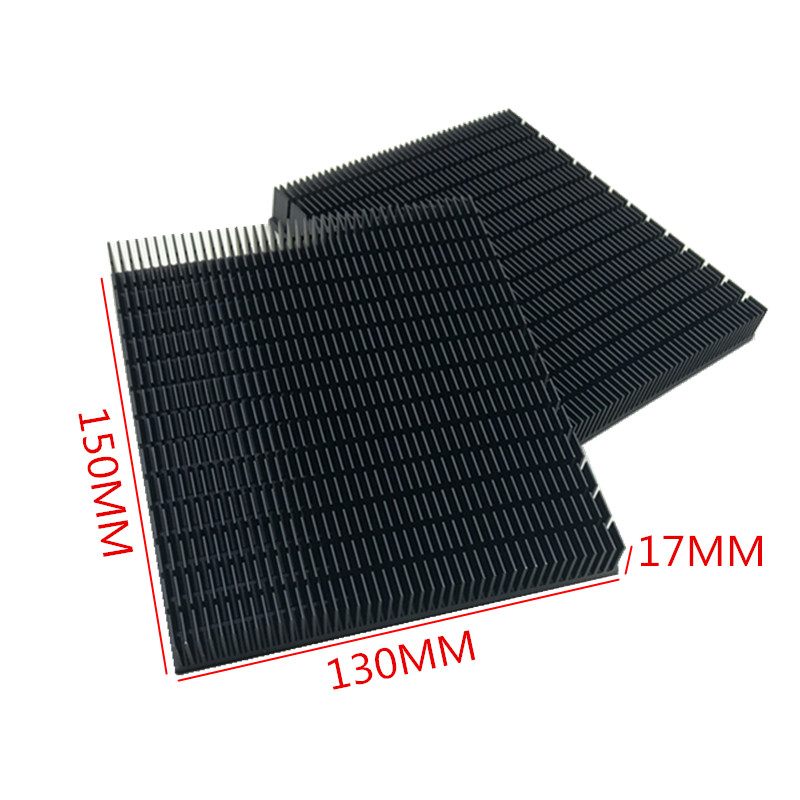
Board-Level Heatsink
28*28*15mm Heatsink Cooling Fin Aluminum Radiator Cooler Graphic Black
CE Certification Standards in Membrane Switch Engineering
Securing genuine CE Marking (Conformité Européenne) for custom membrane switch panels requires adherence to harmonized directives that govern electromagnetic compatibility, dielectric isolation, material flammability, and environmental toxicology. Unlike passive decorative labels, an active membrane keypad is an integral component of the electronic circuit loop, directly interacting with microcontrollers, relay coils, and switching power stages.
For European and global market deployment, our fabrication architecture aligns strictly with three mandatory European Union frameworks: the Electromagnetic Compatibility Directive (EMC 2014/30/EU), the Low Voltage Directive (LVD 2014/35/EU), and the RoHS/REACH Directives (2011/65/EU as amended by 2015/863/EU). Compliance is validated through comprehensive test protocols covering ESD spark discharge up to 15 kV (IEC 61000-4-2), radiated immunity (IEC 61000-4-3), and material halogen-free limits.
EMC & ESD Shielding Layer
Integrated full-surface aluminum foil, printed conductive silver grids, or nickel-carbon screens shunt static discharge away from sensitive microcontroller I/Os, maintaining signal integrity under heavy radiated field interference.
Dielectric & Moisture Isolation
Utilizing high-purity optical grade PET (Autotex XE / Melinex) with dielectric breakdown ratings exceeding 15 kV/mil prevents electrical flashover and cross-channel parasitic capacitance across adjacent conductor tracks.
Silver Migration Prevention
Advanced cross-over insulation coatings combined with carbon ink capping over pure silver traces effectively eliminate dendritic electrochemical migration under combined thermal-humidity stresses (85°C / 85% RH bias test).
Material Substrate Engineering: PET vs. PC vs. FPC vs. Rigid FR-4
Selecting the optimal foundation layer dictates switch tactile crispness, chemical resistance, flexural life cycles, and production economics. Below is an engineering comparison matrix designed to streamline bill-of-materials (BOM) decisions for hardware engineers and industrial design leads:
| Substrate / Metric | Biaxially-Oriented PET | Polycarbonate (PC) | Polyimide Flexible FPC | Rigid FR-4 Backer |
|---|---|---|---|---|
| Actuation Mechanical Life | > 5,000,000 Cycles | ~ 100,000 Cycles | > 10,000,000 Cycles | > 10,000,000 Cycles |
| Chemical & Solvent Resistance | Excellent (Alcohols, Oils, Solvents) | Moderate (Vulnerable to Aromatics) | Superior (Industrial Washdowns) | Superior (Hermetic Core) |
| Trace Conductivity Material | Polymer Thick Film (PTF) Ag/C | Conductive Ag / Carbon Paste | Electro-Deposited Copper (RA/ED) | 1 oz / 2 oz Copper Foil |
| Maximum Operating Temperature | -40°C to +85°C | -30°C to +75°C | -40°C to +125°C | -40°C to +130°C |
| SMT Component Reliability | Epoxy / Conductive Adhesive | Conductive Bonding Only | Reflow Soldering / Surface Mount | Standard SMT Solder Reflow |
| Ingress Rating Capability | IP65 to IP67 Hermetic | IP54 to IP65 | IP67 to IP68 Submersion | IP67 with Perimeter Gaskets |
For demanding medical monitors, defense control systems, and food processing lines subjected to aggressive sanitizing agents (such as isopropyl alcohol, bleach solutions, and quaternary ammonium compounds), textured, UV-cured polyester film (PET) remains the industry gold standard. When extreme component density or fine-pitch BGA microcontrollers are integrated directly behind the switch keys, transitioning to a hybrid FPC (Flexible Printed Circuit) or FR-4 PCB backing offers superior mechanical robustness and eliminates micro-fracture risks.
Product Architecture Evolution & Sourcing Trends (2025–2030)
The global human-machine interface market is experiencing a profound paradigm shift. Conventional, discrete push-button arrays are rapidly converging into unified, hybrid interface assemblies that merge capacitive gesture detection, integrated micro-haptics, backlighting diffusion, and thermal management into a single ultra-thin profile.
1. In-Mold Electronics (IME / IMSE)
Traditional multi-layer stacks are evolving toward 3D thermoformed structural plastics. Conductive printed circuits and surface-mount LEDs are molded directly into structural resin panels, yielding zero internal air gaps, IP69K washdown immunity, and a 60% reduction in overall system weight.
2. High-Efficiency Light Guide Films (LGF)
Rather than distributing power-hungry individual LEDs beneath every single key, next-generation procurement leverages side-firing Micro-LED arrays coupled with micro-etched optical light guide films. This achieves ultra-uniform graphic illumination with 75% lower power consumption and minimal heat dissipation.
3. Turnkey Sub-Assembly Sourcing
Enterprise procurement departments are actively consolidating vendor tiers. Instead of purchasing membrane graphics from print shops, metal backplates from metal stampers, and circuit boards from assembly facilities, buyers now source pre-tested, turnkey modules with pre-mounted connectors, heatsinks, and custom sensors directly from certified manufacturers.
Tactile Dome Mechanics & Environmental Hermetic Sealing (IP67/IP68)
A membrane switch’s perceived quality and operational safety depend largely on its tactile response curve. The snap ratio—expressed as (F1 - F2) / F1, where F1 represents initial actuation peak force and F2 is contact closure force—determines whether the operator receives unambiguous physical confirmation of key closure even when wearing protective work gloves.
Stainless Steel Snap Domes
Fabricated from high-tensile 301/304 stainless steel with optional nickel or gold plating. Available in round, four-leg, and triangle profiles with trip forces from 220g to 500g, delivering a clean snap and switch lifecycles over 1,000,000 actuations.
Embossed Polydomes
Thermoformed directly into the polyester graphic overlay or circuit spacer. Polydomes offer a softer acoustic profile, lower unit production costs for large volumes, and flexible custom dimensions when metal dome footprints are restricted.
Perimeter Hermetic Gaskets
Engineered using continuous 3M acrylic adhesive borders (such as 3M 467MP, 468MP, or 3M VHB foam tapes). Internal breather channels are ported into sealed dry cavities or fitted with hydrophobic ePTFE vents to prevent moisture condensation during pressure fluctuations.
Procurement Engineering FAQ
Frequently Answered Questions by Senior Engineers
Detailed technical, regulatory, and commercial clarifications to accelerate your design-for-manufacturability (DFM) reviews and purchase planning.
How do CE certification requirements specifically govern membrane switch design?
While a passive membrane switch is technically a sub-component, it directly influences the end equipment’s certification under the EMC Directive (2014/30/EU) and Low Voltage Directive (2014/35/EU). Design compliance mandates: (1) Dielectric strength to survive 1,500 V DC isolation testing without breakdown; (2) ESD discharge shielding to protect backend logic from up to 8 kV contact and 15 kV air discharges; (3) Verified flame retardance (UL 94 VTM-2 or V-0 rated polyester/polycarbonate substrates); and (4) RoHS/REACH chemical compliance certification for all conductive inks, adhesives, and overlay coatings.
What is the optimal trace resistance budget for printed silver vs. copper FPC?
Printed silver polymer thick-film (PTF) traces typically exhibit loop resistance ranging between 0.05 to 0.15 Ω/sq/mil. For low-current digital scanning matrix lines (typically < 20 mA), silver traces are reliable and cost-effective. However, when traces exceed 500 mm in total run length, require fine pitch (< 0.5 mm), or must power surface-mount LEDs directly on the switch layer, flexible copper printed circuits (FPC) with 0.5 oz or 1 oz electro-deposited copper provide significantly lower resistance (< 0.005 Ω/sq) and eliminate micro-fracturing risks under continuous dynamic flexing.
How does Mivo Electronics prevent silver migration in high-humidity operating environments?
Electrochemical silver migration occurs when ionic silver dendrites grow across adjacent conductors under DC voltage bias and moisture condensation. We mitigate this through three proven engineering steps: (1) Applying a full carbon ink encapsulation layer over all exposed silver conductor tracks; (2) Specifying UV-curable, pinhole-free dielectric barrier overcoats with minimum 100 MΩ insulation resistance; and (3) Implementing perimeter-sealed, hermetic adhesive ring gaskets (using 3M 467MP/468MP) with internal hydrophobic vents to maintain an IP67 rating and prevent moisture accumulation.
Which graphic overlay material is recommended for outdoor UV and harsh chemical washdowns?
For harsh outdoor environments exposed to continuous solar UV radiation and rigorous industrial cleaning, biaxially-oriented, UV-stabilized polyester film (such as MacDermid Autotex XE or Toray Lumirror) is the definitive choice. Unlike standard polycarbonate, which yellows, embrittles, and develops micro-cracks under solar radiation, UV-cured PET films resist yellowing for over 7 to 10 years, maintain tensile strength across -40°C to +85°C, and provide high resistance to common industrial solvents including methyl ethyl ketone (MEK), IPA, diesel, and industrial acids.
What are the engineering differences between metal dome tactile feedback and embossed polydomes?
Metal snap domes (301/304 stainless steel) deliver a crisp, sharp tactile sensation with an actuation trip force typically ranging from 250g to 450g and an extended operating life exceeding 1,000,000 cycles. They also provide electrical switching directly through the metallic dome apex. Embossed polydomes, formed directly into the plastic circuit or overlay, offer a smoother, quieter actuation feel and lower tooling cost for mass production, but typically exhibit a lower mechanical life expectancy (100,000 to 500,000 cycles) and require printed conductive pads beneath each dome cavity.
How are surface-mount LEDs embedded into membrane switch panels without solder joint shear?
Because polyester substrates cannot withstand standard SMT convection reflow temperatures (240°C–260°C), LEDs are attached to silver PET circuits using anisotropic conductive pastes (ACP) or high-grade isotropic silver-filled epoxies cured at low temperatures (120°C–140°C). To eliminate solder joint shearing caused by keypress flexure, Mivo Electronics engineers machine a dedicated relief spacer window and encapsulates the mounted chip LED with an optical-grade UV epoxy potting dome, mechanically isolating the component from keyboard deflection stresses.
What files and technical documentation are required to initiate a DFM review and quotation?
To generate an accurate engineering quotation and DFM analysis, please submit: (1) Vector artwork for graphic overlays (Adobe Illustrator .AI, CorelDraw .CDR, or vector .PDF) with Pantone or RAL color codes specified; (2) Mechanical dimensional drawings (.DWG or .DXF) showing cutouts, LED windows, tail exit routing, and connector pinouts; (3) Schematic or circuit netlist detailing switch contact matrix, trace routing, and ESD shielding specs; and (4) BOM detailing target connector housings (e.g., Nicomatic, Amphenol FCI, 2.54 mm pitch Berg, or ZIF tails).
What is Mivo Electronics' minimum order quantity (MOQ) and lead time for membrane prototypes?
Reflecting our agile electronics manufacturing framework in Shenzhen, prototype membrane switch panels and custom PCBA samples can be fabricated from 5 to 10 pieces for initial design verification. Rapid prototype turnaround typically runs between 7 to 10 working days following final DFM approval. Mass production runs scale efficiently from 500 units to several hundred thousand pieces with automated screen printing, die-cutting, and computerized 100% electrical continuity and contact resistance verification.
Ready to Build Your Custom CE Certified Membrane Switch Panel?
Send your CAD drawings, graphic artwork, or schematic requirements to our Shenzhen engineering team. We deliver complete DFM feedback, material stackup recommendations, and factory-direct pricing within 24 hours.