Precision Hardware Ecosystem Portfolio
Direct manufacturer supply spanning custom graphic overlays, sub-miniature coaxial interconnects, mission-critical temperature arrays, and thermal dispersion architectures.
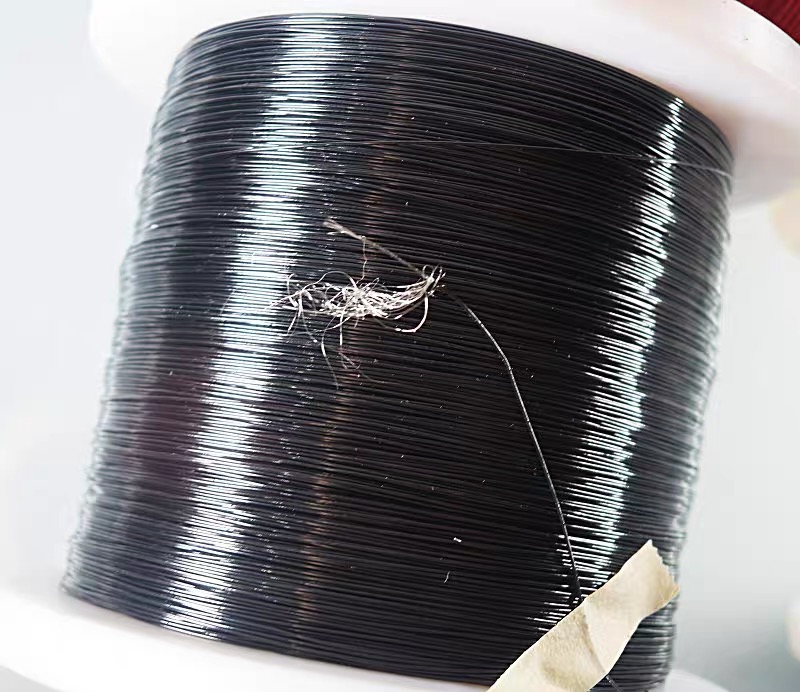
36AWG MINI COAXIAL CABLE 50ohm Impedance 0.5mm Shielded Wire
Ultra-fine 0.5mm OD shielded micro-coaxial cable engineered for high-frequency signal transmission in tight medical endoscopy, aerospace gimbal, and compact HMI display hinges.
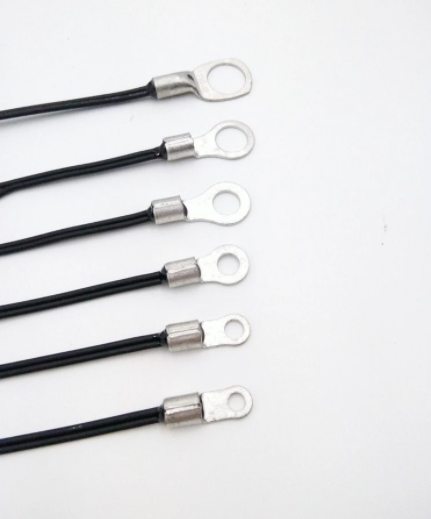
New Energy Automobile Power Battery Temperature Sensor NTC 100K
Automotive-grade NTC thermistor harness engineered for EV lithium battery module thermal management, featuring fast response, high insulation resistance, and robust mechanical crimping.
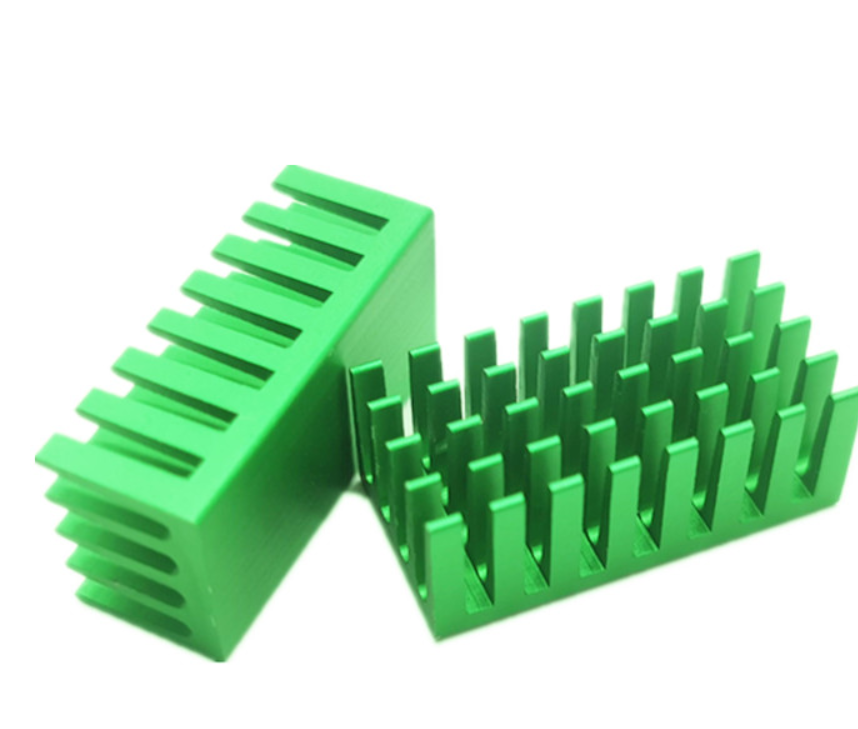
Electronic Chip Radiator 28*14*11MM Graphics Card Heatsink
Anodized aluminum extruded IC heat sink optimized for board-level passive cooling, high thermal conductivity, and custom mounting options for industrial PCBA controllers.
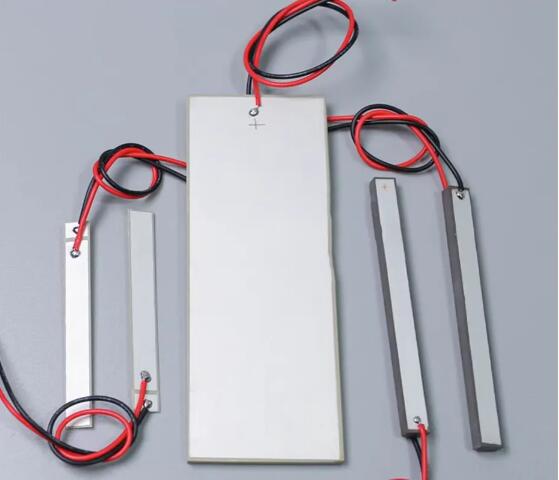
Piezo Ceramic Element PZT Long Strip Ultrasonic Transducer
Lead zirconate titanate (PZT) ultrasonic wafer strip built for hydroacoustic sensors, ultrasonic flow metering, non-destructive testing, and high-frequency vibrational actuation.
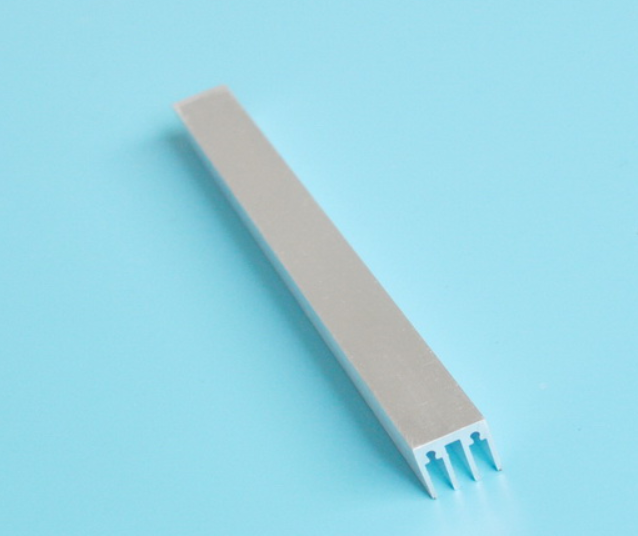
LED Comb Radiator / Light Bar Triode Radiator 16*16mm
Comb-profile multi-fin aluminum extruded profile tailored for linear high-power LED strips, triode modules, and industrial linear illumination systems requiring consistent thermal stabilization.
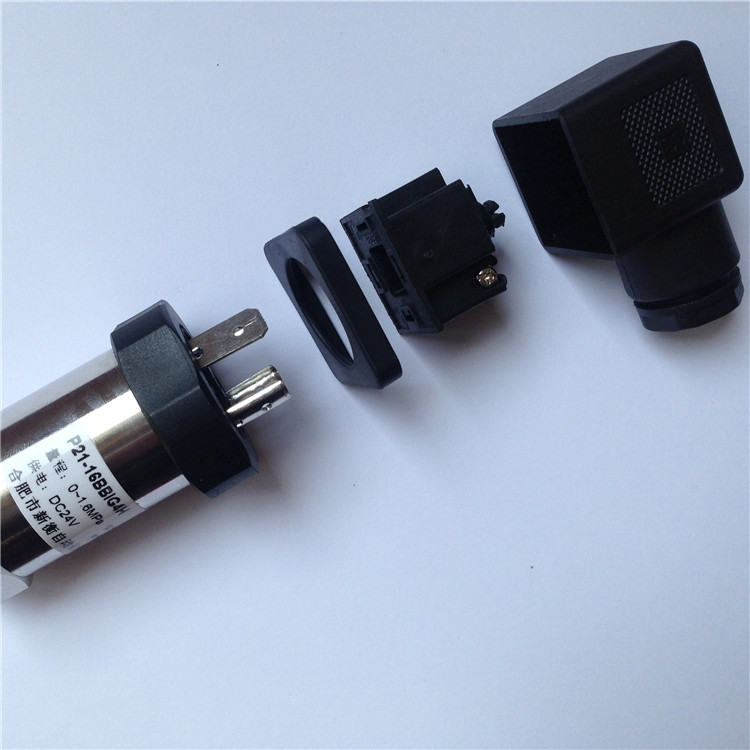
4-20mA / 0-5V Diffusion Silicon Pressure Sensor Core
Oil-filled diffused silicon pressure transmitter core with integrated temperature compensation, isolated 316L diaphragm, designed for constant pressure water systems and hydraulics.
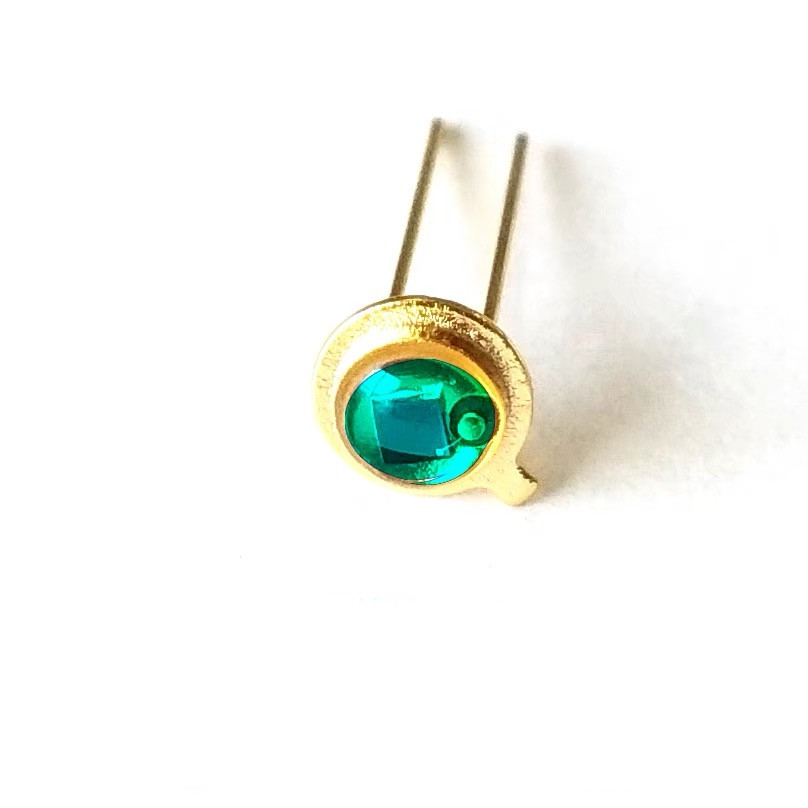
Metal Shell TO46 Package SG-PIN46MR-V High Speed Photodiode
Hermetically sealed TO-46 metal canister silicon photodiode calibrated for 450nm peak sensitivity, low dark current, and ultra-fast nanosecond response in industrial laser measurement.
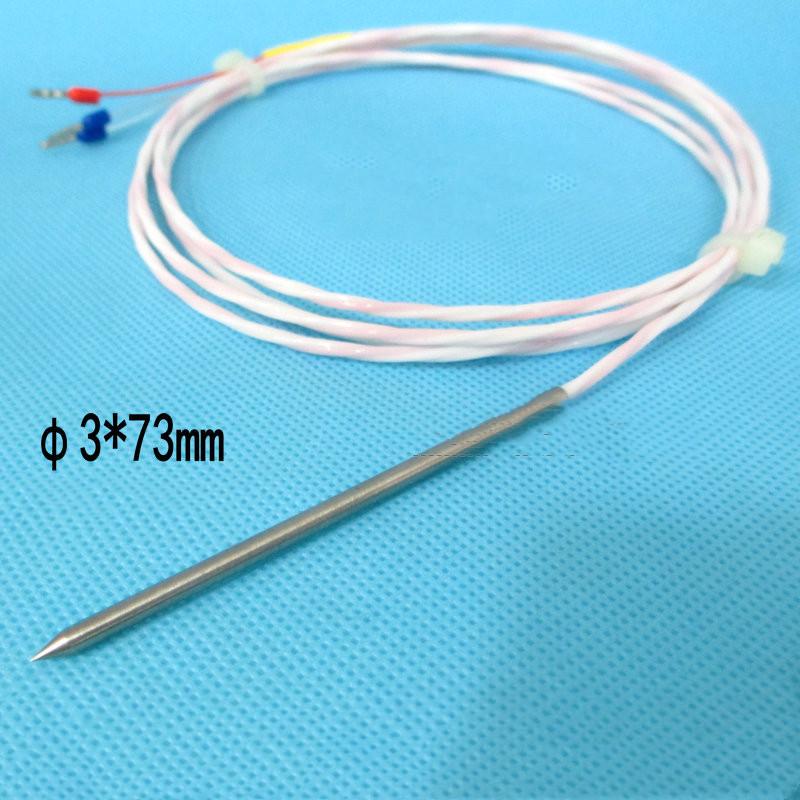
PT100B PT100A PT1000 Pointed End Thermal Resistance Probe
Food-grade needle pierce-type RTD platinum sensor with Class A/B precision, high-temperature Teflon lead wire, ideal for chemical immersion, food processing, and soil temperature tracking.
Engineering Architecture: Why Industrial Graphic Overlays Require Full Subsystem Integration
In modern industrial Human-Machine Interfaces (HMI), a graphic overlay is significantly more than a printed cosmetic label. It functions as the primary environmental barrier, optical communication interface, tactile feedback gateway, and electrical shielding envelope for high-reliability machinery. As a premier China graphic overlay factory and supplier, Shenzhen Mivo Electronics integrates deep material science with advanced printed electronics to engineer front-panel solutions that survive extreme industrial exposures.
From chemical processing consoles exposed to aggressive ketones and hydrocarbons to outdoor solar inverters battered by continuous UV radiation and thermal cycling, the operational lifespan of industrial controls hinges on the structural chemistry of the overlay stack. Our manufacturing facility combines second-surface screen and digital printing on optical-grade Autotype Autotex polyester (PET) and Sabic Lexan polycarbonate (PC) substrates with precision laser and digital die-cutting systems. Second-surface printing guarantees that inks are permanently isolated from surface abrasion, aggressive cleaning chemicals, moisture intrusion, and operator fingernail impacts.
Furthermore, our engineering teams bridge the critical gap between mechanical surface design and underlying printed circuit assembly (PCBA). By fabricating the overlay, integrating tactile metal snap domes (12mm to 20mm with actuation forces spanning 250g to 500g), laminating selective 3M 467MP / 468MP / 3M 300LSE adhesive layers, and interfacing directly with our custom flexible printed circuits (FPC) or rigid FR-4 backplanes, Mivo Electronics eliminates the interfacial mismatch, adhesive delamination, and tactile binding errors commonly created when sourcing overlays and PCBs from disconnected supply channels.
Environmental Ingress Sealing
Full IP65, IP67, and NEMA 4X front-panel seal engineering utilizing continuous perimeter adhesive ring die-cuts, preventing liquid migration into sensitive PCBA electronics.
Tactile Actuation Mechanics
Nickel-plated and gold-plated stainless steel snap domes providing crisp, repeatable tactile snap ratios, high switch travel stability, and endurance ratings exceeding 1,000,000 actuations.
Electromagnetic (EMI/ESD) Shielding
Integrated solid or grid printed conductive silver/carbon layers and vacuum-sputtered aluminum foils mitigating static electrostatic discharge (ESD) up to 15kV.
Substrate Science: Engineering Properties & Selection Criteria
Selecting the optimal substrate material represents the single most critical engineering decision during front-panel design. Polycarbonate (PC) and Biaxially Oriented Polyethylene Terephthalate (PET) present distinct mechanical and chemical profiles. The engineering matrix below highlights performance tradeoffs analyzed during our Design-for-Manufacturability (DFM) intake:
| Evaluation Parameter | Autotex / MacDermid Polyester (PET) | Lexan Polycarbonate (PC) | PMMA Acrylic (Rigid Windows) |
|---|---|---|---|
| Flexural Fatigue Life | Exceeds 5,000,000 switch actuations | 100,000 – 300,000 actuations (susceptible to work hardening) | Non-flexible (Rigid display lenses only) |
| Chemical & Solvent Resistance | Exceptional resistance to alcohols, acetone, oils, and sanitizers | Moderate; vulnerable to aromatic hydrocarbons and esters | High optical clarity; poor resistance to aromatic solvents |
| Thermal Stability Range | -40°C to +150°C continuous | -40°C to +125°C continuous | -20°C to +85°C continuous |
| Embossing Profile Retention | High memory retention (Hydro-forming / CNC hot press) | Good thermoforming depth; lower long-term cycle recovery | Machined, diamond-polished or laser cut only |
| Surface Hardness & Texture | 2H to 3H hard-coat; anti-glare, fine/velvet texture | HB to 1H standard; optional hard-coated anti-scratch variants | 4H to 6H pencil hardness; optical mirror polish |
For applications mandating tactile key embossing alongside dynamic display windows, our dual-treatment processes enable localized selective UV texturing. This yields an anti-glare, scratch-resistant velvet finish across the user control zones while maintaining crystal-clear water-clear transparency over internal TFT LCD, OLED, or seven-segment LED readouts.
Future Sourcing Trends: Next-Generation Graphic Overlays & HMI Interfaces
Procurement directors and electronic hardware architects are navigating an industry-wide transition from rudimentary electromechanical panels to intelligent, multi-functional human-machine surfaces. When strategizing long-term vendor partnerships, several emerging technological and procurement shifts define best practices:
In-Mold Electronics (IME) & Capacitive Touch
Transitioning from mechanical snap-domes toward sleek, sealed capacitive touch surfaces. IME combines decorative printed films with structural thermoforming and injection resin molding, producing single-piece 3D control shells containing encapsulated conductive traces and capacitive sensor nodes.
Micro-LED & Optical Waveguide Integration
Moving away from bulky discrete backlighting. Modern graphic overlays embed ultra-thin side-firing micro-LEDs and laser-etched light guide films (LGF) that deliver high-uniformity, zone-controlled icon illumination without light bleed, hotspots, or excessive thickness.
Single-Source Turnkey Subsystem Sourcing
Procuring teams actively consolidate supply chains. Instead of managing separate contracts for overlays, rubber keypads, rigid/flex PCBs, sensors, and sheet metal brackets, OEMs partner with integrated Shenzhen manufacturers capable of delivering fully validated, plug-and-play HMI modules.
Environmental regulations including EU RoHS 3 (Directive 2015/863/EU) and REACH (EC 1907/2006) increasingly scrutinize flame retardants, plasticizers, and solvent residues in adhesives and printing inks. At Mivo Electronics, all screen-printing formulations, adhesives, and base films are strictly certified low-VOC and halogen-free, safeguarding compliance across North American, European, and Asian target markets.
Enterprise Strengths: The Shenzhen Mivo Electronics Advantage
Shenzhen Mivo Electronics Co., Ltd. operates at the center of the global electronics supply chain in Yuanshan Street, Longgang District, Shenzhen. Our integrated engineering and manufacturing complex delivers tangible operational advantages that minimize execution risks for overseas engineering teams:
1. Unified Interdisciplinary Engineering: Our senior engineering roster spans mechanical packaging, polymer chemistry, SMT electronics layout, and software firmware debugging. When you provide artwork vector files (AI, PDF, DWG) and PCB Gerber data, our cross-functional review validates adhesive venting channels, trace impedance, LED window light refraction, and dome actuation feel before tooling begins.
2. Low Volume Flexibility Starting at 5 Pieces: Unlike conventional volume-locked factories that mandate high minimum batch sizes, Mivo Electronics operates dedicated rapid-prototyping cells. We fabricate custom graphic overlays, bare PCBs, and turnkey PCBA modules from as few as 5 to 10 units for design validation tests (DVT) and medical pre-clinical trials, scaling seamlessly to monthly production runs exceeding 500,000 units.
3. Comprehensive Hardware Ecosystem Support: Beyond graphic overlays and membrane keypads, Mivo produces custom sensors (PT100/PT1000 RTD probes, automotive NTC packs, oil-filled diffused silicon pressure cores), micro-coaxial cable harnesses (36AWG 50Ω), ultrasonic PZT transducers, and custom extruded heat sinks. This diverse component capability enables buyers to consolidate procurement onto a single accountable, verified manufacturer.
Procurement & Technical FAQ: Industrial Graphic Overlays
Essential engineering answers to common technical queries encountered by sourcing managers, hardware designers, and quality assurance leads:
What CAD/Artwork files are required for overlay tooling?
We accept native vector artwork formats including Adobe Illustrator (.AI), CorelDraw (.CDR), vector .PDF, and AutoCAD (.DWG / .DXF). For precision embossing dies, cutouts, and LED window positions, 1:1 scale vector outlines with identified Pantone (PMS) or RAL color codes ensure rapid, accurate tooling conversion.
How do you prevent air trapping and key stiffness in embossed dome overlays?
Our tooling engineers design micro-venting channels through the internal spacer and adhesive layers. These channels allow displaced air to equalize into non-sealed substrate cavities during button compression, eliminating the "pillowing" effect, sluggish spring-back, and false actuations across barometric altitude changes.
How does Mivo achieve optical clarity over LCD/OLED displays without Newton Rings?
When an untreated smooth window rests against a flat display glass, interference patterns (Newton rings) appear. Mivo employs selective anti-Newton ring texturing or microscopic micro-dot matrix printing on the reverse side of the display aperture, breaking optical interference without sacrificing transmission or readability.
Which adhesive backing is recommended for powder-coated or LSE plastics?
Standard acrylic adhesives fail on low surface energy (LSE) materials like polypropylene, polyethylene, and rough textured powder coats. We specify genuine 3M 300LSE or 3M 9472LE transfer films, formulated with high initial tack and long-term shear strength on difficult powder-coated enclosures and cast metals.
Can graphic overlays withstand medical autoclave and hospital sanitization?
Yes. Utilizing autoclave-grade, heat-stabilized polyester substrates (such as Autotex XE or specialized fluoropolymer films) paired with chemical-resistant cross-linked UV inks, our overlays endure repetitive wiping with isopropyl alcohol, bleach, quaternary ammonium compounds, and hydrogen peroxide vapor.
What is the standard turnaround time for samples and mass production?
Rapid CNC/laser-cut prototype overlays without custom tooling are completed within 3 to 5 business days. Hard-tooled embossed prototypes with precision color matching take 7 to 10 days. Full-scale production orders ship within 12 to 18 working days, backed by priority international express logistics.