Core Products & Interconnect Assemblies
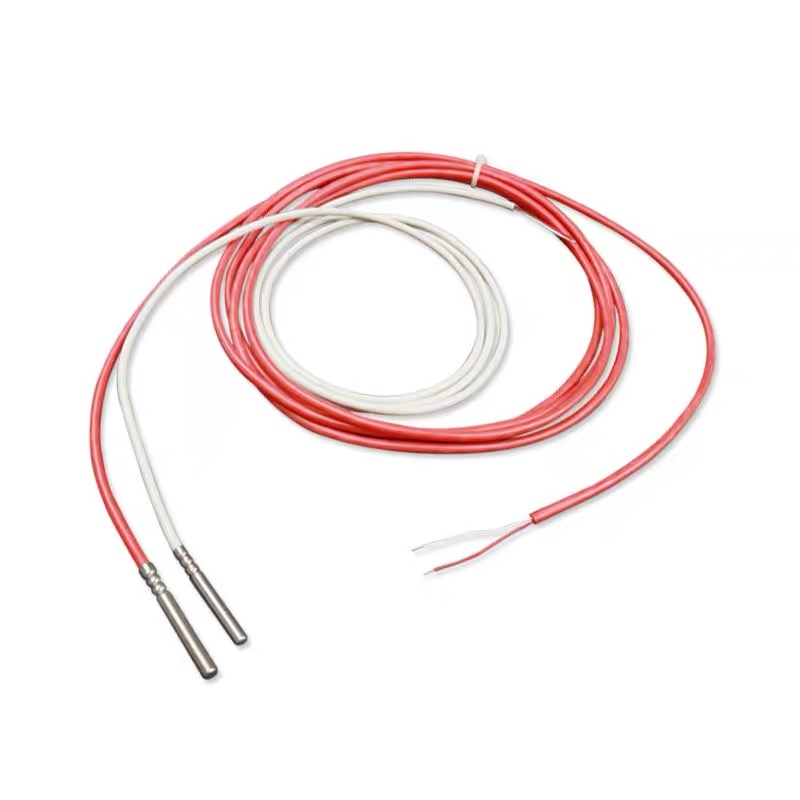
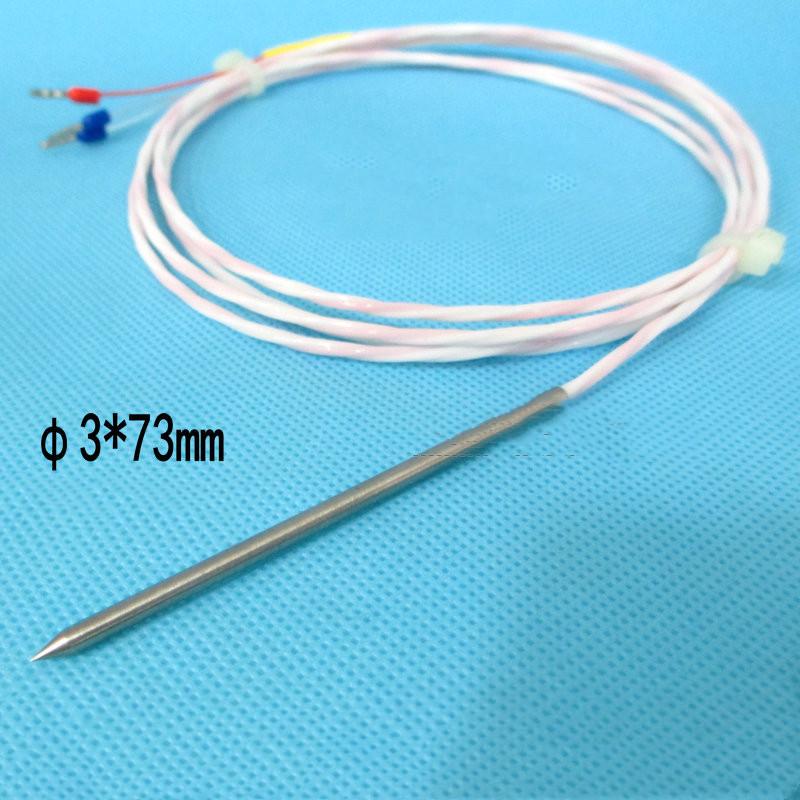
Shenzhen Mivo Electronics integrates proprietary matrix membrane keypad interfaces with turnkey PCB assemblies, thermal dissipation modules, and industrial-grade sensor probes for precision electronic deployments.
High-Reliability Matrix Membrane Keypad Design & Manufacturing
A comprehensive engineering guide on electrical topology, layer composition, environmental sealing, and turnkey PCBA integration for OEM procurement specialists.
As industrial, medical, and aerospace control systems demand ever higher ingress protection, chemical resistance, and tactile ergonomics, the matrix membrane keypad remains the industry's premier Human-Machine Interface (HMI) standard. Unlike standard mechanical switches that feature exposed air gaps and discrete soldering joints subject to particulate intrusion, a matrix membrane switch is a hermetically laminated, multi-layer composite system. It integrates graphical overlays, tactile metal snap domes, screen-printed conductive circuit layers, and environmental adhesive gaskets into an ultra-low-profile profile typically under 1.5mm in total thickness.
Matrix Topology & Ghosting Mitigation
By routing contact nodes along an X-axis (rows) and Y-axis (columns) grid, an M×N key configuration requires merely M+N pins rather than M×N+1 discrete conductors. Our engineering team designs optimized matrix traces using silver conductive paste or copper-clad polyimide (FPC) with carbon overcoats, mitigating contact resistance down to <100Ω and integrating anti-ghosting steering diodes within the tail circuit when multi-key rollover is specified.
- Substantially reduced I/O pin count on host microcontrollers
- Carbon conductive overprint prevents silver migration
- SMT diode embedding eliminates cross-talk ghosting
Multi-Layer Lamination Architecture
From the outermost Autotex® / Lexan™ graphic overlay down to the 3M 467MP/468MP acrylic mounting adhesive, each layer is micron-calibrated. Spacer layers utilize high-dielectric polyester with precision air-vent channels that equalize atmospheric pressure without permitting liquid moisture or dust ingress, preserving uniform switch actuation across fluctuating barometric conditions.
- Autotex XE UV-resistant polyester for outdoor exposures
- Closed-loop perimeter sealing achieving IP65/IP67/IP68
- Precision laser-cut venting channels prevent air bubbling
Tactile Dynamics & Snap Ratio
The tactile sensation is governed by stainless steel snap domes (nickel or gold-plated) calibrated from 180g to 500g actuation force. By balancing snap ratio (≥45%) with stroke travel (0.3mm to 0.8mm), we provide operators with positive tactile feedback even through heavy industrial gloves, preventing double-triggering and ensuring switch lifetimes exceeding 1,000,000 cycles.
- Four-leg and oblong tactile dome configurations
- Gold-plated dome options for ultra-low contact resistance
- Life test qualification verified beyond 1 to 5 million cycles
Substrate & Conductor Technology Benchmark
Evaluate graphic overlay polymers, conductive circuitry materials, and backer options for your OEM procurement specifications.
| Evaluation Parameter | Polyester (PET - Autotex®) | Polycarbonate (Lexan™) | Screen-Printed Silver Circuit | Copper Flexible Circuit (FPC) |
|---|---|---|---|---|
| Flex Life Cycles | > 5,000,000 switch operations | < 100,000 switch operations | > 1,000,000 actuations | > 10,000,000 actuations |
| Chemical & Solvent Resistance | Superior (Ketones, Alcohols, Acids) | Moderate (Degrades under acetone) | Hermetically encapsulated | Inherent polyimide protection |
| UV & Outdoor Weathering | Excellent (With Autotex XE grade) | Prone to yellowing over time | N/A (Internal Layer) | N/A (Internal Layer) |
| Conductor Trace Resistance | N/A (Graphic Overlay) | N/A (Graphic Overlay) | 10Ω to 100Ω depending on run | < 1Ω (High conductivity) |
| Fine-Pitch SMT Component Density | Not Recommended | Not Suitable | Limited (Conductive epoxy) | High (Standard SMT reflow capable) |
| Application Recommendation | Recommended for Industry | Budget Indoor HMIs | Standard Matrix Panels | High-Reliability & LEDs |
Future Sourcing & Technological Trends in Matrix Membrane Keypads
Key architectural transformations shaping next-generation industrial HMI procurement over the next 3 to 5 years.
In-Mold Electronics (IME / IMD)
The convergence of functional printed circuitry with 3D structural plastics is rendering flat assemblies obsolete. IME integrates matrix traces, capacitive sensing pads, and micro-LEDs directly within injection-molded resins, shedding 70% of enclosure weight while establishing seam-free ingress barriers for automotive dashboards and premium appliances.
- Eliminates internal air cavities completely
- Monolithic housing impervious to pressurized washdowns
- Allows seamless curves and contoured ergonomic styling
Capacitive-Tactile Hybrid Keypads
Buyers increasingly demand hybrid surfaces uniting capacitive slider/touch areas with physical metal dome switches. While capacitive touch offers rapid menu browsing and gesture input, critical functions (Emergency Stop, Confirm, Power) rely on high-force tactile matrix domes, satisfying safety regulations against unintended electrostatic discharges or water droplet triggers.
- Dual-mode controller IC integration
- Zero false-triggering in heavy spray environments
- Haptic vibration feedback modules built to drawing
Antimicrobial & Chemically Hardened Overlays
Post-pandemic healthcare settings, biological laboratories, and food processing lines mandate continuous wipe-downs with harsh quaternary ammonium solutions and sodium hypochlorite. Sourcing trends show explosive growth in biaxially oriented PET treated with silver-ion antimicrobial coatings and nano-ceramic hard-coats resisting scratching up to 3H hardness.
- Active antimicrobial surfaces (ISO 22196 verified)
- Resistance to blood, bleach, MEK, and clinical disinfectants
- Anti-glare textured finishes preserving readability
Turnkey Sourcing Consolidation
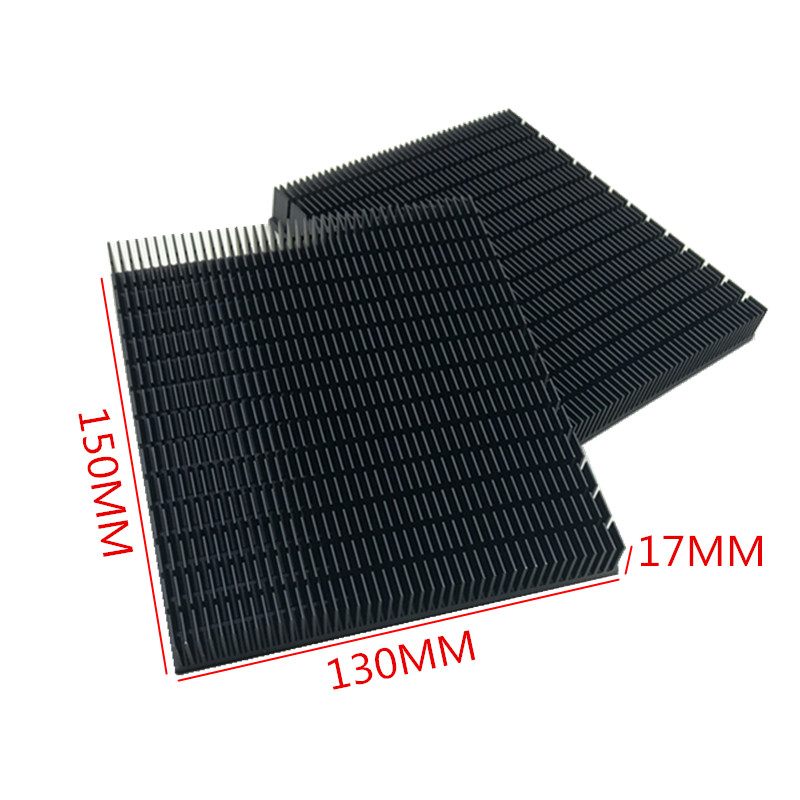
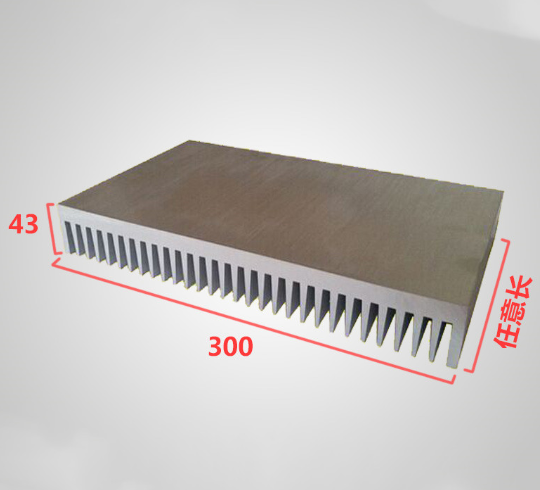
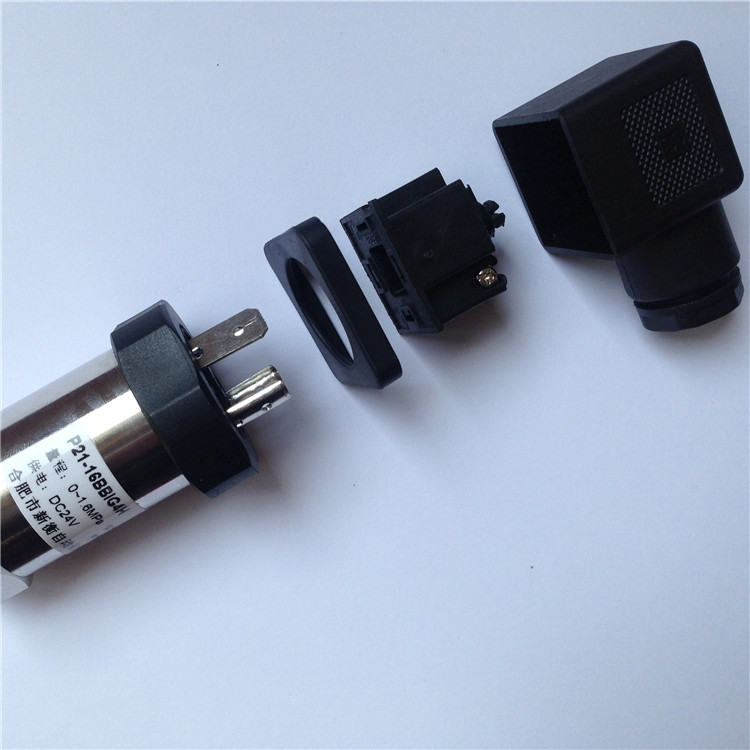
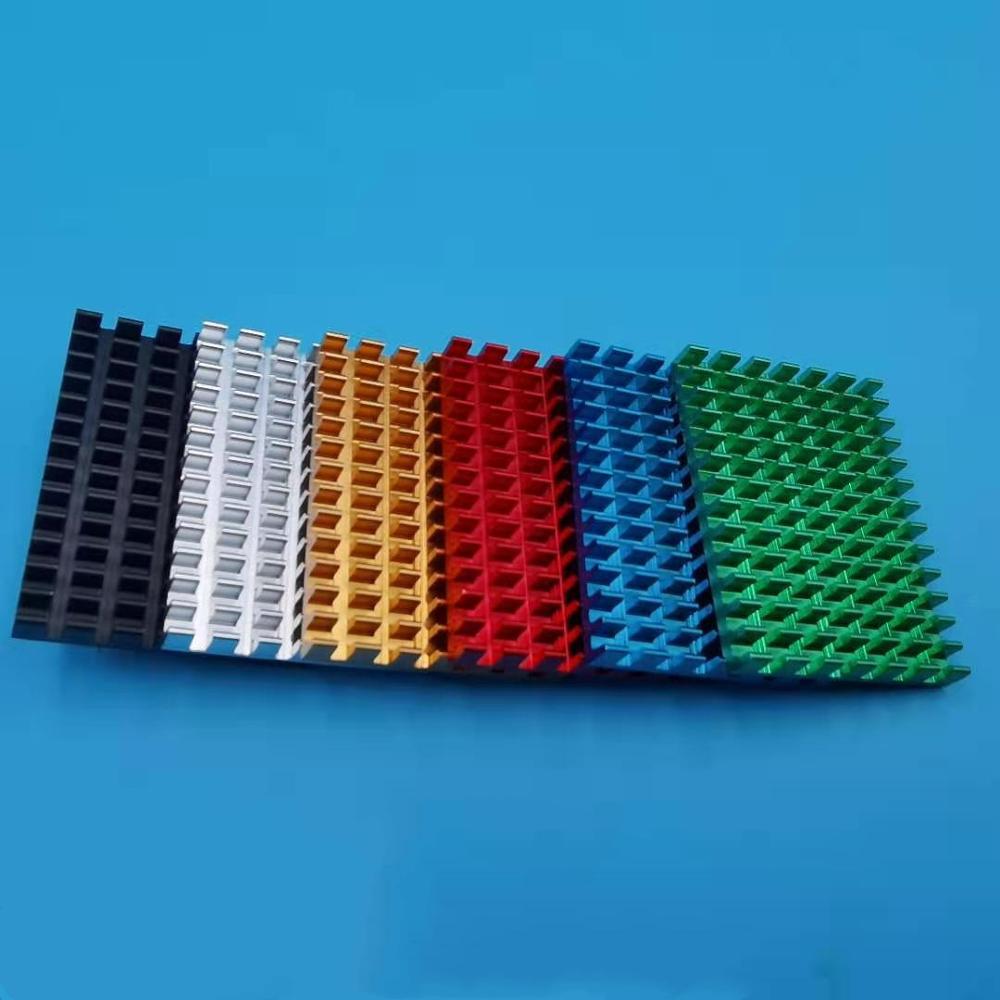
Global electronics buyers are pivoting away from fragmented supply models where one vendor prints the keypad, another etches the PCB, and a third sources cable assemblies. Turnkey procurement consolidates matrix keypads, rigid/flex PCBs, SMT driver modules, heat sinks, and custom wiring into an individually tested sub-assembly under a single purchase order.
- Single point of engineering accountability
- Accelerated DFM iterations and prototype fabrication
- Lower total landed cost and reduced freight overhead
Shenzhen Mivo Electronics Co., Ltd.
Established in 2016 and located in the world's preeminent hardware manufacturing hub in Shenzhen, China, Shenzhen Mivo Electronics Co., Ltd. operates an onsite-verified facility with 51 to 100 dedicated technical personnel. We deliver turnkey electronic manufacturing services—spanning bare PCB fabrication, flexible printed circuits (FPC), aluminum-core boards, component BOM sourcing, and industrial matrix membrane switch assemblies.
Recognized by international engineering buyers for over 8 consecutive years on global B2B platforms with an outstanding 4.7/5 customer satisfaction score, we provide full traceability, Design for Manufacturability (DFM) verification, and small-batch prototype runs starting from just 5 pieces.
Frequently Asked Questions on Matrix Membrane Keypads
Clear, definitive technical and commercial answers addressing common engineering challenges, compliance standards, and lead times.
What CAD files and engineering documentation are needed to quote and manufacture a custom matrix membrane keypad?
- Graphic Artwork: Vector-based files (.AI, .EPS, .CDR, or vector .PDF) specifying exact Pantone/RAL color codes, fonts converted to outlines, clear window locations for LCDs/LEDs, and emboss outlines.
- Circuit Schematic & Layout: Gerber RS-274X or CAD files (.DXF/.DWG) defining trace routing, pinout matrix configuration (Rows vs. Columns), contact pad geometry, and tail pitch (typically 1.0mm, 1.27mm, or 2.54mm).
- Mechanical Stackup Drawing: 2D mechanical specifications indicating total thickness, dome actuation force (e.g., 280g ± 30g), adhesive layers (e.g., 3M 468MP), rear backer plate materials (aluminum or FR4), and connector type (ZIF female, Berg housing, or solder tabs).
How does a matrix membrane switch prevent the "ghosting" phenomenon during multiple key presses?
What are the key differences between Silver-Printed circuits and Flexible Copper Printed Circuits (FPC)?
Flexible Printed Circuits (FPC): Utilizes rolled-annealed copper laminated onto polyimide (PI). Trace resistance is negligible (<1Ω), allowing high-density routing, tight 0.5mm connector pitches, and conventional SMT solder reflow for embedding micro-controllers, status LEDs, and capacitive sensors without risk of solder degradation. FPC is optimal for mission-critical instruments.
How does your factory test and ensure IP65, IP67, and IP68 environmental sealing against fluid intrusion?
- Continuous Perimeter Adhesive Ring: We utilize high-bond industrial acrylic adhesives (such as 3M 200MP / 300LSE) forming an unbroken seal around the entire switch boundary, eliminating seam gaps between the overlay and enclosure.
- Internalized Venting Architecture: Rather than venting key cavities to the outside atmosphere, air-vent channels are routed internally between sealed switch cavities or terminated inside the host housing through an IP67 ePTFE membrane vent.
- 100% Pressure Differential Testing: During QC, finished panels undergo vacuum decay and positive pressure drop testing to verify hermetic integrity against chemical sprays, oil drips, and prolonged water immersion.
What is the minimum order quantity (MOQ) and production turnaround for prototype versus volume orders?
- Prototypes: Pilot builds from 5 to 10 pieces with rapid laser cutting and digital UV overlay printing, bypassing high hard-tooling steel die costs. Typical lead time: 5 to 7 business days.
- Volume Production: Dedicated steel progressive tooling with lead times of 12 to 18 business days for 500 to 50,000+ units, providing scalable unit cost reductions.
Can you incorporate integrated backer plates, display windows, and backlighting into the membrane assembly?
- Backer Plates: CNC-milled 5052/6061 aluminum plates (anodized or chromated), stainless steel backers, or rigid FR-4 PCBs with pre-installed PEM clinch studs for direct chassis mounting.
- Display Windows: Ultra-clear, anti-glare, anti-scratch, or smoked transparent optical windows for OLED, LCD, and seven-segment LED displays.
- Backlighting Technologies: Ultra-thin fiber-optic weave backlighting, discrete SMT top/side-emitting LEDs embedded within the spacer layer, or electroluminescent (EL) lamps for uniform, low-power night operation.