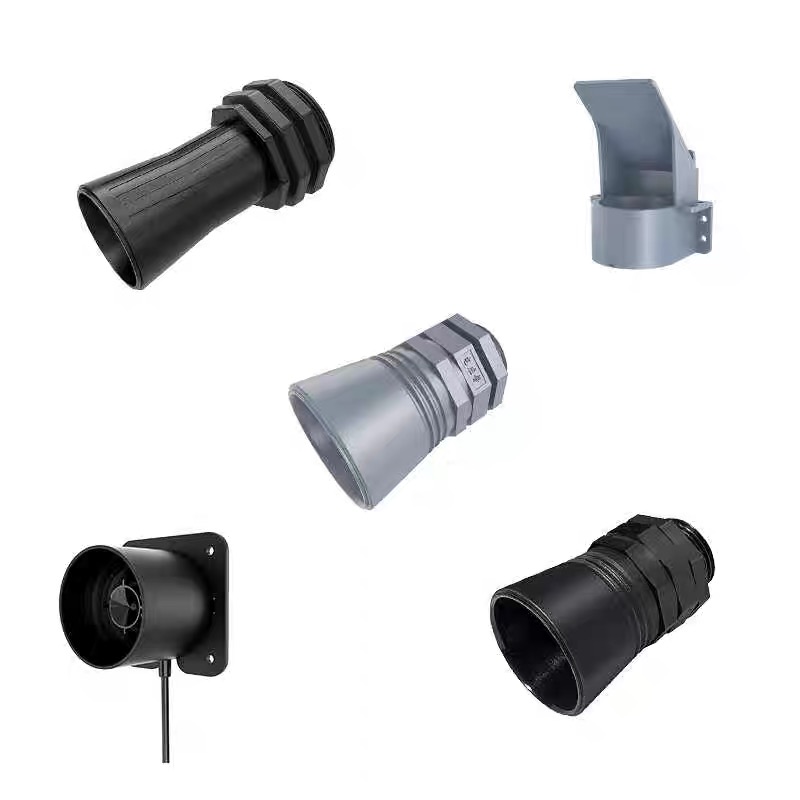
Export Product Showcase
Engineered Hardware & Sensor Solutions Ready for Integration
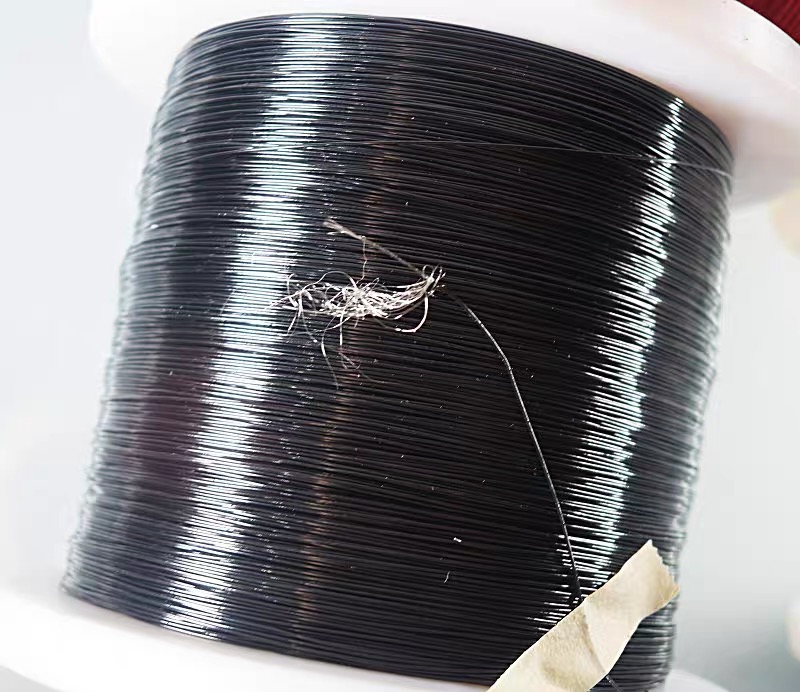
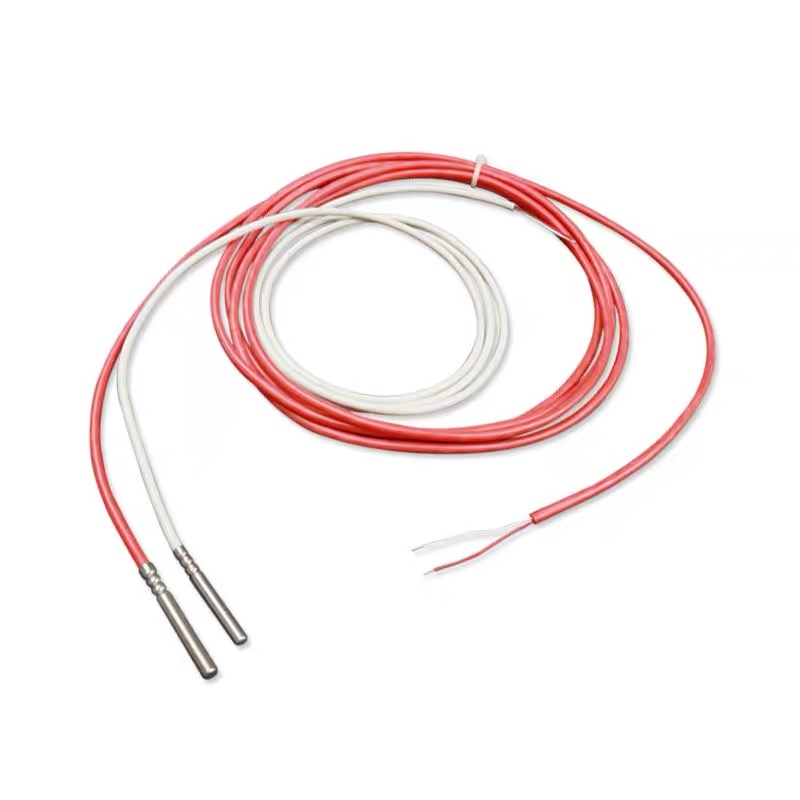
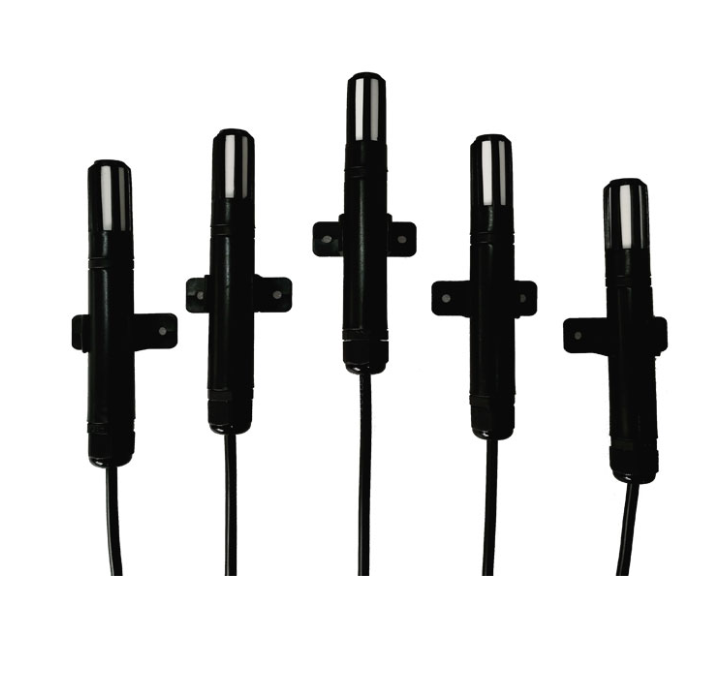
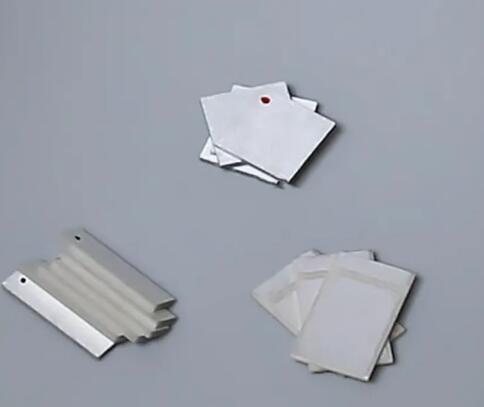
Combining precision human-machine interface (HMI) printing with underlying sensing modules, thermal dissipative architectures, and industrial interconnect lines for complete turnkey execution.
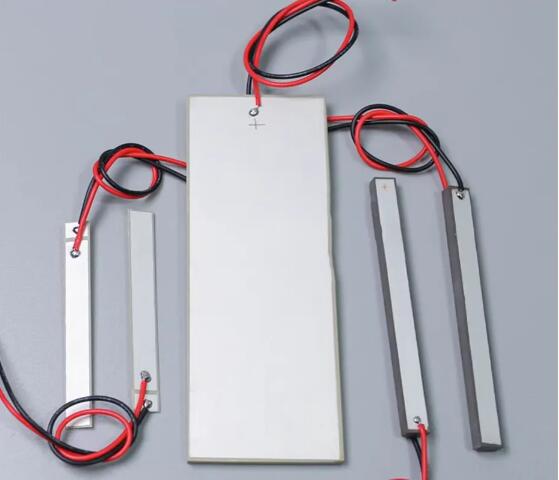
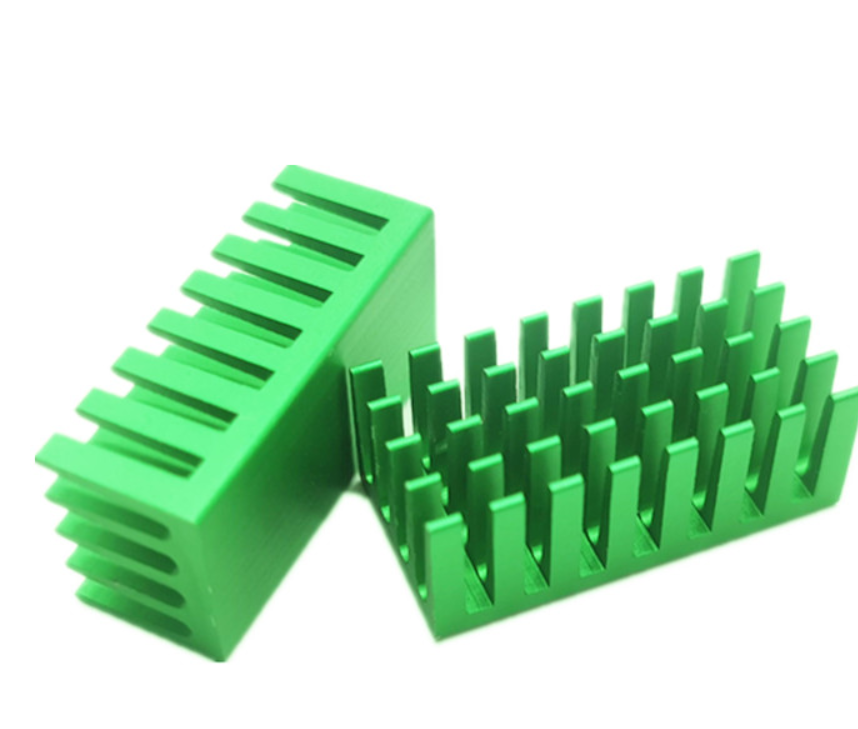
2016
Established in Shenzhen (Verified Onsite)
4.7 / 5
Verified Customer Satisfaction Index
5 Pcs
Rapid Prototyping Low MOQ Threshold
100%
Optical, Dimensional & Circuit Inspection
Technical Whitepaper
Engineering Printed Graphic Overlays: Materials, Ergonomics & Industrial Longevity
A comprehensive guide for procurement leads, HMI design engineers, and systems architects navigating precision printing, selective adhesive engineering, and environmental hardening.
Substrate Physics: Autotex PET vs. Lexan PC
Choosing between biaxially oriented Polyethylene Terephthalate (PET) and Polycarbonate (PC) defines the operational boundary of human-machine interface fascias:
- Polyester (PET): Exceeds 5,000,000 tactile flex actuations; unmatched resistance to hydrocarbons, alcohols, cleaning agents, and aggressive industrial solvents.
- Polycarbonate (PC): Exceptional clarity for optical windows, high mechanical impact resistance, flame retardant ratings (UL94 V-0), ideal for rugged medical housings.
- Hardcoated Textures: Anti-glare, fine-matte, and velvet surface treatments provide selective scratching resistance (3H pencil hardness) and anti-fingerprint properties.
Sub-Surface Printing & Color Precision
To prevent abrasion, graphic iconography is mirror-printed on the reverse interior face of the transparent substrate, sealing pigment beneath the protective film barrier:
- Optical Density Matching: Multi-pass opaque white backing layers prevent backlighting leakage and prevent ghosting from internal PCB solder traces.
- Color Fidelity Management: Strict Pantone Matching System (PMS) and RAL tolerances monitored using X-Rite spectrophotometers under D65 standard illuminants.
- Display Filter Windows: Transparent, smoked, or tinted ink formulations calculated to deliver target wavelength transmission for LCD, TFT, OLED, and 7-segment LED arrays.
Structural Embossing & Tactile Feedback
Tactile response establishes operational confirmation without requiring users to look directly at the interface console during safety-critical workflows:
- Embossing Geometries: Custom thermal-formed dome embossing, rim/perimeter embossing, pillow shapes, and braille features executed via male-female CNC tooling.
- Actuation Integration: Direct mating with stainless steel metal snap domes (tripod, round, four-leg) calibrated between 250g to 450g actuation trip force.
- Haptic Longevity: Controlled dome heights (0.3mm - 0.5mm) prevent material micro-cracking and loss of snap sensation across thermal swings (-40°C to +85°C).
Material Selection Architecture
Technical Comparison: Graphic Overlay Substrates & Adhesive Systems
Engineering guidelines for selecting the optimal plastic film and pressure-sensitive adhesive (PSA) package based on mechanical stress and chemical exposure.
| Performance Vector | Autotex / Autotype PET (Polyester) | Lexan / Makrofol PC (Polycarbonate) | Industrial Acrylic (PMMA) |
|---|---|---|---|
| Mechanical Switch Actuation Life | Exceeds 5,000,000 switch cycles without tensile fatigue or cracking | Typically < 100,000 flex cycles; susceptible to flex embrittlement | Rigid substrate only; non-embossable (panel lens display use) |
| Chemical & Solvent Resistance | Outstanding; impervious to fuels, oils, acetone, IPA, and clinical cleaners | Moderate; vulnerable to aromatic hydrocarbons, ketones, and esters | High optical resistance; sensitive to strong solvents and alcohol wiping |
| Continuous Temperature Range | -40°C to +120°C continuous; peak excursion to 150°C | -40°C to +105°C heat deflection temperature | -20°C to +70°C before softening occurs |
| Surface Hardness & Abrasion | Up to 3H pencil hardness via chemical cross-linked hardcoat | 1H (Standard) to 2H (Hardcoated Lexan HP series) | 3H to 4H inherent surface abrasion resistance |
| Adhesion System Pairing | 3M 467MP (200MP acrylic) for high surface energy smooth metals | 3M 468MP (5.0 mil thicker adhesive) for textured plastics | 3M 300LSE for low surface energy (LSE) polypropylene/powder coats |
Strategic Procurement Intelligence
Future Sourcing & Technological Trends in Graphic Overlays
Market analyses indicating how HMI design, smart factories, supply chain agility, and antimicrobial surface technologies are shifting industrial procurement through 2030.
1. Capacitive Touch & In-Mold Structural Integration (IME)
OEMs are migrating from mechanical switch layers to smooth, uninterrupted capacitive touch interfaces. Printed conductive silver and PEDOT inks printed directly on graphic overlays enable edge-to-edge sleek glass-like aesthetics while maintaining IP67 water-shedding performance in lab instrumentation and commercial kitchen equipment.
2. Certified Antimicrobial & Chemical Sterilization Hardcoats
Accelerated by stringent medical and pharmaceutical sanitation protocols, procurement demand is surging for silver-ion antimicrobial topcoats (ISO 22196 compliant). These coatings continuously degrade microbial membranes, tolerating daily high-concentration quat, chlorine, and hydrogen peroxide spray washdowns without fading graphic legends.
3. Hybrid Sourcing: Turnkey Box-Build Electronic Aggregation
Engineering procurement managers no longer source graphic panels, bare membrane switches, internal sensors, and PCB controllers from isolated suppliers. Consolidating the graphic fascia with turnkey PCB assembly, heat-sink cooling plates, and custom micro-cables cuts international freight, eliminates dimensional tolerances stack-up, and centers accountability.
Total Quality Assurance
End-to-End Graphic Overlay & Assembly Production Flow
Every project passing through our Shenzhen facility follows a rigorous, trackable sequence designed to deliver zero-defect overseas shipments.
01
DFM & File Engineering
CAD, AI, and CorelDraw files undergo layer separation, trapping adjustments, adhesive clearance confirmation, and dome embossing vent-channel routing check.
02
Sub-Surface Silk Screening
Class 10,000 cleanroom printing utilizing optical UV and solvent ink chemistry. Multi-pass ink deposit guarantees strict color density and total light-blocking.
03
Hydraulic Dome Embossing
Precise heated male-female tooling creates consistent tactile keys, rim borders, and LED dead-front indicator positions without crazing the protective substrate.
04
CNC Laser & Die Cutting
High-speed CNC laser or steel rule die cutting pairs 3M adhesive gaskets with ±0.05mm perimeter tolerance, perfectly clearing internal connectors and studs.
Purchasing Guidance
Frequently Asked Questions for Sourcing Graphic Overlays
Direct answers to the most common engineering, commercial, and quality questions submitted by overseas hardware procurement leads.
What engineering design files are required to generate a manufacturing quotation?
To provide a precise quotation and immediate DFM review, we require vector artwork files (Adobe Illustrator .AI, CorelDraw .CDR, vector .PDF, or .DXF) with text converted to curves/outlines. Please specify color callouts in Pantone (PMS) or RAL codes, call out window clarity needs (matte vs. clear), and include a 1:1 mechanical drawing showing dimensional tolerances, dome embossing profiles, and adhesive cutout lines.
How do you ensure proper adhesive selection for low surface energy (LSE) plastic enclosures?
Standard high surface energy adhesives like 3M 467MP perform flawlessly on aluminum and bare steel but fail on textured ABS, polycarbonate, or polypropylene housings. We explicitly engineer laminations using high-tack modified acrylics such as 3M 300LSE or 3M 9472LE. These adhesives flow into microscopic substrate surface textures, resisting debonding across thermal swings (-40°C to +90°C) and heavy humidity.
What is the difference between "dead-front" indicators and standard transparent LED windows?
A standard LED window remains perpetually visible as a translucent or transparent tinted shape. A "dead-front" display window is screen-printed with a tightly calibrated semi-translucent ink formulation that matches the surrounding background color and sheen identically when the backlight is off. The graphic icon or warning text only becomes visible when the underlying LED illuminator energizes from behind.
Can you laminate membrane switches, shielding, and PCB assemblies directly to the overlay?
Yes. Shenzhen Mivo Electronics operates as a unified turnkey electro-mechanical manufacturer. Beyond printing graphic overlay fascias, we fabricate the underlying silver-printed circuit layers, mount stainless steel snap domes, integrate ESD/EMI shielding aluminum or copper foils, install tail connectors (FCI, Nicomatic), and assemble the stack directly onto custom aluminum backer plates or rigid PCBA mainboards.
What are your minimum order quantity (MOQ) and rapid prototype turn-around times?
We support agile hardware development with prototype batches starting from just 5 to 10 pieces utilizing digital flatbed printing and plotter cutting (avoiding upfront steel tooling investments). Prototype orders ship in as fast as 3 to 5 business days. For volume series production utilizing screen printing and hardened dies, typical order runs scale from 500 to 50,000+ units with delivery windows between 10 to 18 business days.
How are environmental, optical, and adhesive reliability verified prior to export?
Every production batch undergoes comprehensive quality control: 100% visual inspection for pinholes and dust contamination under cleanroom lamps, cross-hatch ink adhesion testing (ASTM D3359), optical density spectrophotometer checks, dimensional verification using CNC optical coordinate measuring machines, and mechanical switch life actuation cycling testing.