Featured Electro-Mechanical Components & Industrial Assemblies
Polycarbonate front-panel overlays serve as the vital sensory interface for sophisticated industrial systems. Explore our turnkey manufacturing and component integration lineup, manufactured and exported from our verified Shenzhen facility.
Material Science of Polycarbonate (PC) in Harsh Industrial HMI
Polycarbonate (bisphenol-A polycarbonate) represents the gold standard substrate for graphic overlays, membrane switch panels, and front fascia plates demanding dimensional stability, optical clarity, and impact endurance.
Mechanical Strength & Izod Impact
Polycarbonate delivers exceptional toughness with notched Izod impact strengths exceeding 600–850 J/m. Unlike standard polymethyl methacrylate (PMMA) acrylic which is brittle, or untreated polyester (PET) which exhibits flexural fatigue in heavy gauges, PC withstands repetitive blunt impact from tools, rugged touch input, and dropping without shattering.
- Tensile strength at yield: 60 to 70 MPa
- Flexural modulus: ~2,300 MPa
- Elongation at break: 100% to 150%
Thermal & Dielectric Integrity
With a glass transition temperature (Tg) of 145°C to 150°C and heat deflection temperature (HDT) under 1.8 MPa load up to 135°C, PC overlays operate continuously across extreme industrial ranges (-40°C to +125°C). High dielectric breakdown strength (>30 kV/mm) prevents electrostatic discharge (ESD) transfer into underlying microelectronics.
- Dielectric constant (1 MHz): 2.96
- UL94 flammability ratings: V-2 to V-0
- Linear thermal expansion: 65 × 10−6 /K
Optical Transmission & Selective Textures
Optical grade polycarbonate (such as Lexan™ 8010 or Makrofol®) delivers light transmission up to 89%–91% with minimal haze (<1%). Proprietary surface engineering enables velvet, matte, suede, and brushed finishes on the first surface while maintaining ultra-clear transparent or tinted LCD/OLED/LED display windows.
- Gloss level (60° Gardner): 10% to 90%
- Surface haze rating: 0.5% (Polished) to 55% (Velvet)
- Dead-front stealth illumination capability
| Substrate Chemistry | Impact Resistance | Actuation Flex Life | Chemical & Solvent Resistance | Continuous Operating Temp | Primary Engineering Use Case |
|---|---|---|---|---|---|
| Polycarbonate (PC) Lexan 8010 / Makrofol DE |
Exceptional (>750 J/m) Shatter-proof under load |
Moderate (∼100k cycles) Best for rim/flat embossing |
Moderate; susceptible to aromatics; enhanced via hardcoats | -40°C to +125°C (Tg = 148°C) |
Front fascia plates, medical monitors, rugged industrial equipment, display lens overlays |
| Polyester (PET) Autotex / Melinex |
High tensile strength Moderate impact |
Superior (>5M cycles) Ideal for metal dome keys |
Excellent; resists aggressive hydrocarbons, solvents, acids | -30°C to +85°C (Tg = 78°C) |
High-cycle membrane keypads, harsh chemical processing switches, flex circuit backing |
| Acrylic (PMMA) Plexiglas / Lucite |
Low; prone to cracking and notch fracturing | Zero (rigid only) Cannot be embossed |
Moderate; vulnerable to acetone, alcohols, and stress crazing | -20°C to +80°C (Tg = 105°C) |
Thick optical windows (>2.0mm), instrument lenses, capacitive touch display faceplates |
Engineering Recommendation: Combining Sub-Surface Screen Printing with Precision Texture Selectivity
By printing graphics and functional inks on the reverse (second) surface of the polycarbonate sheet, all icons, warning legends, corporate logos, and color blocks remain permanently insulated behind the durable polymer wall. Abrasion, scratching, cleaning chemicals, and atmospheric contaminants will never compromise the printed layers, guaranteeing legibility over an operational lifespan exceeding 10 years.
OEM/ODM Manufacturing & Conversion Workflow
From CAD vector validation to cleanroom multi-color screen printing, thermoflex embossing, adhesive lamination, and laser die-cutting, our strict Shenzhen facility processes ensure micrometer-level mechanical accuracy.
1. Pre-Press & DFM Review
Engineers analyze vector art (Gerber, CAD, AI, DXF) to optimize dimensional clearances, embossing draft angles (minimum 15°), and LED window chromaticity targets.
2. Class 10k Cleanroom Printing
Reverse-side semi-automatic screen printing utilizing UV-curable, epoxy, or solvent-based functional inks with multi-pass opacity blocking to prevent LED backlight bleed.
3. Selective UV Hardcoating
Application of optical-grade cross-linked polysiloxane or acrylic hardcoats providing 3H to 5H pencil hardness, anti-glare, anti-fingerprint, and chemical resistance.
4. Hydro-Forming / Hot Embossing
Precision matched male/female CNC beryllium copper dies heat-form tactile pillows, rim borders, Braille dots, or custom key switch contours within ±0.05mm height tolerance.
5. Adhesive Conversion (3M™)
Automated laminating of pressure-sensitive adhesives (3M 467MP, 468MP, 300LSE, 9448A) with custom die-cut void zones over switch domes, LEDs, and LCD display viewports.
6. CNC Laser & Tool Die-Cutting
High-speed flatbed steel rule die-cutting, progressive carbide tooling, or multi-axis galvo CO2 laser cutting guaranteeing tight perimeter and connector clearance (±0.10mm).
7. EMI/RFI Shielding Integration
Printing or laminating continuous conductive copper, aluminum foil, or silver ink grilles linked to chassis grounding tabs to reject electromagnetic interference.
8. 100% Optical AOI & QC Audit
Automated Optical Inspection verifies color consistency (CIE ΔE < 0.8), pinhole absence, light leak containment, dimensional tolerances, and adhesion peel force.
Future Procurement Trends in Polycarbonate Overlays (2025–2030)
As industrial automation, medical robotics, and smart energy hardware shift toward intuitive human-machine interfaces, procurement officers and product architects face rapidly evolving technological demands.
Capacitive Sensing Integration
Traditional tactile domes are shifting toward seamless, flush projective capacitive (PCAP) sensing surfaces. OEMs demand polycarbonate overlays optimized with tight dielectric constant control (±0.05) and thicknesses down to 0.175mm to enable responsive multi-touch through thick protective front fascia, even when operators wear heavy gloves or surfaces are wet.
Dead-Front Stealth Lighting
Modern user interfaces favor clean, minimalistic blacked-out designs where status icons, menu text, and alarms remain completely invisible until backlit by LEDs. Achieving crisp dead-front functionality requires micro-calibrated translucent ink formulations with precisely measured optical density (OD 1.8 to 2.4) preventing ambient light reflections from revealing unlit glyphs.
Antimicrobial & Hospital Grade
Post-pandemic healthcare standards demand overlays that actively resist cross-contamination. Sourcing managers increasingly specify PC sheets with inorganic silver-ion antimicrobial additives incorporated into the bulk polymer matrix or topical hardcoats, maintaining 99.9% bacterial reduction (ISO 22196) despite daily wiping with bleach, quaternary ammonia, and IPA.
Bio-Circular Resins & RoHS/REACH
Corporate ESG directives are reshaping resin procurement. Global brand exporters require ISCC PLUS certified bio-circular polycarbonates (derived from post-consumer cooking oils or tall oil) that achieve identical mechanical, optical, and flammability parameters as virgin fossil-based resin while lowering cradle-to-gate carbon footprints by up to 70%.
Shenzhen Mivo Electronics Co., Ltd. – Full Turnkey Integration
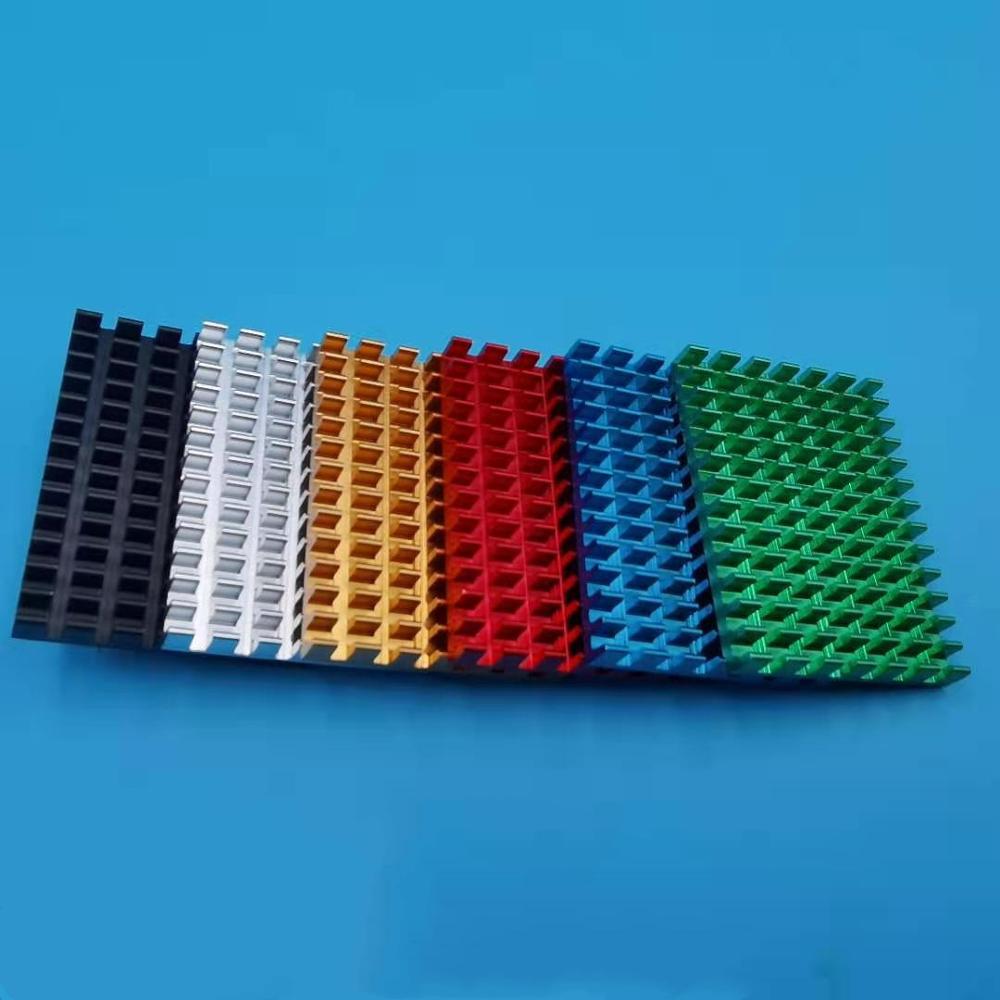
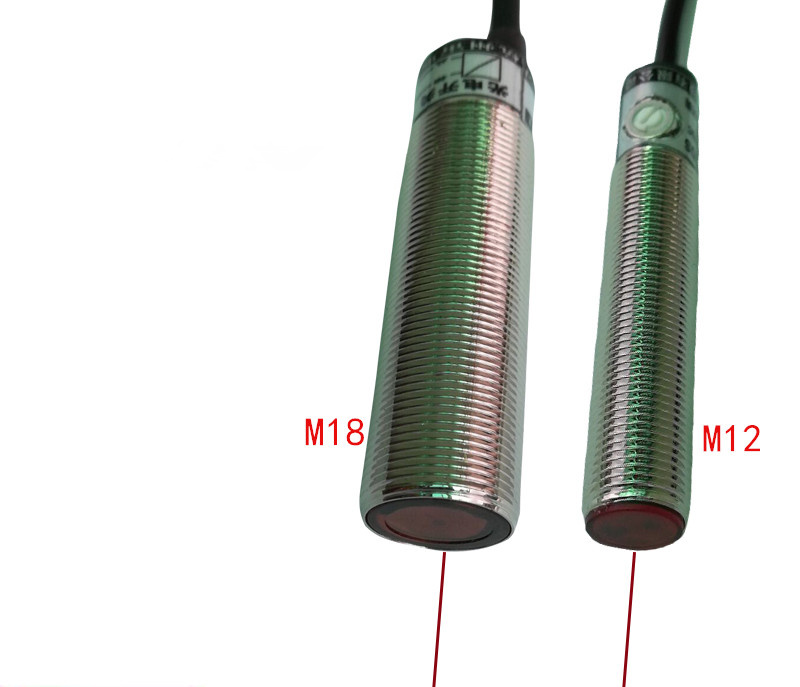
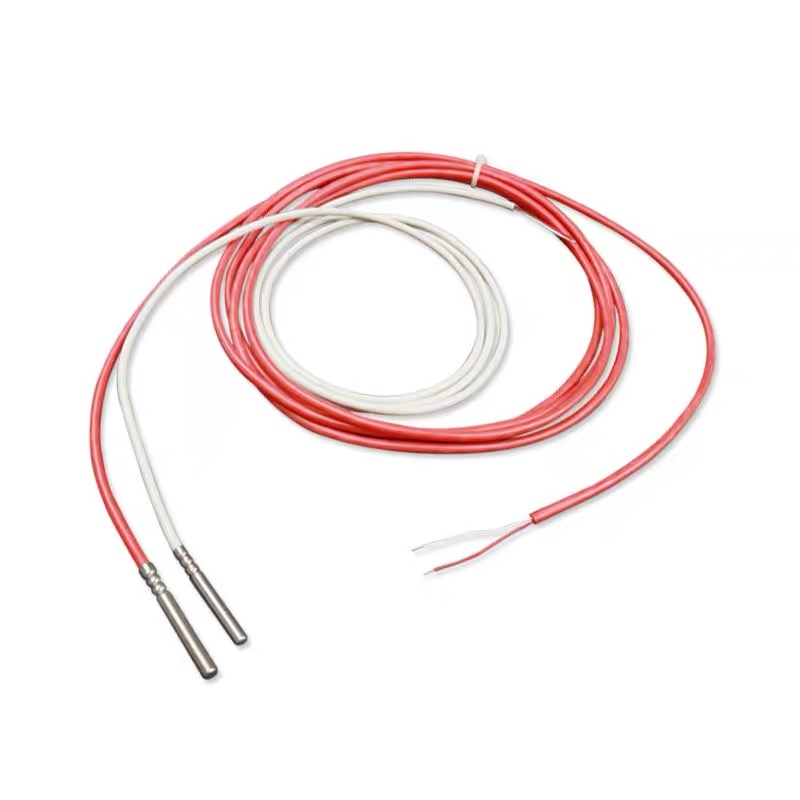
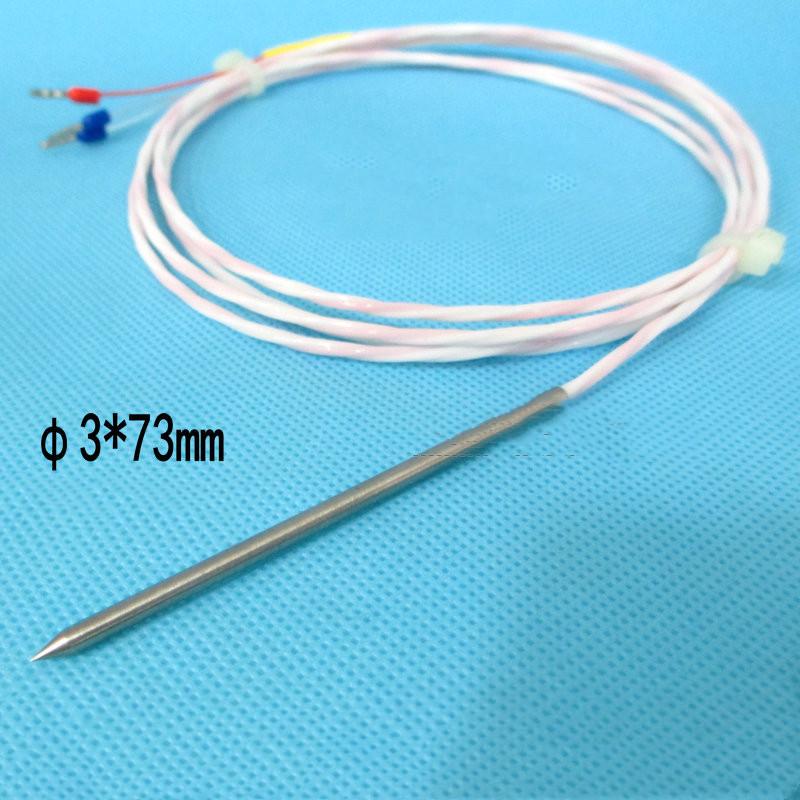
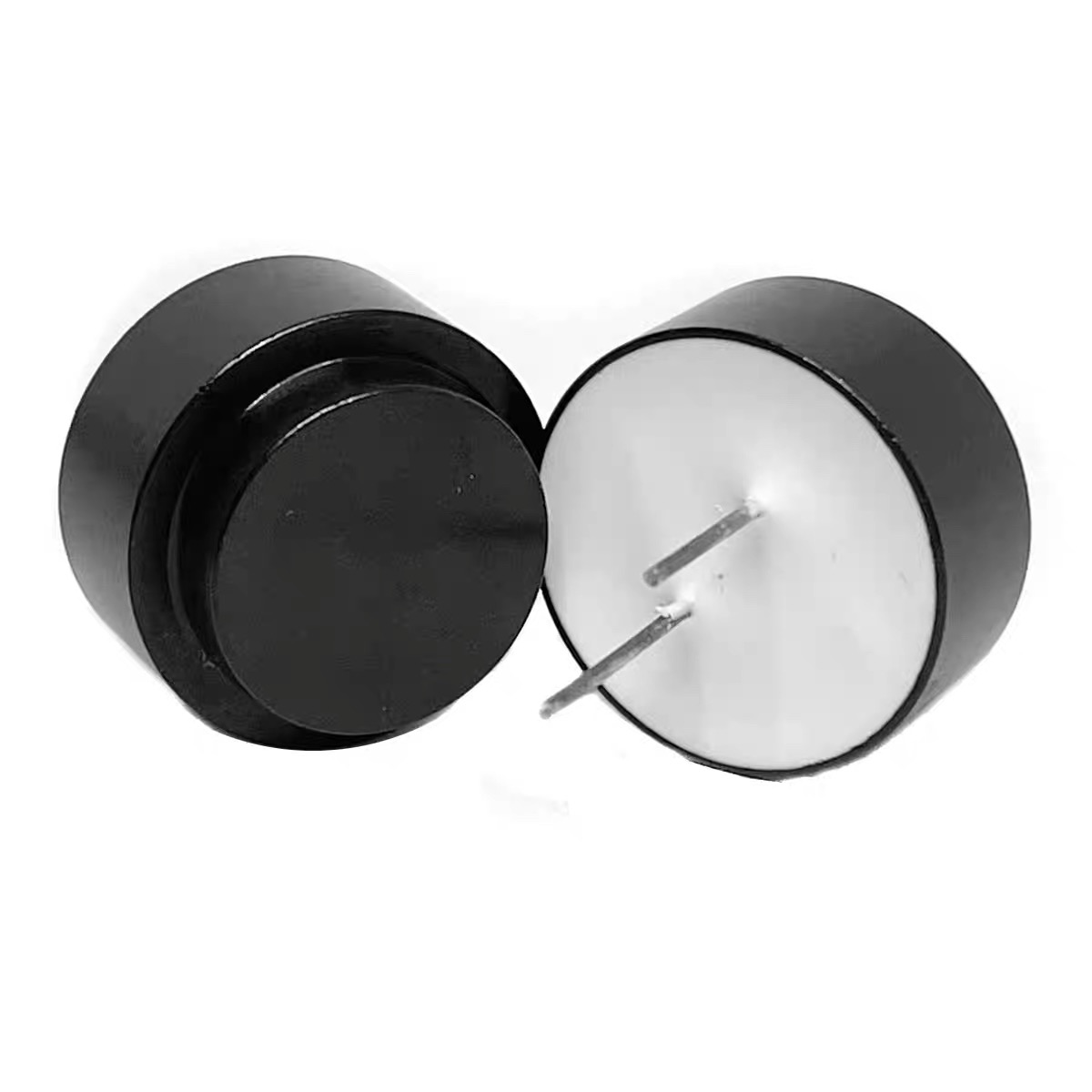
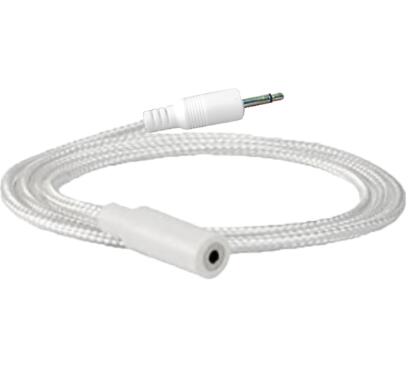
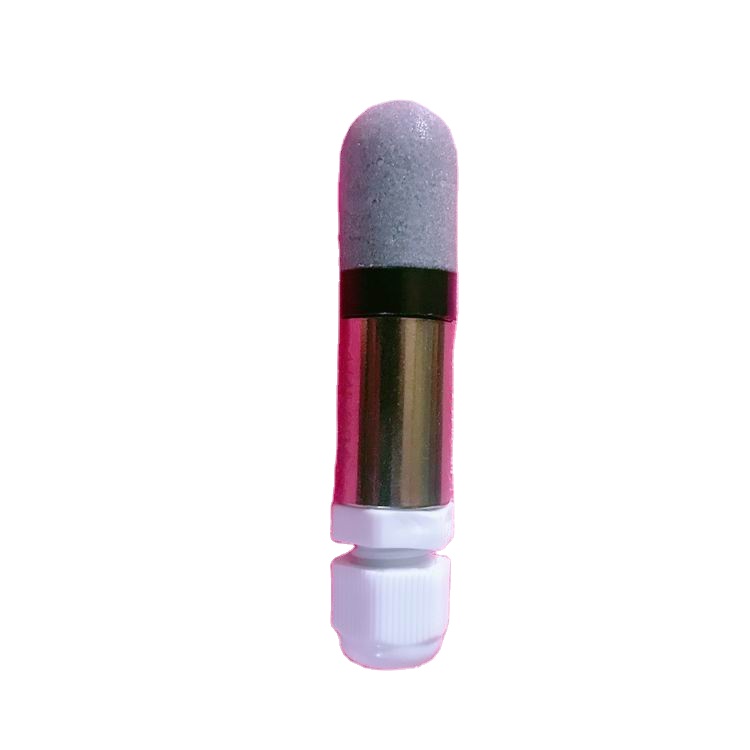
We are not merely a printer; we are an onsite-inspected engineering manufacturer delivering single-source accountability across electronic circuit board assembly, custom sensor development, thermal management hardware, and precision polycarbonate front panels.
One-Stop Turnkey Hardware Synergy
Eliminate the friction of juggling separate vendors for your PCB boards, electronic components, sensor probes, and graphic overlays. Mivo Electronics manufactures the underlying rigid-flex or FR-4 PCB, mounts SMT components, integrates tactile switches, and mates your custom embossed polycarbonate overlay with zero mechanical mismatch.
Onsite-Verified Manufacturing Authenticity
Our industrial facility in Yuanshan Street, Shenzhen, Guangdong, is onsite-inspected and legally verified by independent international third-party certification authorities and Alibaba.com. Buyers gain direct factory pricing, traceable raw material batch sourcing, and transparent production audits without broker markups.
Bilingual DFM & Low-MOQ Prototypes
Our dedicated engineering support team works directly in English with overseas product designers and buyers. We review your artwork, Gerber files, and BOM data within 24 hours. Prototype orders are supported from low minimum quantities (from 5–10 pieces for custom sensors/PCBA and custom overlay trial runs) to mitigate pre-production risk.
Frequently Asked Questions for Global Procurement Teams
Technical guidance to streamline your design for manufacturing (DFM), raw material selection, and production quality audits.
How do I determine whether Polycarbonate (PC) or Polyester (PET) is the right substrate for my graphic overlay?
Which pressure-sensitive adhesive (PSA) transfer tape should be selected for harsh mounting substrates?
What design rules apply to tactile embossing on polycarbonate overlays?
How is dead-front indicator illumination achieved without light bleeding or ghosting?
What file formats and engineering specifications are required to initiate an OEM prototype order?
- Vector graphics file in Adobe Illustrator (.AI), CorelDraw (.CDR), or Vector PDF format with all text converted to outlines.
- Mechanical engineering drawing (.DXF or .DWG) specifying external dimensions, cutout coordinates, embossing borders, and adhesive zone callouts.
- Color definitions using standard Pantone Matching System (PMS) codes or RAL references.
- Substrate thickness (e.g., 0.175mm, 0.25mm, 0.38mm, 0.50mm), surface texture (Gloss, Velvet, Matte), and adhesive type (e.g., 3M 467MP / 300LSE).
Can Mivo Electronics supply the integrated PCBA and sensors alongside custom graphic overlays?
Ready to Engineer Your Custom Polycarbonate Overlay?
Send your drawings, Gerber files, and mechanical specifications directly to our engineering desk. Receive an in-depth DFM assessment, production cost modeling, and rapid sample delivery.