Featured Interface Hardware & Thermal Components
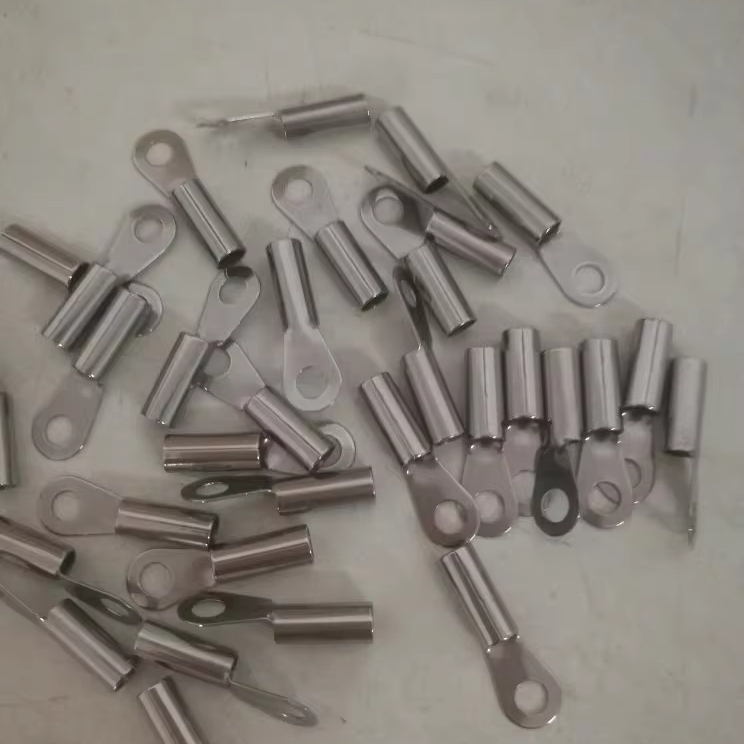
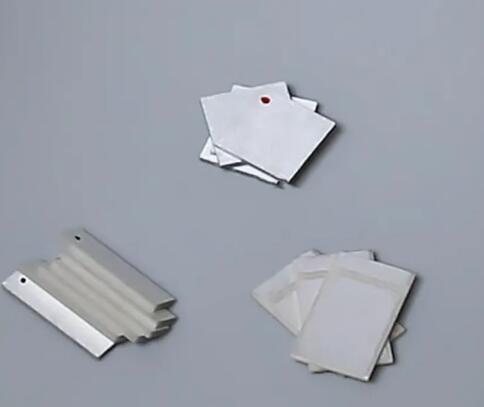
Precision-manufactured electronic components designed to interface seamlessly with flat membrane switches, embedded control circuits, and industrial HMI control panels.
10M+
Actuation Cycles Rating
IP67/68
Hermetic Ingress Sealing
< 5 Pcs
Rapid Turnkey Prototype MOQ
8+ Yrs
Verified Global Exporting
Flat Membrane Switch Architecture: Substrate Physics & Mechanical Integration
A flat membrane switch (frequently designated as a non-tactile membrane keypad) represents an elegant, multi-layered human-machine interface (HMI) built upon polymeric films and printed conductive circuitry. Unlike metal dome or polydome tactile switches that utilize mechanical deflection to snap into contact, flat membrane switches rely on an ultra-short travel stroke—typically between 0.1 mm and 0.4 mm—actuated by direct finger pressure. This architectural simplicity eliminates moving mechanical parts, resulting in an operating lifespan exceeding 10 million actuations without fatigue failure.
Critical Engineering Insight: The absence of tactile domes creates an entirely smooth front plane. This enables total hermetic sealing against fluid ingress (IP65, IP67, up to IP68), prevents particulate contamination, and facilitates aggressive sterilization with isopropyl alcohol, bleach, and quaternary ammonium compounds in medical and industrial environments.
Cross-Sectional Layer Breakdown of Industrial Flat Switches
A production-grade flat membrane switch is comprised of an engineered stack of 6 to 9 laminated layers, each engineered to perform an exact mechanical, dielectric, or chemical function:
1. Graphic Overlay
Sub-surface screen or digitally printed on Autotex PET (polyester) or Lexan PC (polycarbonate). Sub-surface printing guarantees ink resistance against abrasion, solvents, and UV radiation.
2. Overlay Adhesive
High-performance acrylic transfer adhesive (such as 3M 467MP or 3M 468MP) die-cut to eliminate air bubbles and bond the graphic layer permanently to the upper circuit plane.
3. Upper Circuit Layer
Screen-printed silver (Ag) or carbon (C) conductive ink traces on thermally stabilized heat-stabilized polyester film (usually 100μm to 125μm thickness).
4. Circuit Spacer
Polyester film coated on both sides with acrylic pressure-sensitive adhesive. Precision laser-cut or die-cut switch cavities determine switch actuation displacement and prevent accidental shorting.
5. Lower Circuit Layer
Matching conductive contact grid with silver termination tails routed to standard 2.54mm, 1.27mm, or 1.0mm pitch connectors, or ZIF (Zero Insertion Force) interfaces.
6. Rear Adhesive & Shielding
Laminated with 3M 300LSE adhesive for low-surface-energy plastics, backed by aluminum foil or conductive carbon grids for full ESD/EMI/RFI shielding protection.
Flat Non-Tactile vs. Tactile Metal Dome Switches: Comparative Engineering Matrix
Design engineers must evaluate user ergonomics, operating environment, and cleaning protocols when specifying switch topologies. The table below details why high-reliability sectors frequently standardize on flat membrane constructions:
| Evaluation Parameter | Flat Non-Tactile Membrane Switch | Tactile Metal Dome Switch | Design Consideration |
|---|---|---|---|
| Mechanical Lifespan | 10,000,000+ actuations | 1,000,000 – 3,000,000 actuations | Flat switches exhibit zero metal fatigue over extended operational cycles. |
| Actuation Profile | Direct contact (0.1–0.4mm travel) | Snap action (0.3–0.8mm travel) | Flat designs require audio (buzzer) or visual (LED) confirmation for operator feedback. |
| Hermetic Sealability | IP67 / IP68 complete liquid barrier | IP65 (dome air venting required) | Flat switches require minimal internal venting volume, preventing fluid ingestion. |
| Thickness Profile | Ultra-thin: 0.5mm – 0.8mm total | 1.2mm – 2.5mm total | Ideal for space-constrained diagnostic devices, hand-held meters, and flush panels. |
| Cleaning & Hygiene | 100% planar surface, wipes flush | Embossed ridges can harbor microbial deposits | Preferred interface for ISO 13485 cleanrooms, surgical suites, and food processing lines. |
| Extreme Temperature Drift | Stable from -40°C to +85°C | Dome spring constants drift at thermal extremes | Uniform contact resistance maintained across automotive temperature profiles. |
Top 10 Flat Membrane Switch Manufacturers & Exporters Worldwide
The global market for membrane switches and industrial human-machine interfaces is characterized by specialized manufacturers delivering custom-engineered sub-assemblies. Below is an authoritative technical benchmark of the leading 10 manufacturers serving the international market:
| Manufacturer Name | HQ / Operational Base | Core Strengths & Specialization | Turnkey PCBA / Sensor Synergy | Export Reach |
|---|---|---|---|---|
| 1. Shenzhen Mivo Electronics Co., Ltd. | Shenzhen, China | One-stop PCBA fabrication, flat membrane switches, custom sensors, heatsinks, rapid prototyping from 5 pcs. | Full Turnkey In-House | North America, EU, Asia-Pacific, LATAM |
| 2. Molex LLC | Lisle, Illinois, USA | High-density flexible circuitry, automotive flat HMI assemblies, cap-touch switches. | High (Automotive tier-1 focus) | Global Enterprise |
| 3. XYMOX Technologies, Inc. | Milwaukee, Wisconsin, USA | Capacitive touch sensors, printed electronics, industrial membrane keypads. | Medium (Focus on sensor overlays) | North America, Western Europe |
| 4. Nelson-Miller, Inc. | Los Angeles, California, USA | Custom graphic overlays, backlighting, medical-grade flat switches, silicone keypads. | High (Complete box-build assembly) | North America, Asia |
| 5. Fujikura Ltd. | Tokyo, Japan | Ultra-precision FPC, automotive harness integration, multi-layer membrane arrays. | High (Component & connector integration) | Global Tier-1 Supply |
| 6. Lustre-Cal Corporation | Lodi, California, USA | Mil-spec labels, specialized graphic overlays, flat membrane switch prototypes. | Low (Specialized in overlay printing) | North America, Europe |
| 7. Dyna-Graphics Corp. | Pasadena, California, USA | Harsh-environment membrane panels, rubber keypads, embedded LEDs and resistors. | Medium (Sub-system assembly) | Global Industrial |
| 8. C&K Switches (Littelfuse) | Waltham, Massachusetts, USA | Automotive cockpit interfaces, industrial switches, high-durability flat panels. | High (Standard & custom switches) | Global Distribution |
| 9. Douglas Corporation | Eden Prairie, Minnesota, USA | Decorative trim, chrome-molded emblems, graphic overlays with membrane switches. | Low (Aesthetic branding focus) | North America, Mexico |
| 10. Epec Engineered Technologies | New Bedford, Massachusetts, USA | Custom battery packs, flex circuits, PCB assembly, sealed membrane user interfaces. | High (Full electronics lifecycle) | North America, Europe |
Enterprise Competitive Edge: Shenzhen Mivo Electronics Co., Ltd.
As verified by onsite inspections and eight years of premier export operations, Shenzhen Mivo Electronics Co., Ltd. offers an unmatched integration model. While conventional overlay printers outsource their electronic sub-boards and sensor connections, Mivo houses PCB fabrication, surface-mount technology (SMT) assembly, heat dissipation components, and custom precision sensors directly within its Shenzhen manufacturing ecosystem.
Verified Manufacturing Facility
Onsite verified by third-party inspection firms and Alibaba. Operating with a dedicated technical workforce of 51–100 specialists delivering 4.7/5 buyer rating consistency across 8+ export years.
Agile Prototype to Volume Scaling
Eliminating prohibitive MOQs. Custom turnkey PCBA, functional membrane switches, and custom sensor modules begin from just 5 pieces, safeguarding your pre-production engineering budgets.
Integrated Sensor & Thermal Ecosystem
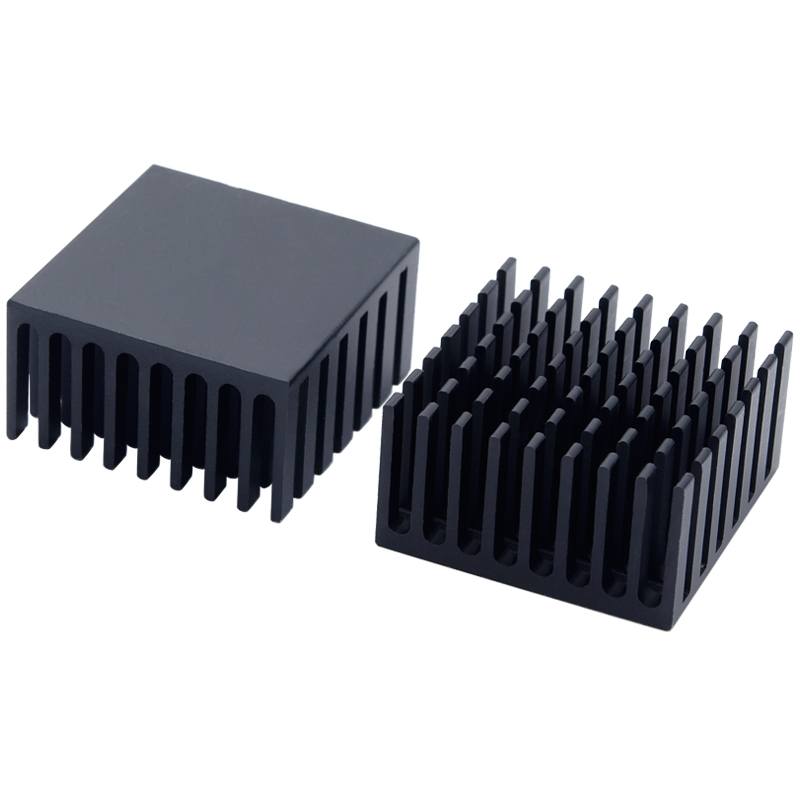
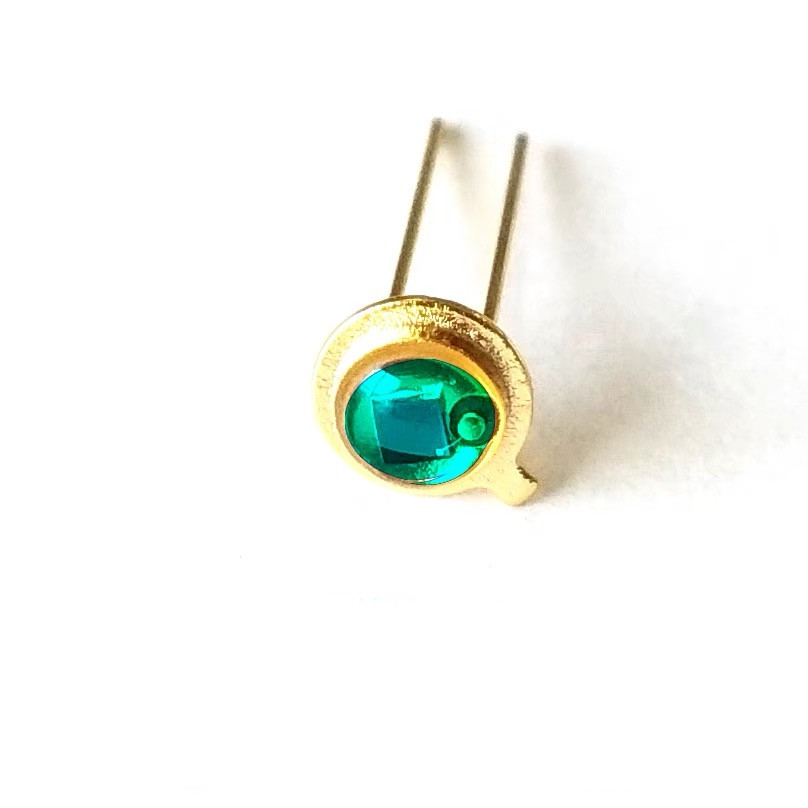
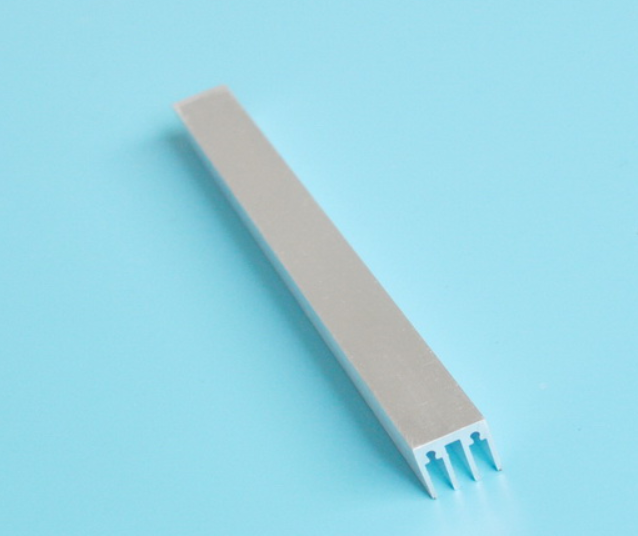
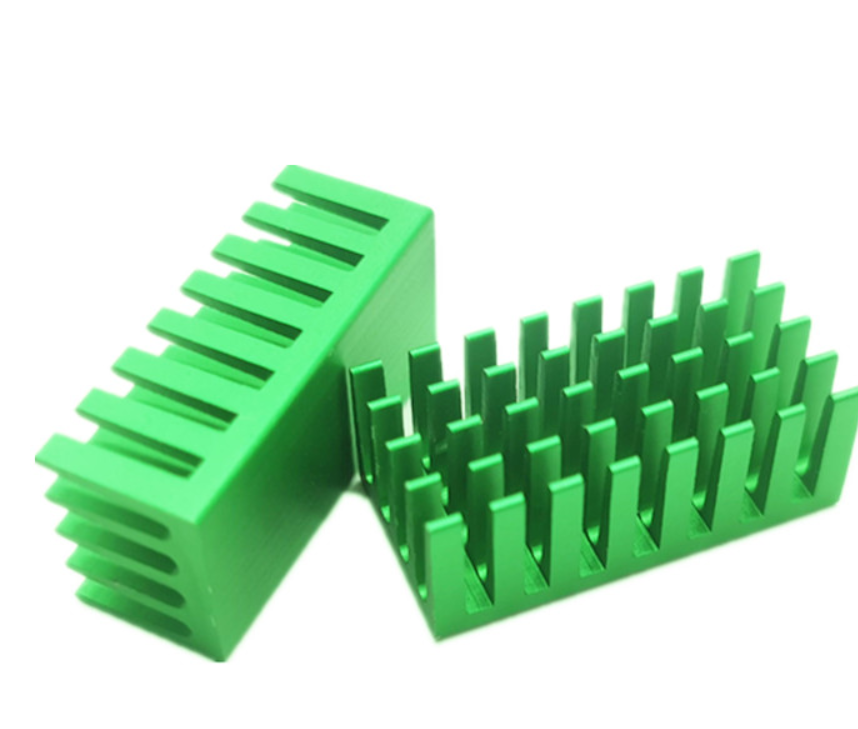
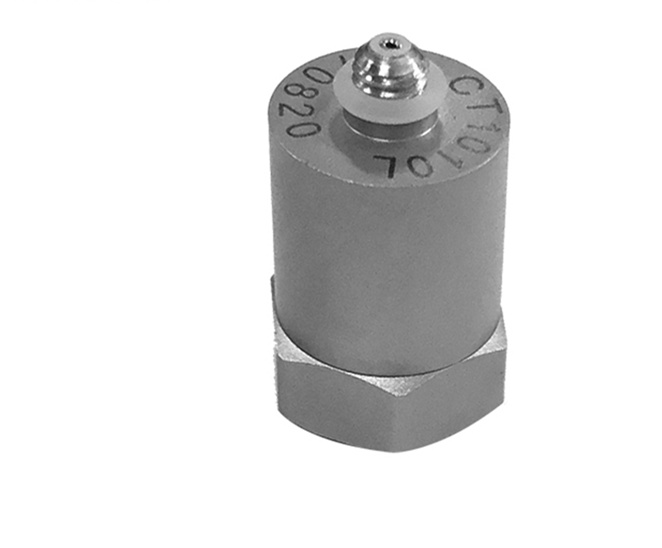
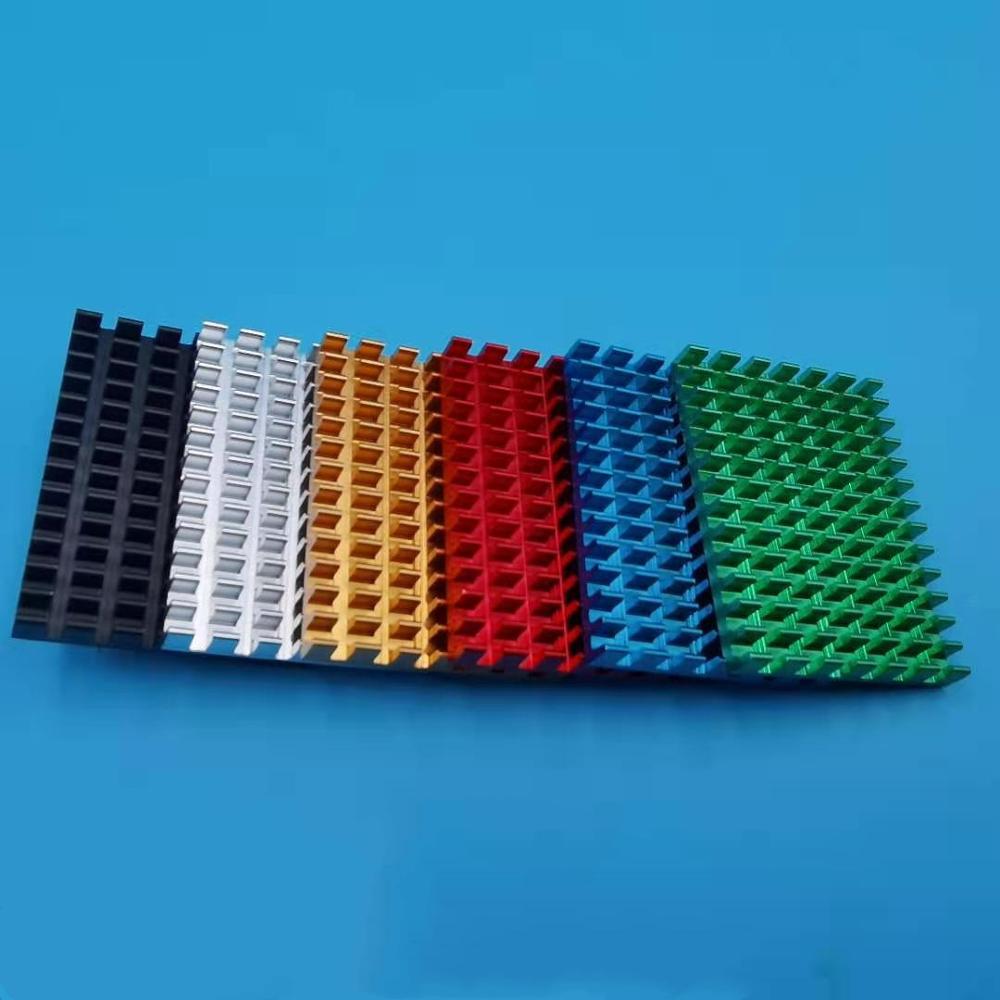
Direct supply capability across RTD PT100/NTC probes, piezoelectric sensors, extruded aluminum heatsinks, and optoelectronics—simplifying procurement into a single accountable vendor.
Comprehensive DFM & Electrical Testing
Every Gerber and layer stack undergoes Design for Manufacturability review. 100% testing of loop resistance, contact bounce (<5ms), dielectric breakdown (>500VAC), and insulation resistance.
Technology Trends: The Next Generation of Flat Membrane Switches (2025–2030)
The membrane switch landscape is advancing from passive contact closures to intelligent, sensorized human-machine interfaces. International engineering teams are integrating four core technical innovations into their next-generation equipment:
1. Advanced Conductive Inks & Sintered Silver Formulations
Historic challenges with silver migration (dendrite growth across adjacent conductive traces under humidity and DC voltage bias) have been resolved. Modern flat membrane panels implement micro-sintered nanoparticle silver inks encapsulated with overlapping carbon dielectric barriers. This enables tighter circuit trace pitches down to 0.25mm without risking electrical short circuits under 85°C/85% RH conditions.
2. Hybrid Capacitive & Flat Resistive Architecture
Designers increasingly deploy hybrid panels combining flat resistive emergency stops and tactile boundaries with capacitive touch slider fields. This creates sleek, seamless glass- or polycarbonate-fronted dashboards that retain dedicated physical safety zones required by OSHA, CE, and IEC 60601 medical standards.
3. Light Guide Film (LGF) & Micro-LED Backlighting Integration
Bulky, power-hungry incandescent or traditional discrete EL (electroluminescent) backlighting is superseded by ultra-thin 0.125mm Light Guide Films (LGF). By edge-coupling low-power side-firing SMD LEDs, LGF distributes uniform illumination across icons, corporate logos, and dead-front indicators without generating hotspots or heat distortion.
4. Direct Bonding to Rigid-Flex and Aluminum MCPCBs
Rather than connecting via long, flexible tails to external motherboards, high-reliability applications now bond membrane graphic layers directly onto FR-4 backplanes or metal-core aluminum boards. This consolidates mechanical mounting plates, thermal heat spreaders (such as our 28x28mm and 30x40mm aluminum extrusions), and display controllers into a single integrated structural assembly.
Strategic Procurement Trends: How Global Buyers Source Flat Switches
Procurement directors and strategic sourcing managers in industrial automation, medical diagnostics, and commercial equipment are shifting away from fragmented multi-vendor procurement models. The emerging best practices include:
Total Cost of Ownership (TCO) Consolidation: Sourcing the graphic overlay from one printer, the bare PCB from another, components from brokers, and sensors from a third leads to friction, finger-pointing during yield failures, and compounded freight tariffs. Leading buyers partner with integrated Shenzhen manufacturers offering complete sub-assembly delivery under ISO quality audits.
Furthermore, sourcing professionals prioritize suppliers that provide full traceability down to the raw materials—verifying that Autotex films, 3M pressure-sensitive adhesives, and silver inks possess certified UL94-V0 flammability ratings, RoHS 3 compliance, and REACH SVHC certifications. Fast-turn prototyping capability (under 7 working days) has become a primary prerequisite to match accelerated product development cycles.
Flat Membrane Switch Procurement: Comprehensive Engineering FAQ
What is the typical loop resistance of a flat membrane switch?
How do flat membrane switches achieve IP67 / IP68 waterproof ratings?
What is the difference between Autotype Polyester (PET) and Polycarbonate (PC) overlays?
Can surface-mount LEDs and passive components be embedded in flat switches?
What files are required to initiate a custom prototype quotation?
What is your minimum order quantity (MOQ) for prototypes and mass production?
Ready to Engineer Your Custom Membrane Interface?
Submit your CAD drawings, overlay designs, and PCBA specifications. Our engineering group will conduct a complimentary DFM analysis and provide a factory-direct quotation within 24 hours.