Featured Sensors, Enclosure Thermal Coolers & Transducers
Engineered to work seamlessly alongside membrane switch user panels, embedded control boards, and industrial instrumentation systems.
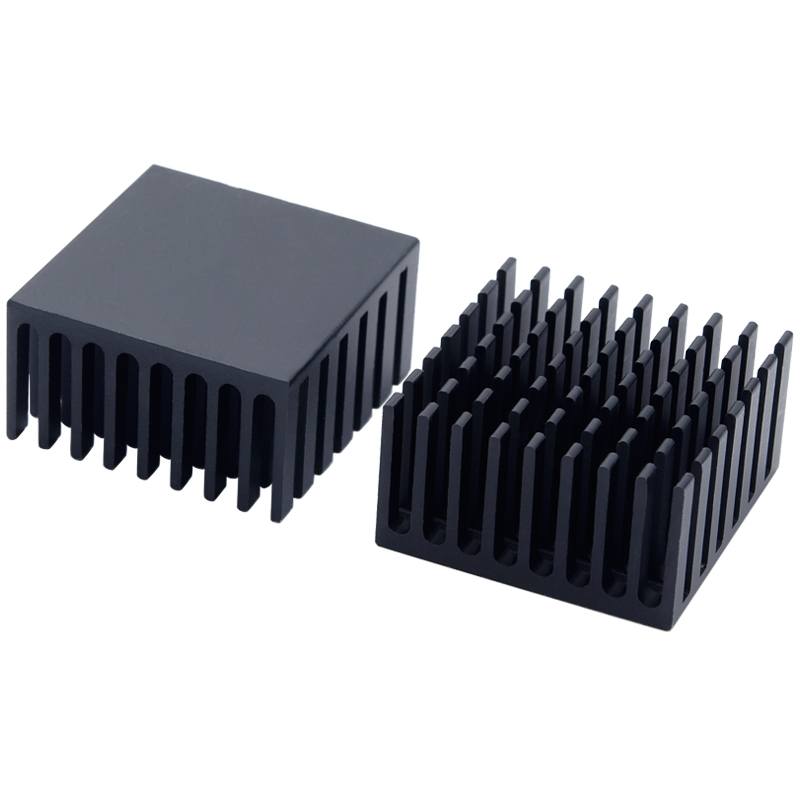
28*28*15mm Heatsink Cooling Fin Aluminum Heat Sink Radiator Cooler
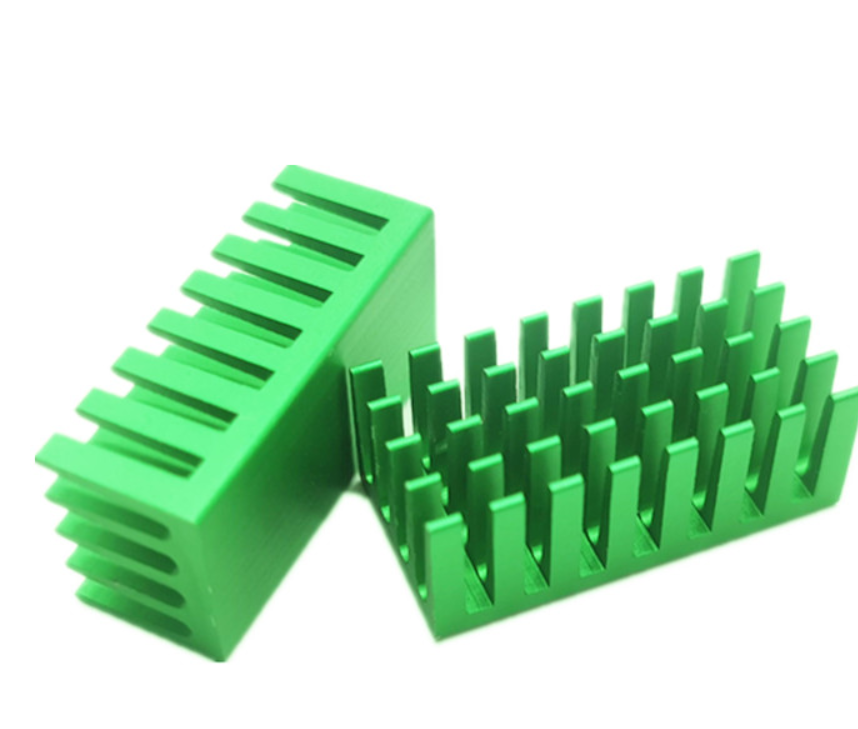
Electronic Chip Radiator 28*14*11MM Graphics Card Custom Aluminum IC Heat Sink
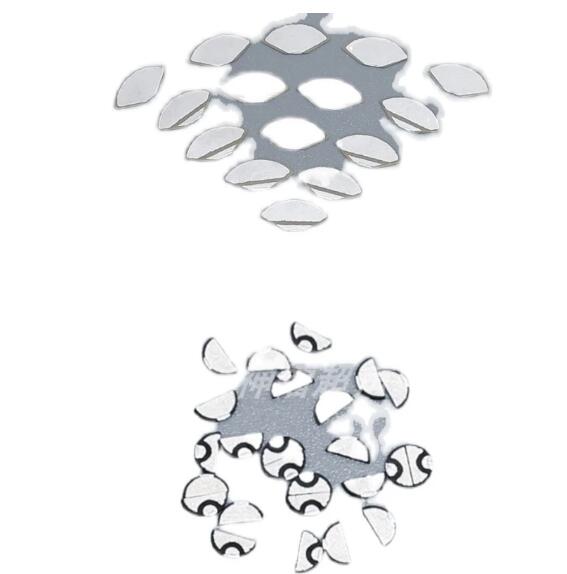
PZT Profiled-shape Piezoelectric Ceramic Waveguide Multi-frequency Sensor
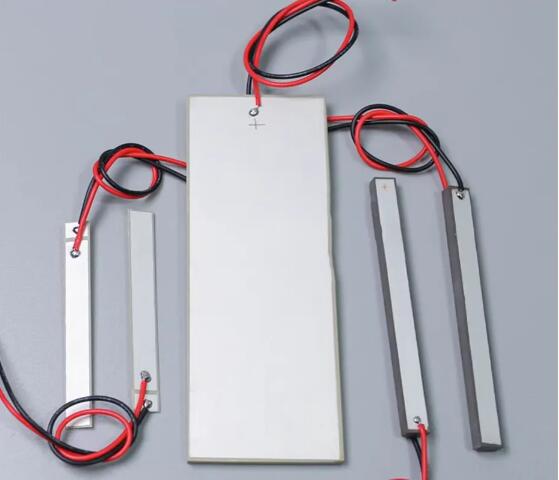
Piezo Ceramic Element PZT Long Strip Ultrasonic Transducer Hydroacoustic Wafer
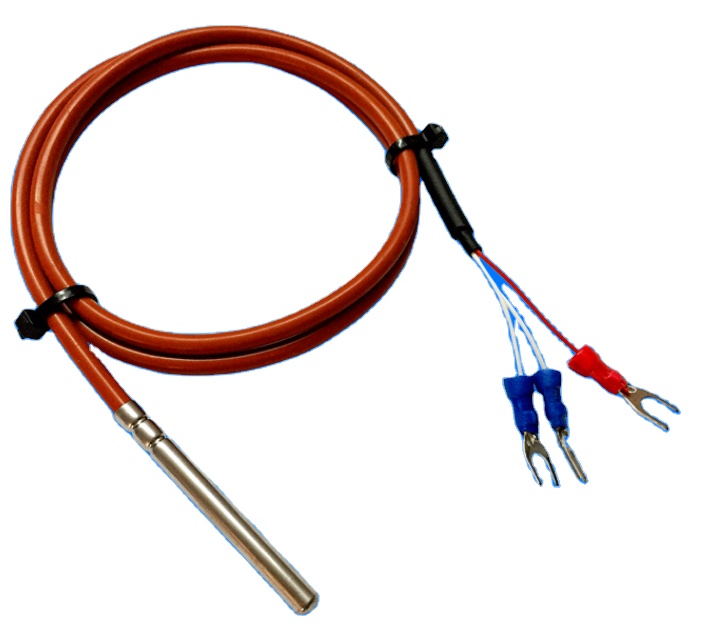
PT100 RTD Temperature Probe 5mm*50mm 3-Wire Silicone Waterproof Platinum Resistor
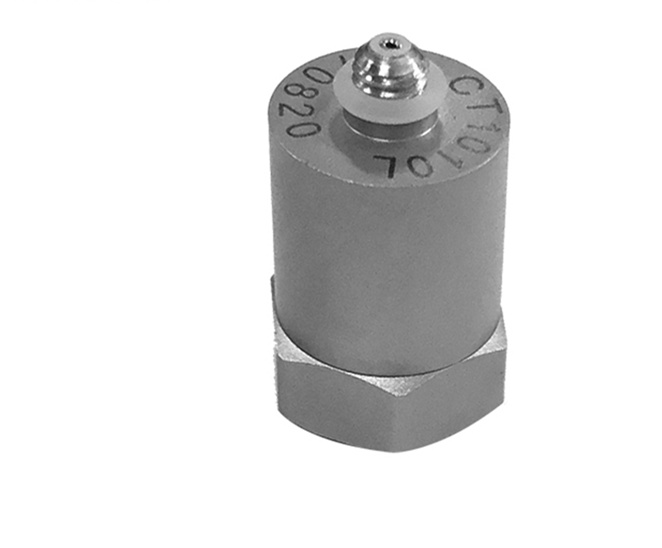
Output M5 CT1010L ICP/IEPE 0.5-5000Hz Piezoelectric Accelerometer Sensor
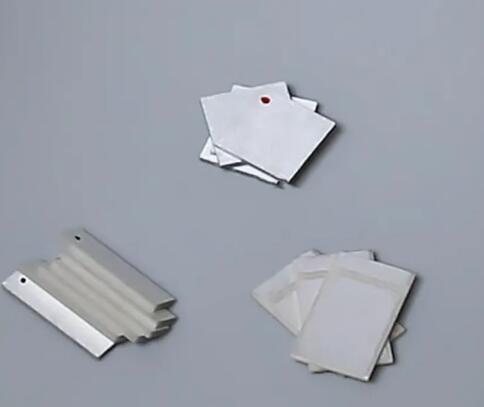
PZT Shear Plate D15 Mode Gold-Plated Shear Wave Piezoelectric Ceramic Plate
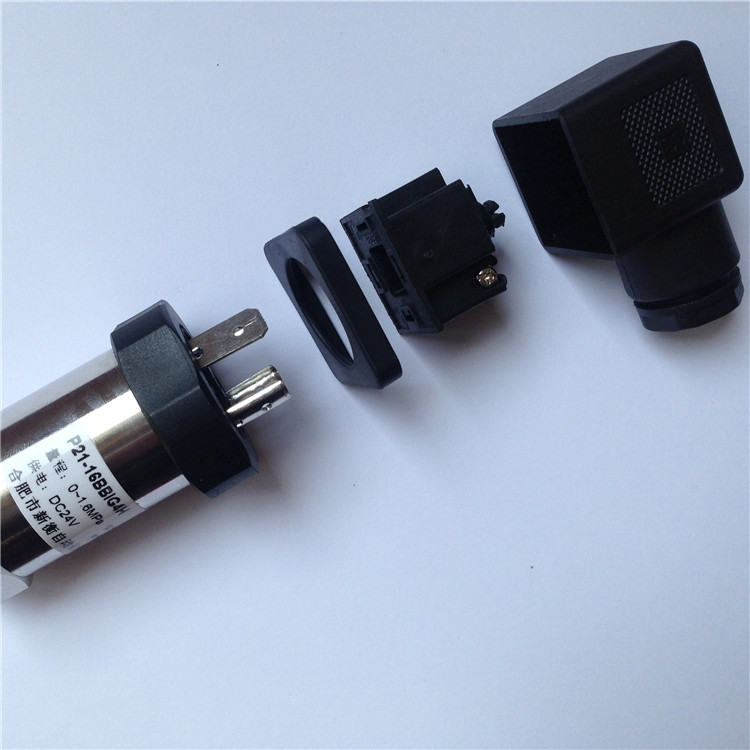
4-20mA / 0-5V Diffusion Silicon Constant Water Supply Pressure Sensor Core
Strategic Procurement Analysis: Non-Tactile Membrane Switch Architectures in High-Reliability HMIs
In modern industrial automation, clinical healthcare diagnostics, aerospace avionics, and cleanroom instrumentation, human-machine interface (HMI) reliability cannot be compromised. While tactile membrane switches utilize stamped metal or polyester domes to produce an audible "snap" and physical displacement upon actuation, non-tactile membrane switches employ completely flat conductive contact planes. By eliminating mechanical flexing metal parts, non-tactile switches remove the single greatest mechanical failure vector in high-cycle keypads, achieving operational lifespans exceeding 5 to 10 million switch operations without mechanical fatigue.
The absence of internal mechanical travel allows designers to build ultra-thin control panels (often under 0.8 mm total thickness) with continuous hermetic sealing. When combined with custom printed graphic overlays in autopsy-grade polyester (PET) or chemical-resistant polycarbonate (PC), non-tactile assemblies naturally meet IP65, IP67, and even IP68 ingress protection standards. However, because non-tactile keys offer no inherent physical feedback, user verification relies on integrated optical cues (sub-surface LEDs, light guide films), acoustic beepers embedded on the host PCBA, or visual digital display confirmation.
Top 10 Non-Tactile Membrane Switch Manufacturers & Suppliers
Procuring membrane switches requires balancing precision screen printing, material stability, electronic assembly integration, and prototyping agility. Below is an engineering review of the ten leading global manufacturers and suppliers recognized for excellence in non-tactile membrane interface manufacturing.
| Manufacturer / Supplier | Headquarters | Core Competencies & Substrates | Ingress Rating | Best Fit Application |
|---|---|---|---|---|
| Shenzhen Mivo Electronics Co., Ltd. | Shenzhen, China | Turnkey PCBA, custom sensors, low-MOQ (5 pcs) PET/FPC non-tactile panels, SMT stencils | IP67 / IP68 Sealed | Medical devices, industrial robotics, custom sensor-integrated HMI assemblies |
| Molex LLC | Lisle, IL, USA | Automotive grade capacitive touch, copper flex circuits, ultra-dense interconnects | IP65 / IP67 | Automotive dashboards, military avionics, tier-1 industrial systems |
| Fujikura Ltd. | Tokyo, Japan | High-density FPC printing, ultra-thin polymer thick film (PTF) traces, optical lamination | IP66 / IP67 | Precision instrumentation, ultra-compact telecommunications equipment |
| Boyd Corporation | Pleasanton, CA, USA | Engineered thermal materials, optical bonding, rugged graphic overlays | IP67 / NEMA 4X | Outdoor defense systems, extreme-temperature field equipment |
| Nelson-Miller, Inc. | Los Angeles, CA, USA | Custom graphic design, metal backplates, backlighting light guide film (LGF) | IP65 | Commercial catering electronics, aerospace instrumentation panels |
| XYMOX Technologies | Milwaukee, WI, USA | High-speed roll-to-roll screen printing, transparent capacitive sensor arrays | IP65 | Smart appliances, fitness console interfaces, consumer white goods |
| Langer EMV-Technik | Bannewitz, Germany | Shielded electromagnetic compatibility (EMC) overlays, RF-hardened panels | IP65 / IP67 | Laboratory testing stations, high-voltage substations, medical imaging |
| Synergy Electronics Technology | Taoyuan, Taiwan | Cost-optimized silver conductive pastes, silicone rubber keypads over membrane | IP65 | Industrial scales, telecom modems, point-of-sale (POS) terminals |
| C&K Switches (Littelfuse) | Chicago, IL, USA | Automotive certified switches, custom cable harnesses, interface modules | IP65 / IP67 | Agricultural machinery control panels, construction vehicles |
| Hoffmann + Krippner | Buchen, Germany | Precision printed potentiometers, hybrid non-tactile printed electronics | IP67 / IP69K | Pharmaceutical cleanrooms, marine bridge control consoles |
Anatomy and Physics of Non-Tactile Membrane Switches
A non-tactile membrane switch is a multi-layer composite engineered through precision adhesive lamination and micro-deposition of conductive silver or carbon ink traces. Understanding the micro-mechanical assembly of each layer allows procurement specialists to identify failure points before tooling commences.
1. Graphic Overlay & Surface Chemistry
Sub-surface screen-printed Autotype polyester (PET) or Lexan polycarbonate (PC). Sub-surface printing guarantees ink cannot be abraded away by cleaning solvents, saline sanitizers, or UV exposure.
2. Upper & Lower Circuit Layers
Screen-printed silver polymer thick film (PTF) inks on optical grade PET films, or photo-etched copper traces on Kapton/polyimide flexible printed circuits (FPC) for high-vibration applications.
3. Precision Spacer & Air Channels
3M 467MP/468MP high-performance acrylic adhesive film die-cut with venting micro-channels. These channels equalize atmospheric pressure shifts during altitude changes, preventing spontaneous ghost-firing.
Because there is no tactile dome to deform, actuation takes place when an operator applies downward pressure (typically 1.5 to 3.0 N) on the overlay. The flexible upper circuit deflects across the thin air gap (0.075 mm – 0.125 mm) established by the die-cut spacer, closing the loop against the lower contact pad. Once finger pressure releases, the natural elastic memory of the polyester substrate forces the upper contact plane back to its resting state.
Key Technological Developments Transforming Membrane Switch Procurement
Procurement teams must prepare for significant shifts over the 2025–2030 product cycle. Here are the core technological innovations driving supplier evaluation today.
Hybrid Capacitive-Membrane Panels
Suppliers are integrating printed capacitive touch sensor traces underneath traditional graphic overlays. This permits multi-touch swiping, water-rejection firmware algorithms, and modern gesture controls while retaining the physical thinness of flat membrane switches.
Antimicrobial & Self-Healing Overlays
Hospital-acquired infection (HAI) mandates require continuous disinfection. Novel overlay films embed silver nano-ions directly into the polymer matrix, neutralizing 99.9% of bacteria and viruses without degrading under isopropyl alcohol, quaternary ammonium, or hydrogen peroxide wipes.
Integrated Light Guide Film (LGF)
Replacing localized bulky LEDs with side-firing micro-LEDs linked to ultra-thin Light Guide Films. LGF distributes uniform illumination across complex iconography and legends with a total thickness under 0.25 mm, preventing hotspot glare and battery draw.
Shenzhen Mivo Electronics Co., Ltd.
Founded in 2016 in Shenzhen, Guangdong, Mivo Electronics bridges the gap between precision membrane keypad printing, custom sensor manufacturing, and turnkey PCBA surface-mount assembly. While large suppliers impose rigid MOQs of 5,000+ units, Mivo supports engineering prototypes starting from just 5 pieces, offering full traceability and DFM file audits.
- Onsite Checked Factory Premises
- 8-Year Verified Supplier Status
- 51–100 Experienced Engineers & Staff
- Gerber, BOM & Layer Stackup DFM
- End-to-End PCBA + Sensor Integration
- Verified Buyer Rating of 4.7 / 5
Have a Custom Project?
Upload your artwork, Gerber CAD, or BOM. Our engineering team reviews switch tolerances within 24 hours.
Contact UsCritical Engineering Checkpoints for Non-Tactile Switch Sourcing
When preparing procurement packages for custom non-tactile membrane switches, failing to specify critical physical and chemical parameters leads to costly tooling revisions. Procurement managers should enforce the following specifications:
1. Conductor Silver Migration Protection: In high-humidity environments, DC voltage across adjacent silver traces can cause silver dendritic crystal growth (silver migration), eventually producing short circuits. Specify minimum trace spacing of 0.5 mm, or require overprinting silver conductors with a protective carbon ink barrier or UV-cured dielectric coating.
2. ESD Shielding Layers: Electrostatic discharge from human operators can reach up to 15–20 kV in dry environments. Non-tactile switches intended for microprocessor interfaces require a dedicated internal ESD shielding layer—either printed conductive grid patterns tied to chassis earth ground, or a solid aluminum foil/mylar shield.
3. Tail Termination & Connector Pitch: Specify whether the flex tail connects via a zero-insertion-force (ZIF) connector (usually 0.5 mm or 1.0 mm pitch on polyimide FPC) or a female crimp-contact housing like Nicomatic / FCI Clincher (2.54 mm pitch on PET silver ink). Polyimide tails offer superior cyclic bend endurance compared to standard polyester film.
Frequently Asked Questions: Membrane Switch Procurement
Direct answers to the most common technical and operational questions posed by global procurement managers and hardware engineers.