Featured Industrial Components & Sensor Assemblies
Engineered to integrate seamlessly with custom printed front panels, industrial control dashboards, and intelligent monitoring hardware.
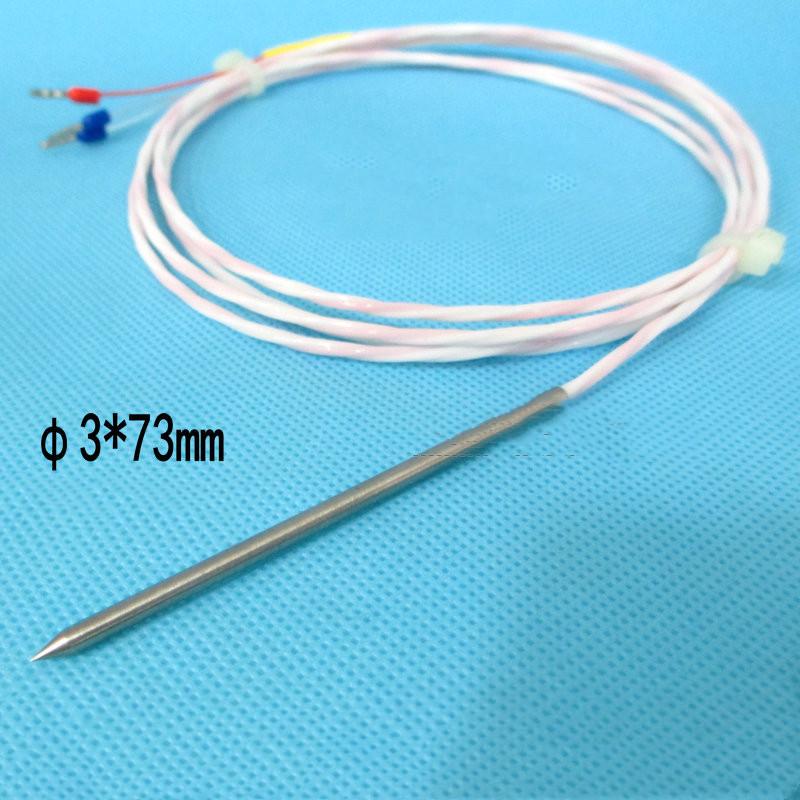
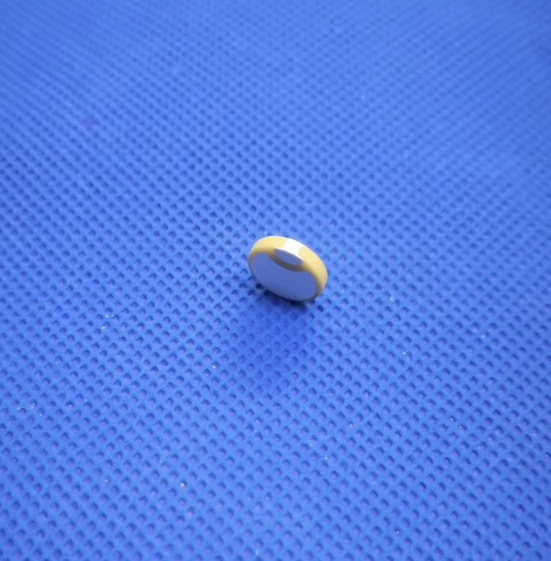
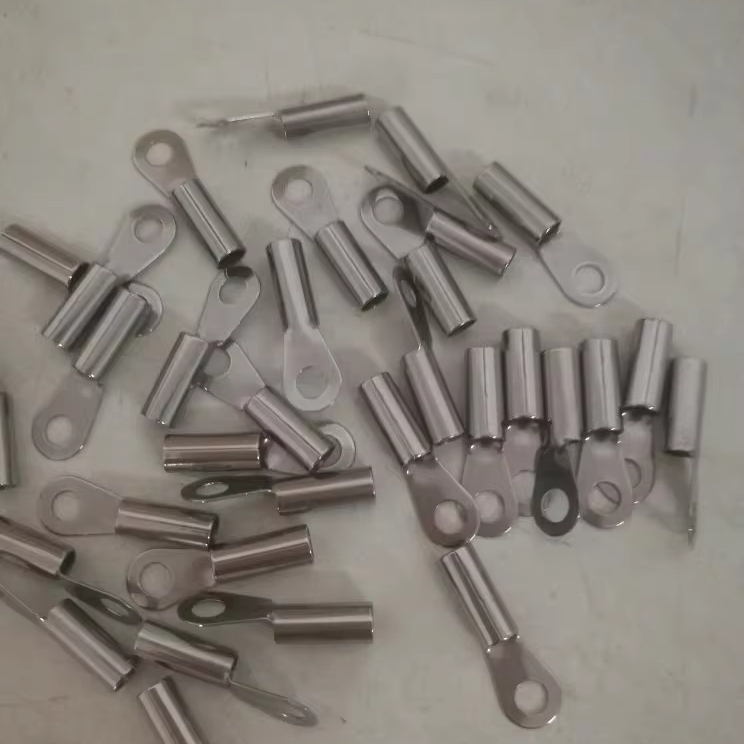
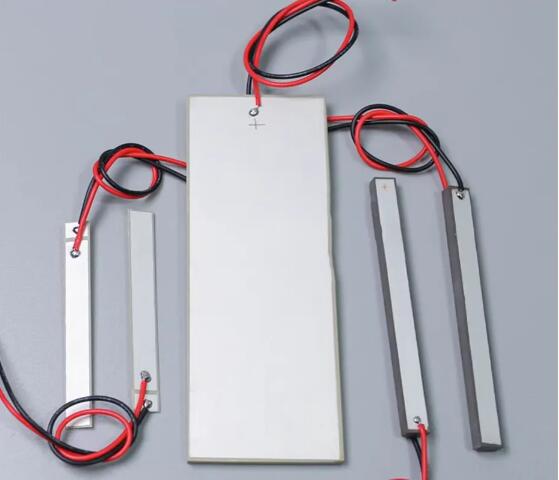
Shenzhen Mivo Electronics: Engineering Authority & Supply Chain Dominance
Headquartered in the heart of Shenzhen’s advanced electronics manufacturing ecosystem (Yuanshan Street), Shenzhen Mivo Electronics Co., Ltd. operates as a fully onsite-verified manufacturer and exporter. With an active engineering infrastructure and verified physical facility operating since 2016, Mivo bridges the critical gap between front-panel human-machine interfaces (HMI), printed graphic overlays, sub-surface tactile circuit layers, and turnkey PCB assembly (PCBA).
2016
Established & Onsite Audited
4.7 / 5
Verified Buyer Satisfaction Rating
5 Pcs
Ultra-Low MOQ for Prototypes
8+ Yrs
Global Exporting Track Record
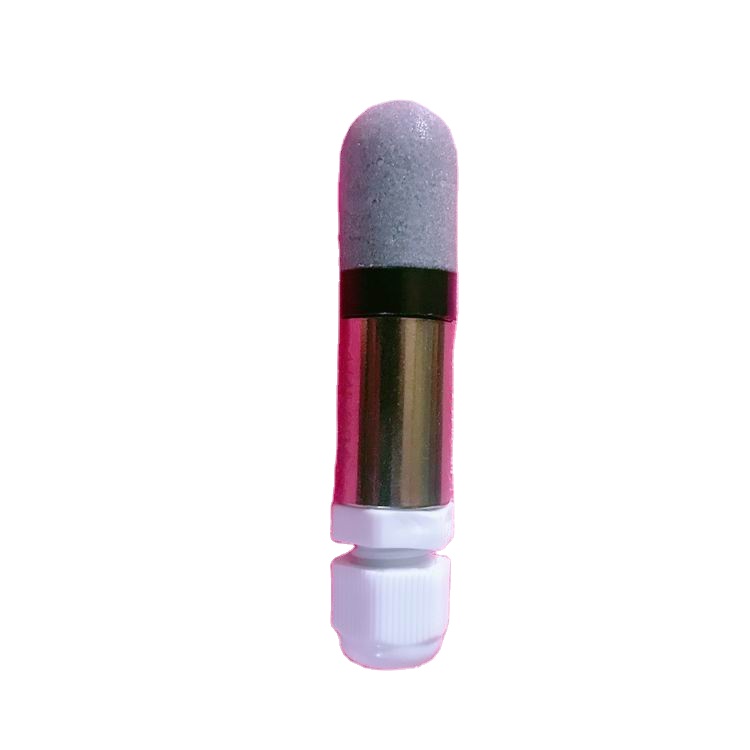
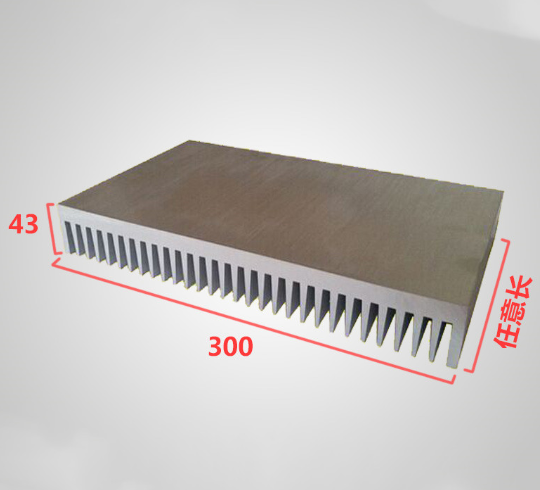
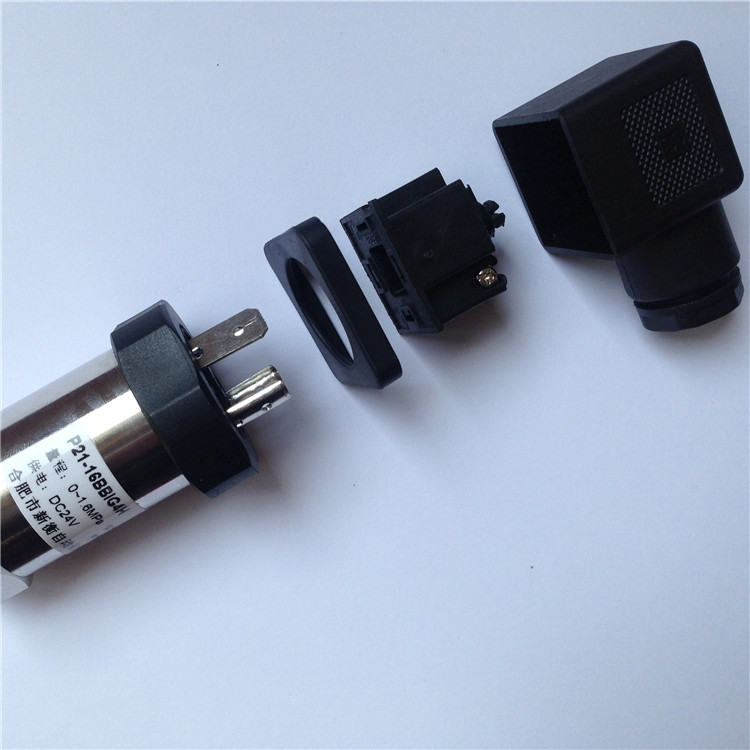
Unlike brokers or trading intermediaries, Mivo Electronics unifies multi-disciplinary engineering under one transparent production umbrella. Overseas procurement directors, hardware architects, and system integrators benefit from direct collaboration across bare PCB fabrication, flexible printed circuits (FPC), aluminum thermal management substrates, tactile dome switch integration, SMT laser-cut stencils, and custom-calibrated sensing probes (such as PT100/PT1000 RTDs, SHT30 humidity probes, and diffusion silicon water pressure sensors).
Sub-Surface Screen & Digital Print
Second-surface printing on high-tensile Autotex® polyester (PET) and Lexan® polycarbonate (PC). Inks remain 100% immune to aggressive industrial cleaning agents, hydrocarbon solvents, abrasion, and UV degradation.
Turnkey Electronic Co-Design
Integrated electronics engineered beneath the graphic overlay. Complete integration of SMT LED backlighting, capacitive sensing pads, through-hole connector routing, and custom firmware testing in an ESD-protected assembly shop.
Verified BOM & Rapid DFM Checks
Comprehensive Gerber RS-274X, CAD vector, and BOM audits within 24 hours. Pre-production review detects trace clearance hazards, dimensional stack-up interference, and material outgassing vulnerabilities prior to tooling.
Material Science & Substrate Selection in Industrial Front Panels
In harsh operating environments—ranging from outdoor energy storage systems (BESS) and diagnostic medical instrumentation to industrial computer numerical control (CNC) systems—the printed front panel serves as both the operational command interface and the primary physical barrier against particulate and chemical intrusion. Selecting the wrong front panel substrate creates devastating lifecycle failures, including flex-fatigue crazing, chemical clouding, and catastrophic environmental seal breakdown.
| Substrate Material | Tensile Strength & Flex Life | Chemical & Solvent Resistance | UV Light Stability | Primary Industrial Use Case |
|---|---|---|---|---|
| Biaxially Oriented PET (Polyester) | Exceeds 5,000,000 actuations; zero flex fatigue | Exceptional resistance to alcohols, acetone, fuels, acids | Requires UV-stabilized hardcoat (e.g., Autotex XE) | Heavy industrial control, medical diagnostic panels, marine keyboards |
| Optical Polycarbonate (PC) | Moderate (30,000 to 100,000 flex actuations) | Vulnerable to ketones, esters, and aromatic solvents | Good initial clarity; yellows without UV inhibitors | Indoor electronic instrumentation, consumer devices, clear display lenses |
| Anodized Aluminum (AL 5052/6061) | Rigid metal panel; structurally load-bearing | Sealed anodic pores provide high chemical immunity | Superior inorganic dye fastness in exterior environments | Heavy vehicle dashboards, rackmount telecommunications, power inverters |
| Chemically Strengthened Glass | Rigid brittle threshold; high surface hardness (>7H) | Total chemical inertness across standard pH ranges | Permanent; zero degradation from sun exposure | Sterile medical cleanrooms, optical touch panels, capacitive terminals |
Beyond raw polymers, printed panel performance depends on micro-engineered adhesive layers. Standard acrylic PSA adhesives shear under high operating temperatures; hence, Mivo specifies automotive-grade 3M 467MP, 468MP, or 300LSE low surface energy transfer tapes. This engineering choice guarantees hermetic seals on powder-coated sheet metal, cast aluminum enclosures, and injection-molded plastics under continuous thermal cycling from -40°C to +105°C.
Global Procurement & Technology Trends: The 2026–2030 Roadmap
Procurement directors in Europe, North America, and the Asia-Pacific region are shifting away from fragmented multi-vendor supply chains toward centralized turnkey contract manufacturing. The historical model of sourcing sheet metal fabrication from Supplier A, graphic overlays from Supplier B, and membrane switch PCBs from Supplier C generated persistent assembly fit issues, tolerance mismatches, and finger-pointing during failure analysis.
1. Hybrid In-Mold Structural Electronics (IME)
The convergence of graphic overlays and PCB circuitry into single thermoformed 3D assemblies. Conductive silver and PEDOT traces are printed directly onto the film before injection molding, slashing assembly weight by up to 60% and eliminating secondary fastener brackets.
2. Integrated Optical & Haptic Sensing
Modern front panels are transitioning from pure tactile metal domes to combined capacitive proximity switches featuring localized piezoelectric haptic feedback. This hybrid design allows gloved operators to receive positive physical confirmations in high-noise automated factories.
3. Low-Emission Inks & Circular Substrates
European CSRD regulations and RoHS/REACH compliance requirements are accelerating the adoption of bio-derived polycarbonate films, lead-free silver conductive traces, and zero-VOC UV-cured screen printing inks that enable end-of-life delamination and recycling.
Frequently Asked Questions by Industrial Buyers
What engineering files and technical drawings are required to initiate production?
For graphic overlay printing, please submit vector graphics in 1:1 scale (Adobe Illustrator .AI, CorelDRAW .CDR, or vector .PDF) with color specifications defined via Pantone Solid Coated (PMS) or RAL formulas. For assemblies incorporating underlying circuits or backer plates, please attach RS-274X Gerber packages, NC drill files, 3D STEP/IGES models, and an explicit Bill of Materials (BOM) detailing tactile dome alloys, connectors, and LED specs.
How does Mivo ensure chemical and scratch resistance on printed front panels?
We exclusively employ second-surface (sub-surface) reverse printing. The graphics and traces are applied on the reverse side of optical-grade textured polyester (PET) or polycarbonate (PC). Consequently, the substrate material acts as an indestructible wear shield. For demanding environments involving ketone solvents or aggressive sterilization, we apply UV-cured textured hardcoats rated up to 3H pencil hardness.
Can Mivo assemble and test integrated electronics behind the graphic front panels?
Yes. As a verified PCBA and electronics manufacturer, Mivo performs turnkey box-build and sub-assembly integration. We mount graphic overlays onto CNC-machined aluminum plates or injection-molded chassis, solder flexible flat cables (FFC) or board-to-board headers, surface-mount LEDs and digital controllers, program firmware, and perform 100% electrical continuity and contact resistance testing before dispatch.
What are the minimum order quantities (MOQ) and sample prototyping lead times?
We support low-volume agile hardware development: custom printed front panel overlays and prototype PCBA builds start at just 5 pieces. Standard digital knife-cut laser prototypes can be completed and shipped within 3 to 5 business days, eliminating initial hard-tooling expenses during early engineering verification stages.
How are ingress protection (IP65, IP66, IP67) and EMI/ESD shielding achieved?
To achieve IP67 water and dust resistance, we utilize die-cut continuous perimeter gaskets made from 3M 300LSE adhesive matrices or closed-cell polyurethane foam. For electromagnetic compatibility (EMC), we integrate selectively printed conductive silver/carbon grids or laminated copper foil layers that route static discharges away from sensitive microcontrollers to chassis ground terminals.
Collaborate with Shenzhen's Premier HMI & PCBA Specialists
Submit your graphic drawings, circuit schematics, or CAD files today. Our bilingual engineering team will conduct a comprehensive DFM audit, provide color-matched proofs, and supply quotation terms within 24 hours.