8+
Years Alibaba Export Authority
4.7/5
Verified Buyer Satisfaction
1-12 W/m·K
Thermal Conductivity Range
5 Pcs
Rapid Prototyping MOQ
Integrated Hardware Catalog
Engineered Components & Assemblies for Boston OEMs
From precision metal core PCBs to synchronized sensor modules, thermal dissipation fixtures, and industrial interfaces—built to direct Gerber and BOM specifications.
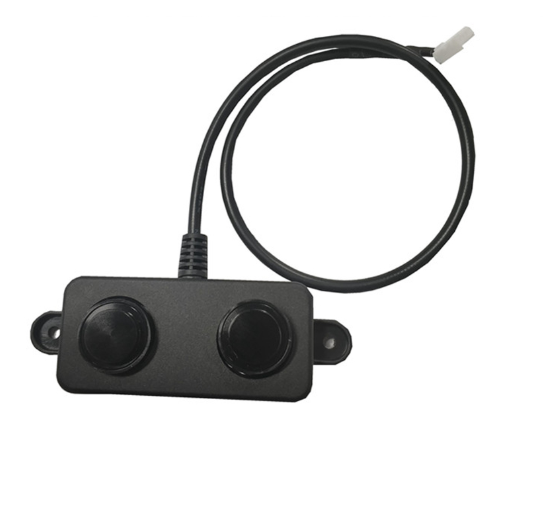
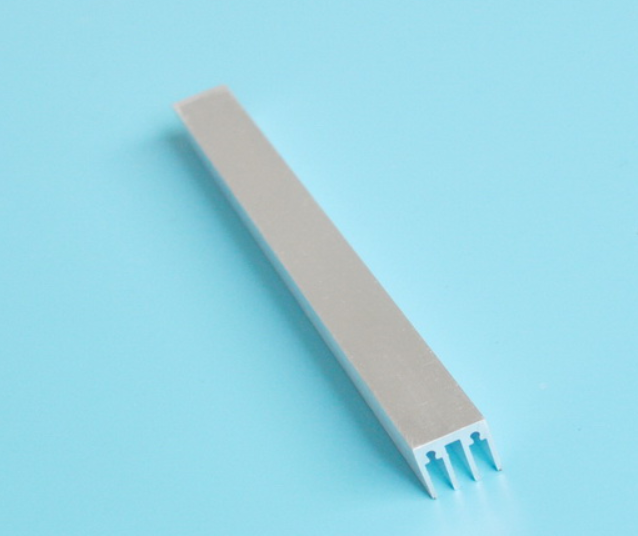
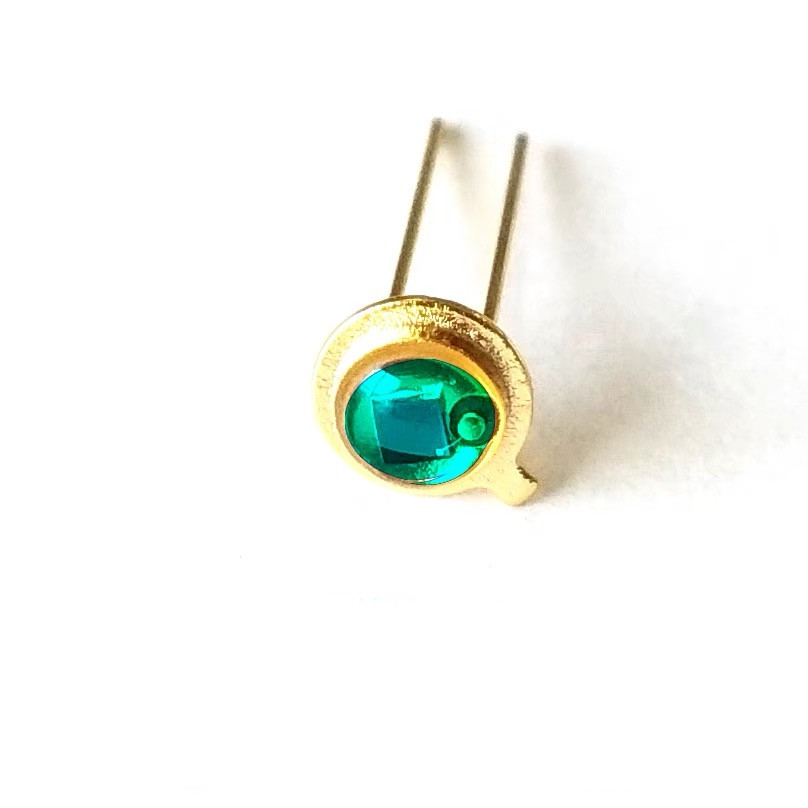
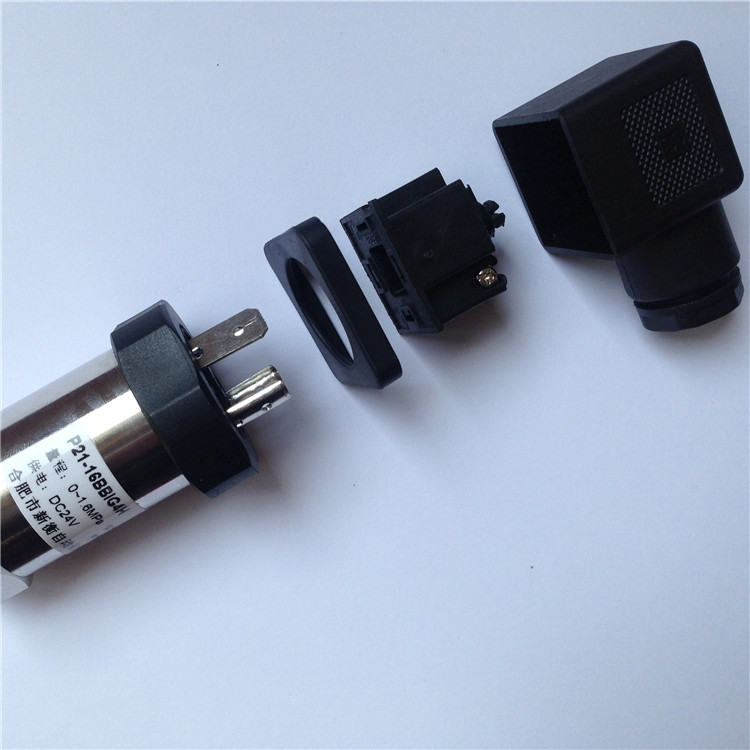
Engineering Fast-Track for Boston Hardware Accelerators & OEMs
Whether you are prototyping along the Route 128 tech corridor or scaling commercial assemblies in Cambridge, upload your Gerber (RS-274X) and BOM for a comprehensive DFM thermal dissipation review.
Engineering Authority
Thermal Dynamics & Structural Architecture of Aluminum PCBs
Understanding the physics of heat dissipation in high-density electronics, solid-state lighting, and wide-bandgap GaN/SiC power modules.
Dielectric Layer Performance
The core differentiator in Metal Core PCBs (MCPCB) is the thermally conductive dielectric layer. Formulated with ceramic-filled polymer blends, our dielectrics achieve thermal conductivity ratings from 1.0 W/m·K to 12.0 W/m·K while maintaining high breakdown isolation voltages exceeding 4 kVAC to eliminate thermal runaway.
Alloy Base Chemistry
We utilize precision-milled Aluminum 5052 and 6061 alloys, offering superior mechanical rigidity, thermal spreading, and dimensional stability during reflow. Optional copper-base substrates (up to 400 W/m·K) are deployed for extreme power densities in medical laser and defense power systems.
Surface Finish Optimization
Preventing copper oxidation and ensuring seamless solderability, we offer high-spec surface finishes including ENIG (Electroless Nickel Immersion Gold), HASL (Lead-Free), Immersion Silver, and OSP. ENIG provides superior coplanarity for tight-pitch components and high-frequency pulsed power semiconductors.
| Substrate Parameter | Standard FR-4 PCB | Standard Aluminum PCB | High-Thermal MCPCB (Mivo) | Direct Thermal Path Copper |
|---|---|---|---|---|
| Thermal Conductivity (W/m·K) | 0.25 – 0.3 W/m·K | 1.0 – 2.0 W/m·K | 3.0 – 8.0 W/m·K | 385 – 400 W/m·K |
| Dielectric Breakdown Voltage | 15 – 20 kV/mm | 3 – 4 kVAC | 4 – 6 kVAC | Pedestal (No Dielectric at Pad) |
| CTE (Coefficient of Thermal Expansion) | 14 – 17 ppm/°C | 20 – 24 ppm/°C | Matched Low-CTE Alloys | 16.5 ppm/°C |
| Thermal Resistance (°C/W) | High (>20) | Moderate (1.0 – 2.5) | Low (0.3 – 0.8) | Ultra-Low (<0.05) |
| Typical Boston Regional Application | Digital Logic, IoT MCUs | Architectural LED, PSUs | MedTech Surgical, Robotics | Automotive Radar, Laser Optics |
Regional Focus
Serving Boston’s Mission-Critical Innovation Hubs
Delivering high-reliability thermal hardware from Route 128 to Cambridge’s Kendall Square and the Seaport Innovation District.
Medical Devices & Surgical Optics
Boston houses one of the world's dense clusters of biotechnology and diagnostic instrumentation leaders. Our aluminum-backed circuits drive surgical lighting arrays, high-power photodynamic therapy lasers, and sterilization consoles that demand zero hot spots and strict thermal stabilization to ensure clinical compliance.
Robotics & Automated Guided Vehicles
Originating from MIT, Harvard labs, and suburban industrial automation campuses, Boston-area autonomous robotics platforms rely on our compact aluminum PCBs for BLDC motor driver inverters, micro-actuators, and power distribution modules operating in confined, unventilated mechanical joints.
CleanTech & Energy Transition Storage
With Massachusetts establishing aggressive clean energy targets, local climatetech innovators in Somerville and Greentown Labs use our metal core boards for grid-scale battery management systems (BMS), high-efficiency solar inverters, and high-amperage EV charging sub-assemblies requiring long-term lifecycle reliability.
Macro Dynamics
Technological Trends Reshaping New England Electronics Procurement
Why Boston hardware teams are modernizing thermal dissipation architectures and restructuring Asian manufacturing pipelines.
Wide Bandgap (GaN/SiC) Proliferation
As design teams transition from traditional silicon MOSFETs to Gallium Nitride (GaN) and Silicon Carbide (SiC) devices, switching frequencies skyrocket while junction sizes shrink. Traditional FR-4 boards fail to manage this concentrated heat flux, turning aluminum core PCBs into the default standard for power conversion.
Miniaturization vs. Fanless Requirements
Industrial and medical enclosures across New England are transitioning towards sealed, IP67+ rated housings to prevent chemical contamination and eliminate maintenance prone cooling fans. Heat must conduct directly to external enclosures, making thermally balanced MCPCBs an engineering necessity.
Agile NPI & Turnkey Supply Resilience
Boston startups and established defense contractors require rapid iterations. Instead of juggling separate PCB fabricators, assembly houses, and discrete sensor vendors, buyers prefer verified turnkey manufacturing partners that offer verified parts, DFM reviews, and fast overseas air-courier transit directly to Logan Airport.
Factory Verifiable Credentials
Why Engineering Teams Choose Shenzhen Mivo Electronics
Bridging Shenzhen's electronics ecosystem with Boston's precision hardware engineering standards.
Onsite-Verified Manufacturing
Shenzhen Mivo Electronics Co., Ltd. has completed onsite verification by international inspection bodies and Alibaba.com. With a dedicated 51–100 employee production hub established since 2016, our facility guarantees authenticated traceabilities, verified factory certifications, and zero intermediaries.
One-Stop Turnkey Assembly
We eliminate vendor fragmentation. From raw aluminum base routing, dielectric thermal compression, and SMT assembly to component sourcing in Huaqiangbei and firmware testing, our single-team structure protects engineering intent and drastically minimizes delivery lead times.
Proven 4.7/5 Track Record
With over 8 years of successful export transactions across North America, our English-speaking engineering team understands international BOM compliance, RoHS/REACH regulatory frameworks, and provides prototype runs starting from just 5 pieces to support agile NPI validation.
Procurement Knowledge Base
Frequently Asked Questions by Boston Hardware Engineers
Transparent technical, operational, and logistics details to streamline your PCB procurement workflow.
What is the typical shipping transit time from your factory to Boston, MA?
We partner with premier international couriers (DHL Express, FedEx Priority, and UPS Worldwide). Once boards pass final inspection and functional testing, air transit to the Greater Boston area (including Cambridge, Waltham, Burlington, and Worcester) typically takes between 3 to 5 business days, clearing customs directly at Boston Logan International Airport (BOS).
Can you manufacture multi-layer Aluminum PCBs with through-hole isolation?
Yes. We specialize in both single-sided MCPCBs and complex 2-layer, 4-layer, and hybrid configurations. In multi-layer metal core structures, plated through-holes (PTH) passing through the aluminum core are back-drilled and insulated with high-dielectric epoxy resins before copper plating to ensure zero short-circuiting between signal layers and the grounded aluminum base.
How do you verify component authenticity for turnkey PCBA orders?
Our procurement office purchases directly from authorized global component distributors and factory lines. All passive and active ICs undergo inbound inspection including packaging integrity checks, lot date-code verification, and pin-level testing. If obsolete or hard-to-find components require cross-referencing, we provide comprehensive spec sheet comparisons and only proceed with your written authorization.
What design files are required to initiate an Aluminum Core PCB quote?
Please provide standard Gerber RS-274X or ODB++ files including copper, solder mask, silkscreen, and drill layers, alongside mechanical cut drawings specifying edge routing, V-scoring, and counterbore details. For turnkey PCBA orders, please include a complete Bill of Materials (BOM) with manufacturer part numbers, pick-and-place centroid coordinates, and assembly testing instructions.
What dielectric thermal conductivity ratings are available in stock?
We stock commercial grade (1.0 - 1.5 W/m·K) for standard LED arrays, high-performance grade (2.0 - 4.0 W/m·K) for industrial automation and power supplies, and premium ceramic-filled dielectrics (up to 8.0 - 12.0 W/m·K) from industry leaders like Bergquist, Ventec, and Laird for demanding medical and defense electronics.
Do you support prototype orders, or are you exclusively a high-volume factory?
We are structured to support hardware developers through the complete product lifecycle. Turnkey PCBA prototype runs start from as low as 5 pieces, while custom bare aluminum boards typically start at 100 pieces (or panels). Our agile engineering cell allows Boston R&D laboratories to validate designs quickly before scaling to full volume production seamlessly.
Initiate Your Engineering Evaluation with Shenzhen Mivo Electronics
Send us your gerber files, thermal dissipation targets, or custom assembly schematics today. Our engineering department will deliver a thorough DFM review, stackup validation, and competitive direct-factory quotation within 24 hours.