Precision Thermal Hardware & Sensor Catalogue
Integrated MCPCB, Thermal Dissipation & Sensor Solutions
Direct from our onsite-verified manufacturing center. Explore core thermal management components, high-power heat sink profiles, and industrial sensor hardware tailored to modern European mechanical and electrical standards.
Engineering Whitepaper & Material Science
High-Conductivity Aluminum Substrates: Solving Thermal Bottlenecks
Why modern hardware engineering teams across Southeast Europe are transitioning high-density power electronics from standard glass epoxy FR-4 to advanced insulated metal substrates (IMS).
Thermally Conductive Dielectric Layers
The heart of any high-reliability Aluminum PCB lies in the polymer-ceramic dielectric matrix. While standard FR-4 dissipates heat poorly at ~0.25 to 0.3 W/m·K, specialized dielectric formulations infuse ceramic particles (aluminum oxide or boron nitride) into modified epoxy resins.
- Thermal performance ranges: 1.0, 1.5, 2.0, 3.0 up to 8.0 W/m·K
- Dielectric thickness control: 75µm to 150µm (3 to 6 mil)
- Breakdown voltage resistance: >3,000V AC up to 6,000V AC
- Glass transition temp (Tg): High Tg >130°C to 170°C for zero-delamination
Base Plate Metallurgy: 1060 vs 5052 vs 6061
Mechanical rigidity, thermal spreading, and machining characteristics depend critically on selecting the right aluminum alloy base plate for your chassis and casing mounting design.
- AL-1060 (Pure Aluminum): Maximum thermal conductivity (~200 W/m·K), optimal for cost-effective LED boards.
- AL-5052 (Al-Mg Alloy): Higher tensile strength, excellent resistance to vibration, cracking, and marine corrosion.
- AL-6061 (Al-Mg-Si Alloy): Premium hardness (95+ HB), ideal for precision CNC milling, countersinking, and tapped holes.
Thermal Expansion (CTE) & Solder Joint Integrity
Aluminum exhibits a Coefficient of Thermal Expansion (CTE) of ~23 ppm/K, while silicon chips sit around 3–4 ppm/K. Poorly configured stack-ups generate shear stress during thermal cycling, leading to fractured solder joints.
- Stress-absorbing thin dielectrics eliminate micro-cracking
- Support for heavy copper claddings: 1 oz (35µm) up to 6 oz (210µm)
- Enhanced peel strength: >1.2 N/mm to avoid trace lifting under continuous load
- Thermal impedance reduced to under 0.45 °C·cm²/W
| Substrate Architecture | Dielectric Thermal Cond. (W/m·K) | Thermal Resistance (°C/W) | Dielectric Breakdown (kV) | Mechanical Rigidity | Relative Cost Factor | Primary Bulgarian Application |
|---|---|---|---|---|---|---|
| Standard FR-4 Multilayer | 0.25 – 0.30 | High (~15 – 25) | 15 – 20 kV/mm | Moderate (Elastic) | 1.0x (Baseline) | Microcontroller & Signal Processing |
| Standard Aluminum PCB (1.5W) | 1.2 – 1.5 | Low (~1.2 – 2.0) | 3.0 – 4.0 kV AC | High (Flat Plate) | 1.3x – 1.5x | Architectural & Commercial LED Lighting |
| Automotive-Grade MCPCB (3.0W) | 3.0 – 4.0 | Ultra-Low (~0.4 – 0.8) | 4.5 – 6.0 kV AC | Extreme (Vibration-Proof) | 1.8x – 2.3x | EV Battery BMS, Headlamps & Inverters |
| Direct Thermal Path (Copper Core) | 400 (Direct Pad Contact) | Near Zero (<0.15) | Integrated Cavity N/A | Maximum | 3.5x – 4.5x | Ultra-High Power Industrial COB / Laser Diode |
Regional Industrial Ecosystem
Localized Applications in Bulgaria's Growing Manufacturing Sectors
Bulgaria has transformed into a dominant electronics manufacturing hub in Central and Eastern Europe (CEE). Here is how our Aluminum PCB and PCBA capabilities directly map to the production corridors of Sofia, Plovdiv, Botevgrad, and beyond.
Automotive Cluster Bulgaria (ACB)
Supplying Tier-1 and Tier-2 automotive electronics contractors around Sofia, Botevgrad, and Plovdiv. With over 250 automotive component suppliers active nationwide, our high-conductivity boards serve essential functions:
- LED matrix headlight modules and daytime running lights (DRL)
- On-board battery charger (OBC) thermal boards
- DC-DC power converters for EV powertrain platforms
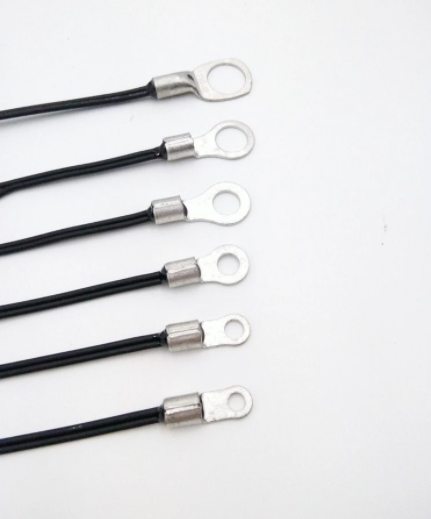
- NTC thermistor battery cell monitoring busbars
Trakia Economic Zone (TEZ) Automation
The industrial corridor surrounding Plovdiv hosts Europe's fastest-growing mechatronics plants. Heavy power drives and automation systems demand robust thermal solutions capable of surviving 24/7 duty cycles:
- Motor control inverters and variable frequency drives (VFD)
- Solid-state relays (SSR) and contactor sub-assemblies
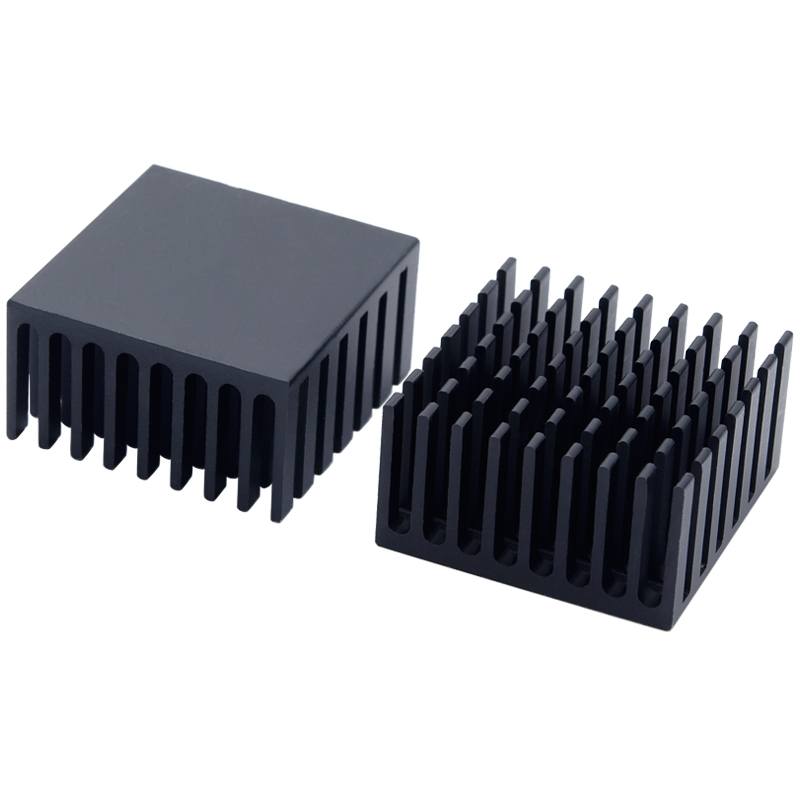
- Heavy industrial switchboards with custom heatsinks
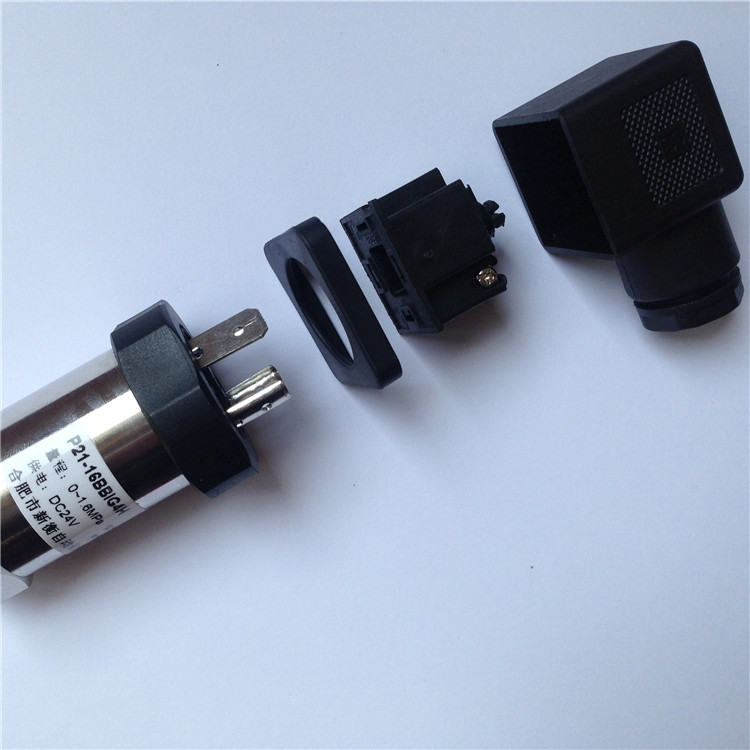
- Waterproof diffusion silicon pressure transmitters
Horticultural & Municipal LED Lighting
Bulgarian lighting fixture manufacturers export across the entire European Union. To comply with rigorous Ecodesign directives (ErP) and energy efficiency thresholds, thermal control is paramount:
- Ultra-long linear Aluminum PCBs up to 1200mm for luminaire strips
- High-efficacy horticulture grow light boards (Samsung LM301B/H)
- Municipal streetlighting engines with >95% reflective white mask
- Tunnel lighting assemblies with IP67 potting seals
Smart Grid, Energy & Ultrasonic Sensors
From Sofia Tech Park hardware startups to established sensor enterprises in Gabrovo and Ruse, localized developers need rapid prototypes and combined electro-mechanical components:
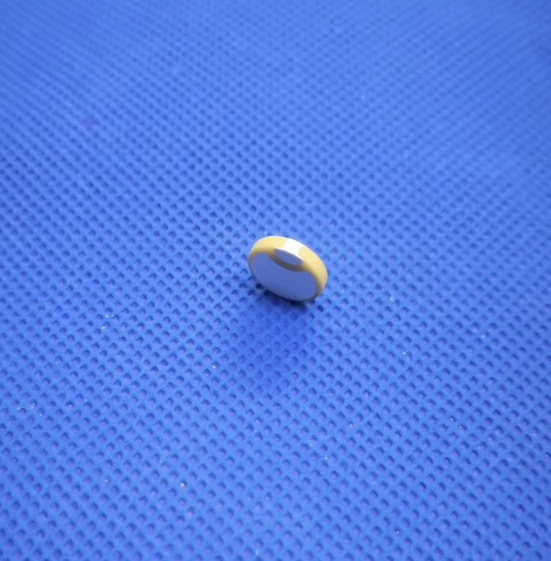
- Piezoelectric ultrasonic flowmeters for municipal gas & water
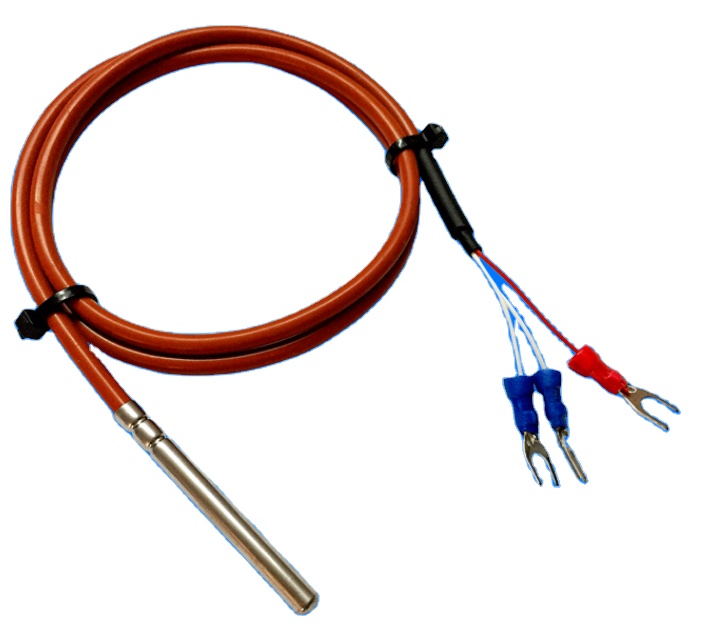
- High-accuracy PT100 RTD probes for food processing & pharma
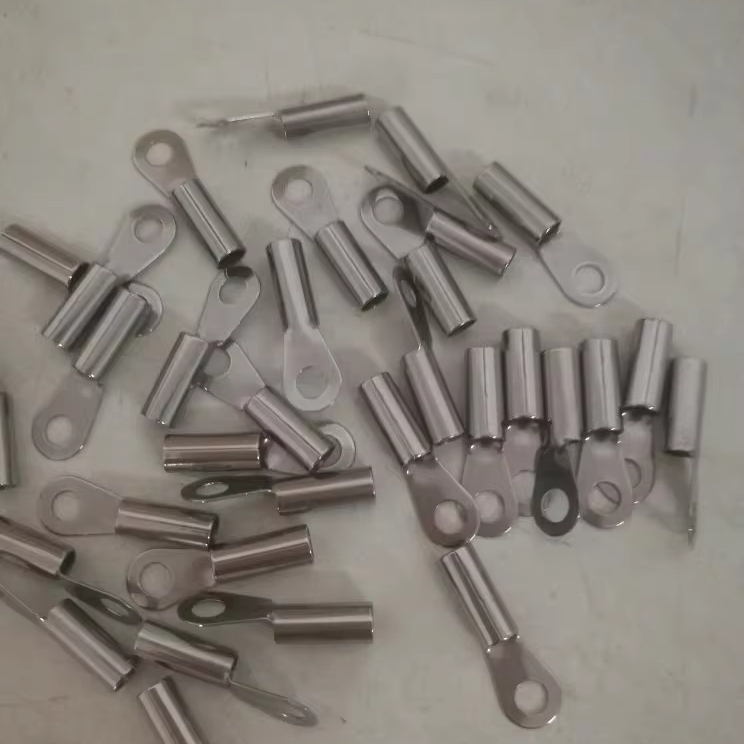
- Micro-coaxial wiring and customized stainless steel sensor wells
- Photovoltaic inverter monitoring and junction box boards
Macro Market Trends
Emerging Trends Shaping Bulgaria's PCB & PCBA Procurement
How global supply chain recalibration, European green energy mandates, and localized hardware engineering are driving procurement shifts among Bulgarian purchasing directors.
1. Nearshoring + Shenzhen High-Tech Synergy
While European OEMs increasingly establish final assembly in Bulgaria to mitigate logistical risks, the raw bare-board fabrication, high-thermal dielectric production, and active silicon supply chains remain intensely centralized in Shenzhen. Progressive Bulgarian EMS companies adopt a hybrid supply model: direct turnkey PCB/PCBA manufacturing in Shenzhen with rapid air-cargo fulfillment directly to Sofia Airport (SOF), combining Asia's supply chain velocity with Europe's localized assembly speed.
2. Electrification & High-Voltage Standards
With Bulgaria expanding its automotive manufacturing footprint to include EV charging infrastructure and power conversion components, thermal substrates must now withstand 800V bus architectures. This has shifted demand from basic 1.0 W/m·K boards to high-insulation 3.0+ W/m·K substrates featuring high Comparative Tracking Index (CTI >600V) and Hi-Pot dielectric test compliance (up to 4,000V AC continuously).
3. Turnkey Integration (Boards + Sensors + SMT)
Procurement directors are actively minimizing supply chain fragmentation. Rather than purchasing bare aluminum boards from one supplier, heatsinks from another, and RTD temperature probes from a third, Bulgarian hardware developers now contract one-stop turnkey providers who can manufacture the aluminum board, mount the surface components (SMT), supply custom CNC-milled heatsinks, and supply calibrated harness sensors under a unified quality assurance guarantee.
Accelerate Your Bulgarian Hardware Production
Upload your Gerber files (RS-274X), Bill of Materials (BOM), or thermal drawings. Our senior engineering team conducts a complimentary Design for Manufacturability (DFM) check within 2 hours, optimizing thermal layer stack-ups, panelization routing, and component bill-of-materials.
Enterprise Credentials & Manufacturing Rigor
Why Bulgarian & European OEMs Partner with Mivo Electronics
Combining onsite-verified factory operations in Shenzhen with deep technical consultation, transparent pricing, and flexible minimum orders tailored for agile development and scalable volume manufacturing.
Onsite-Verified Manufacturing Facility
Operating from Yuanshan Street, Shenzhen, our facility has undergone comprehensive onsite verification by Alibaba.com and independent third-party inspection firms. Operating with 51 to 100 dedicated technical personnel, we maintain complete control over precision PCB drilling, imaging, etching, dielectric lamination, surface finishing, and optical inspection.
Turnkey SMT & Prototype Flexibility
Hardware agility is vital for Bulgarian R&D centers. While large board houses impose massive minimum orders, we support PCBA prototype runs starting from just 5 pieces. We offer full turnkey component sourcing via Huaqiangbei's primary electronics supply corridors, providing verified manufacturer trace codes and proposing transparent cross-references only upon your written approval.
Holistic Electro-Mechanical Integration
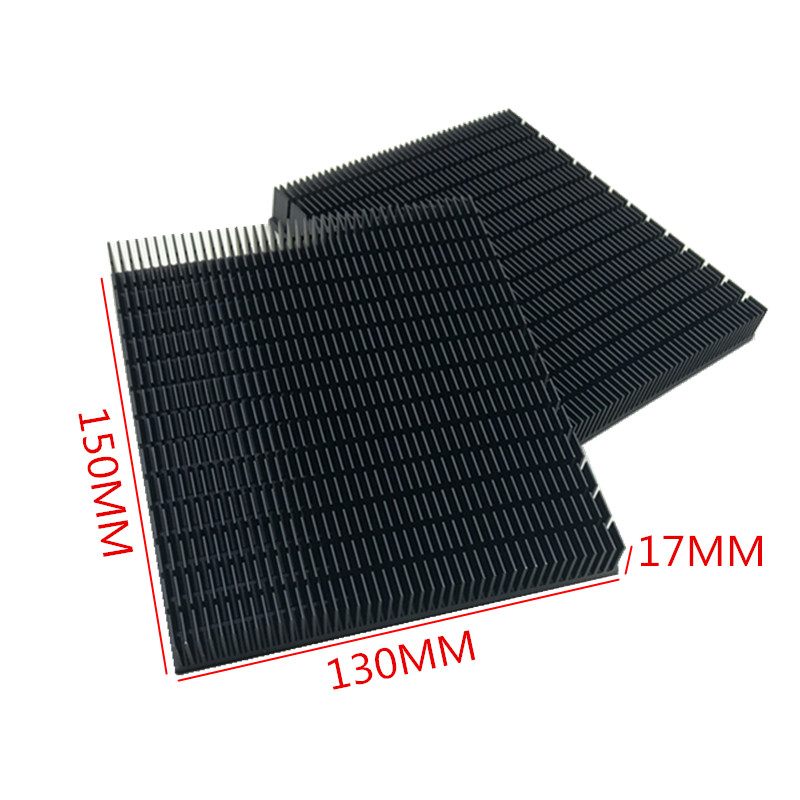
Beyond bare PCB fabrication, Mivo Electronics specializes in custom sensors, cable harnesses, membrane switch panels, and high-power thermal heatsinks. Whether your Bulgarian application requires custom-potted PT100 RTD probes, NTC battery thermistors for electric vehicle packs, or precision-machined aluminum radiator profiles, our engineers deliver ready-to-integrate sub-assemblies.
Shenzhen Mivo Electronics Co., Ltd. — Compliance Guarantee
Direct supplier credentials verified through 8+ years of European cross-border trade.
ISO9001 Audited
RoHS & REACH Compliant
IPC-A-600 / IPC-A-610 Class 2 & 3
100% E-Tested & Hi-Pot Inspected
Procurement & Technical Questions
Frequently Asked Questions: Sourcing Aluminum PCBs for Bulgaria
Clear, direct engineering answers addressing logistics, customs, dielectric isolation, scoring tolerances, and assembly requirements for Bulgarian technical buyers.
How do you handle shipping, customs, and import duties into Bulgaria?
Shipments to Bulgarian destinations (Sofia, Plovdiv, Varna, Ruse) are dispatched primarily via express air freight (DHL, FedEx, UPS) directly to Sofia Airport (SOF) with a typical door-to-door transit time of 3 to 5 business days. For volume sea freight, cargo enters through the Port of Varna or Port of Burgas. We supply complete commercial documentation with accurate EU TARIC / Harmonized System (HS) codes (typically HS 8534.00 for printed circuits and HS 8542.31 for assembled electronic modules), ensuring straightforward VAT (ДДС) processing and customs clearance with your designated Bulgarian broker.
What V-Scoring (V-Cut) and CNC routing tolerances apply to Aluminum PCBs?
Because aluminum is ductile, precision mechanical processing is critical to prevent edge burrs that could bridge the dielectric layer and cause high-voltage shorts to the chassis. We utilize specialized diamond-coated cutting blades and high-speed CNC milling cutters:
- V-Score Depth: Maintained with an accuracy of ±0.05 mm, leaving a typical web thickness of 0.30 mm to 0.40 mm for clean manual or automated depanelization.
- CNC Edge Tolerance: Outline tolerance of ±0.10 mm with chamfered or de-burred edges to guarantee safety in metal enclosures.
- Creepage & Clearance: Copper-to-edge spacing must be kept at a minimum of 0.50 mm (0.80 mm recommended) to withstand 3kV+ isolation requirements.
Which thermal conductivity grade should we specify for high-power LED luminaires?
For standard European streetlighting and industrial ceiling fixtures running mid-power LEDs (e.g., 0.5W to 1W per diode), a 1.5 W/m·K to 2.0 W/m·K dielectric provides the ideal balance between thermal dissipation and raw material cost. For high-output stadium floodlights, stage lighting, automotive headlights, or UV curing equipment operating high-power COB LEDs (>3W per package), we recommend 3.0 W/m·K to 5.0 W/m·K dielectrics to maintain LED junction temperatures below 85°C, thereby maximizing luminous efficacy and ensuring full compliance with EU lifetime warranty mandates (L70/B10 >50,000 hours).
Can you produce double-sided and multilayer Aluminum PCBs?
Yes. In addition to conventional single-layer MCPCBs, we manufacture:
- Double-Sided MCPCBs: Featuring copper routing layers on both the top and bottom of the aluminum core, isolated with thin ceramic dielectrics and connected via insulated plated through-holes (PTH).
- Multilayer IMS Boards: Incorporating 2, 4, or more FR-4 signal and ground layers laminated directly onto a heavy aluminum base plate. This allows complex microcontrollers and signal conditioning circuits to reside adjacent to high-power MOSFETs and IGBT switches on the same continuous chassis.
What testing procedures do you execute before exporting to European customers?
Every production batch undergoes 100% electrical verification:
- Automated Optical Inspection (AOI): Validating trace widths, copper spacing, and surface geometries against original Gerber files.
- Flying Probe / Bed of Nails E-Test: 100% netlist connectivity testing to guarantee zero opens or shorts.
- Dielectric Withstanding (Hi-Pot) Testing: High-voltage stress test (typically 2,500V to 4,000V DC or AC depending on spec) applied across the copper circuit and the aluminum base to detect micro-pinholes or leakage currents.
- Solderability & Thermal Stress Test: Solder float testing at 288°C for 20 seconds to confirm complete resistance against delamination or blistering.
What are the MOQ and lead times for prototype versus volume orders?
For prototype engineering runs, our PCBA minimum order quantity is only 5 pieces, while bare Aluminum PCBs can be manufactured from 10 to 50 pieces. Standard quick-turn prototype fabrication takes 3 to 5 business days for bare boards and 8 to 12 business days for complete turnkey PCBA with component procurement. Mass production runs (5,000 to 50,000+ pieces) typically ship in 3 to 4 weeks.
Engineering Best Practices
Optimizing Your CAD Data for Rapid MCPCB Turnaround
Follow these essential checklist parameters when submitting files to Mivo Electronics to ensure seamless DFM review and eliminate production delays.
1. Mechanical & Drill Layers
Clearly designate whether mounting holes are non-plated (NPTH) through the aluminum or require counter-sinking for flush screw installation. Specify aluminum base thickness (standard options: 1.0mm, 1.2mm, 1.5mm, 2.0mm, or 3.0mm) and ensure mechanical outlines specify slot widths greater than 1.0mm to accommodate standard routing bits.
2. Solder Mask & Reflectance
For LED projects, optical reflectance is critical. Specify high-reflective glossy white solder mask formulated to resist yellowing under high-temperature reflow and UV radiation. For industrial power inverters or high-voltage drivers, standard matte green, black, or blue solder mask with 500V+ breakdown per mil thickness is typically preferred.
3. Surface Finish Specification
We provide Lead-Free HASL (Hot Air Solder Leveling) for cost-sensitive standard applications, Electroless Nickel Immersion Gold (ENIG - 1-3µ" Gold over 120-200µ" Nickel) for fine-pitch SMT and wire-bonding, Immersion Silver for maximum optical reflection in LED luminaires, and Organic Solderability Preservatives (OSP) for high-volume automated lines.