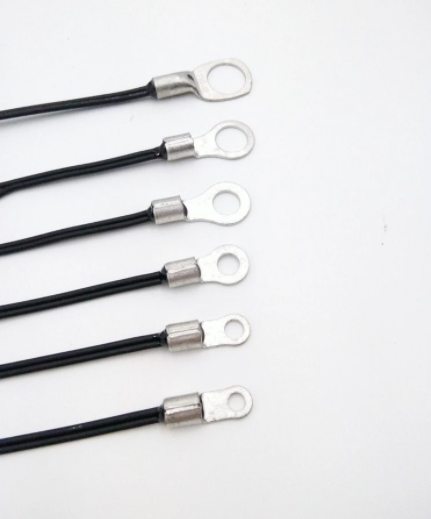
Thermal Telemetry
Ultra-fast thermal response NTC probe for high-density lithium-ion battery modules, sub-zero cold start protection, and EV powertrain battery management.
Engineered for high-stress industrial telemetry, energy conversion, and motion feedback systems. Fully compliant with CE, RoHS, and EU harmonized standards for Estonian engineering teams.
Ultra-fast thermal response NTC probe for high-density lithium-ion battery modules, sub-zero cold start protection, and EV powertrain battery management.
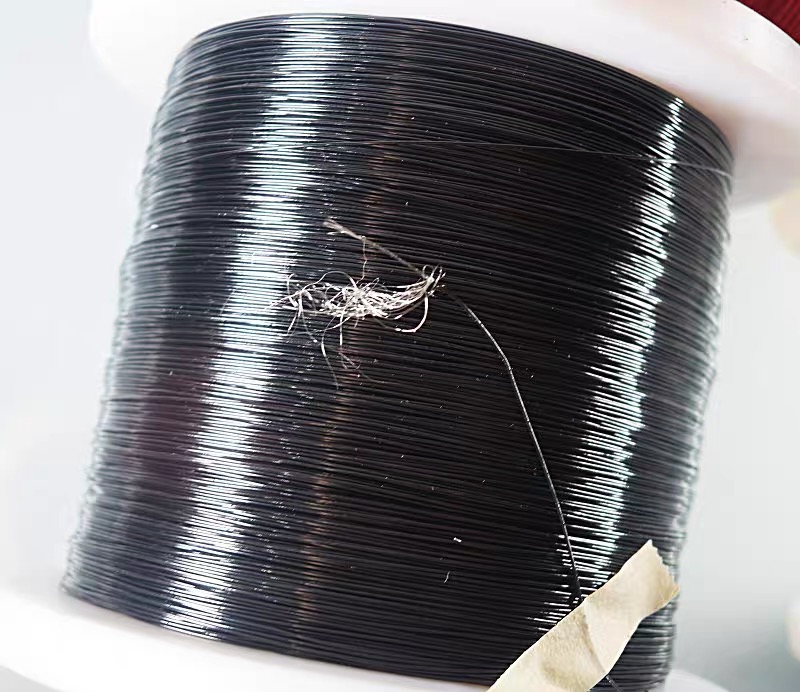
Micro-miniature 0.5mm shielded transmission wire with stable 50Ω impedance for analog transducer signal routing inside tight electromagnetic shielding enclosures.
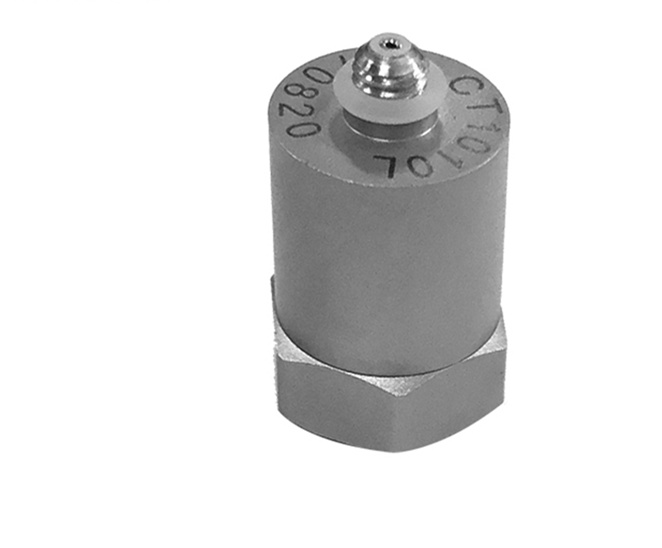
Industrial vibration monitoring sensor featuring an M5 thread interface and wide frequency span (0.5–5000Hz) for turbine, motor, and generator condition monitoring.
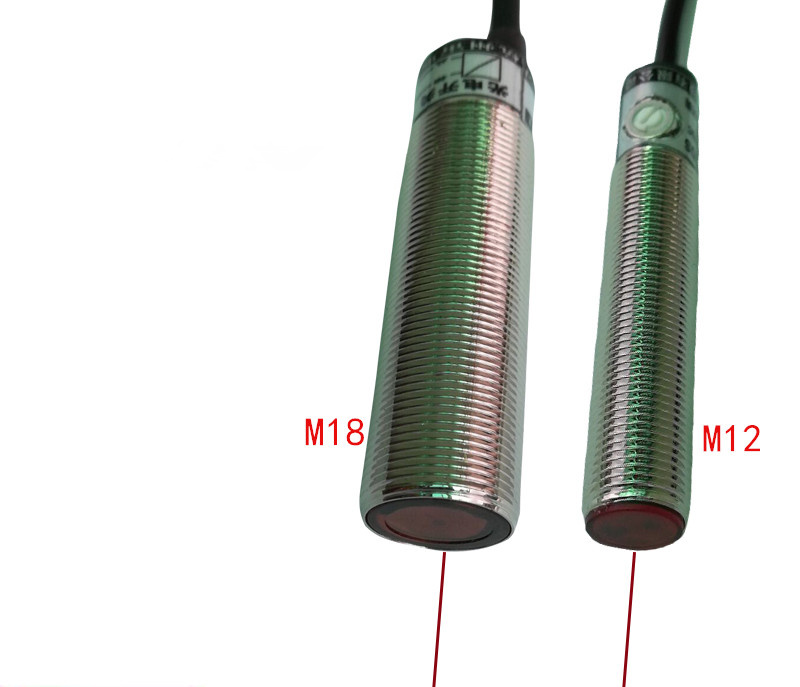
Rugged IP67 industrial diffuse reflection photoelectric switch suited for robotic assembly lines, high-speed parts counting, and industrial automated sorting corridors.
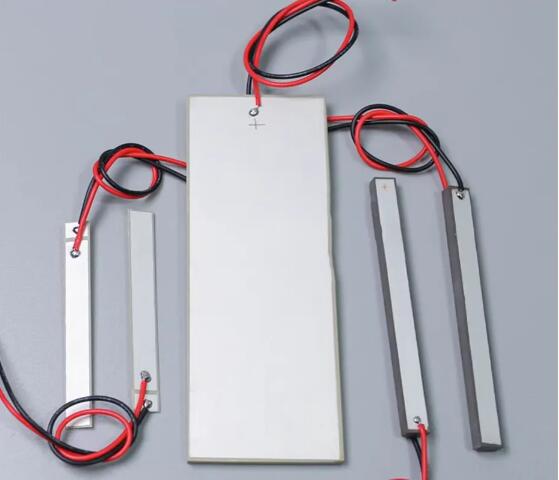
High-coupling coefficient lead zirconate titanate (PZT) ceramic strip element for custom ultrasonic acoustic transceivers and experimental acoustic flow metering.
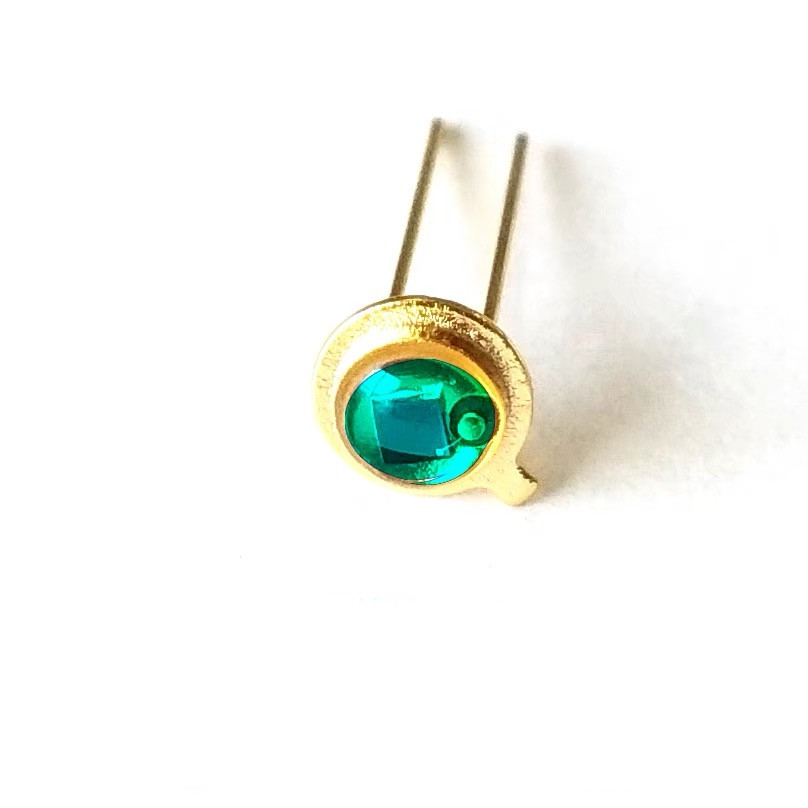
Hermetically sealed TO-46 optical silicon detector optimized for 450nm wavelength applications, optical alignment instruments, and high-speed laser receivers.
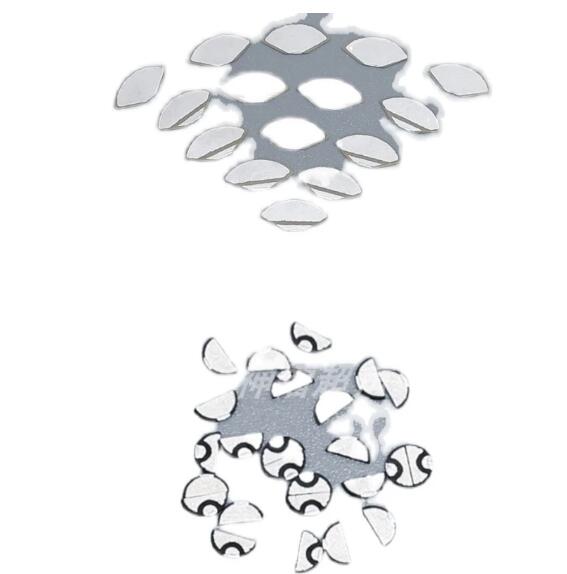
Specialized sector-geometry PZT ceramic transducer designed for multi-frequency resonant sensing, structural health monitoring, and pipeline flow inspection.

Precision D15 shear-mode piezoelectric wafer with vacuum gold plating, delivering low dielectric dissipation and robust thermal stability under harsh mechanical load.
Modern electrical conversion infrastructures in Ida-Viru County—ranging from legacy oil shale power plant generators undergoing digital SCADA refits to advanced grid-scale Battery Energy Storage Systems (BESS) along the Narva-Tallinn energy corridor—require robust, galvanically isolated current acquisition. Within power electronics topologies (including variable-frequency motor drives, solar central inverters, and DC traction substations), current sensing serves as the primary feedback loop for pulse-width modulation (PWM) algorithms and short-circuit fault mitigation.
"Open-loop Hall effect transducers combine a gapped soft-magnetic core, an integrated linear Hall-effect element, and signal-conditioning instrumentation amplifiers to provide contactless measurement of DC, AC, and complex switched current waveforms with zero insertion loss."
The operational framework of an open-loop Hall current transducer is governed by Ampère’s Circuital Law and the classical Hall effect. When an electric current ($I_p$) flows through a primary conductor (such as an insulated copper cable or solid copper busbar routed through the aperture of the sensor), it generates a proportional circumferential magnetic flux density ($B$) according to the relationship:
$$\oint \vec{B} \cdot d\vec{\ell} = \mu_0 \mu_r I_p$$
To capture and direct this magnetic field, an open-loop transducer employs an annular or rectangular soft magnetic core featuring a precisely calibrated air gap. The core material—typically cold-rolled oriented silicon steel (CRGO), high-permeability nickel-iron Permalloy (80% Ni, 20% Fe), or low-loss nanocrystalline ribbon—concentrates the magnetic flux lines across the air gap with minimal reluctance. Positioned directly within this concentrated air gap is an integrated semiconductor Hall sensor element.
When the magnetic flux traverses the semiconductor substrate perpendicularly while a constant control current ($I_c$) is driven across it, the mobile charge carriers (electrons or holes) experience a transversal Lorentz force ($\vec{F} = q(\vec{E} + \vec{v} \times \vec{B})$). This deflects the charge carriers toward the substrate edges, developing a measurable potential difference known as the Hall Voltage ($V_H$):
$$V_H = \frac{R_H}{d} \cdot I_c \cdot B$$
Where $R_H$ represents the material Hall coefficient and $d$ is the thickness of the active semiconductor layer. In open-loop topologies, this voltage undergoes differential low-noise amplification, internal temperature offset compensation, and output buffering to yield an output voltage signal ($V_{out}$) precisely scaled to the primary current (e.g., 0–5V single-ended, 2.5V ± 2.0V bidirectional, or 4–20mA analog loop).
| Architecture Metric | Open-Loop Hall Transducers | Closed-Loop (Zero-Flux) Transducers | Shunt Resistor Assemblies |
|---|---|---|---|
| Galvanic Isolation | Inherent (up to 5kV RMS dielectric test) | Inherent (up to 5kV RMS dielectric test) | None (requires isolated amplifiers) |
| Power Consumption | Extremely Low (<15–25mA static draw) | High (draws compensation current) | Thermal dissipation ($I^2R$ loss) |
| Frequency Bandwidth | DC to 25kHz – 50kHz (-3dB) | DC to 150kHz – 200kHz | DC to >1MHz (stray inductance limited) |
| Response Time ($\mathbf{t_r}$) | <3.0 to 5.0 microseconds | <0.5 microseconds | Instantaneous (<10ns) |
| Overall Accuracy (at 25°C) | ±1.0% to ±0.5% of nominal $I_{pn}$ | ±0.5% to ±0.1% of nominal $I_{pn}$ | ±0.1% to ±0.05% of full scale |
| Footprint & Bill-of-Materials | Compact, cost-effective, high thermal headroom | Bulky (requires internal coil winding) | Compact, but produces severe heat load |
A primary consideration when deploying open-loop transducers in heavy manufacturing plants, such as the metal fabrication facilities and mining excavation sites around Narva, is magnetic core saturation. When primary peak currents ($I_{p,max}$) exceed the linear saturation flux density ($B_{sat}$) of the magnetic core material, the magnetic permeability drops sharply toward unity ($\mu_r \to 1$). Consequently, the transducer output stops tracking current increases linearly, distorting SCADA telemetry and blinding downstream overcurrent protection relays.
To overcome this limitation in high-current transient applications, our engineering lines implement three specialized design features:
The winter environment in Narva presents specific operational challenges for power electronics enclosures installed outdoors or in unheated substations, where temperatures drop down to -30°C. Standard commercial Hall transducers frequently suffer from baseline signal clipping, mechanical stress cracking across the potting compound, and thermal sensitivity coefficient drift (typically $\pm 0.05\%/\text{K}$).
Our export-grade open-loop transducers utilize low-expansion, highly elastic polyurethane or silicone encapsulation compounds with a glass transition temperature ($T_g$) below -55°C. This prevents mechanical compressive shear forces from decoupling the Hall semiconductor dies from their lead frames during rapid freeze-thaw cycles. Combined with automotive-grade internal temperature-compensating thermistors (matching our NTC 100K probe manufacturing standards), baseline drift is held within $\pm 1.0\text{ mV/}^\circ\text{C}$, ensuring dependable year-round precision for Baltic energy operations.
From legacy thermal generation revamps to high-tech automated industrial corridors near the EU eastern frontier, our current transducers provide reliable sensing across diverse operating environments.
As Estonia, Latvia, and Lithuania decouple from the Russian BRELL power network to synchronize with the Continental European Synchronous Area (ENTSO-E), sub-station monitoring and Frequency Containment Reserve (FCR) battery assets require fast, galvanically isolated DC and AC current sensors.
The modernization of the Narva Power Plants (Balti and Eesti Power Plants) involves co-firing biomass, integrating wood waste, and optimizing shale gas extraction. These operations deploy high-capacity induction motors, pump stations, and draft fans that demand continuous current monitoring.
The Ida-Viru Industrial Areas Development (IVIA) park hosts advanced engineering companies, metal processing plants, and international transport equipment assemblers needing compact, PCB-mounted current transducers.
Understanding shifting technical requirements allows local Baltic equipment developers to specify current sensors that remain compliant and reliable throughout lengthy product lifecycles.
With regional inverter manufacturers switching from legacy silicon IGBTs to Silicon Carbide (SiC) MOSFETs, switching frequencies exceed 50kHz with di/dt rates surpassing 20A/ns. Future open-loop transducers utilize electrostatically shielded air-gap Hall chips that eliminate capacitive coupling from high-voltage transients.
Narva automated factories are transitioning away from centralized analog 0–5V signaling toward distributed, noise-immune digital buses. Sensor integration directly on microcontroller-based PCBA sub-modules provides calibrated current, peak values, and temperature telemetry over a unified serial line.
Estonian energy regulations aligned with the European Green Deal mandate reduced parasitic power consumption in continuous automation processes. Open-loop Hall transducers consume up to 80% less excitation power than zero-flux closed-loop designs, significantly reducing thermal loads inside sealed enclosures.
Combining Shenzhen's dense component ecosystem with comprehensive in-house PCBA assembly, specialized sensor manufacturing, and rigorous quality engineering for European buyers.
Verified on-premises by Alibaba and leading third-party inspection firms. Over 8 continuous export years maintaining a verified buyer rating of 4.7/5 across global OEM accounts.
We do not merely assemble sensors; we fabricate bare multilayer boards, assemble high-density SMT/THT boards, flash custom firmware, and deliver fully tested, potted sensor modules.
Low Minimum Order Quantity (MOQ) policies allow Estonian engineers and startup incubators in Narva to test custom busbar apertures, output scales, and cable harnesses without heavy upfront risk.
Direct sourcing channels across tier-1 semiconductor distributors. We provide complete BOM manufacturer part numbers (MPN), with zero unapproved part substitutions during volume production runs.
Every PCBA batch undergoes automated optical inspection (AOI), X-ray testing for QFN/BGA packages, high-potential (Hi-Pot) dielectric breakdown testing, and functional calibration routines.
Established logistics pathways offering Delivered Duty Paid (DDP) multimodal transit via Tallinn Airport or multimodal rail connections, handling EU customs, VAT, and declarations seamlessly.
Technical, logistical, and commercial inquiries addressed for Estonian systems developers, automation specialists, and purchasing departments.
Consult directly with our Shenzhen electronics engineering and sensor design teams. Share your primary current ranges, aperture requirements, or Gerber and BOM packages to receive a rapid DFM review and detailed wholesale quotation.