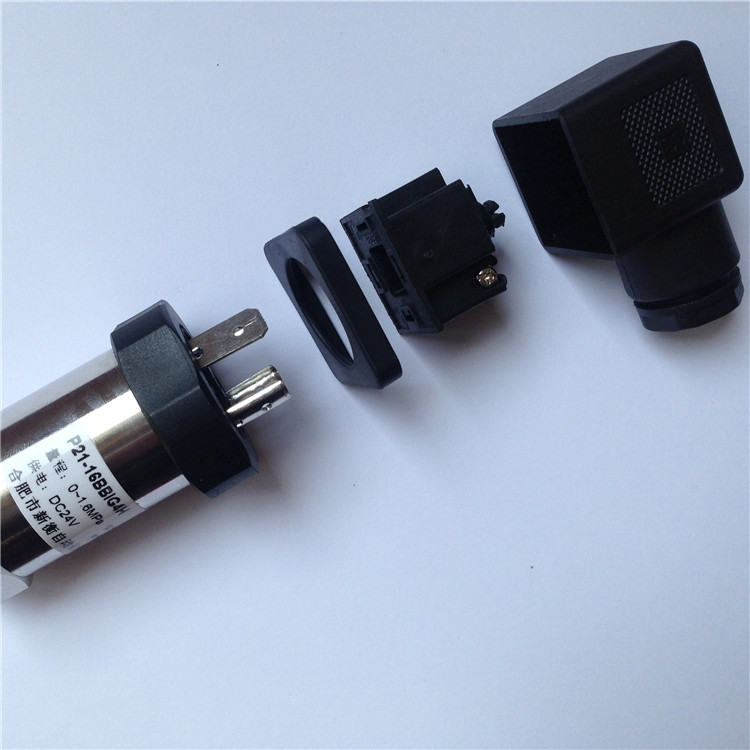
Pressure Sensing
4-20mA / 0-5V Diffusion Silicon Pressure Sensor
Constant pressure water supply transmitter with oil-filled diffused silicon core for robust hydraulic monitoring.
Explore our export-grade instrumentation, including diffused silicon pressure transmitters, ultrasonic proximity modules, and precision platinum thermal elements built to rigorous engineering tolerances.
Constant pressure water supply transmitter with oil-filled diffused silicon core for robust hydraulic monitoring.
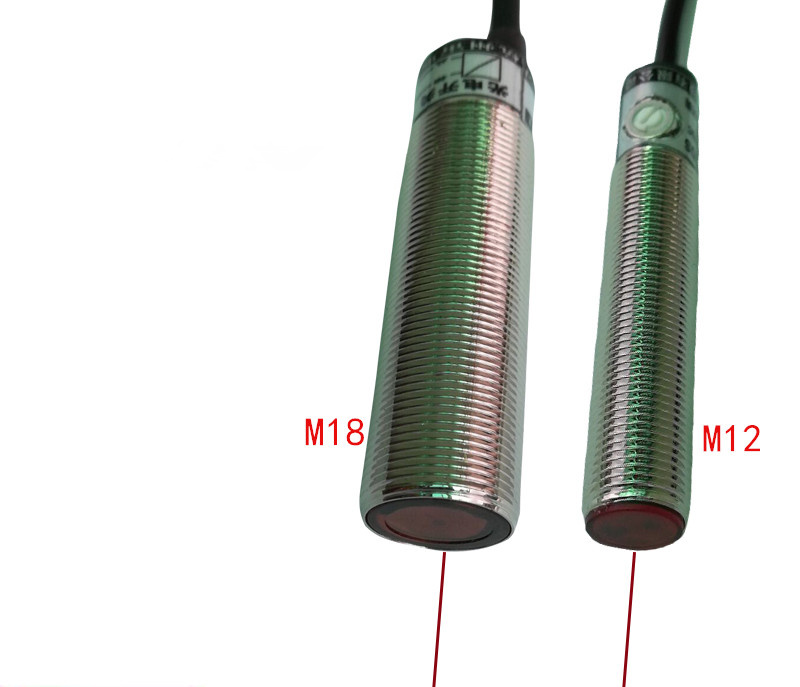
Infrared and visible ray M12/M18 photoelectric proximity switch engineered for industrial factory automation lines.
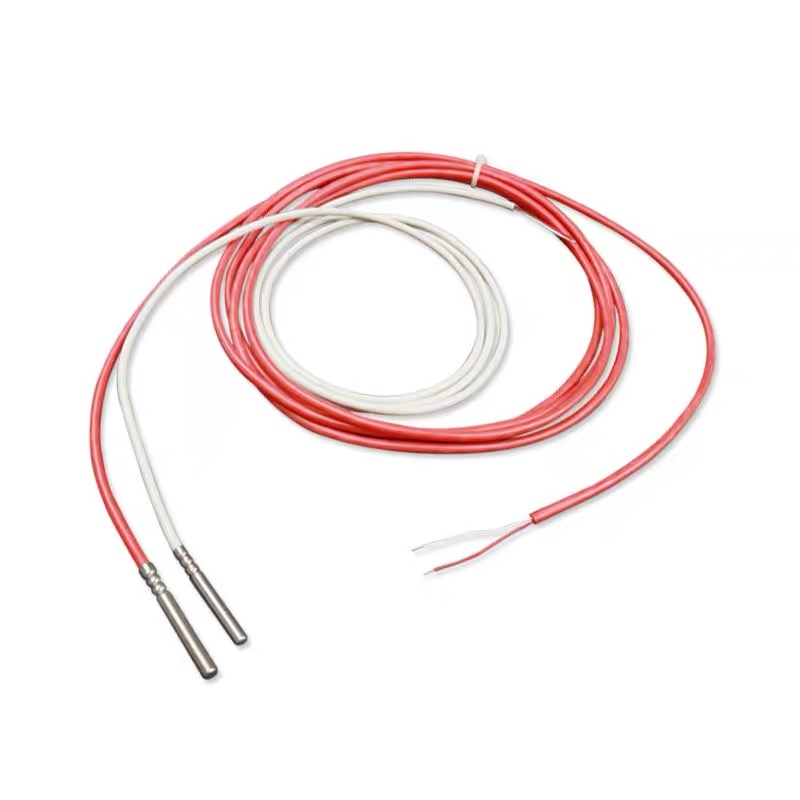
High-temperature silicone encapsulated RTD probe, offering waterproof IP68 protection for liquid thermal loops.
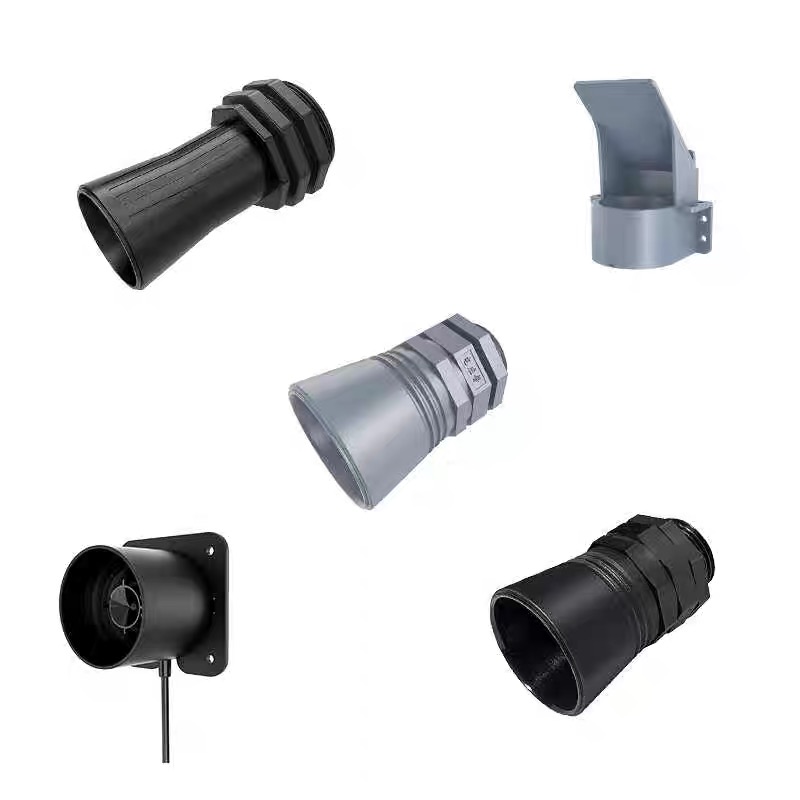
Non-contact level gauging solution specifically sealed for municipal sewer pipes and drainage network inspection.
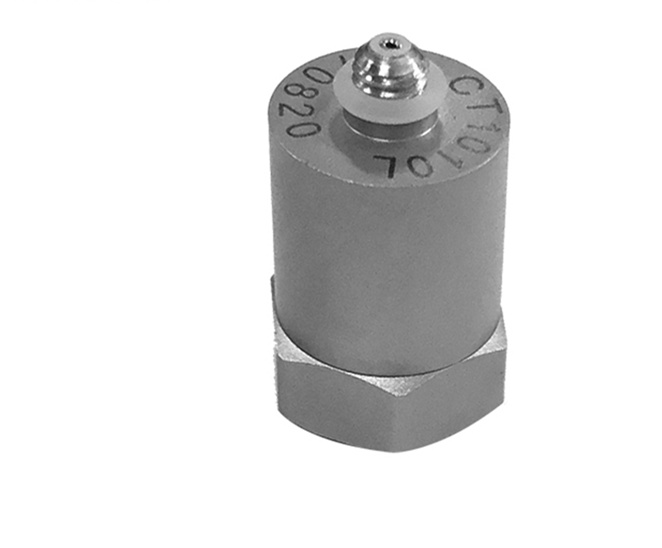
0.5-5000Hz broad-bandwidth vibration transmitter for dynamic displacement, impact diagnostics, and predictive maintenance.
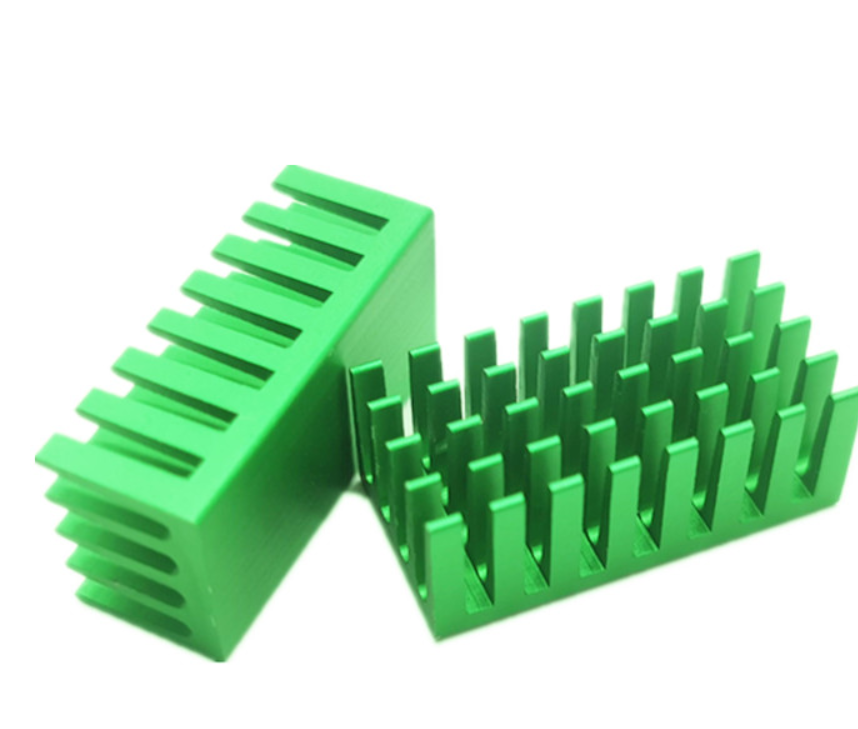
28*14*11mm extruded aluminum dissipator with optimized fin geometry for GPU, power ICs, and sensor transceivers.
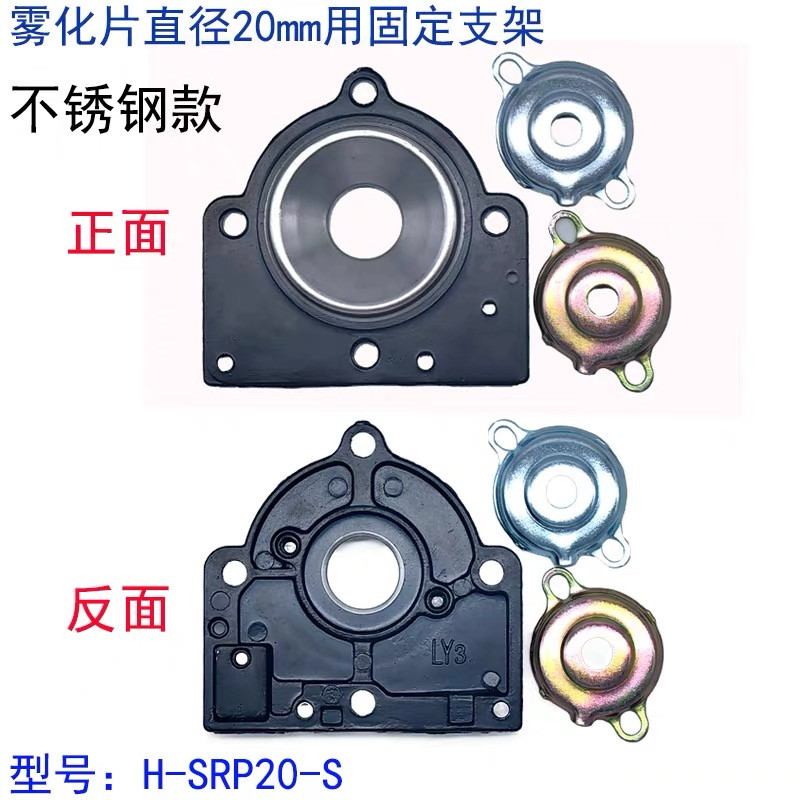
Precision corrosion-resistant aluminum alloy and stainless steel bracket assembly for ultrasonic transducers.
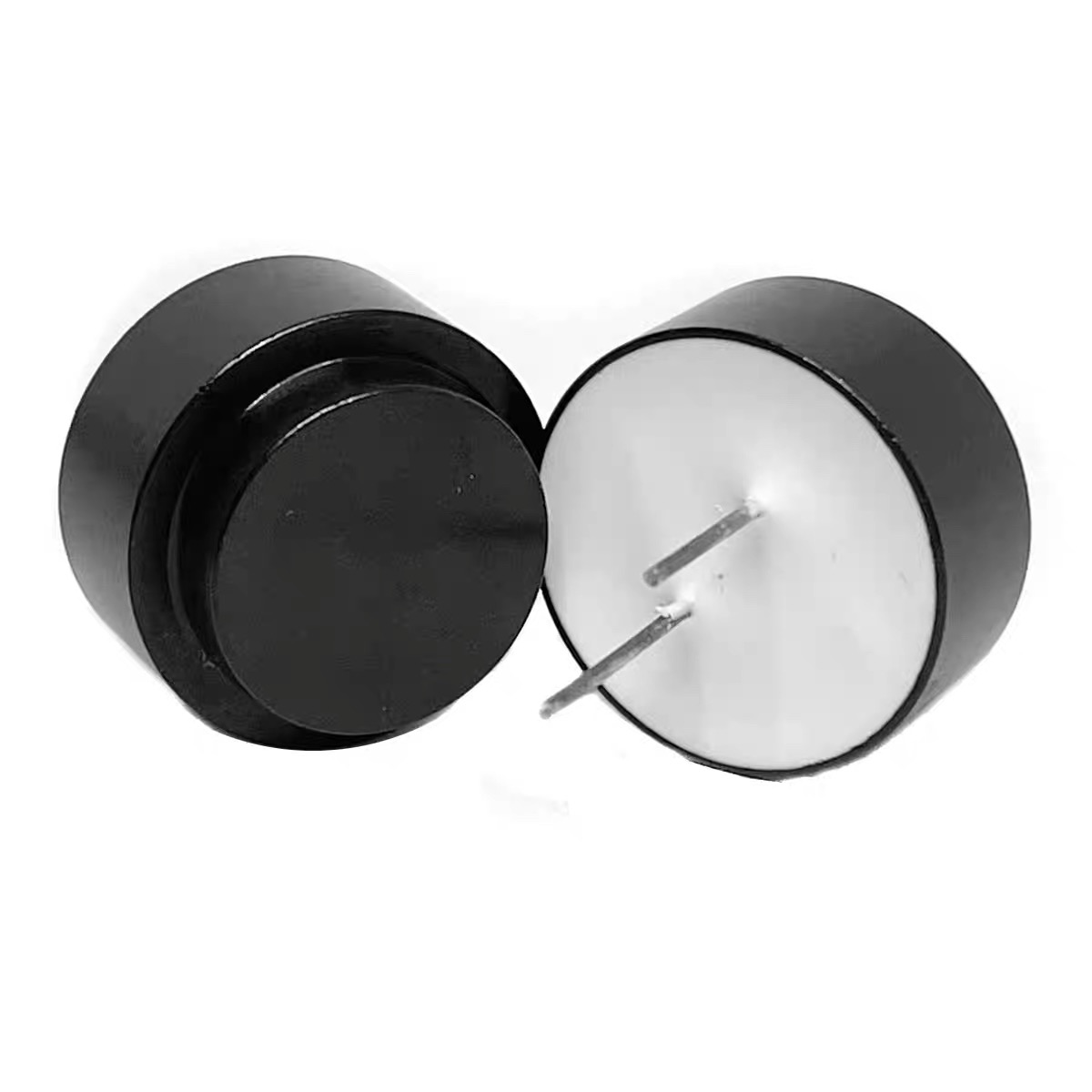
Compact transceiver probe module engineered for automotive obstacle sensing, robotic navigation, and smart IoT nodes.
In modern high-precision process industries, temperature measurement reliability underpins thermodynamic efficiency, environmental safety, and system longevity. Resistance Temperature Detectors utilizing high-purity platinum films or wire windings—predominantly PT100 elements exhibiting a baseline resistance of 100.00 Ω at 0 °C—represent the worldwide gold standard in stable thermal transduction. For German Original Equipment Manufacturers (OEMs) and process automation engineering firms, temperature probe requirements are deeply rooted in rigorous standards such as DIN EN 60751.
Shenzhen Mivo Electronics Co., Ltd. integrates advanced thin-film platinum deposition, high-density mineral insulated (MI) cable fabrication, precision TIG welding, and full-turnkey SMT signal conditioning to export customized PT100 temperature sensor probes directly to European mechanical equipment manufacturers, analytical laboratory builders, and energy engineering contractors.
German engineering specifications demand exact boundary classification to minimize uncertainty budgets inside PLC input loops and multichannel SCADA systems. We supply platinum RTD sensors across multiple verified tolerance tiers:
| Tolerance Class | Tolerance Formula (Δt in °C) | Tolerance at 0 °C | Tolerance at 100 °C | Recommended Application |
|---|---|---|---|---|
| Class B | ± (0.30 + 0.0050 × |t|) | ± 0.30 °C (±0.12 Ω) | ± 0.80 °C (±0.30 Ω) | General industrial process lines, HVAC, hydraulic fluid tanks |
| Class A | ± (0.15 + 0.0020 × |t|) | ± 0.15 °C (±0.06 Ω) | ± 0.35 °C (±0.13 Ω) | Chemical reactors, pharmaceutical autoclaves, food pasteurization |
| Class 1/3 DIN | ± (0.10 + 0.0017 × |t|) | ± 0.10 °C (±0.04 Ω) | ± 0.27 °C (±0.10 Ω) | Precision test benches, turbine bearing monitoring, laboratory calibration |
| Class 1/10 DIN | ± (0.03 + 0.0005 × |t|) | ± 0.03 °C (±0.012 Ω) | ± 0.08 °C (±0.031 Ω) | Primary metrology, cryogenic gas liquefaction, semiconductor lithography |
Germany’s diversified industrial foundation leverages tailored PT100 RTD sensor probes across three critical operational pillars:
1. Industry 4.0 Mechanical Automation & CNC Machine Tools (Baden-Württemberg & Bavaria): German high-speed spindle drives and linear feed axes generate localized thermal gradients that threaten machining tolerances. Our compact mineral-insulated 3mm × 15mm PT100 sensors integrate directly into spindle bearing blocks and oil-mist lubrication channels to provide real-time thermal drift compensation directly to Siemens Sinumerik and Beckhoff TwinCAT automation architectures.
2. Chemical & Pharmaceutical Processing (North Rhine-Westphalia & Rhine-Neckar): In hazardous, chemically aggressive atmospheres, corrosive acids and CIP/SIP (Clean-In-Place / Steam-In-Place) washdowns demand specialized sensor sheathing. We fabricate thermowell probes from electro-polished 316L (1.4404) and Hastelloy C-276, utilizing laser-welded seams that withstand thermal shock from -50 °C to +400 °C while maintaining hermetic isolation against aggressive media.
3. Hydrogen Electrolysis, Renewable Energy & Battery Thermal Storage: As Germany transitions to decarbonized grids and green hydrogen (Wasserstoffwirtschaft), electrolysis stacks and large-scale stationary Lithium-ion energy storage systems (BESS) require high-channel-density, non-sparking, 4-wire Class A RTD probes to detect localized hotspots before thermal runaway propagation occurs.
German purchasers are transitioning from standalone analog passive sensors toward smart digital sensor probes. Traditional PT100 resistance outputs are sensitive to electromagnetic interference (EMI) generated by modern variable frequency drives (VFDs) and heavy servo equipment. Consequently, the demand for head-mounted transmitters that convert the PT100 millivolt-level signal into noise-immune IO-Link, 4-20mA HART, or Modbus RTU protocols has surged by over 34% within the domestic mechanical engineering cluster.
Furthermore, sustainability mandates across the European Union (such as the EU Corporate Sustainability Due Diligence Directive) require full material traceability. Every stainless-steel sheath, lead wire alloy, and fluoropolymer jacket exported by Shenzhen Mivo Electronics is fully compliant with RoHS 3 (Directive 2015/863/EU) and REACH regulations, backed by full batch material test reports (MTR) according to EN 10204 3.1 specifications.
Laser-fused 316L/1.4404 stainless steel sheaths with epoxy potting or glass-sealed transitions ensure zero moisture ingress even under saturated steam sterilization.
Compacted magnesium oxide (MgO) powder insulation protects internal platinum coils against sustained mechanical shock up to 30g and harsh industrial acoustic resonance.
Complete engineering flexibility across simple short-run 2-wire setups, compensated 3-wire industrial loops, and true 4-wire laboratory circuits eliminating lead resistance entirely.
Unlike standard sensor assembly workshops, Shenzhen Mivo Electronics Co., Ltd. operates as an onsite-verified electronics manufacturing power-center. Our integrated facility bridges mechanical probe fabrication with high-density electronics hardware production:
Onsite-Verified Manufacturing Facility: Our company legal status and production facilities are confirmed via comprehensive third-party audit and Alibaba onsite verification. Operating across a clean manufacturing facility staffed by 51-100 skilled engineers and assembly technicians, we bridge the gap between individual sensor elements and turnkey electronic assemblies.
Complete Circuit Board & Transceiver Synergy: A high-performance PT100 probe is only as dependable as the signal processing board reading its resistance. At Mivo Electronics, we manufacture rigid FR-4 multilayer boards, metal-core aluminum PCBs for rapid heat dissipation, flexible printed circuits (FPC), and surface-mount stencils under one roof. Our engineers assemble signal-conditioning PCBA modules, program proprietary firmware, and match sensor probes with board-mount thermocouple and RTD connectors (such as our PCC-SMP series).
Flexible Low-Volume Prototyping (MOQ from 5 Pcs): We understand that German machinery development follows an iterative validation lifecycle. While typical factories demand production commitments of 1,000 units, we support pilot machine runs, customized engineering test benches, and pre-series prototypes with minimum orders starting from just 5 to 10 pieces.
Strict Component Traceability: Procuring through verified primary semiconductor and precious metal channels, we eliminate counterfeit parts and unverified alloys. If an electronic component requires a secondary alternative due to international lead time bottlenecks, our engineers provide complete datasheets and cross-reference documentation for explicit buyer sign-off prior to SMT fabrication.
Every batch of our PT100 sensors is subjected to multi-point temperature bath calibration (0 °C ice-point bath and high-precision fluid thermostats). Elements are verified for nominal resistance R° (100.00 ± 0.06 Ω for Class A) and temperature coefficient (α = 0.003851). Calibration certificates and resistance measurement logs are issued per lot upon request.
For cable runs over 2 meters, 2-wire probes introduce parasitic copper resistance errors (~0.38 Ω/m for 24AWG, introducing up to +1.0 °C measurement offset). For standard German PLC inputs (Siemens S7-1200/1500 RTD modules), a 3-wire configuration compensates for symmetrical line resistance. For high-precision metrology or calibration baths, 4-wire connections completely eliminate cable resistance variables.
We supply PVC cables for economical low-temp duties (-20 °C to +80 °C), flexible silicone rubber for wet and medium thermal loops (-50 °C to +180 °C), PTFE/PFA fluoropolymer jackets for aggressive chemical baths and autoclave steam (-70 °C to +260 °C), and stainless steel wire over-braided fiberglass cables for thermal furnaces exceeding +450 °C.
Custom prototype probe samples and pre-series batches typically ship within 7 to 10 working days from technical drawing confirmation. Production orders are securely packaged with ESD protection and shipped directly via DHL Express, FedEx, or air freight (Frankfurt FRA / Munich MUC), with full customs documentation including HS codes, EUR1/commercial invoice, and material declarations.
Send your custom probe mechanical drawings, electrical wiring schematics, or target operating environments. Our application engineers provide comprehensive design-for-manufacturability (DFM) feedback and competitive OEM quotations within 24 hours.
Contact Us