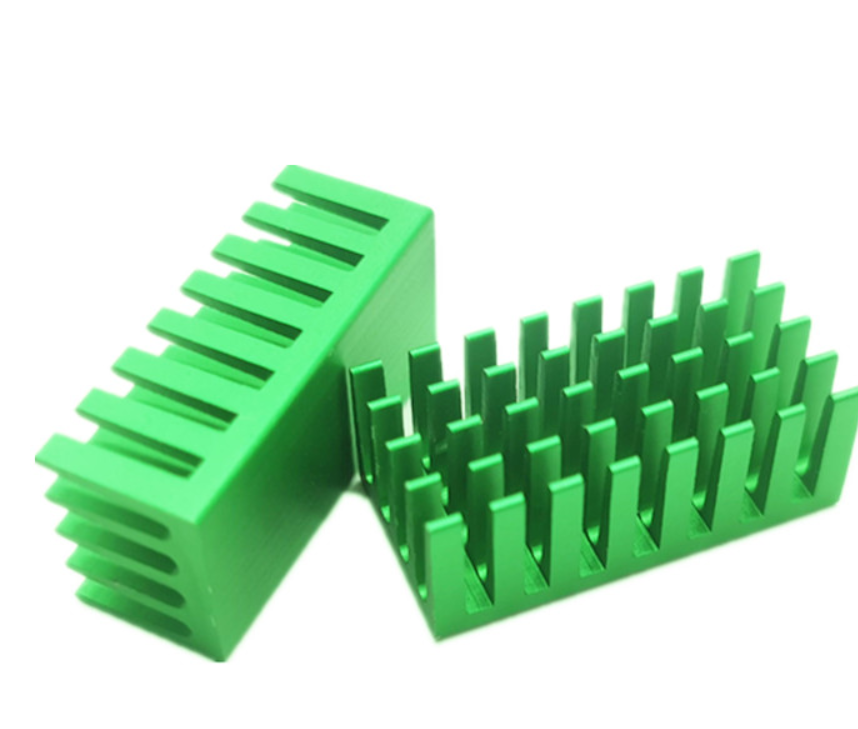
Featured Thermal Management Radiators & Electronics
From compact IC coolers and massive extruded base plates to industrial sensor integration, our catalog delivers factory-tested precision built for high-performance Mediterranean deployments.
Thermal Management Challenges in Larnaca: Mediterranean Climate & Marine Electronics
Why standard commercial cooling fails in Cyprus coastal environments and how engineered extruded aluminum solves thermal derating and galvanic corrosion.
Larnaca, serving as a pivotal logistics, aviation, and maritime hub for the Republic of Cyprus, exhibits distinct microclimatic characteristics that pose severe challenges for power electronics and industrial control installations. With summer ambient temperatures regularly exceeding 40°C in inland industrial zones such as Aradippou and Dromolaxia, coupled with high coastal relative humidity exceeding 75% and direct exposure to marine sodium chloride aerosols from Larnaca Bay, standard commercial heatsinks quickly degrade. Unprotected or poorly extruded aluminum profiles suffer rapid surface pitting, galvanic degradation, and sudden thermal runaway due to clogged, under-dimensioned fin geometries.
Shenzhen Mivo Electronics designs and exports extruded aluminum heat sink radiators tailored specifically to counter Mediterranean climatic stress. Our precision extrusion profiles use ultra-pure AL6063-T5 and AL6061-T6 alloys, offering optimal thermal conductivity (up to 209 W/m·K) combined with rigorous structural integrity. To combat Cyprus's saline coastal air, our heatsinks undergo specialized chemical conversion, thick-layer sulfuric anodizing (Type II & Type III hard anodizing reaching 15–25 µm), and electrophoretic sealing. This surface chemistry creates an impermeable barrier against airborne chloride salts, exceeding 1,000 hours in neutral salt spray (ASTM B117) testing without fin degradation or thermal transfer loss.
Furthermore, our engineering team integrates precision thermal modeling to maintain semiconductor junction temperatures ($T_j$) well below critical manufacturer thresholds (typically 85°C to 105°C), even under non-conditioned, high ambient Mediterranean conditions. Whether designing high-aspect-ratio comb radiators for LED infrastructure along the Larnaca Salt Lake bypass or oversized high-power groove cooling plates for solar PV inverter stations in Kiti, our systems optimize natural convection airflow velocity while maximizing radiant heat transfer via optimized emissivity-enhancing black anodized surfaces.
Solar PV & Energy Storage Systems
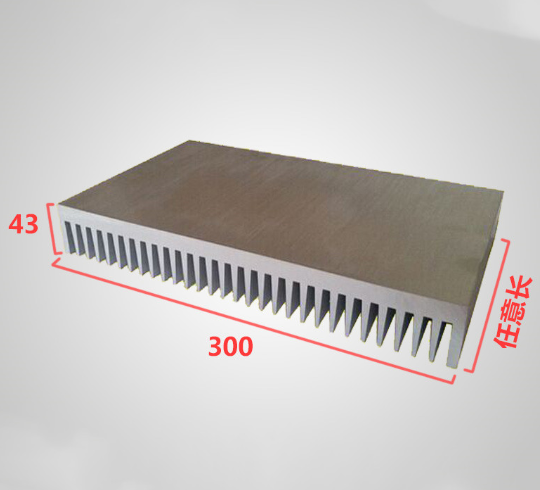
Larnaca's aggressive renewable energy adoption requires centralized string inverters and battery energy storage systems (BESS) capable of withstanding intense UV radiation and soaring peak ambient temperatures. Our large-power cooling plates (up to 300mm width) and grooved heatsink profiles guarantee uninterrupted DC-to-AC conversion efficiency without inverter thermal derating.
Maritime Port & Naval Automation
With Larnaca Port and Marina undergoing historic expansion, seaside crane automation, dockside EV chargers, and maritime communication electronics face constant saltwater mist. Our thick-anodized comb and grooved extruded radiators withstand harsh marine atmospheres without pitting, protecting mission-critical switchgear and telemetry.
Aviation & Telecommunications
Operating near Larnaca International Airport (LCA), high-frequency radar enclosures, 5G cellular base stations, and edge computing nodes demand fanless, high-reliability passive cooling to minimize airborne particulate intake and maintenance downtimes under uninterrupted year-round duty cycles.
Engineering Parameters: Extrusion Profiles for Coastal Deployments
Comprehensive mechanical, metallurgical, and thermal properties engineered for high-heat, high-salinity Mediterranean installations.
| Technical Specification | Standard Commercial Grade | Mivo Coastal Heavy-Duty Extrusion | Engineering Benefit for Cyprus Buyers |
|---|---|---|---|
| Base Alloy Composition | Recycled / Secondary 6063 Aluminum | Virgin 6063-T5 / 6061-T6 High Purity | Zero internal micro-voids; maximum thermal conductivity (201-209 W/m·K). |
| Surface Treatment & Coating | Standard Mill Finish / 5-8 µm Anodize | 15–25 µm Hard Anodized (Mil-A-8625 Type III) | Immunity to saline micro-corrosion, chalking, and salt spray degradation. |
| Surface Emissivity ($\epsilon$) | 0.05 to 0.15 (Poor thermal radiation) | 0.85 to 0.93 (High-Emissivity Matte Black) | Increases radiant heat dissipation by up to 25% in sealed ambient environments. |
| CNC Milling & Base Flatness | > 0.15 mm / 100 mm (Rough base) | $\le$ 0.02 mm CNC Fly-Cut Fly-Milled Base | Near-zero thermal contact resistance ($R_{th}$) between heatsink and IGBT/IC packages. |
| Fin Aspect Ratio Capability | Up to 10:1 (Thick, widely spaced fins) | Up to 24:1 High-Density Extruded Fin Ratios | Maximum surface area per cubic decimeter without requiring noisy forced-air fans. |
| Salt Spray Resistance (ASTM B117) | 48 - 96 Hours before pitting | 1,000+ Hours without surface degradation | Extended 15+ year operational lifespan for outdoor equipment across Larnaca coastlines. |
Thermal Management Technology Trends Across Larnaca & Cyprus
How rapid infrastructure modernizations, EV charging corridors, and solar farm upgrades are reshaping thermal hardware procurement.
1. Transition from Active Fans to Sealed Passive Enclosures
Due to airborne Mediterranean sand, dust, and humid salt crusts, active cooling fans frequently suffer bearing seizure within 12–18 months. Cypriot engineers are heavily shifting toward passive, large-fin extruded aluminum radiators. By pairing high-aspect-ratio profiles with integrated heat pipes, complete enclosures achieve IP66/IP67 ingress ratings while shedding heat naturally through convection.
2. Solar Hybrid Inverter Upgrades & Storage Modernization
Cyprus is expanding its solar microgrid and utility-scale solar farms across the Larnaca district. Next-generation silicon carbide (SiC) and gallium nitride (GaN) power stages generate concentrated heat fluxes. Local electrical engineering firms and solar contractors demand custom CNC groove aluminum heatsinks designed to directly integrate with PCB power components and busbars.
3. Smart Marine Telemetry & Environmental Monitoring
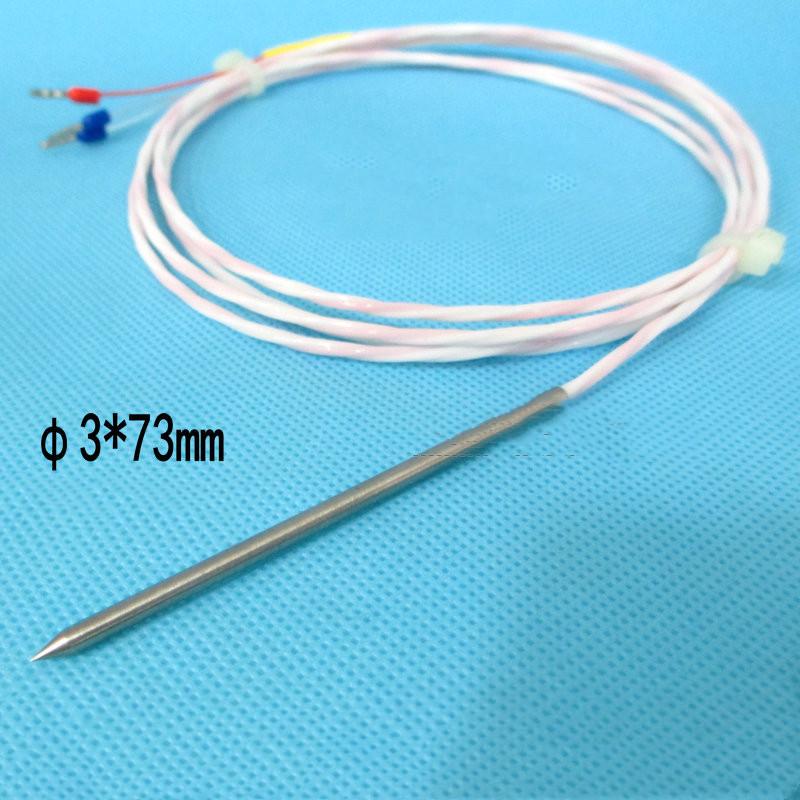
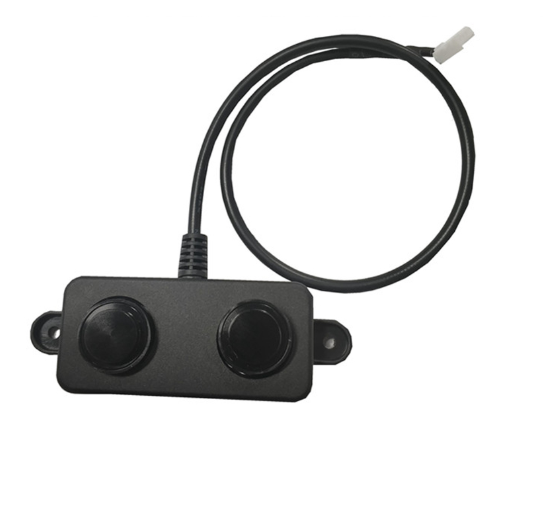
With Larnaca expanding smart port facilities and offshore maritime telemetry, electronics require integrated sensor mounts. Buyers increasingly source extruded heatsinks pre-machined with mounting bosses for PT100 temperature sensors, leak detection ropes, and ultrasonic water level sensors to protect electrical cabinets against sudden liquid ingress.
Your Verified Shenzhen Manufacturing Partner for Larnaca Importers
Combining complete on-site verified fabrication capabilities with flexible custom minimum order quantities and turnkey electronics assembly.
Onsite-Verified Facility
Founded in 2016 in Shenzhen with 51–100 skilled personnel. Independently verified onsite by third-party inspection firms and Alibaba.com over an 8-year verified export history.
Turnkey Co-Engineering
We do not just supply bare extrusions. We offer integrated PCBA assembly, aluminum core PCB (MCPCB) manufacturing, SMT stencil laser cutting, and custom wire harness routing under one roof.
Prototyping from 5 Pieces
Eliminate inventory risk. We support R&D teams and bespoke system integrators in Cyprus with custom prototype batches starting from just 5 pieces for PCBA and low MOQ tooling runs for heatsinks.
Direct Port-to-Port Export
Seamless logistics from Shenzhen straight to Larnaca International Airport (LCA) for air cargo rush orders or Limassol / Larnaca sea ports for cost-effective full container and LCL consignments.
Frequently Asked Questions for Larnaca Importers & Engineers
Clear answers regarding customs clearance, lead times, CAD file formats, and thermal performance testing.
What is the typical shipping lead time from Shenzhen to Larnaca?
For prototype samples and urgent replacement heatsinks, express air freight via DHL, FedEx, or UPS to Larnaca Airport typically delivers within 4 to 7 working days. For bulk production orders, sea freight to Cyprus (via Limassol or Larnaca container terminals) generally takes between 22 and 28 days transit time. Full customs documentation (Commercial Invoice, Packing List, Certificate of Origin, and HS Code classification) is provided for smooth clearance through Cyprus Customs.
Can you provide custom CNC machining on standard extruded heat sink profiles?
Yes, absolutely. In addition to our hundreds of open-mold extrusion profiles, our in-house CNC machining centers perform precision fly-cutting, drilling, tapping, counterboring, and pocket milling. Whether you require specific standoff cutouts for TO-220/TO-247 transistors, mounting holes for PT100 RTD sensor housings, or complex thermal interface geometry, we machine directly to your STEP, IGES, or DWG drawings.
Which anodizing finish is recommended for outdoor installations in Cyprus?
For installations in Larnaca, Aradippou, or coastal areas across Cyprus, we strongly advise a minimum of 15 to 20 µm black anodize or clear hard anodize. Black anodized surfaces provide two significant engineering advantages: they provide exceptional resistance against airborne marine chlorides, and they elevate surface thermal emissivity ($\epsilon$) from ~0.08 to over 0.88, which drastically boosts thermal radiative emission in enclosed outdoor cabinets.
Can Mivo Electronics assemble the PCB, sensors, and thermal hardware together?
Yes. That is our core advantage over simple extrusion mills. We provide turnkey PCB manufacturing, component sourcing, SMT assembly, thermal pad application, and final mechanical integration of heatsinks and temperature probes. Larnaca clients receive ready-to-mount, fully tested electronic sub-assemblies, simplifying supplier management down to a single accountable partner.
Ready to Engineer Your Custom Thermal Radiator Project?
Consult with our thermal engineering specialists today. Share your STEP 3D models, thermal dissipation requirements, or PCBA Gerber files for a rapid DFM review, competitive factory pricing, and fast Cyprus delivery.
Inquire Now