Precision Engineering Portfolio
Featured Sensors, Modules & Assemblies Serving West End Integrators
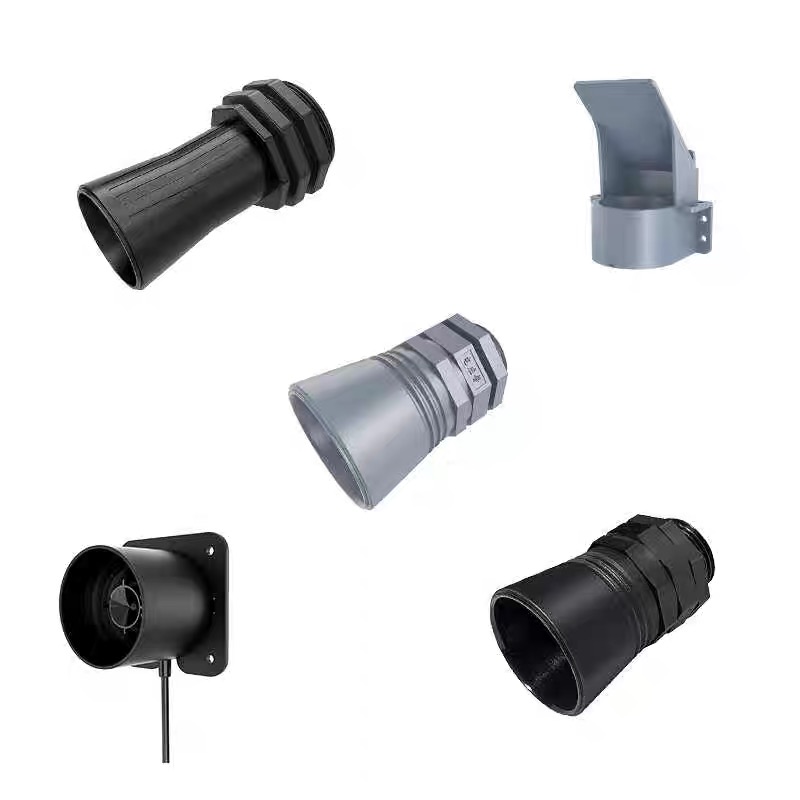
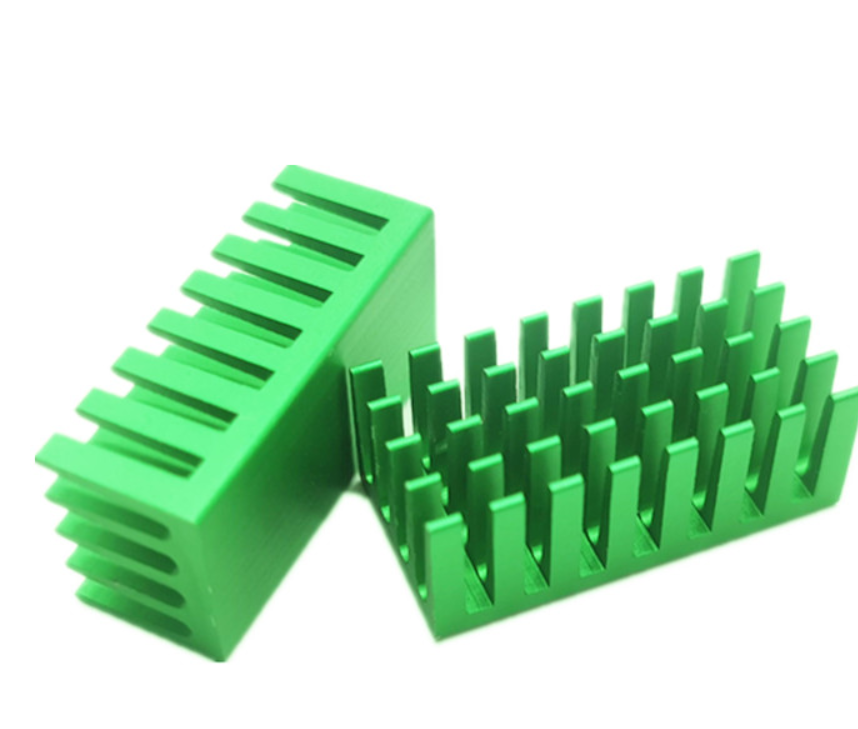
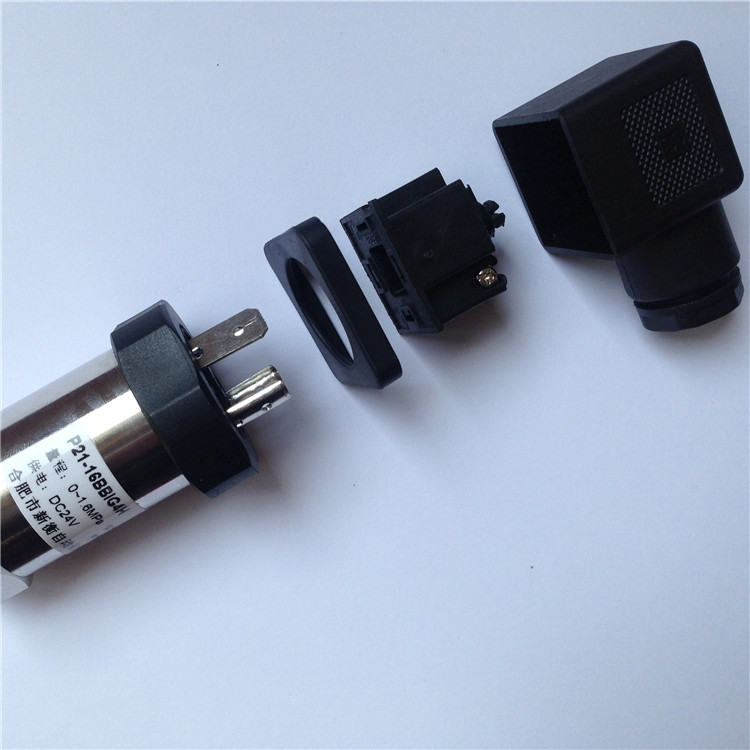
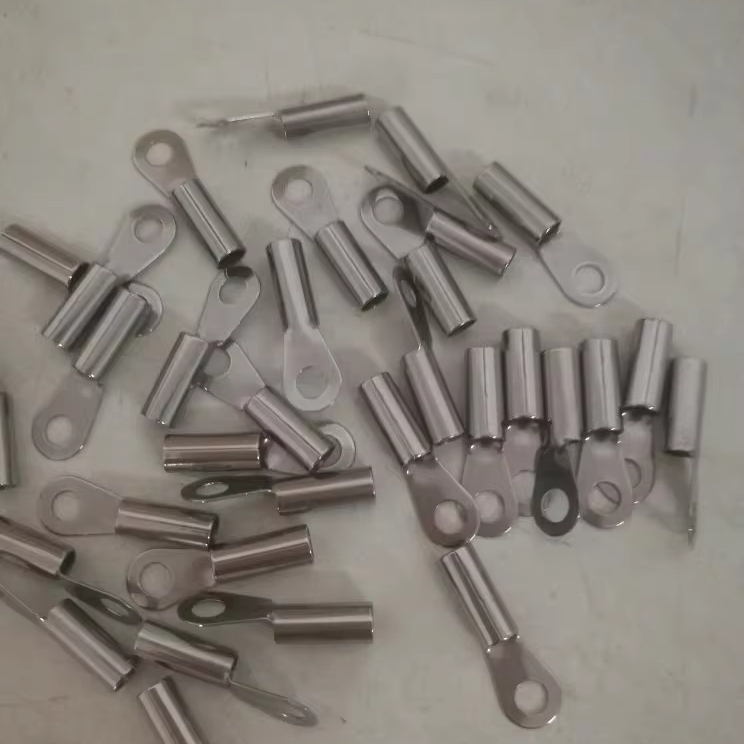
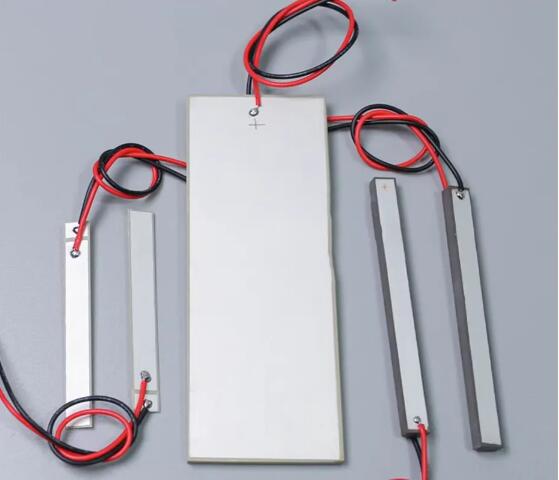
Complementing our advanced Flexible Printed Circuit (FPC) and PCBA lines, these sensor interfaces, piezoelectric ceramics, and thermal management units form the hardware backbone of today's field-deployed electronics.
Technical Whitepaper Analysis
Engineering Architecture: Polyimide Substrates, Dynamic Flex Cycles, & Signal Integrity
Deploying electronic hardware into dense metropolitan networks and precision medical devices in the West End demands a comprehensive understanding of substrate physics, layer stack-up optimization, and flex-to-fit mechanical tolerances.
Substrate Chemistry: Adhesiveless Polyimide vs. Standard Adhesives
In modern Flexible Printed Circuit (FPC) fabrication, substrate selection dictates not only mechanical endurance but also high-frequency signal propagation. For projects engineered across West End hardware incubators, Shenzhen Mivo Electronics implements adhesiveless cast polyimide base laminates ranging from 12.5µm to 50µm thicknesses. Conventional three-layer laminates utilizing modified acrylic or epoxy adhesives are prone to micro-cracking and outgassing when subjected to repeated thermal variations (-40°C to +125°C) and tight bend radii.
By eliminating the adhesive interlayer, our adhesiveless copper-clad laminates (FCCL) achieve superior dimensional stability (shrinkage rates under 0.05%), reduced total board profile, and an ultra-low dielectric constant (Dk ~3.2–3.4 at 10 GHz) alongside an exceptionally low dissipation factor (Df ~0.002–0.003). This permits hardware architects to route high-speed differential pairs with tightly regulated 90Ω or 100Ω impedance while maintaining dynamic bend flex life exceeding 1,000,000 cycles in reciprocating mechanical assemblies.
"The convergence of dynamic bending durability with controlled RF dielectric loss represents the single most critical gating factor for West End engineering firms developing next-generation medical wearables and miniature acoustic telemetry pods."
Copper Foil Grain Morphology: RA vs. ED Copper Dynamics
A common point of failure in rapid FPC prototyping stems from an incorrect copper foil specification. Electro-Deposited (ED) copper features a vertical columnar crystal structure optimal for static 3D installations where the circuit is flexed once into an enclosure ("flex-to-install"). However, when West End industrial clients design dynamic assemblies—such as robotic scanning heads or continuously moving optical gantry links—ED copper experiences work hardening and catastrophic grain shear under low cycle counts.
To prevent grain fracture, Mivo employs Rolled Annealed (RA) copper foil for dynamic high-flex applications. Through specialized high-temperature rolling processes, RA copper develops elongated horizontal grains parallel to the foil surface. When traces are oriented longitudinally relative to the mechanical bend axis, RA copper yields an elastic-to-plastic elongation threshold capable of absorbing continuous strain. When coupled with our laser micro-via drilling and selective immersion gold (ENIG) or immersion silver (IAg) plating, trace peeling is eliminated even at a microscopic 50µm trace/space geometry.
Furthermore, coverlay selection plays a pivotal role. Laser-routed polyimide film (12.5µm/25µm) bonded with thermosetting resin ensures strict isolation against moisture and localized chemical contaminants, outperforming photo-imageable solder resist (LPI) in long-term flex stress conditions.
| Substrate / Design Parameter | Standard Commercial FPC | Mivo High-Reliability Dynamic FPC | Rigid-Flex Hybrid Tier |
|---|---|---|---|
| Base Dielectric Laminate | 1 mil PI with Acrylic Adhesive | 0.5 mil / 1 mil Adhesiveless Polyimide | Multi-zone PI Core + Low-Flow Prepreg + FR4 |
| Copper Type & Thickness | 0.5 oz / 1 oz ED Copper | 0.33 oz / 0.5 oz / 1 oz Rolled Annealed (RA) | 1/3 oz to 2 oz Dual-Foil Hybrid Layout |
| Minimum Trace / Space (Pitch) | 0.100 mm / 0.100 mm (4 / 4 mil) | 0.050 mm / 0.050 mm (2 / 2 mil) Laser Processed | 0.065 mm / 0.065 mm Controlled Impedance |
| Minimum Bending Radius | 10× to 15× Total Board Thickness | < 5× Board Thickness (Dynamic >10⁶ cycles) | 1-to-1 Static Bend with Embedded Air-Gap |
| Surface Finish Chemistry | Lead-Free HASL or Flash Gold | ENIG (Au: 2–3µ", Ni: 120–200µ") / ENEPIG | Selective Hard Gold + Immersion Silver |
| Operating Temperature Window | -20°C to +85°C | -40°C to +135°C (Extended Class) | -55°C to +150°C Heavy Industrial Rated |
Localized Implementation Ecosystem
High-Tech Integration Scenarios Across the West End Innovation Corridor
The West End commercial and engineering footprint encompasses cutting-edge medical technology firms, metropolitan infrastructure modernizers, acoustic researchers, and bespoke robotics laboratories. Here is how our specialized flexible circuits and matched sensory components interface with these localized application demands.
MedTech Diagnostic Catheters & Wearables
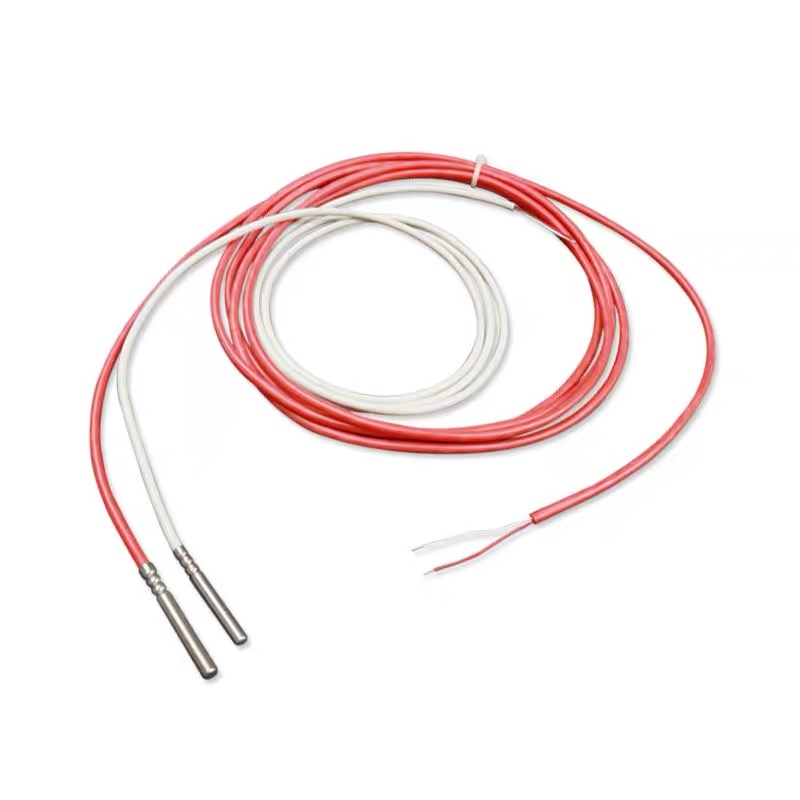
West End biotechnology research clusters consistently push the envelope in non-invasive patient monitoring and endoscopic probes. These instruments require biocompatible, micro-miniature multi-channel interlinks capable of twisting within catheter sheaths. Our ultra-thin 2-layer adhesiveless FPCs provide zero halogen outgassing, high insulation resistance (>10¹² Ω), and seamless wire-bonding to our micro-dimensioned PT1000 platinum RTD sensors for sub-millidegree physiological thermal surveillance.
Subterranean Utility & Urban IoT Monitoring
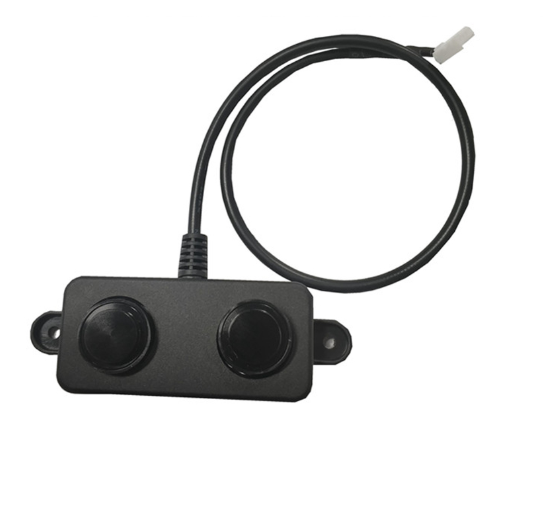
Metropolitan infrastructure in historic city quarters like West End requires smart stormwater and sewer telemetry to prevent overflow events. Integrating our Ultrasonic Down-Well Level Meters and 4-20mA oil-filled diffused silicon pressure cores with ruggedized rigid-flex interfaces enables municipal field modules to withstand 100% condensing humidity, hydrogen sulfide exposure, and periodic submersions while broadcasting telemetry to central SCADA networks without maintenance.
Hydroacoustics & Non-Destructive Testing (NDT)
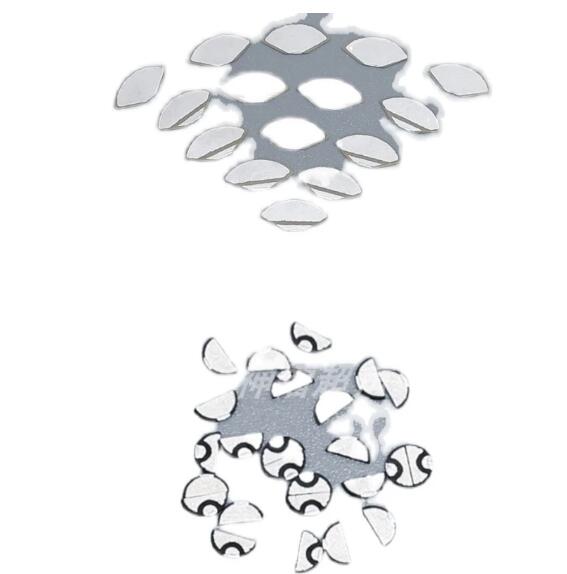
Acoustic testing institutes and structural engineering labs across the district deploy ultrasonic phased arrays for pipeline inspection and concrete stress diagnostics. By joining our custom PZT profiled-shape piezoelectric ceramic transducers with low-loss flexible copper interconnects, hardware teams eliminate bulky coaxial wiring harnesses, achieve ultra-low acoustic damping, and construct conformal transducer arrays that adhere directly to irregular structural geometries.
Forward-Looking Insights
Market & Engineering Trends Defining West End Electronics Sourcing
Procurement officers and chief technical officers in West End are navigating a rapidly shifting geopolitical and technical landscape. To secure reliable product lifecycles, hardware organizations are gravitating toward specific manufacturing paradigms.
1. Shift from Pure FPC to High-Reliability Rigid-Flex Integration
While standalone flexible circuits eliminate point-to-point discrete wiring, West End engineering teams are increasingly specifying rigid-flex hybrid assemblies. By terminating flexible polyimide cores inside rigid FR4 breakout zones, designers eliminate the vulnerability of external board-to-board connectors (ZIF/LIF connectors), which are notoriously prone to micro-fretting and shock-induced disconnection.
This trend delivers up to a 60% reduction in spatial enclosure envelope, lower bill-of-materials component counts, and elevated shock tolerance exceeding MIL-STD-810G requirements—a decisive advantage for automated robotic and aerospace prototypes undergoing test-bed evaluations in local research spaces.
2. Direct Turnkey SMT on Polyimide (Micro-PCBA Sub-Assemblies)
Historically, companies procured bare flexible printed circuits from fabricators and subsequently transferred them to third-party assembly contractors for component placement. This disaggregated supply chain caused acute finger-pointing when reflow warpage damaged fine-pitch components (01005 passives and 0.4mm pitch BGAs).
West End organizations now overwhelmingly mandate single-source turnkey accountability. Shenzhen Mivo Electronics integrates vacuum carrier pallets, nitrogen-convection reflow chambers, and laser-guided solder paste stencils specifically tuned to polyimide thermal expansion coefficients. Sourcing fabricated boards and verified electronics components under one roof mitigates thermal shock risk and compresses prototype turnaround to mere days.
Why Choose Shenzhen Mivo Electronics
Shenzhen Agile Scale Built Specifically for Overseas Engineering Buyers
We bridge the geographic gap between West End innovators and the heart of the global electronics ecosystem. Here is how our operational infrastructure guarantees transparency, quality, and accelerated delivery.
Onsite-Verified Factory & Traceability
Shenzhen Mivo Electronics Co., Ltd. is not a virtual trading firm. Our manufacturing facilities on Yuanshan Street, Shenzhen, have successfully passed rigorous onsite inspections by Alibaba.com and verified by independent international testing bodies. Operating continuously since 2016 with a dedicated technical staff of 51–100 specialists, we maintain full chain-of-custody traceability on all substrates, copper foils, and soldered active components.
Engineering-Led DFM & BOM Review
Before metal touches copper or laser cuts polyimide, our senior CAM engineers perform an exhaustive Design For Manufacturability (DFM) review. We inspect Gerber RS-274X data, drill aspects, annular ring tolerances, tear-drop reinforcements at trace-pad junctions, and BOM component footprints. If long-lead or obsolete silicon is detected, we present verified cross-reference options for your sign-off, protecting your prototype timeline against unexpected delays.
Low MOQ from 5 Pieces to Scale
Innovation in West End starts with rigorous hardware iterations. We never penalize engineering startups or specialized defense contractors with prohibitive batch requirements: turnkey PCBA orders start from just 5 pieces, bare PCB fabrication from 100 pieces, and customized RTD/piezo sensors from 10 pieces. As your product validates in the market, our high-speed Yamaha SMT placement lines effortlessly scale to high-volume production.
Direct Sourcing Clarity
Frequently Asked Questions for West End Engineering & Sourcing Teams
Clear, technically rigorous answers to the practical questions West End electrical engineers and hardware procurement managers raise when outsourcing critical board fabrication and sensor assemblies.
How do you manage controlled impedance on thin flexible substrates?
Controlled impedance in dynamic FPCs requires meticulous substrate control because standard FR4 equations do not apply. We utilize Polar SI8000 field solvers to simulate microstrip and coplanar wave-guide geometries on adhesiveless polyimide cores. By factoring in the lower Dk (3.2–3.4) of pure polyimide and utilizing hatched ground planes (instead of solid copper) where flex dynamic life is paramount, we achieve ±7% impedance accuracy on high-speed USB 3.1, MIPI, and PCIe interfaces while maintaining elastic mechanical bend flexibility.
What mechanical stiffener options are available for FPC connector zones?
Flexible circuits require mechanical rigidity where components or connectors are soldered. We provide three standard stiffener types tailored to application mechanics: (1) FR-4 stiffeners (0.2mm to 1.6mm thickness) for general surface mount connectors and discrete passives; (2) Polyimide stiffeners (0.05mm to 0.225mm) for ZIF connector fingers, strictly holding contact thickness to standard tolerances (e.g., 0.30mm ±0.03mm); and (3) 304 Stainless Steel or Aluminum backings for high-wear areas, severe thermal dissipation, or where grounding must interface directly with mechanical chassis.
What are the complete file deliverables required to commence a turnkey FPC project?
To provide a swift, accurate engineering quote and initiate our DFM audit, please supply: (1) Gerber RS-274X or ODB++ files including copper layers, coverlay openings, drill files, outline, and stiffener profile layers; (2) A Bill of Materials (BOM) in Excel with clear manufacturer part numbers, designators, and approved substitution flags; (3) Pick-and-place centroid data (XY coordinates and rotation); and (4) An assembly fabrication drawing indicating bend lines, stiffener thicknesses, and specific testing/packaging instructions.
Can Shenzhen Mivo handle component obsolescence and supply chain volatility?
Yes. Situated directly within Shenzhen—the epicenter of the worldwide electronics component supply network—we maintain direct relationships with authorized distributors and verified franchise stockists. When a microchip on your BOM experiences allocation shortages or end-of-life status, our component engineering team identifies pin-compatible or drop-in functional alternatives. A formal engineering change notification (ECN) accompanied by full datasheets is submitted to your engineering team; no alternative part is placed on an active board without your written authorization.
How do you prevent moisture damage and blistering during FPC reflow soldering?
Polyimide is inherently hygroscopic, absorbing up to 1.5%–3.0% ambient moisture by weight. If populated directly into reflow ovens, this moisture turns instantly to vapor, inducing catastrophic delamination ("popcorning"). At Mivo Electronics, all bare FPCs undergo a mandatory 4-hour pre-baking cycle at 110°C–120°C in vacuum desiccation ovens immediately prior to SMT paste printing. Components are handled according to IPC/JEDEC J-STD-033 moisture-sensitivity protocols, ensuring bubble-free, zero-defect solder joints across lead-free SAC305 thermal profiles.
What testing methodologies are used for finished flexible circuits and sensors?
Every bare flexible board passes 100% Electrical Test (E-Test) via flying probe or dedicated netlist test fixtures to identify open or short circuits down to 10V/250V isolation thresholds. Populated PCBA units undergo Automated Optical Inspection (AOI) to verify component orientation, polarity, and solder meniscus quality. For sensor units such as our PT100/PT1000 probes or oil-filled silicon pressure modules, units receive calibration runs in automated temperature/pressure chambers, with functional test data records archived per lot for complete traceability.
Accelerate Your Hardware Iteration with Direct Factory Precision
Whether you are prototyping a high-density flexible circuit for an upcoming clinical trial or establishing a resilient repeat manufacturing pipeline for industrial telemetry hardware in West End, Shenzhen Mivo Electronics delivers unmatched responsiveness, onsite-verified accountability, and true end-to-end technical mastery.