Precision Hardware & Sensor Solutions for Montreal Systems
Directly manufactured and sourced from Shenzhen Mivo Electronics. Each component matches industrial requirements across Greater Montreal, Laval, Saint-Laurent, and Longueuil.
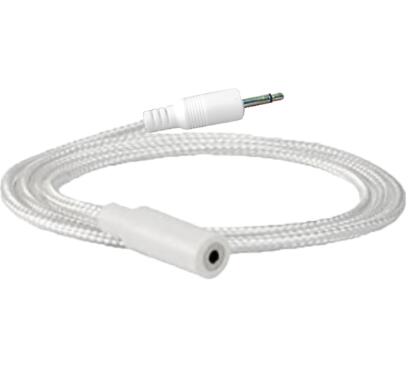
Wireless Water Leak Detection Cable Smart Home Leakage Sensing Rope
Distributed conductive polymer sensing rope for Montreal server colocation rooms, commercial risers, and sub-floor pipe freeze monitoring.
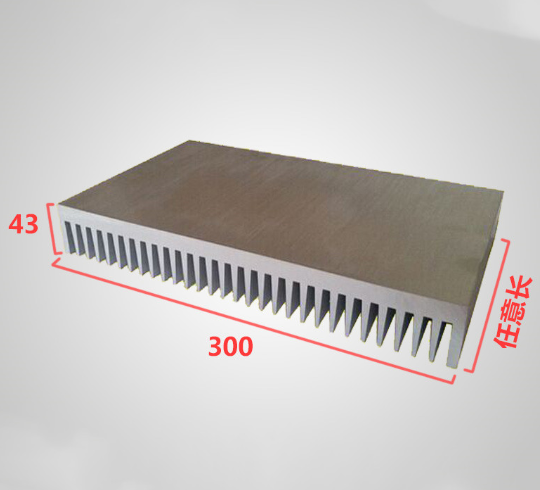
Cooling Plate 300*43*100/200/300mm Aluminum Radiator Cooler Module
High-dissipation extruded aluminum thermal backplane engineered for Quebec EV battery chargers, high-voltage converters, and power inverters.
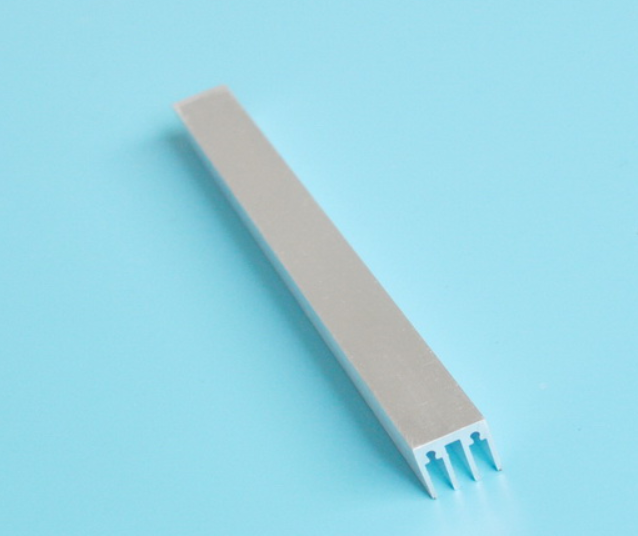
LED Comb Radiator / Light bar / Triode Radiator Custom Heatsink
Precision comb profile heat sinks providing optimized passive convection cooling for architectural strip arrays, grow lights, and signage.
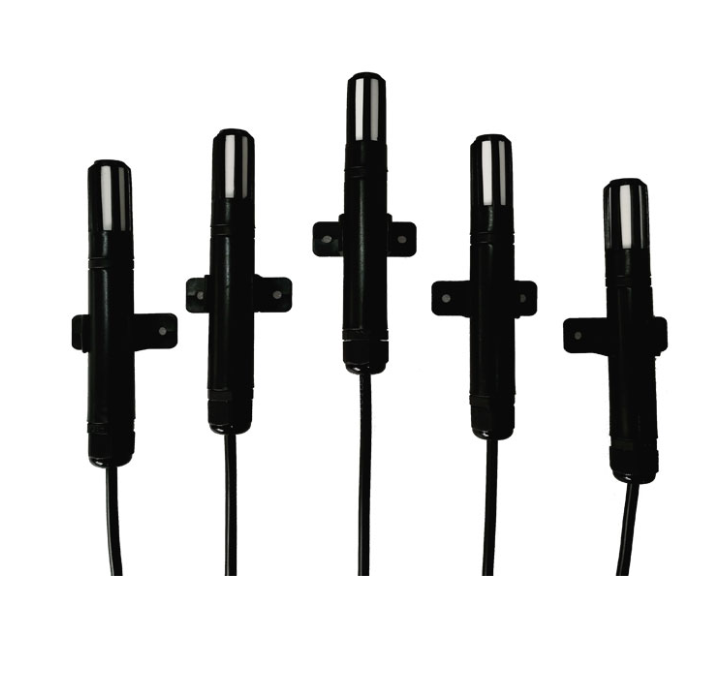
High-precision Waterproof & High-temp Air Sensor SHT30 SHT31
Calibrated digital I2C humidity & temperature sensor probe encapsulated in sintered stainless housing for severe outdoor and industrial duct testing.
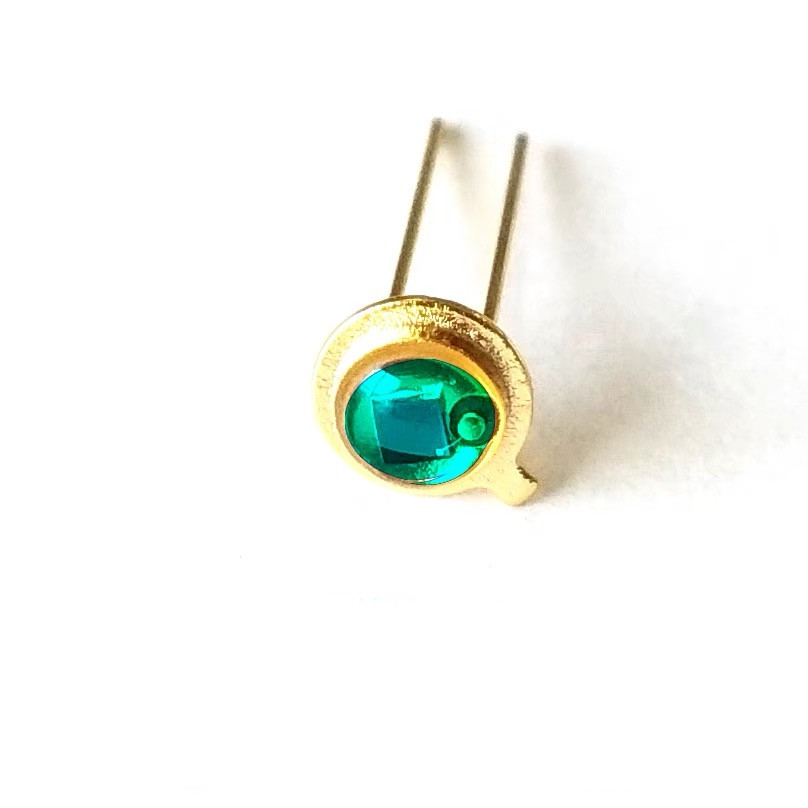
Metal Shell TO46 Package SG-PIN46MR-V High Speed Photodiode
Sub-nanosecond response 450nm optical sensor in hermetic TO-46 metal packaging, vital for Montreal research institutes and LiDAR systems.
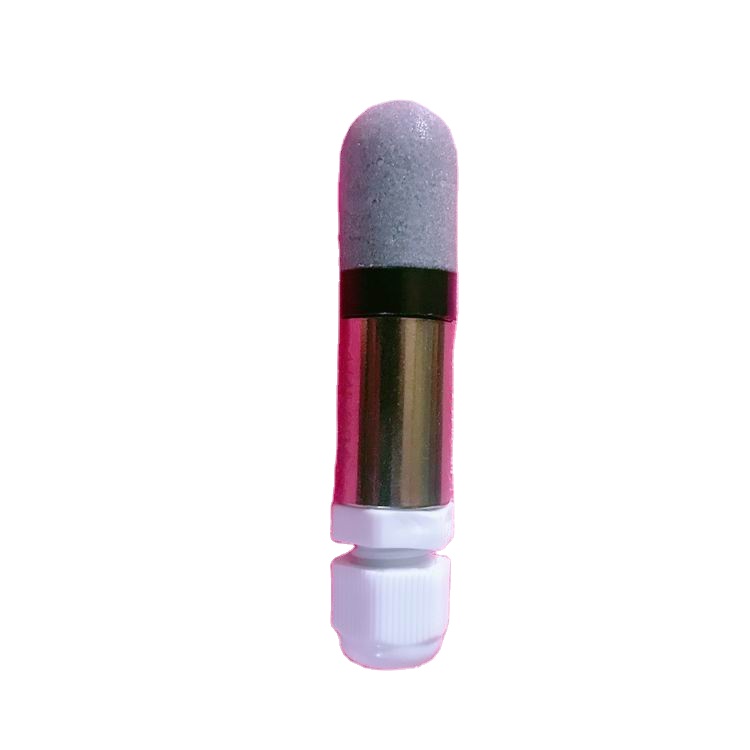
PE Temperature & Humidity Sensor Shell with Waterproof Joint
Breathing polyethylene enclosure blocking liquid ingress while permitting molecular vapor diffusion for SHT10, SHT20, and SHT30 sensor probes.
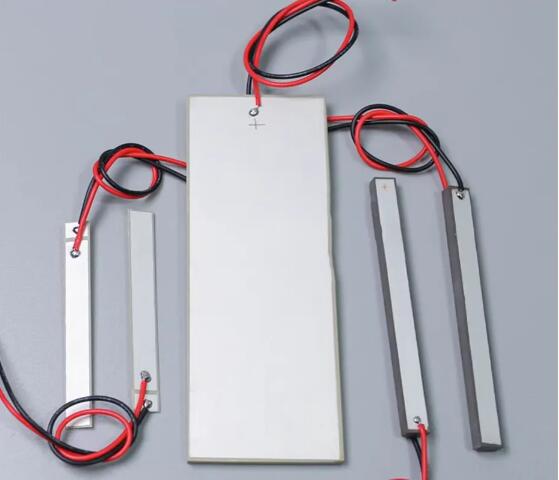
Piezo Ceramic Element PZT Long Strip Ultrasonic Transducer
High-coupling lead zirconate titanate (PZT) ceramic element tailored for non-destructive structural health monitoring, hydroacoustics, and flow metering.
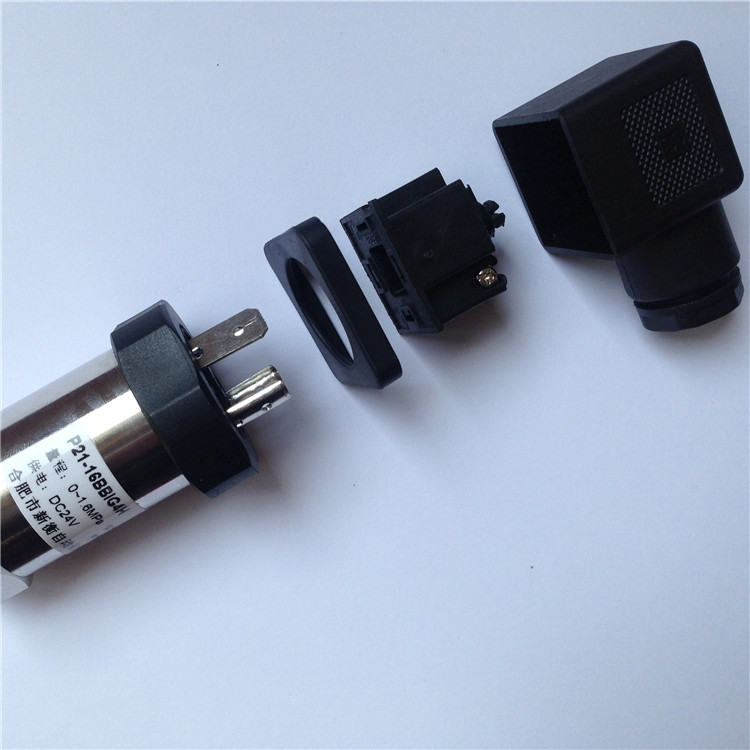
4-20mA / 0-5V Diffusion Silicon Pressure Sensor Core
Isolated 316L stainless steel oil-filled diaphragm transmitter module for municipal water infrastructure, hydraulic automation, and tank monitoring.
Engineering Flexible Printed Circuits for the Greater Montreal Ecosystem
A rigorous examination of substrate chemistry, dynamic fatigue durability, and high-density interconnection (HDI) for Quebec’s advanced hardware engineers.
As the Greater Montreal region—anchored by aerospace manufacturing clusters in Saint-Laurent, Mirabel, and Longueuil, pioneering biomedical labs in Laval and Mile-Ex, and the burgeoning clean-technology corridor along the St. Lawrence—accelerates towards hyper-miniaturized electronic integration, traditional rigid FR-4 substrates increasingly hit mechanical thresholds. The modern electro-mechanical design demands 3D spatial foldability, severe mass reduction, uninterrupted signal transmission across vibrating hinges, and verified endurance against Quebec's punishing winter thermal cycling.
Shenzhen Mivo Electronics Co., Ltd. serves as an agile manufacturing ally for Canadian hardware startups, original equipment manufacturers (OEMs), and specialized defense subcontractors. Fabricating IPC-6013 Class 2 and Class 3 flexible circuits requires a fundamental command over polymer physics, adhesive interfaces, rolled annealed copper grain orientations, and surface finish metallurgy. This engineering dossier provides hardware developers, lead electrical engineers, and procurement directors with the empirical parameters necessary to specify, validate, and procure high-reliability flexible printed circuits (FPCs) and rigid-flex systems.
Polyimide Core Materials vs. Polyester (PET) Substrates
Selecting the optimal dielectric base dictates the thermodynamic boundaries and assembly yields of your flexible interconnect assembly:
Polyimide (PI / Kapton)
Thermal ceiling exceeding 260°C to 300°C. Fully compatible with automated lead-free reflow and selective hand-soldering. Essential for medical diagnostics, aerospace harness replacements, and multi-layer flex designs.
Adhesiveless Polyimide
Direct cast-on-copper substrate eliminating acrylic or epoxy bonding layers. Reduces overall circuit thickness, eliminates adhesive outgassing under deep vacuum, and dramatically improves high-frequency dielectric stability (Dk ~3.2, Df ~0.002).
Polyester (PET / PEN)
Cost-effective substrate for single-sided membrane switch overlays, disposable biomedical sensor strips, and low-power static connections. Temperature ceiling limited to ~105°C, requiring conductive silver-paste bonding or crimp contacts.
Dynamic Flexing vs. Flex-to-Install Mechanical Physics
One of the primary causes of premature field failure in Montreal's industrial robotics and automated manufacturing deployments is the misapplication of copper foil chemistry. Flexible circuits must be designed explicitly for either Dynamic Flexing (continuous mechanical motion over hundreds of thousands of cycles) or Static Flex-to-Install (bent during housing enclosure assembly and retained permanently in place):
- Rolled Annealed (RA) Copper: Produced via intensive mechanical calendering, creating horizontally elongated, interlocking grain structures parallel to the foil surface. RA copper provides supreme flex life under repetitive bending (bending fatigue resistance up to millions of iterations when installed along the grain axis). Required for avionics gimballing, robotic arm joints, and wearable medical sensors.
- Electro-Deposited (ED) Copper: Formed through chemical plating, yielding vertical, columnar crystalline grains. While exceptional for dense trace formation, fine line geometries (<0.05mm), and static installation, ED copper experiences rapid shear fracture when subjected to dynamic cyclic flexing.
To calculate the minimum safe bend radius ($R$) for a flexible circuit, engineering teams must observe the standard design ratio: for static applications, $R \ge 10 \times (\text{Circuit Thickness})$; for high-cycle dynamic applications, $R \ge 20 \text{ to } 40 \times (\text{Circuit Thickness})$. Applying single-layer neutral axis geometry prevents compressive buckling on inner radii and tensile tearing on exterior trace surfaces.
Localized Application Scenarios in Quebec’s Tech Hubs
How flexible printed circuitry empowers engineering initiatives from the Boulevard Saint-Laurent innovation belt to the Saint-Jérôme electrified transit corridors.
Aerospace Avionics & Satellites
Saint-Laurent & Mirabel Hubs: Weight optimization is paramount for business aircraft flight control decks, sensor pods, and LEO satellite constellations. Multi-layer rigid-flex circuits replace cumbersome wiring harnesses, shaving up to 70% of inter-cabinet wiring volume while surviving severe turbofan vibration profiles.
Biomedical Diagnostics & Wearables
Laval BioTech Park & Mile-Ex: Flexible circuits provide bio-compatible, non-irritating form factors for continuous patient monitoring, endoscopic imaging wands, ultrasound heads, and wearable clinical devices requiring high-density SMT assembly onto flexible Kapton carriers.
EV Powertrains & CleanTech
Bécancour-Montreal Battery Corridor: Hydro-Québec's electrification push necessitates busbar-integrated flexible sensing arrays. Flexible circuits monitor module cell voltage and thermistor matrices inside lithium battery enclosures without the thermal bottlenecks and mass penalties of copper cable bundles.
Sub-Zero Cold Chain & IoT
Greater Montreal Logistics Corridor: Deployed in automated distribution centers and port terminals along the St. Lawrence River. FPCs resist structural brittleness at -40°C, maintaining signal fidelity in telematics units, outdoor RFID gateways, and industrial leak detection loops.
Emerging Trends in Flexible Circuit Engineering
Analyzing key advancements driving prototype speed, signal density, and cold-weather survivability across Quebec's product design laboratories.
Rigid-Flex HDI Hybridization
Montreal hardware designers are eliminating multi-board mezzanine headers by converging high-layer-count rigid processing cores (FR-4 multilayer with blind/buried microvias) directly into flexible polyimide bridge segments, eliminating connectors subject to fretting wear under vibration.
Sub-Zero (-40°C) Stress Resilience
Extreme winter climates cause acrylic adhesive brittleness and interfacial delamination. Modern FPC engineering transitions to adhesiveless polyimide laminates combined with modified flexible solder masks or polyimide coverlays (Coverlay with thermosetting epoxy adhesive), sustaining ductility during rapid thermal shock (-40°C to +85°C).
Controlled Impedance for 5G & mmWave
With Montreal emerging as a premier artificial intelligence and wireless IoT hub, flexible circuits must route differential 90-ohm USB 3.2, 100-ohm PCIe, and single-ended 50-ohm RF traces. Adhesiveless polyimide provides uniform dielectric thickness, coupled with cross-hatched ground shields to preserve flexure while preventing EMI leakage.
Why Montreal Engineers Choose Shenzhen Mivo Electronics
Combining world-class Shenzhen manufacturing velocity with verified engineering transparency, rapid low-volume turnarounds, and turnkey component sourcing.
Headquartered in the epicenter of the global electronics supply ecosystem in Shenzhen, Guangdong, China, Shenzhen Mivo Electronics Co., Ltd. (operating globally since 2016) provides an agile manufacturing bridge for North American enterprises. While high-volume domestic PCB fabricators often reject prototyping requests below hundreds of units or impose prohibitive NRE tooling fees, Mivo specializes in supporting high-mix, low-to-medium volume manufacturing runs starting from just 5 pieces.
Onsite Verified Facility
Physical plant audited and verified onsite by third-party inspection firms and Alibaba.com. 51–100 trained personnel dedicated to precision assembly and quality assurance.
Turnkey SMT & Assembly
Full-turnkey assembly lines handling 0201 passives, 0.3mm pitch BGA, QFN, fine-pitch FPC ZIF connectors, matching laser-cut SMT stencils, and firmware programming.
Proactive BOM Sourcing
Direct supply line integration across Shenzhen's open component market. Obsolete or long-lead chips matched with pin-for-pin alternatives, utilized exclusively upon client approval.
Rigorous DFM File Review
Pre-production Design for Manufacturability review analyzing minimum trace/spacing (down to 2 mil / 0.05 mm), coverlay clearances, teardrop reinforcements, and copper balance.
Rapid North American Courier
Seamless door-to-door delivery via DHL, FedEx, and UPS Express directly to Montreal (YUL Pierre Elliott Trudeau International Airport route) within 3 to 5 business days.
Interconnect Technology Comparison for System Architects
Evaluate trade-offs across weight, thermal conductivity, dynamic cycle life, and spatial volumetric footprint.
| Interconnect Substrate | Base Material & Dielectric | Dynamic Flex Cycles | Weight & Space Savings | Ideal Application Profile |
|---|---|---|---|---|
| Flexible Printed Circuit (FPC) | Polyimide (12.5µm – 50µm) + Rolled Annealed Cu | > 5,000,000 cycles (Single layer RA) | Up to 75% volume reduction vs cable looms | Hinged displays, camera modules, wearable biosensors, robotics end-effectors |
| Rigid-Flex Circuit Board | Combined FR-4 Glass Epoxy + Polyimide cores | > 500,000 cycles in designated flex bays | Eliminates internal connectors, saves up to 60% mass | Aerospace avionics, missile guidance, complex medical imaging, high-vibration systems |
| Aluminum Core PCB (MCPCB) | Aluminum 5052 / 6061 base + Thermal Prepreg | Static installation only (rigid metal plate) | Heavy base plate, zero dynamic flexibility | High-power LED luminaires, automotive power stages, motor drive inverters, power supplies |
| Traditional Wire Harness | Copper stranded wire + PVC / Teflon jackets | Varies (prone to internal strand work-hardening) | Bulky, heavy, high assembly labor footprint | Legacy power transmission, point-to-point chassis grounding, high amperage distribution |
| Membrane Switch Panel | Polyester (PET) base + Conductive Silver Screen | Tactile click cycles > 1,000,000 actuations | Ultra-thin human-machine graphic interface | Industrial automation control consoles, diagnostic medical front panels, sanitized displays |
Frequently Asked Questions by Quebec Purchasing Managers
Addressing compliance, customs clearance into Canada, file requirements, and production milestones.
What are the Canadian customs and CBSA documentation protocols for importing PCBs to Montreal?
What file formats must our Montreal engineering team supply to initiate fabrication?
- Gerber RS-274X or ODB++ files: Including all copper routing, coverlay / solder mask openings, silkscreen markings, stiffener layers, and NC drill files.
- Fab Drawing: Specifying total thickness, stiffener thickness (FR-4, polyimide, or stainless steel/aluminum), surface plating chemistry (ENIG recommended for coplanarity), and designated minimum bend radii.
- BOM (Bill of Materials) for PCBA orders: Listing precise manufacturer part numbers (MPN), reference designators, package footprints, and acceptable approved equivalents.
- Pick & Place (Centroid) data: With X-Y rotation coordinates for automated high-speed SMT placement.
How does Mivo guarantee FPC reliability under Quebec's harsh winter temperature swings?
What are typical prototype lead times, and can we order small runs of 5 to 50 pieces?
How are component counterfeits prevented when Mivo sources from the Shenzhen market?
Can stiffeners be integrated on flexible circuits to facilitate connector mating?
- FR-4 Stiffeners: For SMT component placement areas to prevent solder joint shear during flexing.
- Polyimide (PI) Stiffeners: To build up gold finger insertion thickness (typically 0.30mm ± 0.03mm) to mate securely into ZIF connectors.
- Stainless Steel or Aluminum Stiffeners: For high-stress strain relief, planar heat dissipation, or screw mounting grounding interfaces.
Accelerate Your Next Montreal Hardware Innovation
Whether you are engineering a multi-layer rigid-flex avionics controller, a medical wearable flex array, or a winterized IoT sensor loop, Shenzhen Mivo Electronics delivers rapid DFM analysis, precision fabrication, and reliable component assembly.