Pomeranian Baltic Tech Hub · IPC-6013 Class 2 & 3
Flexible PCB Manufacturers & Exporter in Gdańsk
High-reliability single-sided, double-sided, and multi-layer rigid-flex interconnect circuits engineered for maritime telemetry, hydrogen rail systems, medical diagnostics, and Pomeranian industrial robotics.
Engineered Assemblies & Components
Precision Hardware for Rigorous Industrial Deployments
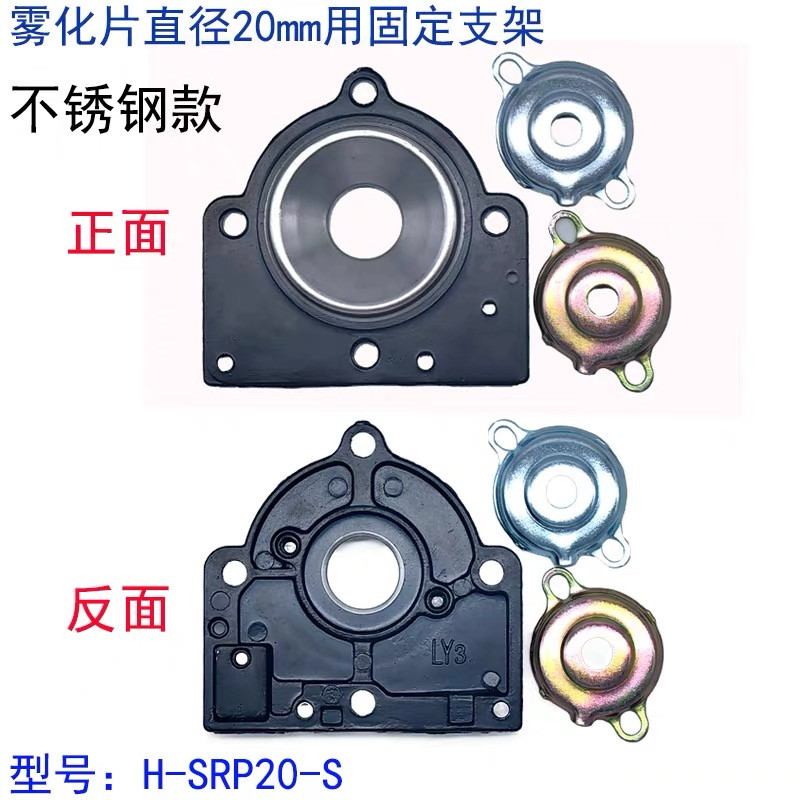
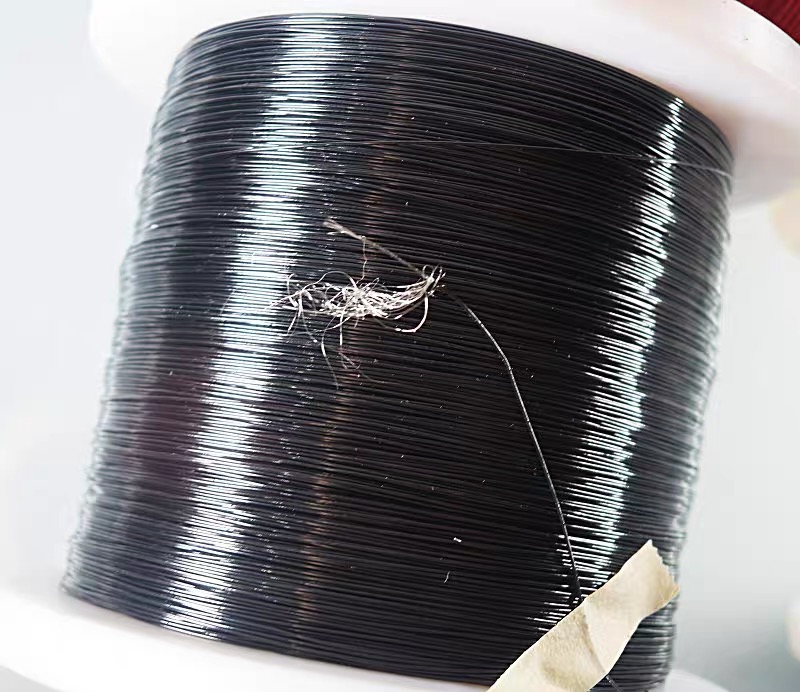
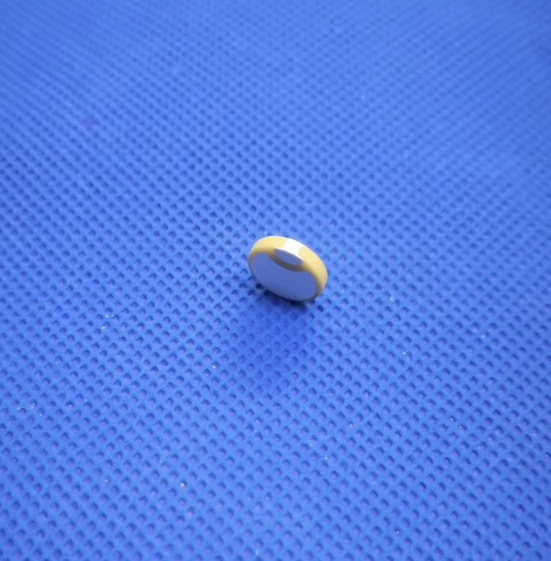
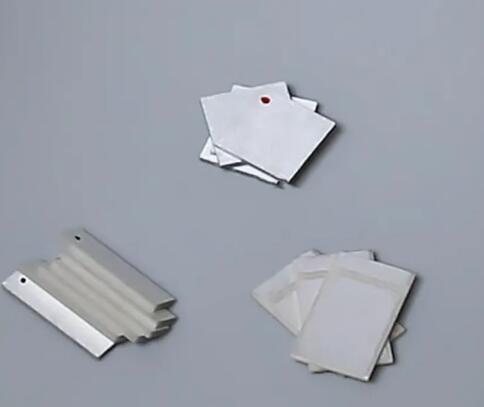
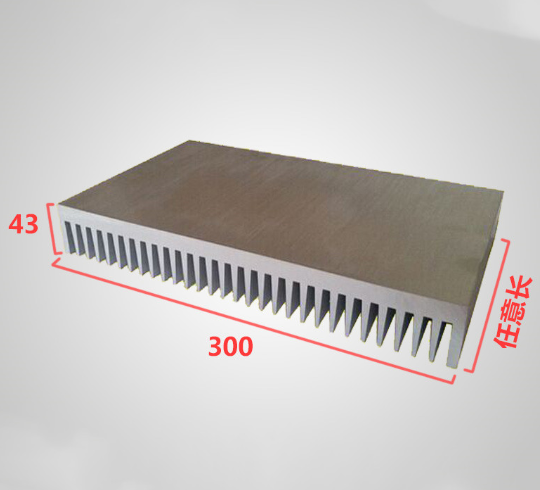
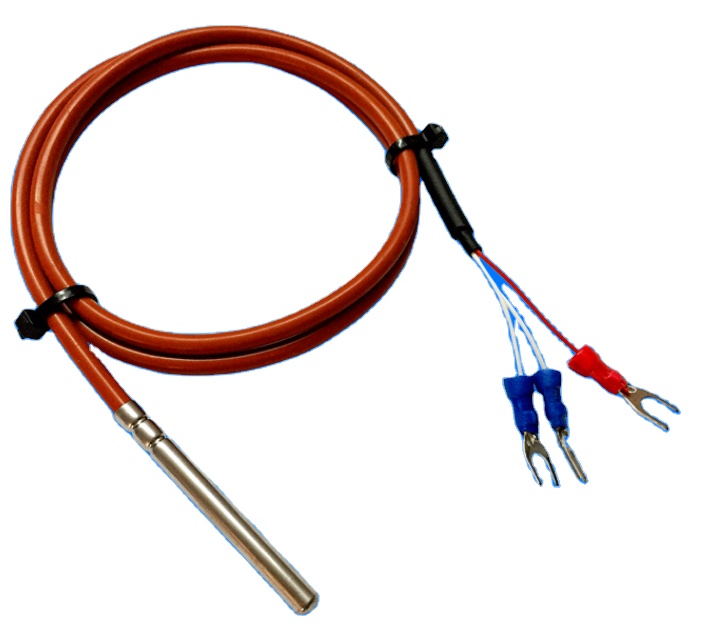
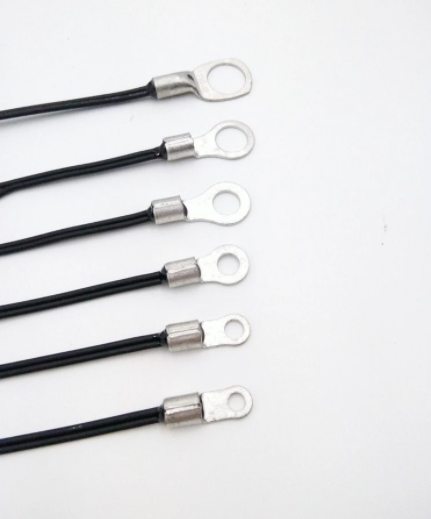
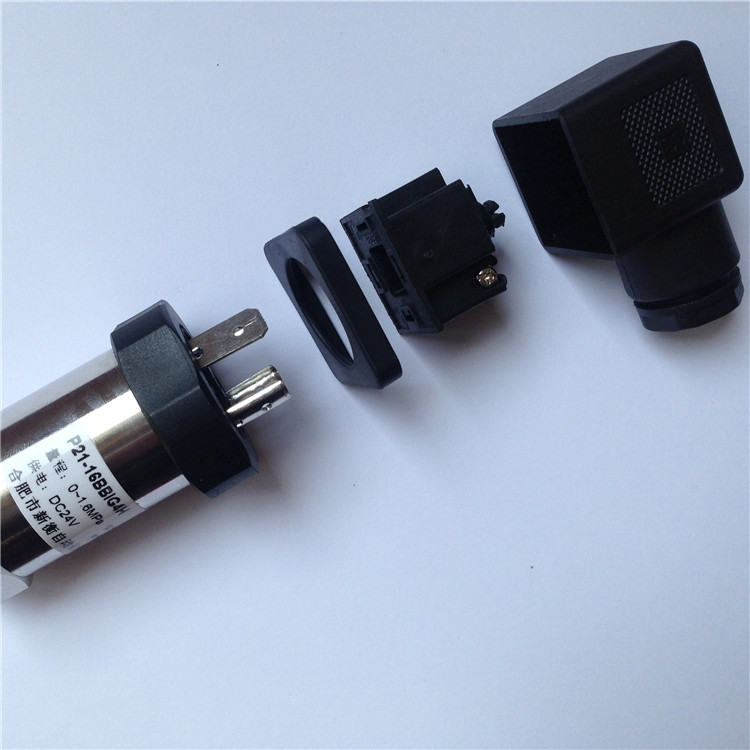
From polyimide-based flex traces to thermal mitigation sinks and piezoelectric transducers, our export-grade components integrate seamlessly into demanding Northern European operating envelopes.
2016
Onsite Verified Since
≥5 pcs
Rapid Prototyping Batch
100%
AOI & E-Test Verification
4.7 / 5.0
Global Client Feedback Index
Comprehensive Engineering Brief
Architecting Dynamic Flex Circuits for Hostile Environments
A deep dive into polyimide substrates, RA vs. ED copper foils, bend radius physics, and impedance matching under high-humidity European operational conditions.
Flexible Printed Circuits (FPCs) manufactured for export to Gdańsk and the greater Pomeranian Voivodeship require acute consideration of mechanical dynamics and atmospheric variables. Unlike conventional FR-4 rigid boards, polyimide flex substrates undergo cyclic mechanical stress, dynamic torsion, and environmental degradation from saline Baltic sea breezes. In state-of-the-art designs, failure mechanisms rarely originate from core dielectric breakdown; instead, micro-cracking at copper grain boundaries and interfacial delamination between coverlay and copper foils represent the prime points of failure.
To mitigate high-vibration structural fatigue in naval automation and dockyard hoisting robotics, we standardize on Rolled Annealed (RA) copper rather than Electro-Deposited (ED) options. RA copper features horizontally elongated crystal structures that flex along the plane of the trace without nucleating shear dislocations. Furthermore, for dynamic flexing installations—such as robotic articulators or maritime crane control arms—the bend radius is strictly controlled at R ≥ 10× to 20× the total circuit thickness for multi-layer flex, and R ≥ 6× for single-layer configurations.
| Engineering Parameter | Standard Capability | Advanced High-Density Interconnect (HDI) | Subsea & Maritime Grade |
|---|---|---|---|
| Base Substrate Core | 12.5μm to 50μm Polyimide (PI) | Adhesiveless Polyimide Core (Dow/DuPont) | Ultra-thin Fluoropolymer / High Tg PI |
| Conductor Weight | 1/3 oz (12μm) to 1 oz (35μm) RA Copper | 1/4 oz (9μm) to 2 oz RA/ED Copper | 2 oz to 3 oz Heavy Copper (RA) |
| Min. Line / Trace Spacing | 0.075 mm / 0.075 mm (3/3 mil) | 0.038 mm / 0.038 mm (1.5/1.5 mil) | 0.100 mm / 0.100 mm (controlled creepage) |
| Controlled Differential Impedance | ±10% standard (100Ω differential) | ±5% tight tolerance (e.g., USB 3.2, PCIe 4.0) | ±7% with solid shield layer / Silver paste |
| Coverlayer Film & Mask | 25μm Polyimide + Epoxy Adhesive | Photo-imageable Flex Solder Mask (LPI) | Modified Polyimide + Polyurethane potting |
| Surface Finishing | ENIG (Au: 0.05-0.1μm, Ni: 3-5μm) | ENEPIG / Immersion Silver / Pure Soft Gold | Thick Electrolytic Gold over Nickel (Wire-bondable) |
When routing through multi-plane flex boards, transitioning traces across the bending zone demands staggered trace topologies. Aligning traces precisely on top of one another on opposing layers establishes an intentional neutral axis shift that dramatically elevates localized mechanical tension. Staggering adjacent layer conductors avoids the "I-beam effect," ensuring smooth, uninhibited flexing cycles exceeding 100,000 to 5,000,000 cycles under monitored automated test standards.
Strategic Regional Deployment
Application Scenarios in the Pomeranian Industrial Ecosystem
Gdańsk sits at the crossroad of Poland's high-tech maritime renewal, hydrogen transport logistics, renewable energy hubs, and medical tech incubation centers.
Maritime Telemetry & Port Automation
Operating in the Baltic Sea requires resilient electronics capable of handling saltwater aerosols and harsh freeze-thaw cycles. Our flex circuits are deployed in automated quay crane sensors at the Port of Gdańsk (Deepwater Container Terminal), autonomous vessel lidar heads, and subsea acoustic telemetry nodes where conformal potting and gold immersion coatings are mandatory.
Offshore Wind & Substation Monitoring
With Poland's extensive offshore wind farm projects along the Baltic coast, high-voltage substations require galvanic isolation and electromagnetic interference (EMI) resilience. We supply flexible interconnects with integrated 360-degree aluminum and copper foil shielding to connect condition-monitoring vibration transducers inside wind turbine nacelles.
EV Propulsion & Clean Hydrogen Rail
Central European locomotive builders and EV conversion labs in northern Poland utilize our rigid-flex battery management systems (BMS). Ultra-thin flex buses minimize wire harness mass, eliminate cabling assembly errors, and facilitate direct bonding of multi-channel NTC temperature sensor arrays across high-density prismatic battery banks.
Medical Devices & Analytical Biotech
Supported by scientific research institutes across the Tri-City area, medical product developers utilize our multi-layer FPCs in wearable patient monitors, ultrasonic surgical handpieces, and micro-fluidic blood analyzers. Polyimide bio-compatibility, low outgassing characteristics, and micro-via drilling enable high circuit density in miniature enclosures.
Industrial Robotics & Pick-and-Place
Automated production facilities across Pomeranian Special Economic Zones employ dynamic flexible flat circuits across Cartesian gantries and 6-axis robotic wrist linkages. Rated for tight-radius multi-axis torsion, these FPC ribbons carry both low-voltage LVDS digital feedback and DC driver currents reliably without fatigue fractures.
Avionics & High-Altitude Drone Sensors
Lightweighting is paramount for aerospace surveillance and environmental monitoring UAVs flying over the Gulf of Gdańsk. Replacing traditional discrete wire harnesses with multi-layer polyimide FPCs yields a mass reduction of up to 68%, directly increasing payload capacity and aerodynamic flight duration.
Market Dynamics & Regional Outlook
Future Trends Shaping Flexible Circuit Adoption in Poland
Evolving European Union circular economy directives, decarbonization mandates, and nearshoring trends are reshaping supply chain requirements for electronics manufacturing.
1. Transition to Rigid-Flex Integrations
Procurement teams across Gdańsk and Gdynia are moving away from traditional wire-to-board connector blocks toward monolithic rigid-flex circuit architectures. Eliminating board-to-board pin headers decreases assembly touch-time, eliminates connector insertion failures during vessel vibration, and slashes total enclosure volume by up to 45%.
2. Stringent RoHS 3 & REACH Directives
The EU Green Deal and rigorous chemical controls enforce complete elimination of halogenated flame retardants and hazardous plasticizers. Our exported FPCs utilize halogen-free, self-extinguishing polyimide backing with low smoke density (UL94V-0 certified), fully registered within the EU SCIP waste database for compliance auditing.
3. Turnkey Supply Chain Nearshoring & Sourcing Resilience
Faced with volatile freight markets, Pomeranian OEMs demand single-source accountability. By uniting raw circuit board fabrication, active component procurement through direct distributor channels, and precision SMT placement onto flexible carriers, our Shenzhen facilities deliver zero-defect drop-in sub-assemblies.
Enterprise Strengths & Heritage
Why European Tech Leaders Partner with Shenzhen Mivo Electronics
Established in 2016 in the global electronics capital, Shenzhen Mivo Electronics combines turnkey agile manufacturing with stringent European export compliance.
Onsite-Verified Manufacturing Facility
Our manufacturing infrastructure has passed rigorous physical onsite inspections by Alibaba.com and independent international certification bodies. With an established operation of 51–100 skilled engineers and assembly technicians, every step from DFM review to final automated optical inspection (AOI) occurs under direct operational oversight.
Turnkey SMT Assembly from 5 Pieces
We break down the barrier between early R&D prototyping and large-scale manufacturing runs. Hardware startups and enterprise skunkworks in Poland can initiate prototype FPC and PCBA runs starting at just 5 pieces, scaling smoothly into thousands of units without changing supplier engineering teams or revalidating toolchains.
Transparent BOM Sourcing & Verification
Leveraging our direct footprint in the Shenzhen core supply chain, we purchase authentic components strictly via verified tier-1 franchised distributors. When components face extended lead times, our engineering team suggests cross-reference alternatives supported by pinout and tolerance comparison sheets, implemented only after your explicit approval.
Complementary Sensor & Thermal Hardware
Unlike pure-play board fabrication shops, Mivo delivers complete integrated sub-assemblies. We customize and supply PT100 RTD temperature probes, AEC-Q200 NTC battery sensors, waterproof ultrasonic distance modules, micro-coaxial wiring harnesses, and custom-machined aluminum heat sinks built precisely to your CAD mechanical drawings.
Rapid Polish & European Logistics Pathways
Time-to-market is critical. We support door-to-door express air delivery (DHL, FedEx, UPS) directly to Gdańsk Lech Wałęsa Airport (GDN) within 3–5 working days of dispatch, complete with full commercial documentation, customs tariff codes (HS 8534.00), and EUR conformity declarations to facilitate clearance.
Proven 8-Year Global Track Record
With 8 continuous years of export history and an audited client satisfaction rating averaging 4.7 out of 5 stars, Mivo Electronics represents dependable continuity. Our bilingual technical account managers bridge language and time-zone gaps to provide real-time updates and clear engineering resolutions.
Practical Procurement Guidance
Frequently Asked Questions by Polish & European Engineers
Clear answers addressing technical specifications, logistics, certifications, and manufacturing protocols for orders bound for Poland.
What files and Gerber formats are required to begin FPC manufacturing and DFM review?
We require standard RS-274X or ODB++ fabrication data, including drill files (NC drill / Excellon format) and individual layer gerbers representing top/bottom copper, coverlay openings, stiffener boundaries (FR4, PI, or Stainless Steel), and silkscreen. If SMT component assembly is requested, please attach a comprehensive Bill of Materials (BOM) featuring explicit manufacturer part numbers (MPNs), alongside a Pick-and-Place (centroid) file and component polarity markings.
How do you prevent trace micro-fractures in dynamic flexing applications?
Trace fracturing is prevented through proactive DFM controls: we enforce Rolled Annealed (RA) copper foil, implement curved trace corners rather than 90° or 45° bends, avoid plating vias directly inside dynamic flexing regions, and stagger traces across opposing layers to eliminate structural stiffness. We also select the appropriate coverlay adhesive thickness to place the conductive copper plane precisely along the cross-sectional neutral mechanical axis.
What are the standard shipping timelines and customs protocols for deliveries to Gdańsk?
Once assembly passes inspection and testing, consignments are packaged in ESD shielding bags with silica desiccant and dispatched via express air freight (DHL Express, FedEx Priority, or UPS). Typical transit to Gdańsk takes 3 to 5 business days. We provide comprehensive export documentation—including commercial invoices, packing lists with clear HS tariff classification codes (typically 8534.00.11 or 8534.00.19), and certificates of origin—to ensure streamlined Polish customs clearance.
Can you integrate stiffeners and surface connectors onto the flex circuit?
Yes. We routinely bond localized stiffeners including Polyimide (for zero-insertion-force ZIF connector fingers), FR-4 (for localized surface mount component support), and stamped Stainless Steel or Aluminum (for structural grounding, connector mounting, and heat transfer). Stiffeners are thermally bonded using thermosetting acrylic or modified epoxy adhesive sheets under controlled hydraulic pressure.
What electrical verification and quality control measures are applied to custom orders?
Every production batch undergoes 100% Flying Probe Electrical Testing or dedicated E-fixture testing to ensure complete trace continuity and insulation resistance with zero nets shorted. Multi-layer and high-density designs are subjected to Automated Optical Inspection (AOI) to capture trace necking or pinholes prior to coverlay lamination. Metallographic micro-sectioning and thermal stress solder-float tests (288°C for 10 seconds) are available with full inspection reporting.
Are your products fully compliant with European Union environmental standards?
All materials used—from polyimide base films and copper foils to lead-free surface finishes (ENIG, Immersion Silver, lead-free HASL) and SMT solders (SAC305)—fully comply with EU RoHS Directive 2011/65/EU and its amendment (EU) 2015/863 (RoHS 3), as well as EC Regulation No 1907/2006 (REACH). Full material declaration sheets and laboratory test reports are supplied upon request.
Accelerate Your Flexible Electronics Engineering Cycle
Whether you require rapid prototype FPC samples from 5 pieces, a comprehensive DFM consultation for dynamic flex routing, or a dependable volume partner for your Pomeranian tech facility, our engineering desk is ready to assist.
Contact Us