Integrated Hardware Supply
Featured Electro-Mechanical & Sensor Solutions
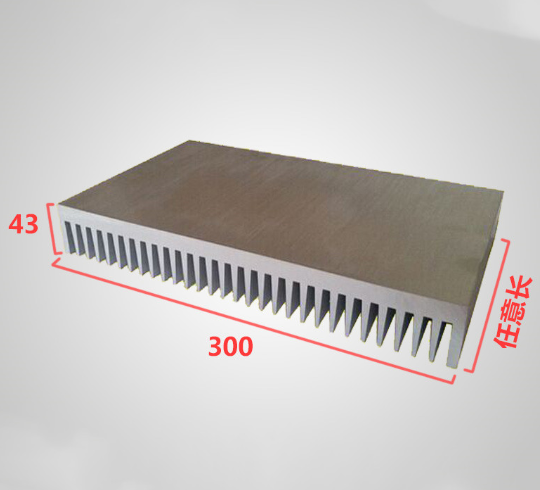
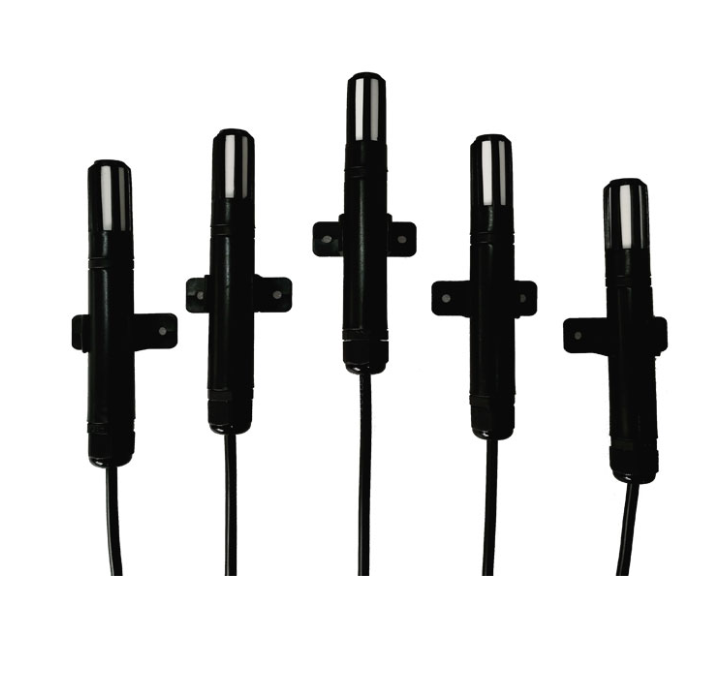
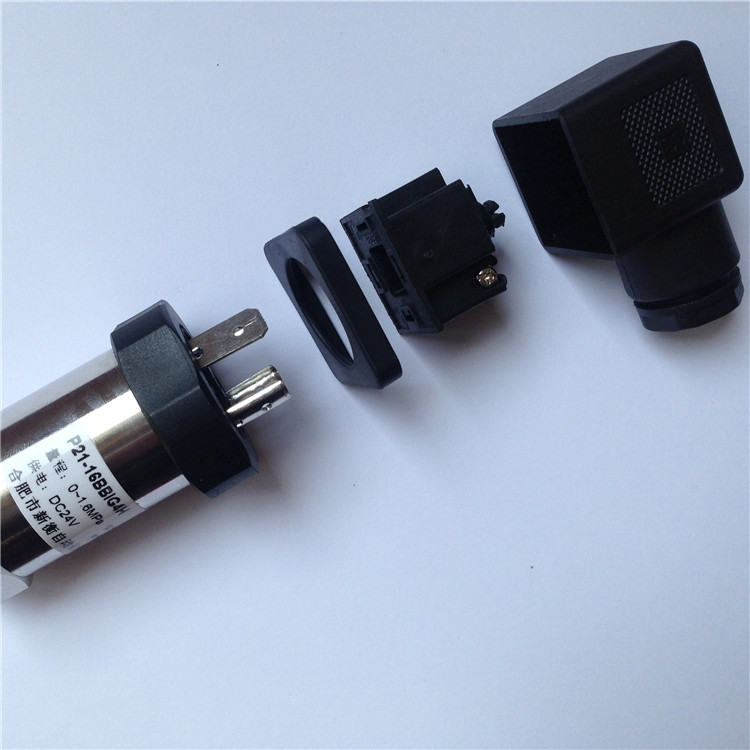
Seamlessly pair custom keypad overlays with turnkey electronics, precision thermal dissipators, piezoelectric sensing elements, and industrial sensor modules.
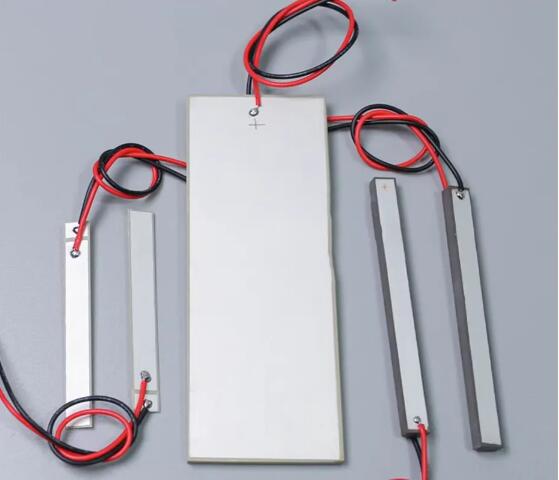
Ultrasonic Transducer
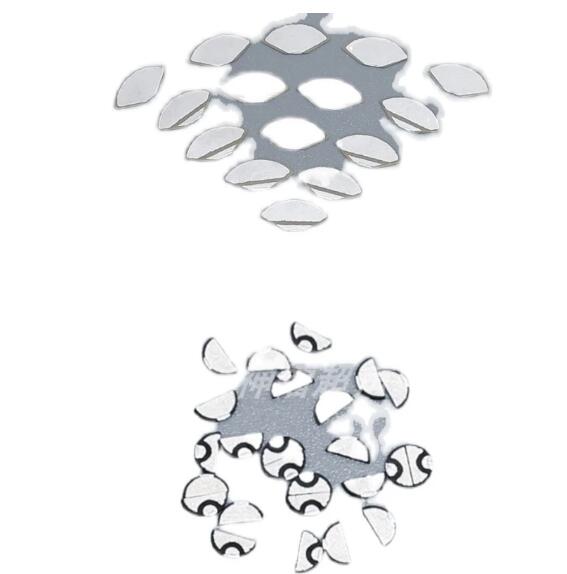
Piezo Ceramic Element PZT Long Strip Experimental Hydroacoustic Transducer
Contact Us
Technical Engineering Whitepaper
Keypad Overlays in Modern Baltic Hardware Architecture
In the advanced electronics manufacturing landscapes of Tallinn, Tartu, and Narva, engineering design teams face an exacting set of challenges when creating physical interfaces. A graphic keypad overlay serves as the direct tactile and visual boundary between human intent and complex embedded systems. For high-reliability sectors across Estonia—ranging from autonomous marine navigation systems to high-speed postal delivery lockers and smart IoT gateways—a keypad overlay is far more than a decorative facia; it is an engineered protective shield, an optical window, and an ergonomic interface integrated directly onto printed circuit board assemblies (PCBA) and sub-chassis structures.
When sourcing custom graphic overlays, European engineers require comprehensive transparency into substrate polymer science, subsurface graphic deposition methods, tactile actuation mechanics, and chemical ingress resilience. Shenzhen Mivo Electronics delivers precision-engineered overlay solutions tailored to European technical compliance frameworks, incorporating multi-layer barrier films, specialized adhesives (including 3M 467MP, 468MP, and 300LSE series), and rigorous atmospheric resilience designed to counter rapid thermal-cycling across freezing Nordic winters and coastal humidity.
Material Science Matrix
Comparative Analysis: Polycarbonate vs. Polyester Overlays
Selecting the optimal base polymer determines thermal stability, actuation lifespan, optical transmittance, and long-term chemical durability in Estonian industrial deployments.
| Performance Metric | Autotype / Melinex Polyester (PET) | Lexan Polycarbonate (PC) | UV-Stabilized Hybrid Films |
|---|---|---|---|
| Flexural Fatigue Life | Exceeds 5,000,000 cycles; ideal for metal domes and tactile embossing | 100,000 to 300,000 cycles; suited for flat, non-tactile touch interfaces | Over 2,500,000 cycles with modified elastomer backings |
| Chemical Ingress Resistance | Immune to industrial solvents, petroleum, salt mist, de-icers, and alcohols | Vulnerable to aromatic hydrocarbons, brake fluids, and strong alkalis | Superior solvent and petrochemical resistance across outer micro-coatings |
| Thermal Endurance Spectrum | -40°C to +125°C continuous operational integrity | -30°C to +105°C; low heat-deflection thresholds under thermal load | -40°C to +110°C optimized for thermal stability |
| Outdoor UV Photolytic Stability | Requires UV-stabilized exterior hardcoat (Autotex XE series) | Prone to yellowing and hazing unless treated with co-extruded UV barriers | Formulated specifically for 7-10 year non-yellowing field exposure |
| Optical Display Windows | Selective texturing enables ultra-clear deadfront LCD/OLED windows | Easily polished to water-clear clarity; prone to scratches without hardcoat | Anti-glare, anti-reflective, and high-transmittance optical finishes |
Regional Applications
Keypad Overlays in Estonia’s High-Tech Ecosystem
Direct supply line integration supporting the engineering corridors of Harju, Tartu, and Ida-Viru counties.
Autonomous Delivery & Smart Parcel Lockers
Estonia leads Europe in urban robotics and autonomous last-mile distribution. Outdoor access terminals require UV-inhibited keypad overlays featuring high-shear 3M 300LSE adhesive capable of adhering to low-surface-energy powder-coated steel at sub-zero operating temperatures without bubble formation or edge delamination.
Baltic Marine & Port Automation
Deployments across the Port of Tallinn and Muuga Harbor subject control consoles to aggressive sea spray, salt crusting, and high relative humidity. Overlays constructed from marine-grade textured PET with integrated perimeter gasket channels achieve full IP67 ingress protection, isolating delicate sub-assemblies from corrosion.
Smart Grid & Cleantech Distribution
As Estonia rapidly digitizes its energy network, remote substation terminal units and industrial monitoring equipment utilize deadfront display windows and tactile snap-dome overlays for intuitive local maintenance, remaining inert against ozone, static discharge, and extreme industrial temperature fluctuations.
Medical Diagnostics & Lab Instruments
Tartu's medical technology clusters require flat and rim-embossed front panels capable of withstanding aggressive daily decontamination via isopropyl alcohol, bleach, and quaternary ammonium compounds without surface swelling, graphic degradation, or adhesive failure.
Telecommunications & Data Centers
Estonia's tier-3 and tier-4 data facilities employ our custom thin-film overlays on rack-mounted servers and power distribution units (PDUs), incorporating integrated ESD/EMI copper or aluminum foil shielding to mitigate electromagnetic interference in dense switching bays.
Strategic Outlook
Technological Trends Shaping Keypad Overlay Procurement (2025–2030)
The Baltic electronics hardware vertical is experiencing a pronounced shift toward miniaturized, hybrid HMI assemblies. Industrial designers are no longer treating the front overlay, tactile switch matrix, and sensor systems as separate modules. Rather, turnkey integration is transforming how European manufacturers structure their supply chains:
1. Optical Deadfronting with Selective Micro-Texturing: As displays transition to compact OLED and ultra-bright TFT panels, Estonian product houses are demanding high-opacity deadfront graphics. Shenzhen Mivo Electronics implements multi-pass black-out and white diffusion screen printing, hiding status indicators and secondary menus until illuminated from behind by surface-mount LEDs.
2. Combined Capacitive and Tactile Hybrid Overlays: While touchscreens dominate consumer devices, harsh cold climates require operators to wear insulated gloves. Hybrid systems combine surface capacitive sensor regions with tactile poly-dome or stainless steel snap-dome keyways (with trip forces ranging from 250g to 450g), ensuring foolproof tactile confirmation during freezing operating conditions.
3. Advanced EMI/RFI and Anti-Static Shielding: With European CE marking and strict EMC directives governing equipment exported from Estonia, graphic overlays now incorporate integrated conductive grid layers. Printed silver paste patterns or continuous laminated aluminum foils prevent electrostatic discharge (ESD) up to 15kV from coupling directly into sensitive underlying microcontrollers.
Factory Verifiable Capabilities
Why Baltic OEMs Partner with Shenzhen Mivo Electronics
Combining onsite-verified manufacturing facilities, deep electronics engineering know-how, and lean turnkey delivery directly to Estonia.
Onsite-Verified Factory Audit
Our premises have undergone complete onsite verification by third-party inspection firms. Operating with 51–100 skilled production personnel, we maintain complete control over raw material qualification, cleanroom screen printing, precision die-cutting, and PCBA assembly.
True Turnkey PCBA & HMI Integration
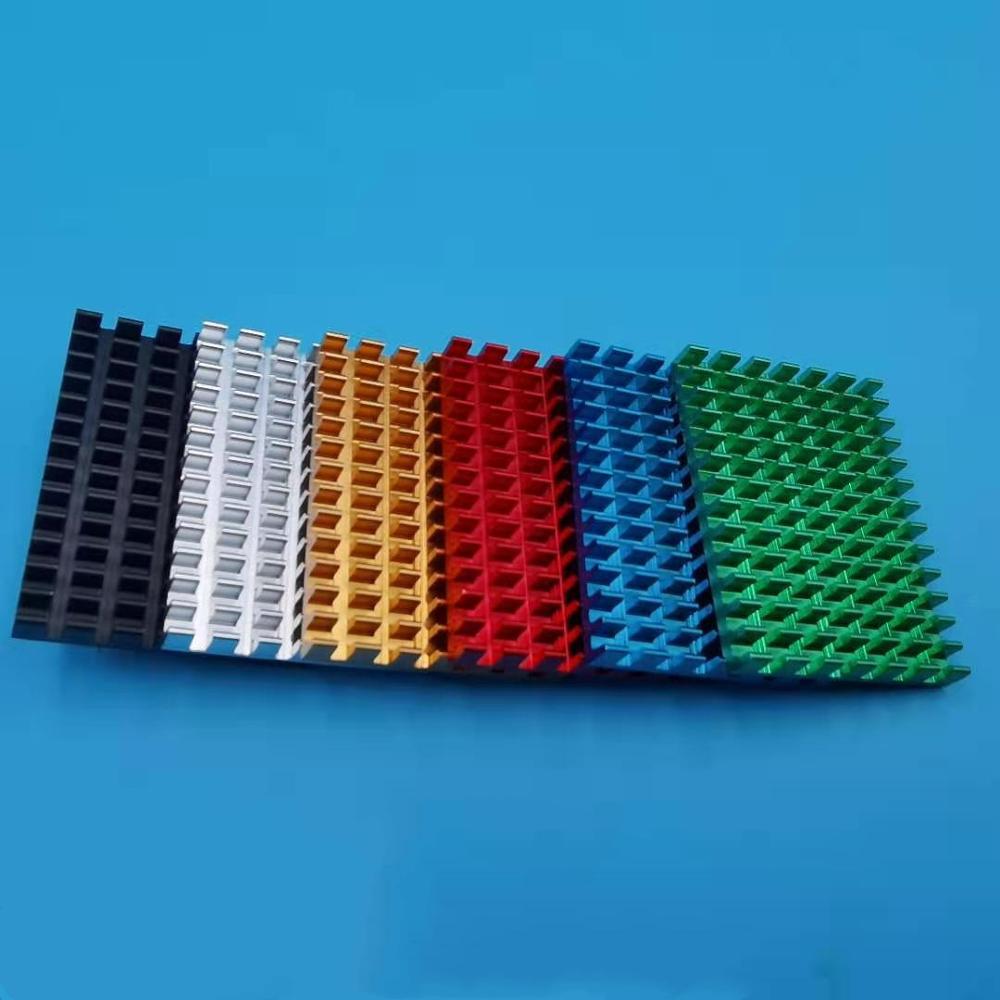
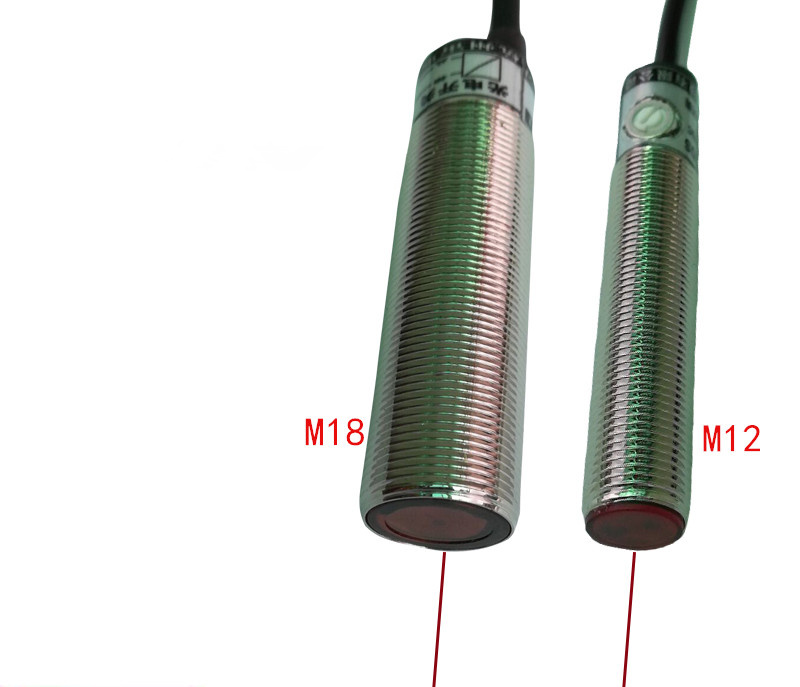
Rather than managing separate suppliers for graphic overlays, bare PCBs, tactile switches, custom heat sinks, and temperature sensors, Mivo provides a single accountable manufacturing source, dramatically reducing supply chain friction, shipping overhead, and engineering revision errors.
Rapid Prototype to Mass Production
We respect the rapid prototyping velocity of Estonian software-hardware incubators. With custom PCBA available from just 5 pieces and graphic overlay pilot batches supported, we bridge the gap between initial MVP testing and scalable container shipments.
Procurement & Technical Queries
Frequently Asked Questions by Estonian Hardware Buyers
Essential guidance on materials, tolerances, environmental sealing, and logistics for shipments to Tallinn, Tartu, and beyond.
Which adhesive grade is recommended for outdoor hardware exposed to freezing Estonian winters?
For outdoor enclosures subject to winter temperatures dipping below -20°C, we specify 3M 467MP for smooth metallic surfaces or 3M 300LSE/9472LE for low-surface-energy (LSE) materials, such as textured polymers or powder-coated aluminum. These high-tack acrylic formulations resist adhesive crystalization and shear-failure across cyclical freeze-thaw events.
Can you produce deadfront indicators and selective textured finishes on the same overlay?
Yes. By utilizing subsurface screen printing on optical-grade transparent polyester (PET) or polycarbonate (PC), we deposit multi-layer semi-translucent smoke inks behind designated LED areas. We then apply a selective UV-cured textured varnish over the front face while leaving display windows perfectly smooth and optically clear.
What engineering files are required to initiate an overlay and membrane switch quote?
We request vectorized artwork files (Adobe Illustrator .AI, CorelDraw .CDR, or vector .PDF) showing graphic layout, colors (PMS/Pantone or RAL codes), and fonts. Additionally, mechanical engineering drawings (AutoCAD .DXF or .DWG) are needed to verify cutouts, embossing profiles, metal dome placement, and pinout schematics.
How does Shenzhen Mivo handle DDP customs clearance and Baltic deliveries?
We routinely deliver to European Union destinations, including Estonia, via reliable express logistics (DHL, FedEx, UPS) and consolidated air freight. We furnish complete commercial invoices, packed lists, and accurate HS codes. Orders can be structured with standard Incoterms (EXW, FOB, DAP, or DDP) ensuring smooth clearance through the Estonian Tax and Customs Board (Maksu- ja Tolliamet).
What is the typical tooling cost and lead time for custom embossed keypad overlays?
Steel rule die tooling and film generation typically range from $80 to $250 depending on embossing complexity and display cutouts. Prototype samples are completed in 5 to 7 working days. Following engineering sign-off, volume batches typically dispatch within 10 to 14 working days.
Are all materials compliant with EU RoHS and REACH regulations?
All raw materials—including base films, UV curing inks, conductive silver traces, spacer adhesives, and mounting tapes—are fully verified and compliant with EU RoHS 3 (Directive 2015/863/EU) and REACH (EC 1907/2006). Certificates of compliance are provided with initial sample inspections.
Kickstart Your Custom Overlay & Electronics Project
Consult with our engineering department today for comprehensive DFM analysis, material recommendations, and rapid cost estimation tailored to your Baltic operations.