Precision Sub-Components & Engineered Enclosure Assemblies
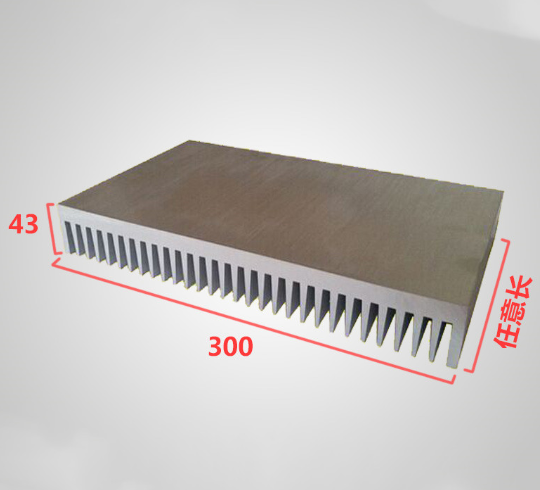
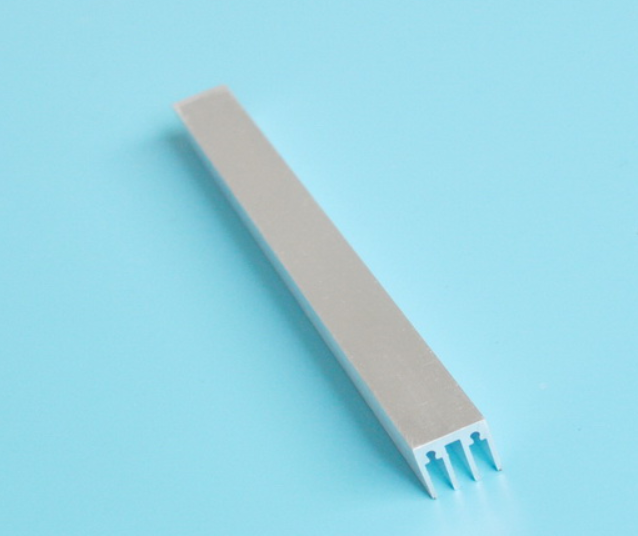
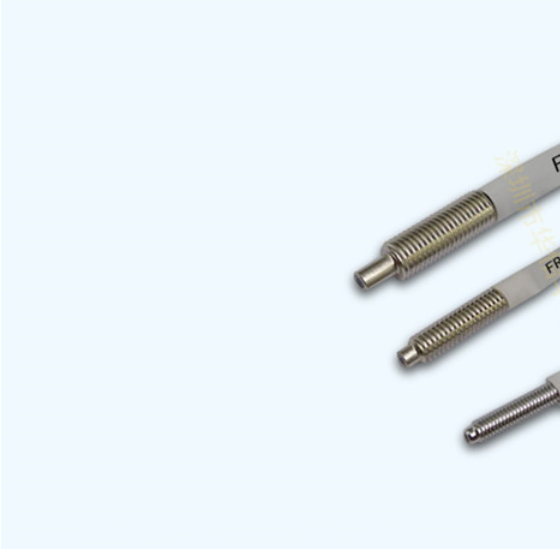
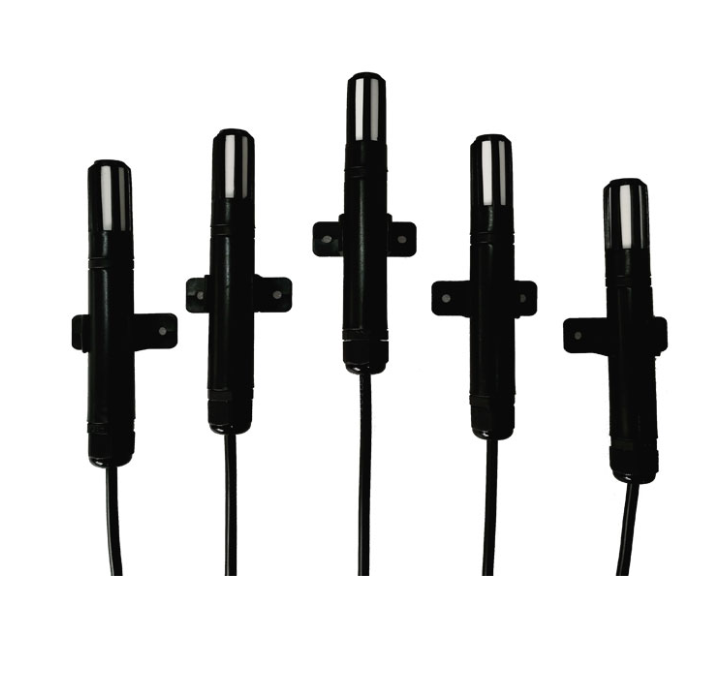
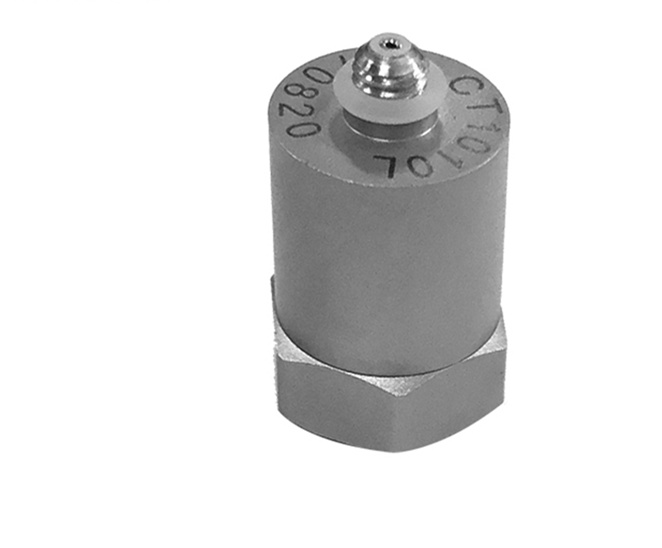
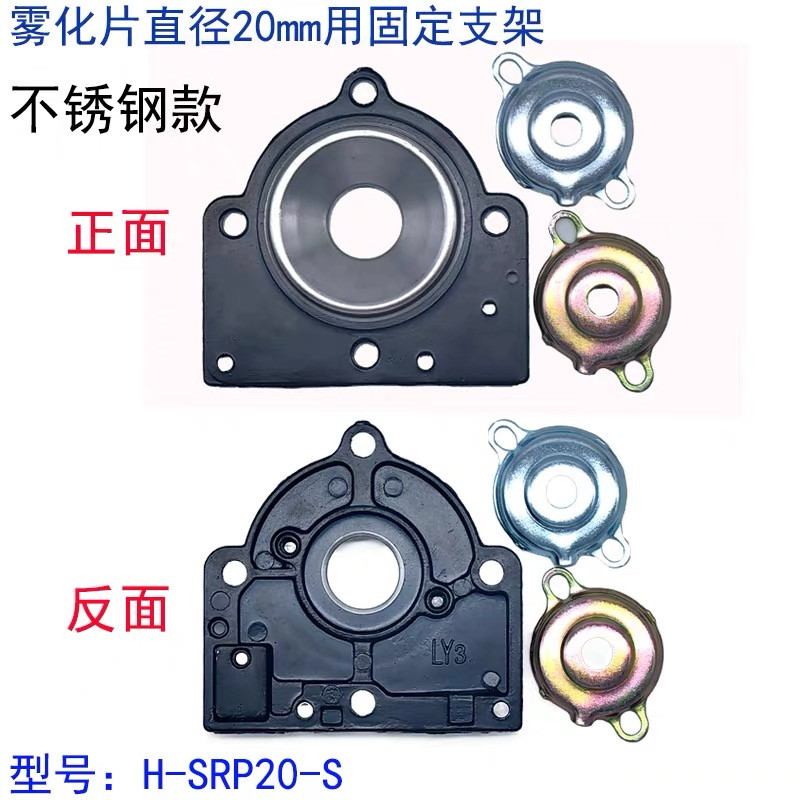
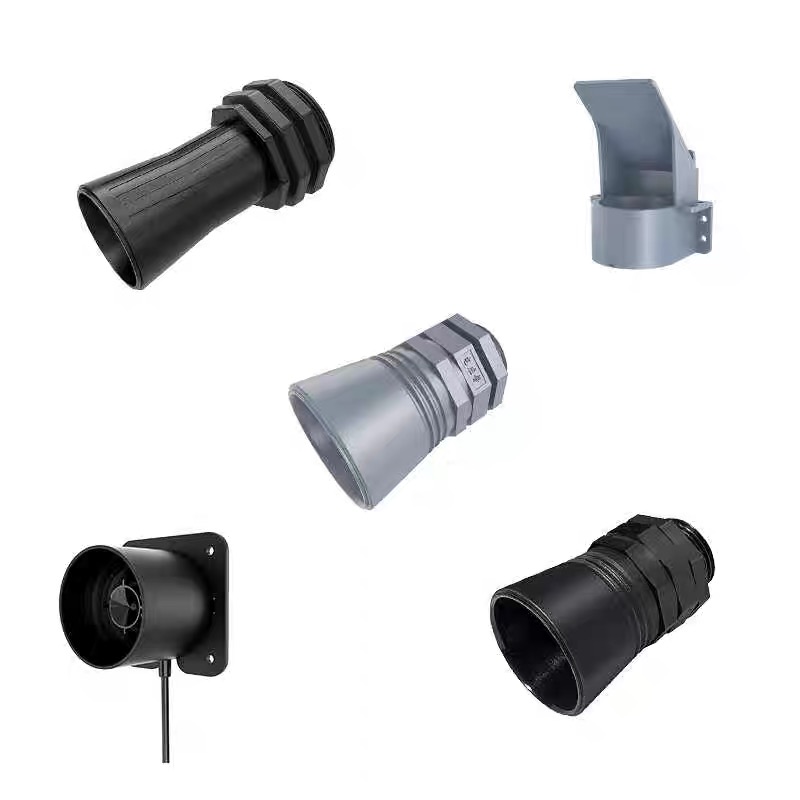
Alongside our tailored matrix membrane keypads, Mivo Electronics manufactures complementary thermal distribution plates, piezoelectric transducers, optoelectronic switches, and atmospheric sensors engineered to integrate seamlessly into Swiss hardware platforms.
Architectural Foundations of Industrial Matrix Membrane Keypads
In safety-critical human-machine interface (HMI) design, matrix membrane switches provide tactile feedback, IP65-to-IP68 ingress defense, and low electrical footprint for modern microcontrollers.
Matrix Circuit Layout & GPIO Economics
Unlike point-to-point discrete tact switches requiring dedicated input lines, an X-Y matrix membrane configuration connects contact nodes at the orthogonal intersections of conductive rows and columns.
A 16-key keypad (4x4) requires only 8 microprocessor GPIO pins rather than 16, decreasing trace congestion on the host printed circuit board. For complex keypads with 32 or 64 keys, column scanning algorithms combined with hardware pull-up resistors reliably register single and sequential switch closures.
- Conductive silver inks with track resistance < 1.0 Ω/cm
- Carbon overcoat printing for wear-resistant contact surfaces
- Embedded anti-ghosting diodes (SMD 0603/0805) across matrix nodes
Tactile Snap Dynamics & Metal Dome Physics
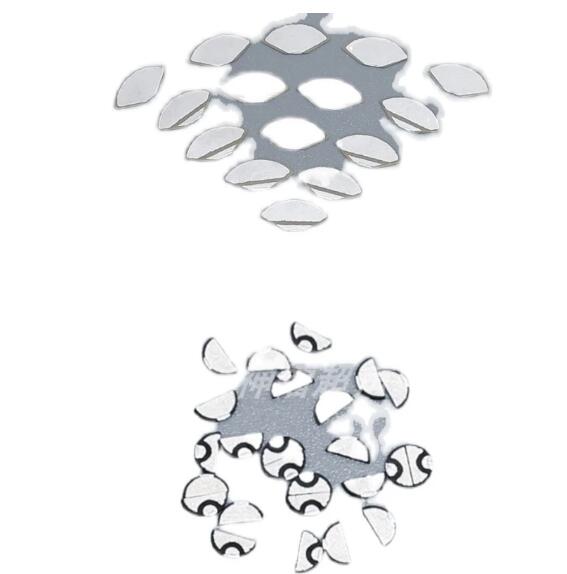
For Swiss industrial and laboratory operators wearing surgical nitrile or heavy industrial gloves, crisp tactile confirmation is non-negotiable. Mivo integrates austenitic stainless steel snap domes (four-leg, triangular, or oblong).
Actuation forces are fine-tuned between 250g and 450g with travel depths ranging from 0.4mm to 0.7mm. Each switch cycle delivers a distinct snap ratio ≥ 40%, preventing false triggers while providing auditory and physical confirmation of key closure without relying solely on screen beepers.
- Rated actuation lifespan: 1,000,000 to 5,000,000 cycles
- Nickel-plated or gold-plated contacts minimizing contact bounce < 5ms
- Embossed graphic overlays (rim, pillow, or polydome embossing)
Hermetic Multi-Layer Stack-up & Sealing
Standard matrix switches fail prematurely when exposed to frequent chemical sanitation. Our stack-up utilizes biaxially oriented polyethylene terephthalate (PET) films combined with industrial pressure-sensitive acrylic adhesives (3M 200MP / 467MP / 468MP series).
By engineering specialized perimeter venting channels that lead directly into a sealed desiccant chamber or through the rear tail rather than the key perimeter, our membrane keypads achieve full IP67 or IP68 hermetic ingress barrier standards against water, isopropyl alcohol, and airborne contaminants.
- Autotype Autotex XE / V200 polyester graphic front foils
- Continuous perimeter adhesive gaskets preventing fluid migration
- Total assembly thickness tailored from 0.8mm to 1.8mm
Engineered for Lausanne's High-Tech Innovation Clusters
The Canton of Vaud, stretching along Lake Geneva from Lausanne to Yverdon-les-Bains and Montreux, represents one of Europe's dense clusters for medical robotics, laboratory analytics, precision micromechanics, and industrial automation.
Biopôle & Medical Devices
Lausanne's world-renowned Biopôle life sciences campus demands HMI surfaces capable of withstanding hospital-grade sterilizing agents (VHP, bleach, ethanol 70%). Mivo builds custom membrane keypads featuring antimicrobial Autotex AM films with embedded silver ions.
Our flat front facias eliminate crevices, making them suited for diagnostic centrifuges, infusion pumps, blood gas analyzers, and patient monitoring consoles.
Watchmaking Tooling & Micro-Automation
Surrounding the Vallée de Joux and greater Lausanne, high-end Swiss horology machine builders rely on ultra-compact, tactile HMI controllers. Our keypads integrate directly with CNC wire-cutting, laser engraving, and micro-assembly workbenches.
With precise tactile feedback through customized metal domes and LED backlighting per key, operators can adjust tolerances down to single microns without looking away from microscope eyepieces.
EPFL Spin-offs & Autonomous Robotics
Robotics ventures incubated at the EPFL Innovation Park require lightweight, low-profile human interfaces for UAV ground stations, robotic surgical arms, and autonomous inspection crawlers.
Mivo manufactures hybrid copper flex (FPC) membrane circuits that support direct surface-mounting of micro-controllers, status LEDs, and CAN bus transceiver components directly inside the keypad envelope, reducing enclosure volume and unneeded cabling.
Harsh Environment Cleantech & Alpine Monitoring
Sensors and monitoring stations deployed across the Lake Geneva watershed and Jura mountain microclimates demand resistance against thermal cycling from -40°C to +85°C, condensation, and UV degradation.
Mivo provides UV-stabilized polyester overlays with selective anti-glare finishes, aluminum backer plates, and full EMI/RFI aluminum-shielding layers, ensuring zero signal distortion near variable-speed pumps and hydroelectric switchgear.
Membrane Keypad Substrate & Performance Comparison Matrix
Review engineering considerations across common material selections for overlay substrates, conductive traces, and tactile dome assemblies.
| Performance Characteristic | Autotype Autotex PET (Polyester) | Polycarbonate (Lexan PC) | Flexible Printed Circuit (FPC Copper) | Screen-Printed Silver Ink on PET |
|---|---|---|---|---|
| Flexural Fatigue Life | > 5,000,000 switch cycles | < 50,000 switch cycles (prone to micro-cracking) | > 10,000,000 dynamic cycles | > 1,000,000 standard actuations |
| Chemical & Solvent Resistance | Exceptional (Resists alcohols, acetone, IPA, detergents) | Moderate (Attacked by aromatic hydrocarbons & ketones) | Immune (Protected beneath soldermask & polyimide) | Shielded inside laminated layer stack |
| Conductor Loop Resistance | N/A (Graphic overlay substrate) | N/A (Graphic overlay substrate) | Ultra-low (< 0.05 Ω/sq, ideal for long runs & LEDs) | Standard (0.5 to 2.0 Ω/sq, suitable for microcontrollers) |
| Fine Pitch Component SMT | Not applicable | Not applicable | Full reflow soldering (0402 LEDs, ICs, connectors) | Conductive epoxy bonding (limited to 0805 LEDs) |
| Outdoor UV & Weathering | Excellent with Autotex XE grade coating | Yellows unless stabilized with protective UV film | Encapsulated in enclosure structure | Sealed within environmental perimeter gasket |
| Typical Application Fit | Hospital medical devices, Swiss laboratory HMIs | Office automation, low-actuation non-tactile fascia | High-density robotics, space-constrained devices | Cost-effective industrial controllers & field equipment |
Modernizing HMI Procurement Across the Arc Lémanique
Product engineers and hardware purchasers across Lausanne, Morges, and Vevey are transitioning from traditional mechanical pushbutton panels to hybrid membrane-capacitive systems. The primary drivers are ease of sanitization, aesthetic design, and space reduction inside aluminum and plastic chassis.
Key development trends currently shaping orders in the Swiss market include:
1. Light Guide Film (LGF) Uniform Illumination: Replacing bulky point-source LEDs, LGF technology channels illumination from side-firing 0603 LEDs evenly across switch legends and circular indicators, achieving uniform brightness at less than 15mA consumption.
2. Integrated Display Windows: Rather than mounting a glass LCD separately, modern keypads utilize optically clear anti-scratch windows (hard-coated with gloss level matched to OLED/TFT modules), bonded with bubble-free optical adhesive.
3. Strict Regulatory Adherence: Swiss medtech and industrial OEMs require documented conformance to EU RoHS 3 (Directive 2015/863/EU), REACH (EC 1907/2006 SVHC), and UL94-V0 flammability ratings for flame-retardant internal insulation layers.
Specification Quick Reference
Why Lausanne Engineering Teams Partner with Mivo Electronics
Shenzhen Mivo Electronics Co., Ltd. combines high-precision manufacturing with the prototyping agility of the Shenzhen electronic supply corridor. From low-volume engineering builds to mass production, we bridge custom HMI switch design with full turnkey PCBA execution.
Verified Supplier Credentials
Mivo Electronics is an onsite-verified manufacturer established in 2016, operating facilities in Yuanshan Street, Longgang District, Shenzhen. Our operational premises and legal status have undergone direct on-site physical auditing by international verification partners.
With an 8-year continuous export record on Alibaba.com and an average buyer satisfaction score of 4.7 / 5.0, we provide traceable quality assurance for Western European buyers.
Turnkey SMT & HMI Convergence
Unlike traditional membrane switch suppliers who only print polyester films, Mivo is a full-fledged turnkey PCBA manufacturer. We mount microcontrollers, connectors, drivers, buzzer circuits, and sensor headers onto rigid FR-4 or flexible copper substrates before laminating the graphic overlay.
Swiss engineers deal with a single source of responsibility: from Gerber & BOM review, laser SMT stencils, to finished tested human-machine interface assemblies.
Rapid Prototype Scaling from 5 Pieces
Innovation at EPFL and Vaud start-ups requires speed and low financial commitment. While typical factories demand thousands of units for custom tooling, Mivo provides custom prototype builds starting from just 5 pieces.
We deploy digital flatbed cutting and precision direct inkjet prototyping to produce initial functional validation samples in 5–7 working days, eliminating expensive hard tooling during your exploratory R&D phases.
Frequently Asked Questions by Swiss Hardware & Supply Chain Teams
Detailed insights on technical files, customs, lead times, and materials for engineering buyers in the Lausanne and Vaud cantons.
What specific files and drawings are required to initiate a custom matrix keypad quote?
- Graphic Artwork: Vector files in Adobe Illustrator (.AI), CorelDraw (.CDR), or high-resolution vector PDF specifying Pantone or RAL color codes, embossed button boundaries, and window locations.
- Circuit Schematic / Pinout: An engineering schematic indicating matrix rows, columns, LED forward voltage/current, common anodes/cathodes, and connector pin configurations.
- Mechanical CAD Layer Stack: A 2D/3D drawing (DXF, DWG, or STEP) outlining overall exterior dimensions, cutouts, tail exit coordinates, tail length, and target thickness.
- Component Bill of Materials (BOM): If your design incorporates embedded components (surface-mount LEDs, resistors, diodes, or sensors), include manufacturer part numbers.
How are shipments managed into Switzerland regarding Swiss Federal Customs (FOCBS) and VAT?
Can you integrate metal domes, backer plates, and embedded LEDs into a single turnkey module?
- An anodized aluminum or stainless steel backer plate (CNC milled or laser cut to custom CAD specifications with pressed stud fasteners).
- Integrated FR-4 or polyimide flexible circuit with ultra-thin 0603/0805 surface-mount LEDs and anti-ghosting diodes.
- Nickel or gold-plated tactile metal snap domes precision-positioned inside an adhesive spacer cavity.
- A sealed graphic overlay with selective textures, transparent tinted LCD/OLED windows, and perimeter sealing gaskets.
How do Mivo's membrane keypads handle electrostatic discharge (ESD) and electromagnetic interference (EMI)?
What are typical prototype and volume production lead times for the Swiss market?
Are your raw materials compliant with European medical and environmental standards?
Accelerate Your Next HMI Interface Build in Lausanne
Whether you require a 5-piece proof-of-concept prototype for an EPFL robotics launch or a 5,000-unit certified production run for a medical diagnostic platform, Mivo Electronics' engineers are ready to review your CAD files and BOM.