Engineering Whitepaper: Designing Resilient Membrane Switch Interfaces for South Tarawa
Operating industrial automation, marine instrumentation, and power distribution systems in South Tarawa, Kiribati poses extreme challenges that standard commercial HMI (Human-Machine Interface) hardware cannot survive. As an atoll nation situated directly along the equatorial Pacific, South Tarawa experiences year-round ambient relative humidity frequently exceeding 85%, continuous exposure to airborne salt-fog aerosol, intense ultraviolet radiation, and elevated tropical thermal cycling. In this delicate ecosystem, standard electromechanical pushbuttons with exposed mechanical apertures rapidly succumb to galvanic corrosion, pitting of metallic contacts, and catastrophic switch bounce caused by particulate salt ingress.
As an onsite-verified manufacturer and international exporter, Shenzhen Mivo Electronics Co., Ltd. delivers customized industrial membrane control panels designed specifically to solve these environmental vulnerabilities. A true industrial membrane panel is not merely a graphic decal; it is a multi-layered, hermetically sealed electromechanical switch assembly. By fusing high-grade polyester (PET) or fluoropolymer graphic overlays with conductive silver or carbon ink circuits, micro-gasket boundary adhesive layers (such as 3M 467MP/468MP), and tactile stainless steel domes, we construct an uninterrupted, ingress-impervious barrier rated up to IP67 and IP68. This ensures that electrical circuits remain isolated from atmospheric salinity, liquid splash, and particulate degradation throughout prolonged field deployments.
Material Selection: PET vs. Polycarbonate in High-UV Marine Environments
A critical engineering failure observed in standard consumer panels deployed across South Tarawa is the premature yellowing, micro-cracking, and embrittlement of Polycarbonate (PC) front overlays under persistent solar UV index values exceeding 11. Our specialized export panels for atoll operations utilize biaxially-oriented, UV-stabilized Autotex or textured Polyester (PET) films treated with fluorocarbon anti-reflective coatings. These substrate materials exhibit exceptional flexural endurance (rated for more than 1,000,000 actuations without delamination), complete resistance to saltwater degradation, and broad chemical immunity against cleaning agents, petroleum derivatives, and biological contaminants typical of fisheries and desalination infrastructure.
| Engineering Parameter | Standard Commercial Grade | Mivo Tropical Marine Grade (Export Standard) |
|---|---|---|
| Overlay Substrate | Untreated Polycarbonate (PC) | Autotex UV-Stabilized Biaxially-Oriented PET / Fluoropolymer |
| Perimeter Gasket Seal | Standard Acrylic Adhesive (0.05 mm) | Hermetic Closed-Cell 3M 468MP / 300LSE Barrier Layer (0.13 mm) |
| Contact Metallurgy | Exposed Silver Flake Ink | Gold-Plated / Nickel-Plated Stainless Steel Domes + Carbon Pastes |
| Operating Temperature Window | -10°C to +50°C | -40°C to +85°C (Continuous Thermal Shock Resilience) |
| Salt Fog Resistance (ASTM B117) | < 24 Hours before oxidation | 96 to 240+ Hours without conductor resistance drift |
| Tactile Feedback Life | ~ 100,000 Actuations | > 1,000,000 Actuations (Consistent Snap Force) |
Targeted Industrial Applications Across South Tarawa Infrastructure
As South Tarawa continues modernizing its public utilities, port logistics, marine transport, and renewable energy sectors, the demand for hardened operator consoles, sensor interfaces, and integrated electronics assembly has grown significantly. Our membrane control systems and turnkey PCBA modules serve key operational pillars across the atoll:
Solar Mini-Grids & BESS
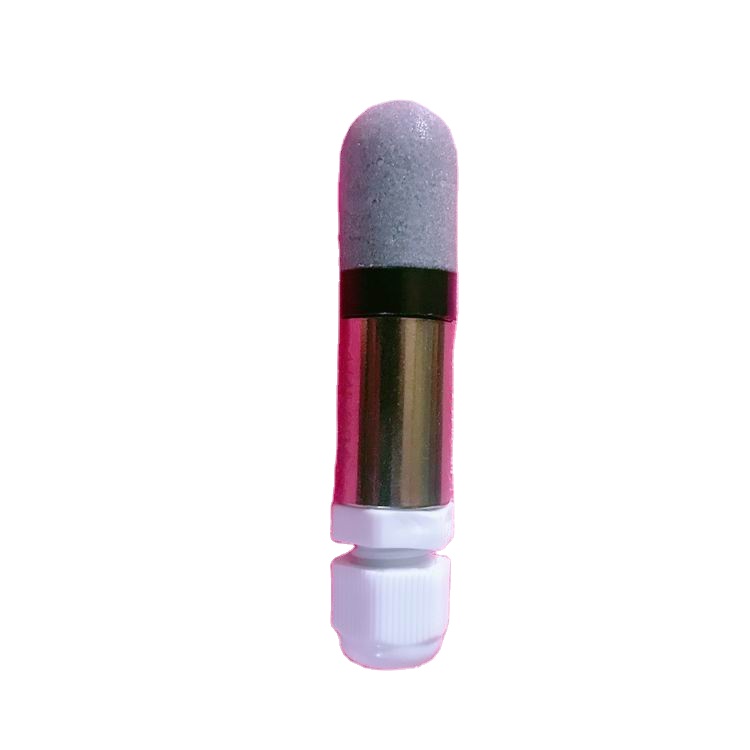
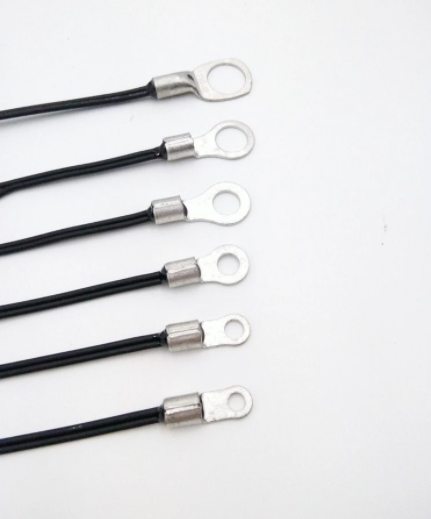
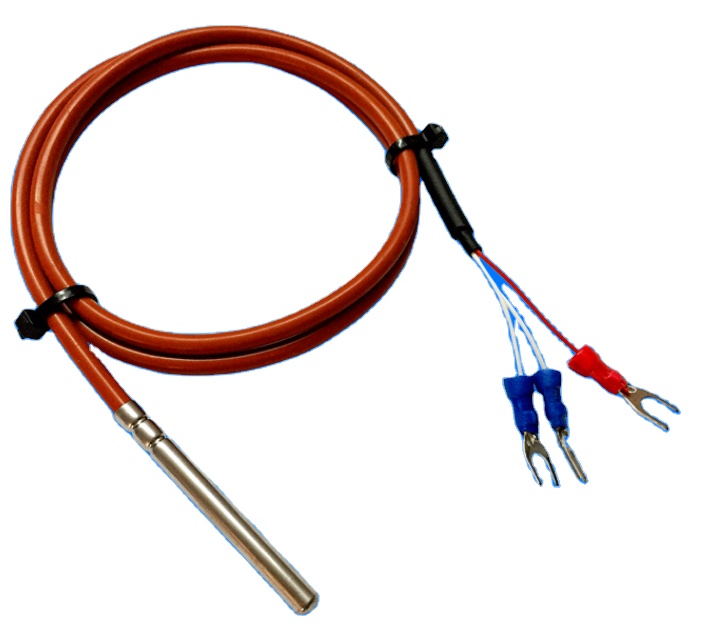
Sealed HMI membrane keyboards for off-grid PV inverters and Battery Energy Storage Systems (BESS). Integrated with our NTC and PT100 temperature probes, they safeguard lithium cells against thermal runaway under intense tropical heat.
Desalination & Water Plants
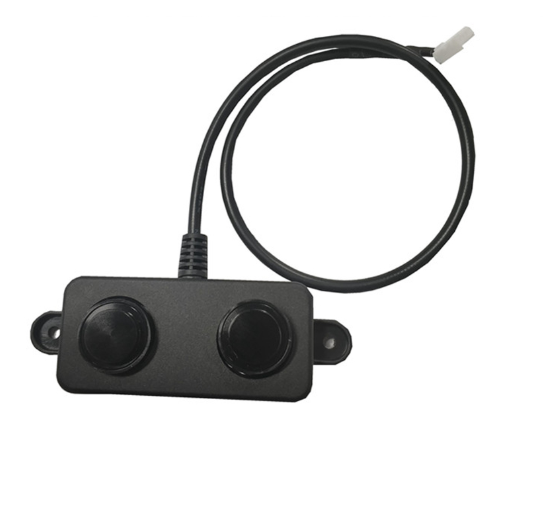
Reverse Osmosis (RO) plants in Betio, Bairiki, and Bikenibeu demand chemical-resistant switchgear panels and waterproof ultrasonic liquid level sensors to monitor cistern capacities without contacting brackish saline water.
Fisheries & Marine Vessels
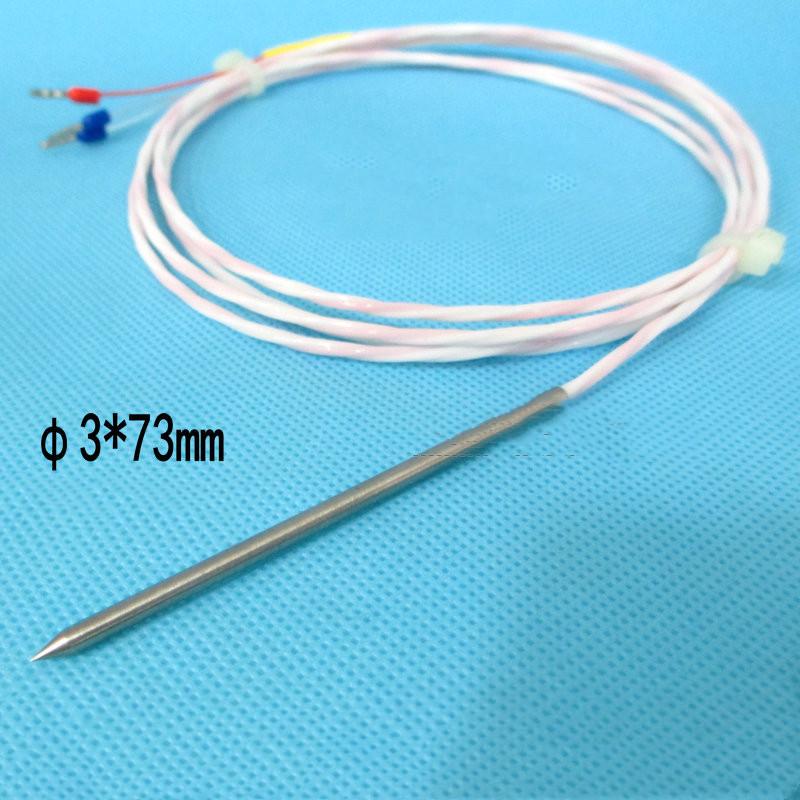
Flush, washdown-proof switch consoles for outboards, fishing vessels, and cold storage monitoring. Pointed thermal probes allow piercing core temperature verification for export-grade tuna preservation.
Emerging Technology Trends in the Pacific Atoll Modernization Sector
The transition toward sustainable infrastructure across Micronesia and the South Pacific is driving rapid shifts in control panel specifications. Our R&D and turnkey engineering divisions have documented three primary technological transitions currently underway in Tarawa procurement:
1. Convergence of Capacitive Sensing with Tactile Membrane Overlays: While capacitive touch glass panels are popular in climate-controlled spaces, operators handling marine equipment in South Tarawa often work with wet hands, salt residue, or heavy gloves. The prevailing trend integrates hybrid solutions: capacitive non-wearing keys alongside tactile stainless steel snap domes. This architecture ensures unequivocal mechanical tactile feedback while keeping the continuous outer overlay completely impenetrable to moisture.
2. Direct Integration with Embedded Edge Computing & Turnkey PCBA: Contemporary procurement managers are avoiding separate panel builders and circuit assemblers. They require unified assemblies where the front membrane switch interfaces directly with an embedded PCB substrate (FR-4 Multilayer or Aluminum Core) via zero-insertion-force (ZIF) connectors or direct soldering. Our Shenzhen facility produces the entire stack—from bare PCB fabrication and SMT component mounting to laser-cut acrylic backplates—in one unified supply stream.
3. Advanced EMI/RFI Shielding for Remote Radio Stations and Port Navigation: High-frequency maritime communications and coastal radio links operating near Betio Harbor demand low-noise electromagnetic environments. Our panels incorporate continuous aluminum foil or printed carbon/silver grid ground planes that suppress radio frequency interference (RFI) and protect sensitive microcontrollers against static discharges (ESD up to 15 kV) during tropical lightning storms.
Why Overseas Project Engineers Rely on Mivo Electronics
Shenzhen Mivo Electronics Co., Ltd. serves as an end-to-end manufacturing partner for international infrastructure developers, hardware engineers, and equipment importers. Our production capabilities merge advanced Chinese supply-chain agility with strict export-grade quality controls:
Onsite-Verified Factory
Our premises, assembly lines, and trading qualifications have been verified onsite by independent inspection companies and Alibaba.com auditors. We operate a stable 51–100 person workforce with dedicated English engineering support.
Agile Low-MOQ Runs
We respect the unique volume constraints of Pacific island modernization projects. Prototype PCB assemblies start from just 5 pieces, custom sensors from 10 pieces, and tailored membrane control panels from small sample batches.
Full-Spectrum Validation
Every membrane switch panel and integrated PCBA undergoes automated 100% circuit continuity testing, contact resistance analysis, insulation resistance verification at 500V DC, and mechanical tactile dome snap-force profiling.
Procurement FAQ: Membrane Control Panels in South Tarawa
Request an Engineering Quotation for South Tarawa Deployment
Connect directly with our Shenzhen technical manufacturing team. Submit your mechanical drawings, schematic pinouts, and harsh-environment operating specifications for rapid review and competitive factory direct pricing.
Inquire Now