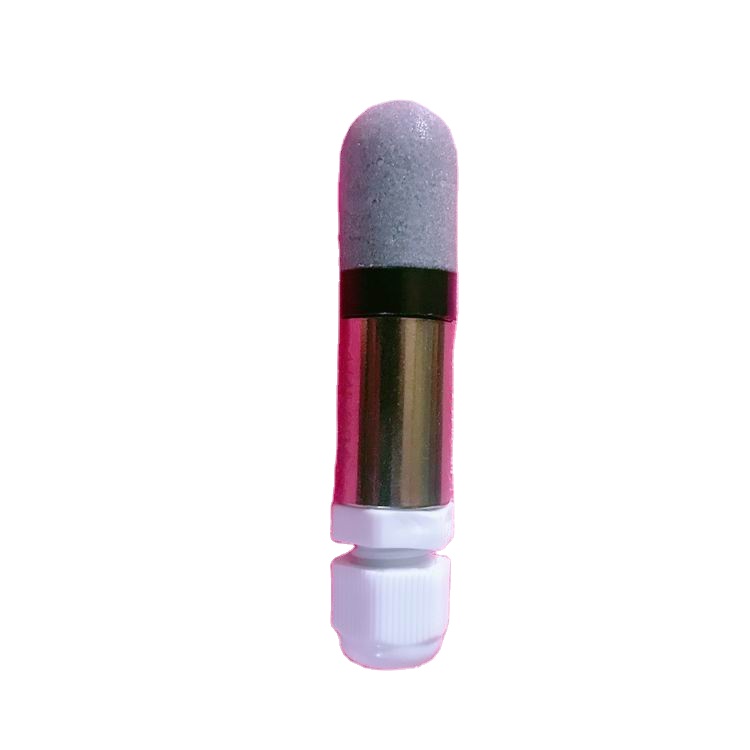
Marine Sensing
Sintered porous PE protective casing ensuring high air permeability while stopping micro-condensation and sea salt spray.
Product DetailsEngineered by Shenzhen Mivo Electronics to pair seamlessly with your custom human-machine interface (HMI) controls, field monitoring stations, and maritime equipment.
Sintered porous PE protective casing ensuring high air permeability while stopping micro-condensation and sea salt spray.
Product Details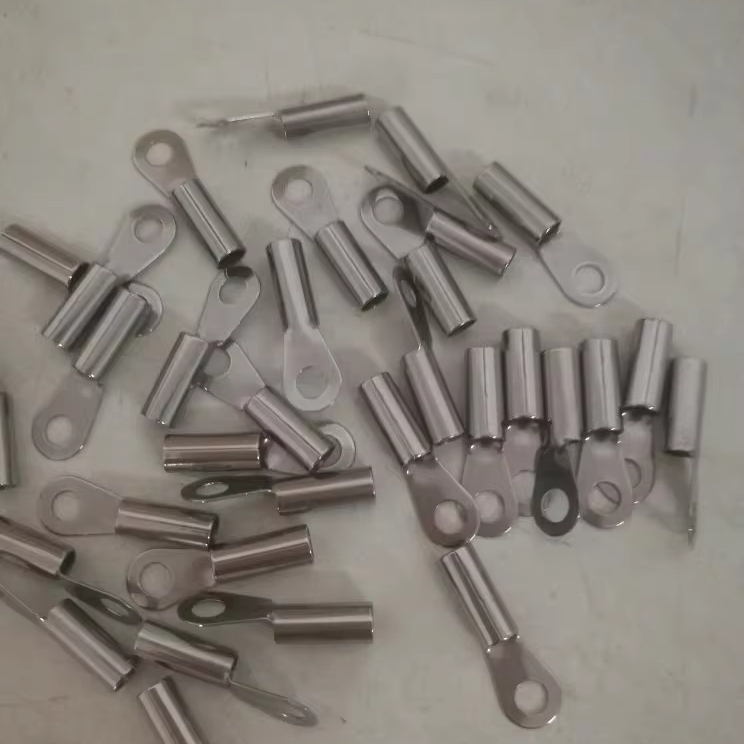
Heavy-gauge stainless steel terminal probe engineered for surface thermal tracking on outboard marine engines and diesel generators.
Product Details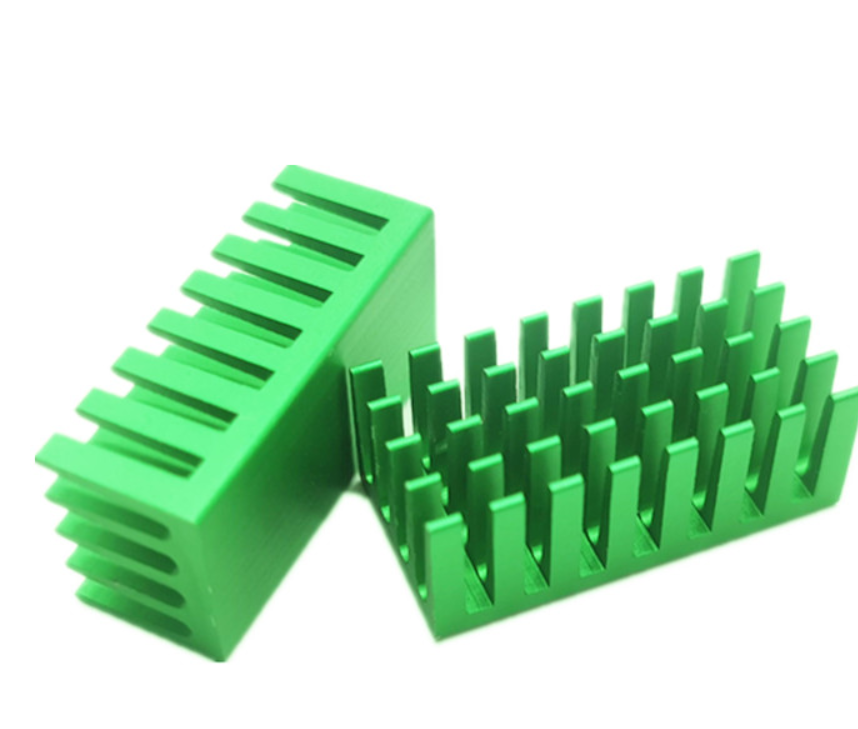
Precision-extruded aluminum profile providing critical passive heat dissipation for high-density HMI backplane electronics in sealed enclosures.
Product Details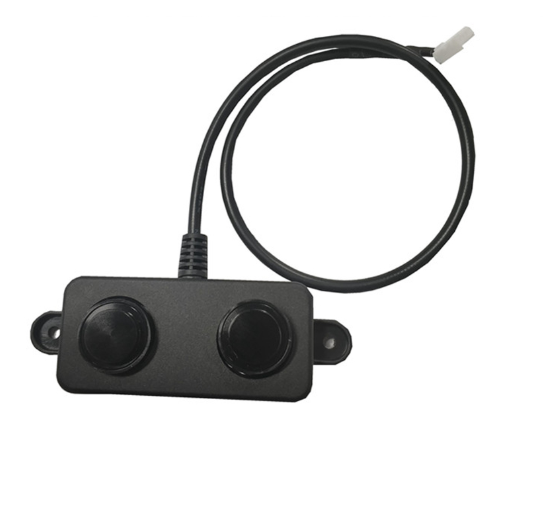
Epoxy-potted ultrasonic transducer configured for non-contact level monitoring in freshwater tanks, tide gauges, and bilge systems.
Product Details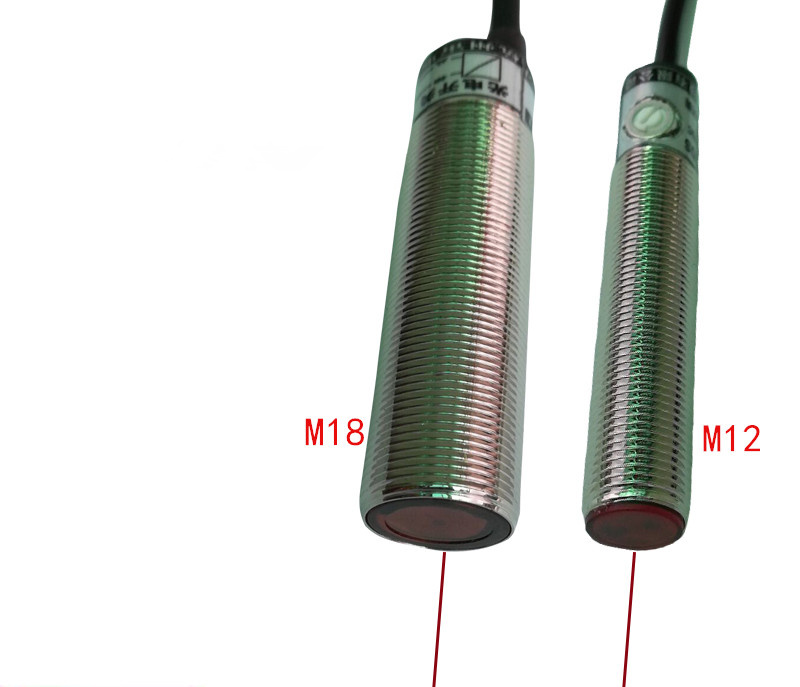
Ruggedized optical switching sensor offering high ambient light rejection for port cargo handling, automation line gates, and packaging machines.
Product Details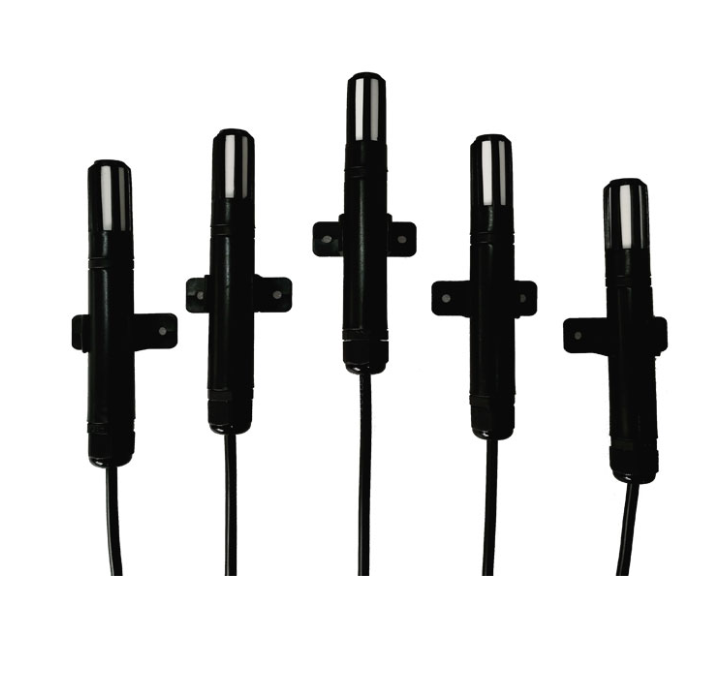
Factory-calibrated I2C temperature and humidity probe featuring an internal hydrophobic membrane to maintain sensor accuracy in tropical air.
Product Details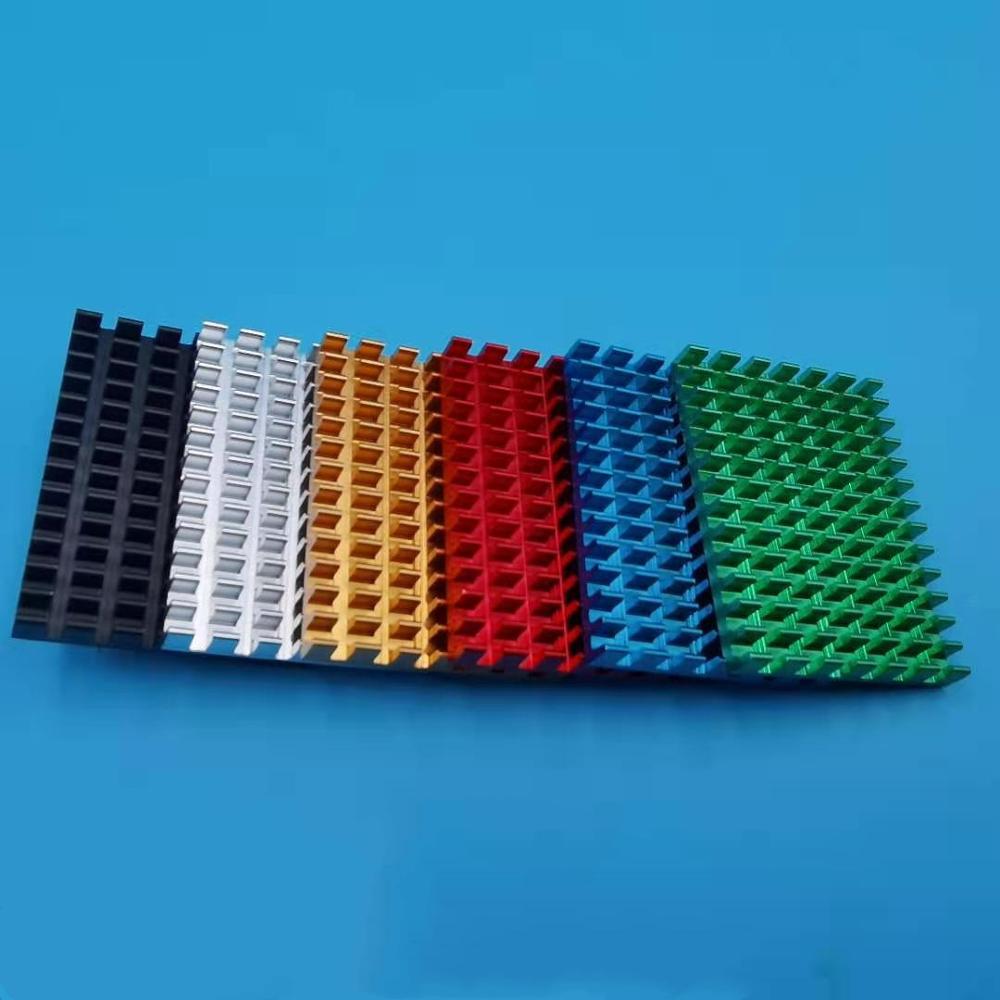
Low-profile cooling fin structure built from anodized aerospace-grade aluminum, delivering corrosion resistance and thermal longevity.
Product Details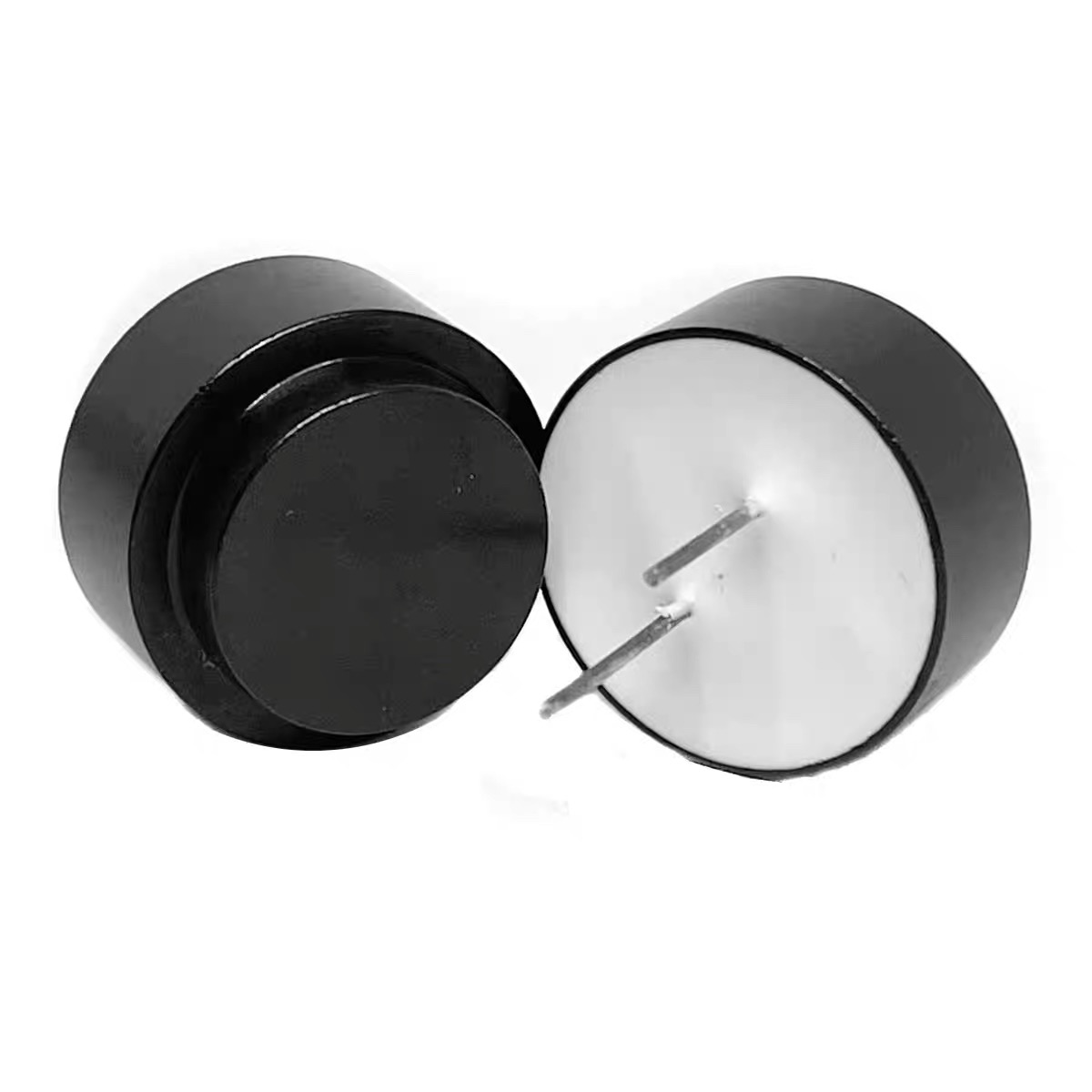
Compact 16mm sealed piezoelectric ultrasonic transceiver designed for flush-mounted marine instrumentation and smart infrastructure.
Product DetailsAssessed independently by third-party inspection agencies in Shenzhen, Guangdong.
Maintaining a 4.7/5 average buyer rating across custom PCBA, sensors, and switch panels.
Engineering agility without punitive MOQs, accommodating rapid custom iterations.
Integrated PCB, membrane overlay, metal dome array, cable harness, and box-build assembly.
Why standard commercial membrane interfaces degrade rapidly in Palau's maritime biosphere, and how specialized multi-layer graphic switches solve ingress, UV degradation, and chemical exposure.
When engineering membrane switches for Palauan resort utilities, yacht control panels, and port logistics systems, selecting the proper graphic overlay film is critical. Polycarbonate (PC) is common for indoor appliances due to its lower cost and ease of thermoforming. However, when deployed in tropical maritime microclimates, polycarbonate undergoes rapid photo-oxidation, turning brittle and yellowing within 12 to 18 months under intense UV index ratings (often exceeding 11+ in Koror).
At Shenzhen Mivo Electronics, we recommend and fabricate our custom panels using textured, UV-stabilized biaxially-oriented polyethylene terephthalate (PET), such as Autotype Autotex XE. Premium polyester substrates deliver exceptional mechanical flex endurance—surpassing 5,000,000 actuations without cosmetic or structural micro-cracking—and maintain total optical stability despite prolonged solar irradiation.
Continuous perimeter sealing utilizing closed-cell acrylic 3M 467MP / 3M 300LSE adhesive layers, isolating internal silver ink tracks from damp oceanic salt fog and tropical storms.
Application of screened carbon overcoats atop conductive silver circuitry prevents electrolytic dendritic silver migration—a prime cause of internal switch shorts in tropical 90% RH environments.
Gold- or nickel-plated 301/304 stainless steel snap domes deliver reliable tactile feedback (300g to 450g actuation forces) and prevent internal contact corrosion during constant handling.
Depending on the integration depth required for your Palauan installation, Shenzhen Mivo Electronics provides three distinct backplane configurations:
1. Screen-Printed Silver Inks on Heat-Stabilized Mylar: The classic, cost-effective membrane switch assembly, optimized for slim profiles and standard tactile keypad applications.
2. Flexible Printed Circuits (FPC): Polyimide substrates with etched copper traces, offering ultra-low trace resistance, exceptional resistance to repeated hinge flexion, and the ability to solder surface-mount micro-LEDs and sensors directly to the tail.
3. Rigid Printed Circuit Board (PCBA) Backing: Incorporating multilayer FR-4 or aluminum core PCB directly beneath the graphic overlay, converting your interface panel into a complete, self-supporting sub-assembly with pre-soldered connectors, microcontrollers, and communication drivers (RS-485, CAN bus, UART).
| Specification Parameter | Commercial Grade (Indoor) | Mivo Tropical Marine Grade (Palau) | Rigid Backed PCB Integration |
|---|---|---|---|
| Overlay Material | Standard Polycarbonate (PC) | Autotype Autotex XE Textured Polyester (PET) | Chemical-Resistant PET or Toughened Acrylic |
| Ingress Protection Rating | IP40 – IP54 (Dust resistant) | IP67 – IP68 (Total immersion / pressure wash) | IP67 Enclosed with CNC Bezel |
| Operating Temperature | -10°C to +50°C | -30°C to +85°C continuous | -40°C to +105°C industrial |
| UV Radiation Resistance | Poor (Yellows in 1–2 years) | High (Accelerated QUV >1000 hrs ASTM G154) | Extreme (UV blocking hard-coatings) |
| Actuation Lifespan | ∼ 500,000 operations | > 2,000,000 to 5,000,000 cycles | > 5,000,000 mechanical cycles |
| Contact Resistance | < 100 Ω (Silver tracks) | < 20 Ω (Low-ohm carbon overprint) | < 0.1 Ω (Etched gold-plated copper) |
Our engineered interface assemblies are purpose-built to solve critical control interface failures across key sectors in Koror, Malakal Harbor, and out-island utility installations.
Palau's dive-boat fleet, inter-island passenger ferries, and maritime patrol vessels demand helm controls that resist direct salt-water spray, washdown detergents, and UV baking.
Luxury island resorts require intuitive, seamless wall-mount control panels that blend clean architectural aesthetics with protection against moisture ingress.
Distributed solar microgrid inverters, battery storage banks, and telecommunication tower stations distributed across Babeldaob require zero-maintenance operator input interfaces.
As the Republic of Palau continues investments in infrastructure modernization, climate resilience, and sustainable blue economy projects, procurement requirements for industrial hardware have evolved:
1. Shift Toward Sealed Tactile Feedback over Capacitive Touchscreens: While modern consumer touchscreens look modern, in humid maritime environments salt deposits and water splashes cause false ghost-touches on capacitive screens. Equipment operators in Palau are actively favoring hybrid interfaces: sealed, waterproof membrane panels featuring embossed tactile metal snap domes that give affirmative click responses even when operators wear wet neoprene diving gloves or heavy utility gloves.
2. Integration of Display Windows and Fiber-Optic / LED Backlighting: Standalone switches are increasingly replaced by consolidated front panels featuring optically clear anti-glare display windows (for OLED, TFT, or segment LCD screens), sealed dead-front graphic text that illuminates only when activated, and integrated status LED indicators.
3. Demand for Turnkey Box-Build Modules: Importing individual bare switches, separate PC boards, and wiring harnesses creates high labor costs and logistical delays in remote island economies. Purchasing fully integrated, pre-tested sub-assemblies—combining the graphic membrane overlay, mechanical backing plate (aluminum or stainless steel), custom PCBA with SMT components, and pre-crimped waterproof cable harnesses—has become the standard best-practice procurement model.
Consult directly with Shenzhen Mivo Electronics' technical engineering team. Send your CAD drawings, graphic overlay designs, or PCBA Gerber files for a rapid DFM review, free material selection advice, and a transparent factory quotation.