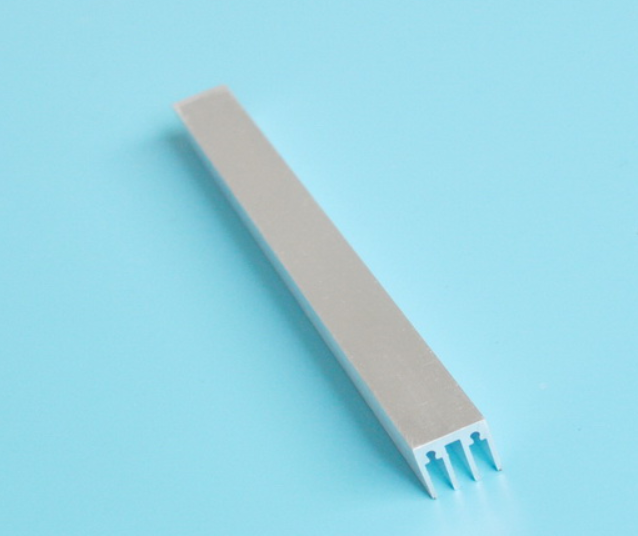
Thermal Management
Complementary hardware solutions developed under strict ISO and IPC standards, supporting Baltic industrial IoT and precision automation deployments.
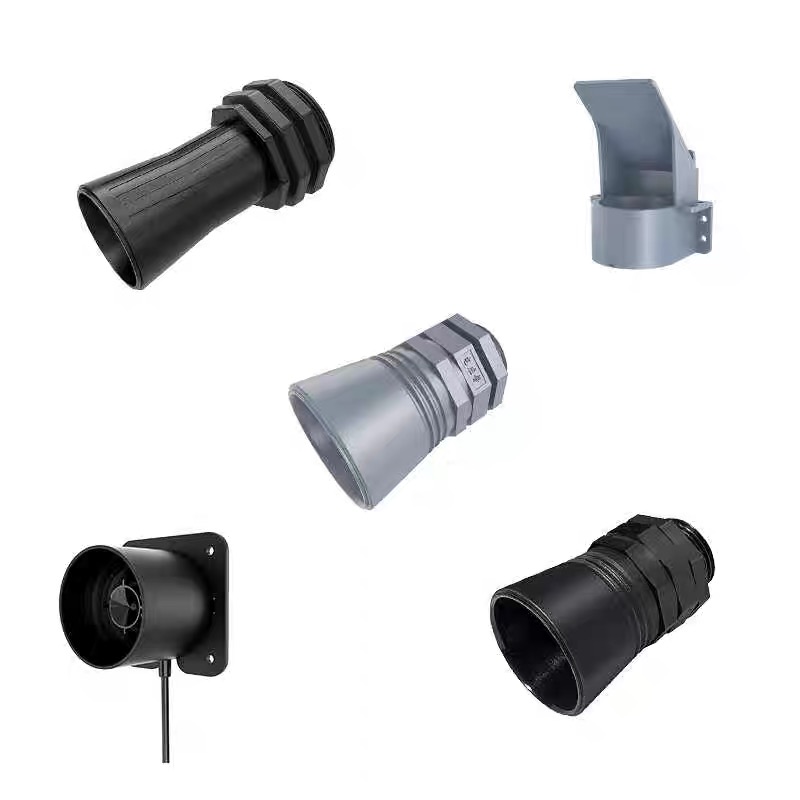
A rigorous examination of substrate physics, bend radiuses, controlled impedance routing, and microvia reliability for mission-critical electronic hardware.
In modern high-reliability multilayer flexible printed circuits (FPCs), the fundamental mechanical integrity depends largely on the choice between adhesiveless polyimide and modified acrylic/epoxy adhesive bonding films. As an established exporter supplying advanced engineering enterprises across Latvia—from high-precision industrial testing labs in Riga to automated logistics hubs in Ventspils—we prioritize adhesiveless polyimide substrates (such as DuPont Pyralux AP or equivalent high-Tg films).
Adhesiveless laminates eliminate the weak mechanical link inherent in traditional adhesive-bonded flexible cores. Traditional adhesives exhibit significantly higher coefficients of thermal expansion (CTE), typically exceeding 100 ppm/°C along the Z-axis, which accelerates stress concentration at plated through-hole (PTH) interfaces during thermal shock testing (-40°C to +125°C). By directly depositing rolled annealed (RA) copper onto high-performance polyimide film, we achieve superior isotropic dimensional stability, reduce dielectric loss (loss tangent tanδ ≤ 0.003 at 10 GHz), and mitigate catastrophic delamination risks during repeated dynamic flexing.
For dynamic flexing installations, the copper neutral axis must be precisely aligned in the physical center of the multilayer stack-up. Maintaining a minimum bend radius of 10x to 12x total thickness for dynamic installations, and 6x for static bend-to-fit configurations, prevents copper micro-fracturing along the inner polyimide grain boundaries.
| Stack-up Parameter | Standard Industrial Spec | Advanced Multilayer Flex (Mivo Spec) | Functional Impact on Baltic Operations |
|---|---|---|---|
| Base Polyimide Film | 12.5μm – 25μm (Adhesive Type) | 12.5μm – 50μm Adhesiveless PI | Eliminates brittle failure in cold Baltic climate (-30°C winter) |
| Copper Conductor Foil | Electro-deposited (ED) Copper | Rolled Annealed (RA) Copper Foil | Provides dynamic endurance exceeding 1,000,000 flexing cycles |
| Coverlay Protection | Liquid Photoimageable (LPI) | Thermal Polyimide Film + Epoxy (Coverlux) | IP67 chemical and moisture resistance against coastal salt fog |
| Dielectric Constant (Dk) | 3.6 – 3.8 @ 1 MHz | 3.2 – 3.4 @ 10 GHz | Stable 50Ω single-ended / 90Ω / 100Ω differential impedance |
| Surface Finish Compatibility | Lead-Free HASL / Flash Gold | ENIG (Ni: 3-5μm, Au: 0.05-0.1μm), ENEPIG | Gold embrittlement prevention for fine-pitch 0.4mm BGA & FPC connectors |
Multilayer flexible circuits with 4, 6, or 8 conductive layers introduce severe signal skew and cross-talk challenges if grounding configurations are improperly engineered. For RF data links, sub-sea telemetry sensors, and smart city telemetry devices deployed throughout the Baltic states, Shenzhen Mivo Electronics implements specialized cross-hatched reference copper planes and vapor-deposited silver shielding films.
Solid copper ground layers substantially stiffen the flexible harness, compromising its dynamic durability. By employing CAD-optimized 45-degree diamond cross-hatching (with 50% to 65% copper clearance areas), we maintain continuous transmission line return paths while preserving maximum flexural compliance. Furthermore, to combat EMI without elevating board weight, our production lines apply dual-sided conductive shielding films with vacuum heat lamination, attaining over 45 dB shielding effectiveness from 10 MHz to 10 GHz.
Onsite-verified electronics manufacturing, streamlined component procurement, and certified quality management systems built directly for global B2B procurement.
Premises inspected and verified by global third-party inspection firms. Our production facilities in Shenzhen employ 51–100 skilled professionals operating dedicated SMT and cleanroom testing bays.
Full-cycle production starting from Gerber files and active BOMs. We bridge bare flexible PCB fabrication with SMT precision soldering, firmware flashing, and functional potting.
Direct positioning within the Shenzhen electronics hub ensures immediate access to authorized silicon distributors, passives, connectors, and obsolescence replacement solutions.
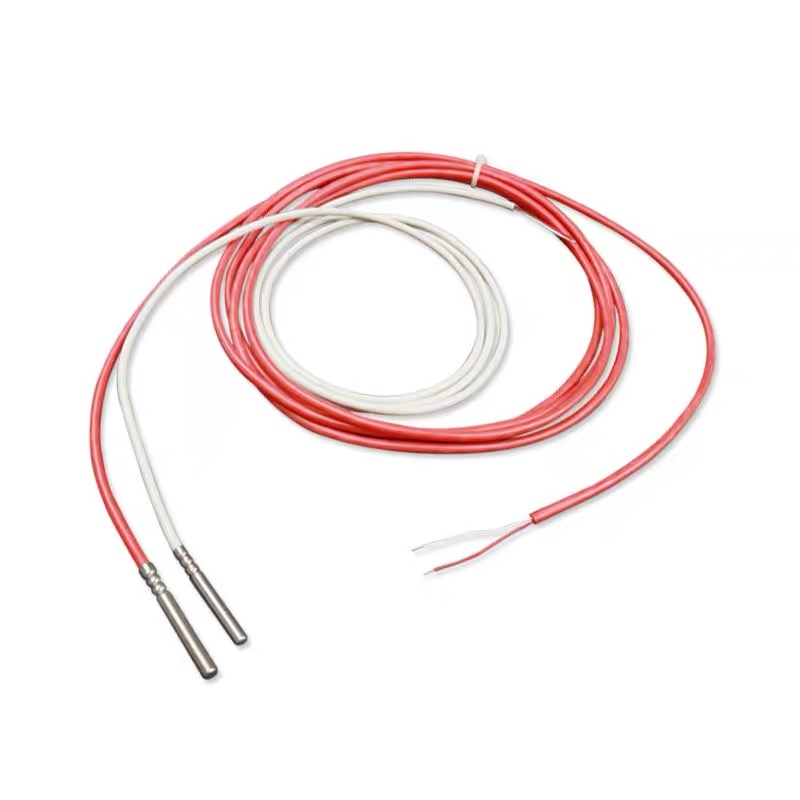
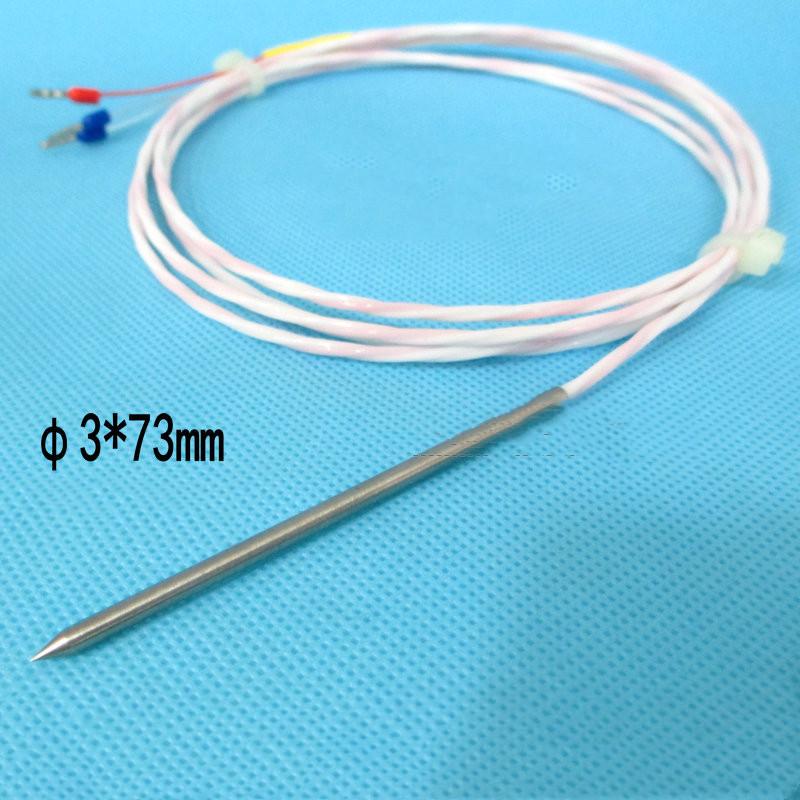
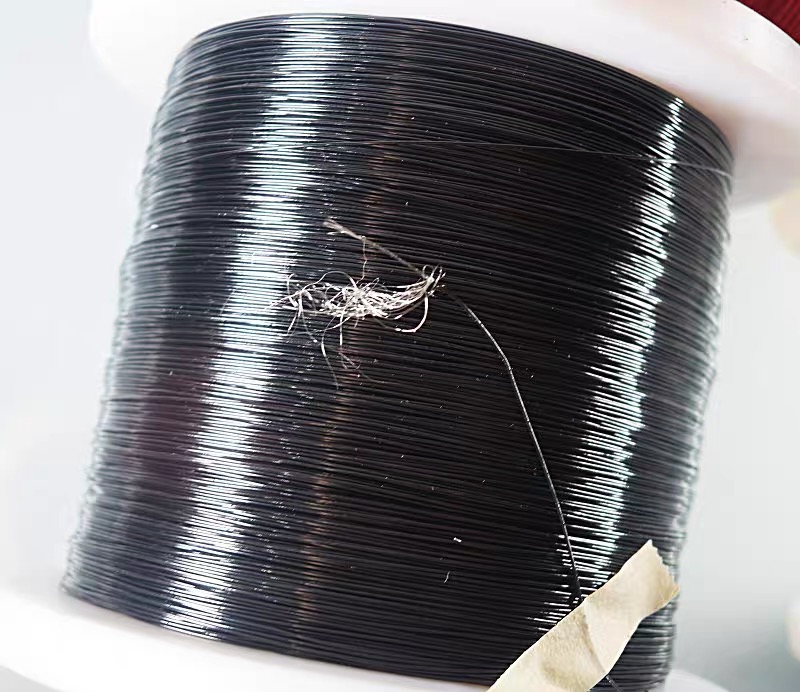
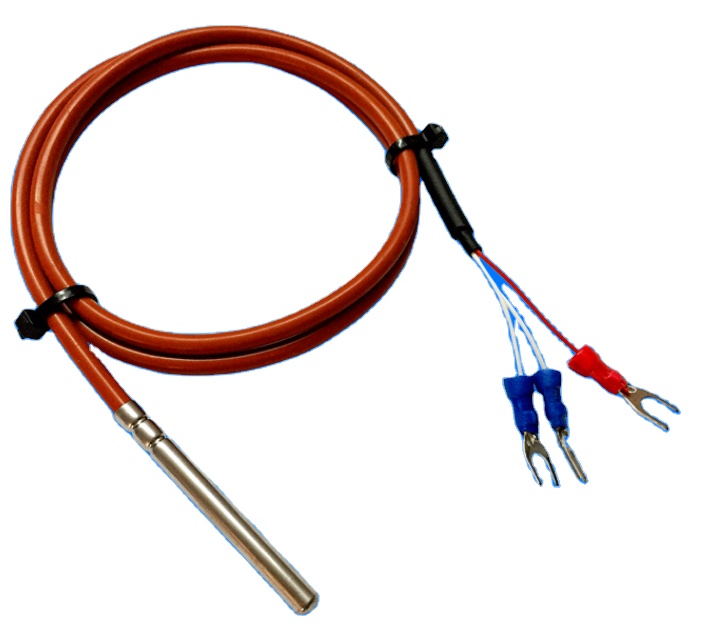
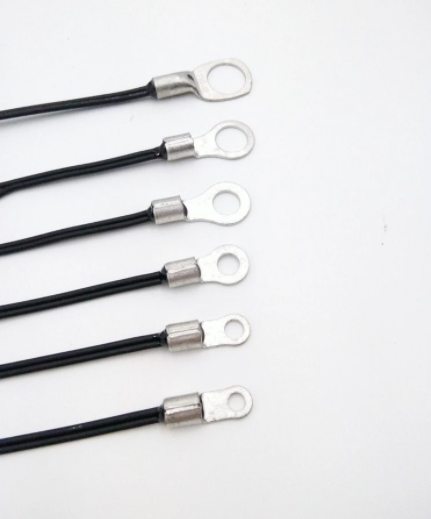
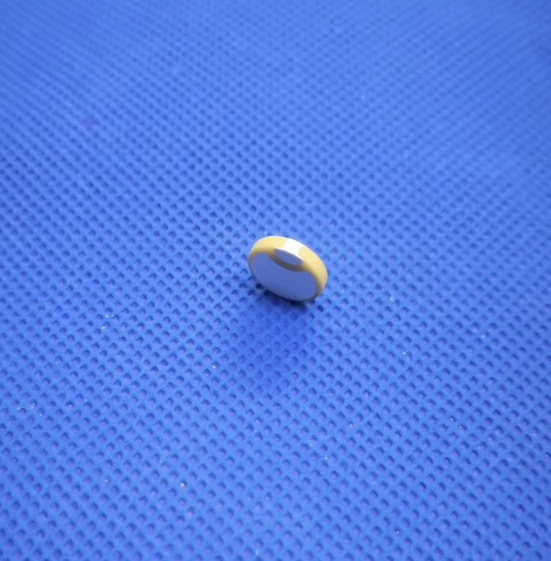
Beyond traditional planar circuit boards, we design and produce custom RTD probes (PT100/PT1000), NTC vehicle battery sensors, 36AWG coaxial wiring, and ultrasonic transducer assemblies.
Analyzing localized operating environments, environmental stress factors, and specific sector requirements across the Baltic market.
Latvia's advanced forestry sector relies on heavy robotic harvesters and high-throughput sawmills operating under intense multi-axis vibration, mechanical impact, and extreme temperature variations.
Our multilayer flexible PCBs are deployed inside in-cab diagnostic controllers, cutter-head sensor modules, and automated lumber scanning nodes. Utilizing polyimide coverlays with bonded FR4 or stainless-steel stiffeners prevents strain hardening and premature fatigue failure.
Operating around the major Baltic ports of Riga, Ventspils, and Liepāja exposes electronics to saline maritime air, high relative humidity (frequently exceeding 85%), and freezing sub-zero coastal winters.
By pairing multilayer flex circuits with selective ENIG or ENEPIG gold deposition, and applying conformal polyurethane or Parylene encapsulation, our assemblies guarantee long-term corrosion prevention for shipboard navigation, harbor cranes, and outdoor RFID tracking beacons.
Latvia hosts an expanding cluster of wireless equipment builders, UAV airframe manufacturers, and defense-tech startups demanding ultra-lightweight, 3D form-factor interconnects.
Our high-density interconnect (HDI) multilayer flex circuits feature blind/buried microvias, 3/3 mil (0.075mm) trace/space pitch, and integrated 50-ohm RF microstrip lines, providing compact routing inside aerodynamic drone fuselages and high-throughput optical transceivers.
How the green transition, European Union regulatory frameworks, and smart electronics re-shoring alter the technological demands on foreign PCB exporters.
As the massive Rail Baltica infrastructure program progresses, interconnecting Tallinn, Riga, Kaunas, and Warsaw with standard European gauge rail, the regional demand for electrified traction control systems, railway signaling telemetry, and wayside sensors is surging exponentially. Multilayer flexible circuits are replacing heavy copper cable harnesses across rail passenger comfort terminals, braking sensors, and real-time railbed vibration modules. For electronics purchasers in Latvia, this creates an urgent need for suppliers capable of certifying EN 45545-2 flame-retardant materials, halogen-free dielectric adhesives, and high-vibration IPC-6013 Class 3 manufacturing standards.
Procurement teams based in Riga and Jelgava are held to stringent environmental and reporting standards mandated by the European Union. Sourcing multilayer flexible circuits from overseas requires absolute verification that materials are 100% compliant with Directive 2011/65/EU (RoHS 3) and Regulation (EC) No 1907/2006 (REACH). As a factory partner with over 8 years of export history, Shenzhen Mivo Electronics delivers certified full-material disclosure declarations, conflict mineral reporting (CMRT), and IPC-A-600/IPC-A-610 Class 2/3 inspection documentation alongside each export shipment.
Essential guidance addressing shipping logistics, EU customs, import VAT handling, material stack-up approval, and prototype verification.
Send us your multilayer flex PCB Gerber files, sensor specifications, or turnkey assembly bill of materials. Our bilingual engineering team will conduct an exhaustive DFM review and submit a transparent quotation within 24 hours.
Send an Inquiry