High-Precision Electronics & Hardware Recommended for Coimbra
Explore our onsite-manufactured sensors, heatsinks, and optoelectronic modules engineered to integrate seamlessly into complex multilayer PCB assemblies and industrial automation architectures.
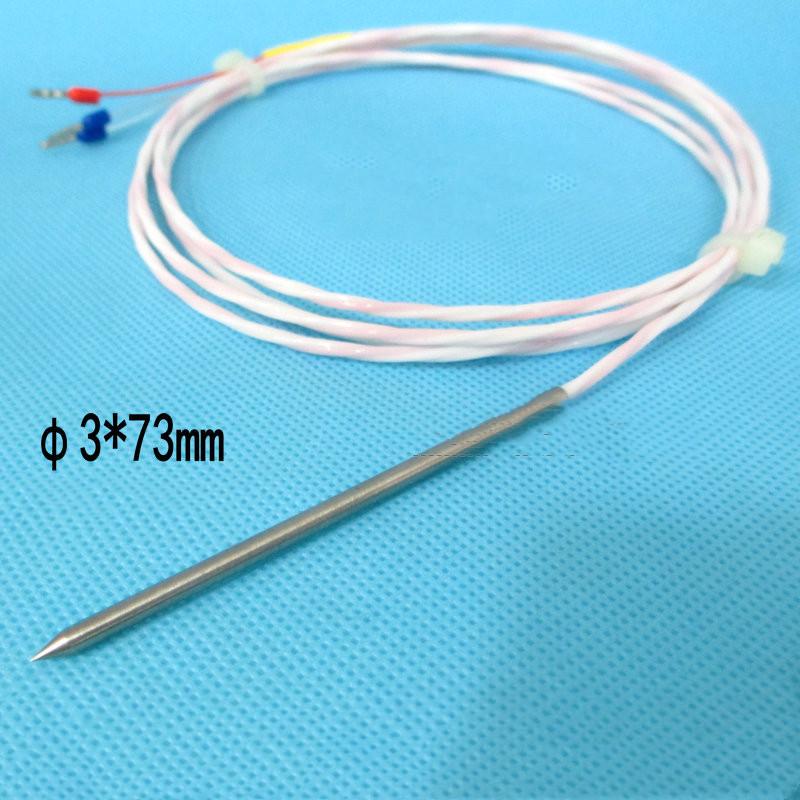
Pierce-type platinum RTD probe with stainless-steel pointed casing. Designed for laboratory bio-incubators, food processing, and medical sterilization in Central Portugal.
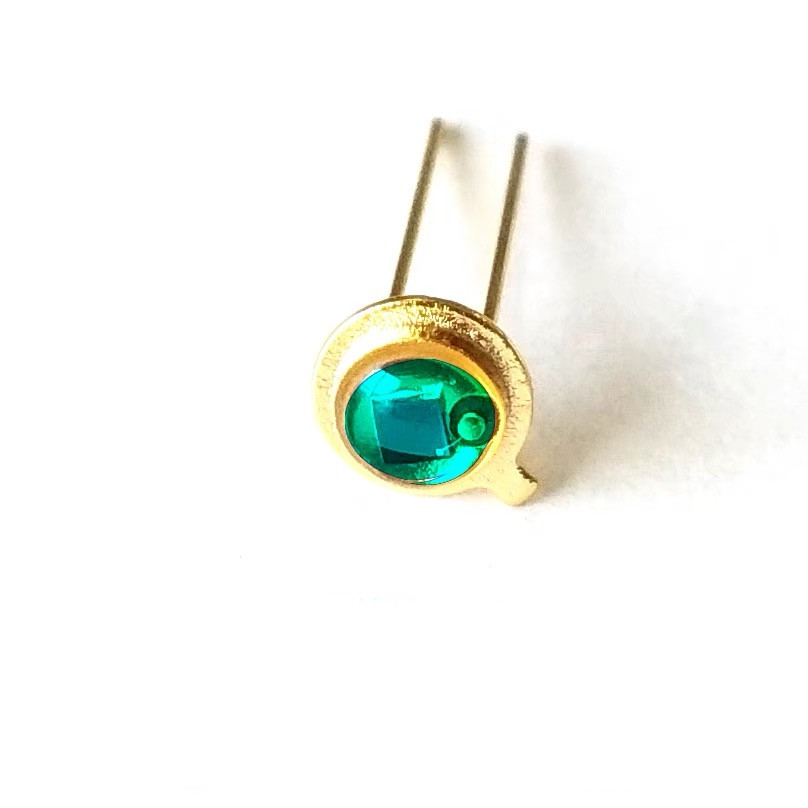
Hermetic TO-46 metal package silicon photocell with nanosecond response times. Ideal for optical spectrometry, analytical biotech instruments, and laboratory lasers.
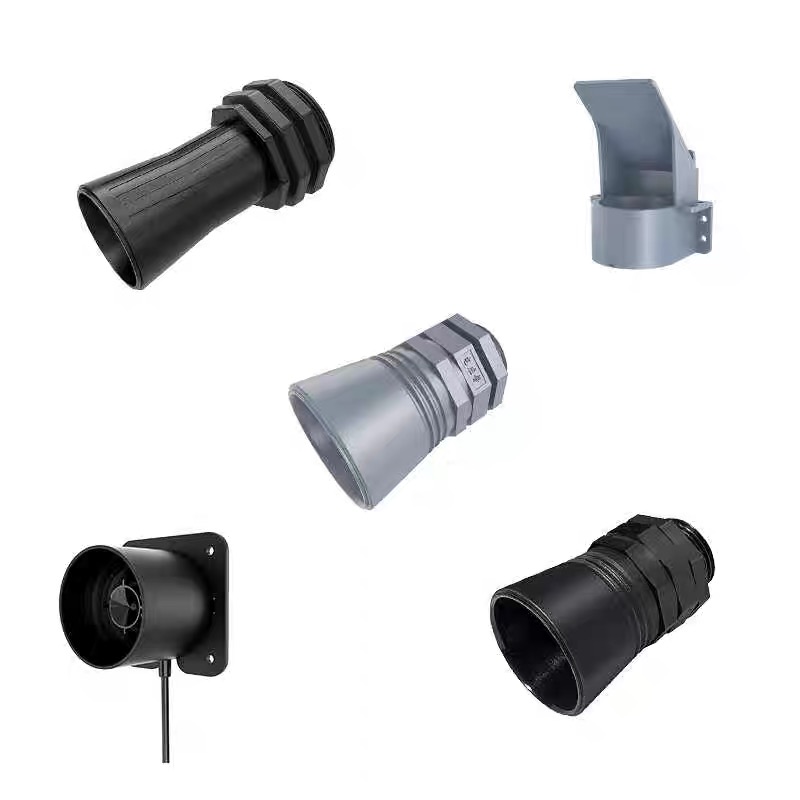
IP68 sealed ultrasonic transducer module for non-contact down-well liquid measurement, smart hydrological drainage, and river basin flood prevention across Coimbra.
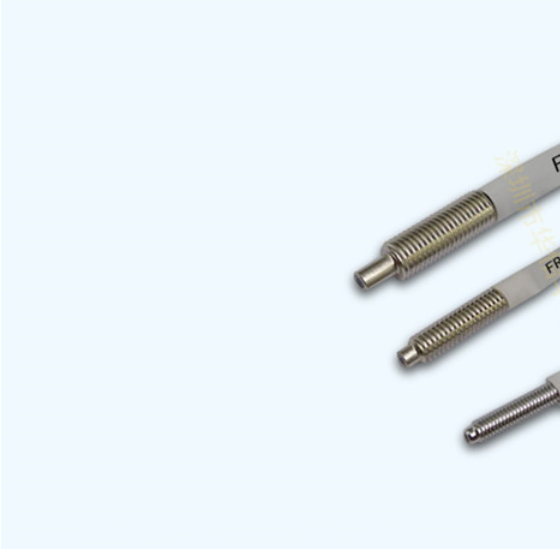
Compact high-flexibility fiber amplifier probe with robust metal sleeve. Engineered for automated packaging cells, electronics testing lines, and robotic end-effectors.
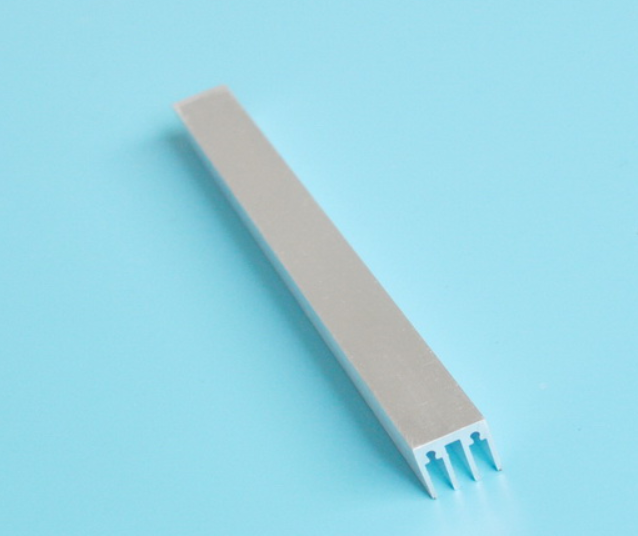
Extruded comb-fin aluminum heatsink profile engineered for linear LED arrays, horticultural lighting fixtures, and power switching triodes requiring high convective cooling.
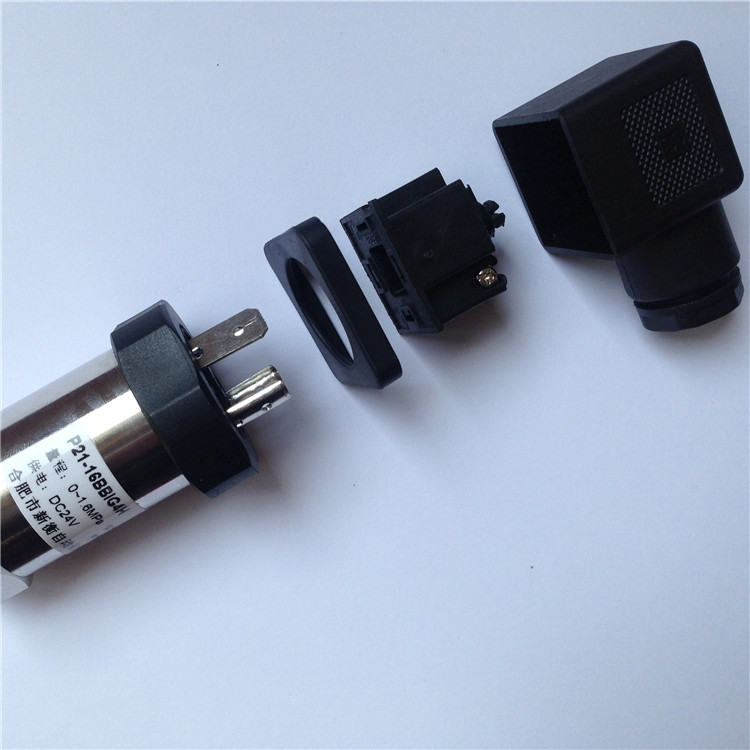
Isolated oil-filled piezoresistive silicon core encased in 316L stainless steel. Delivers calibrated industrial telemetry for municipal water supply and hydraulic loops.
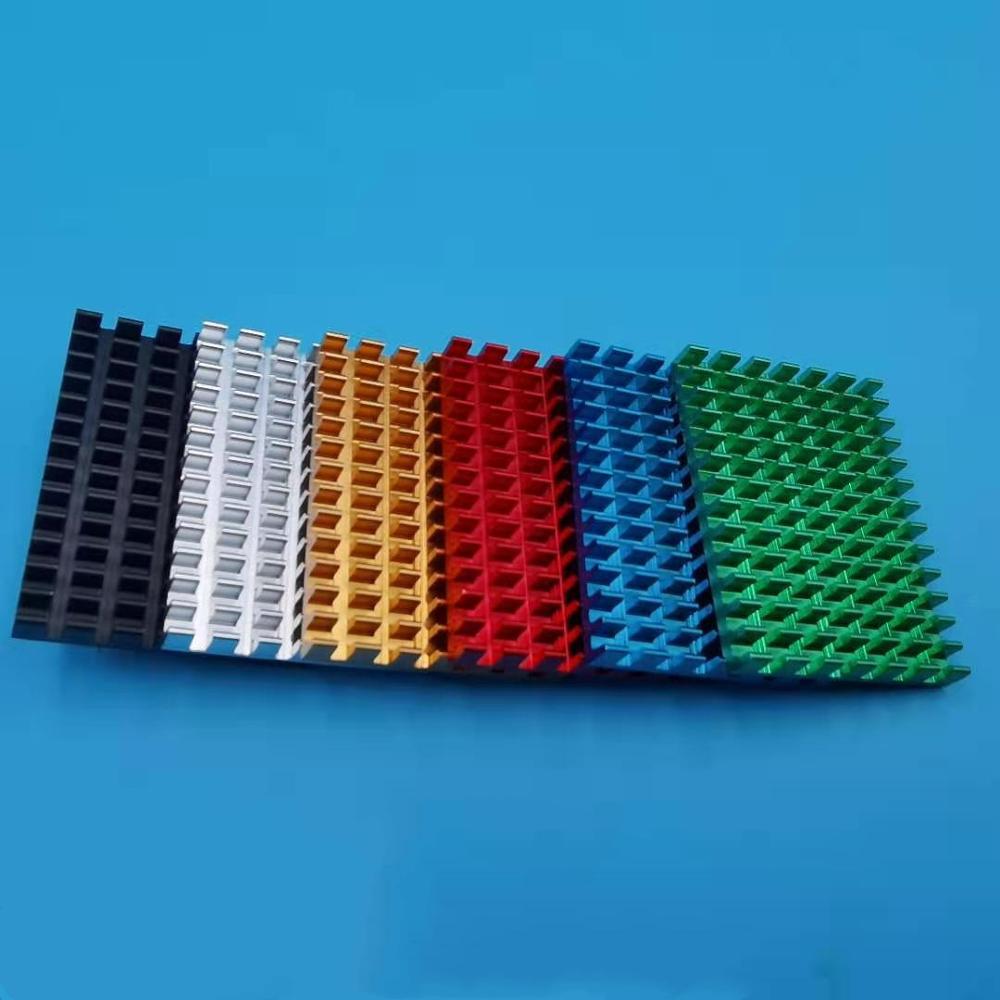
Low-profile precision-anodized cooling block with high thermal conductivity. Tailored for IoT microcontrollers, memory chips, router SoC processors, and dense PCB boards.
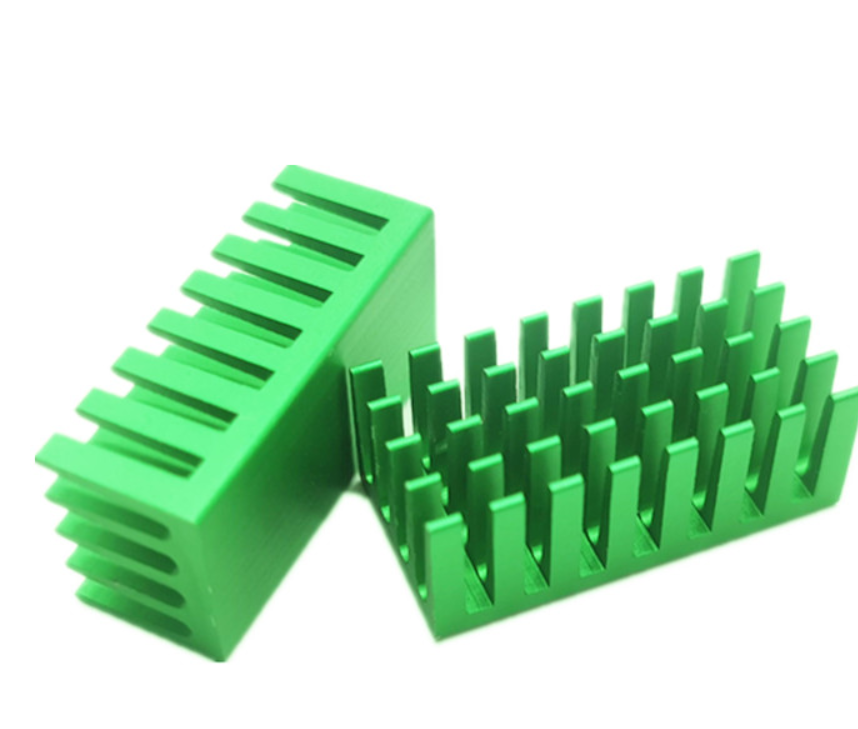
Compact finned radiator with pre-applied thermal adhesive options. Optimized for surface-mount MOSFETs, motor driver ICs, and high-frequency RF power amplifiers.
PCB Fabrication Architecture for Coimbra's Emerging Deep-Tech Ecosystem
A strategic analysis on sourcing multilayer bare boards, precision PCBA, and sensor integration for engineering teams, university spin-offs, and industrial OEMs in the District of Coimbra, Portugal.
The District of Coimbra, situated at the core of Portugal's Região Centro, has rapidly transformed from an academic and historic center into one of Southern Europe's most dynamic hardware-innovation clusters. Anchored by the centuries-old Universidade de Coimbra (FCTUC), the internationally celebrated technology transfer accelerator Instituto Pedro Nunes (IPN), and neighboring biomedical research nodes such as Biocant Park in Cantanhede, the Coimbra market represents a unique nexus of biomedical engineering, smart healthcare telemetry, autonomous robotics, clean energy, and industrial automation. For engineering teams, spin-off founders, and procurement heads operating in this high-specification arena, securing a dependable, agile, and technically rigorous PCB fabrication factory partner is the single most critical factor determining commercial time-to-market and hardware compliance.
Electronic design in Coimbra is characterized by high mixed-technology density. Unlike high-volume consumer commodity electronics, projects emerging from the IPN incubators and regional industrial corridors require High-Mix Low-to-Medium Volume (HMLV) manufacturing with strict quality standards adhering to IPC-A-600 (Acceptability of Printed Boards) Class 2 and Class 3, alongside IPC-A-610 for turnkey SMT/THT assemblies. As an onsite-verified electronics manufacturer based in Shenzhen, China—the epicenter of the world's electronics supply chain—Shenzhen Mivo Electronics Co., Ltd. bridges the gap between advanced Chinese manufacturing velocity and the exacting engineering standards of Coimbra's research-driven tech community.
Modern electronic devices designed in Coimbra face extreme operational requirements. Biomedical sensing units often mandate micro-pitch ball grid arrays (BGA) with fine trace geometries (sub-3 mil line width and spacing), high-frequency substrate stability (Rogers, Isola, or high-Tg FR-4), and lead-free biocompatible surface finishes like Electroless Nickel Immersion Gold (ENIG) or Immersion Silver. Simultaneously, regional industrial monitoring along the Mondego River basin and smart grid installations demand heavy-copper boards (up to 4 oz), metal-core aluminum substrates (MCPCB) for thermal heat spreading, and hermetically sealed sensory front-ends capable of surviving high moisture, vibrational stress, and thermal cycling.
| Fabrication Parameter | Standard Prototype Capability | Advanced / High-Density (HDI) Tier | Relevance to Coimbra Hardware Projects |
|---|---|---|---|
| Layer Count | 1 – 8 Layers (Rigid FR-4, MCPCB) | 10 – 32 Layers (Any-Layer HDI, Blind/Buried Vias) | Compact biotech analytics, robotics mainboards, embedded AI modules |
| Min. Trace Width / Spacing | 0.10 mm / 0.10 mm (4 / 4 mil) | 0.065 mm / 0.065 mm (2.5 / 2.5 mil) | Dense BGA breakout for STM32, ESP32, and FPGA microcontrollers |
| Board Base Materials | Standard FR-4 (Tg 130–150°C), Aluminum Core | High-Tg FR-4 (Tg > 170°C), Rogers 4350B, Polyimide (FPC) | Autoclave medical sterilization, high-power LED arrays, RF datalinks |
| Surface Finishes | HASL Lead-Free, OSP | ENIG (Gold 1-3u"), Immersion Silver, Hard Gold Plating | EU RoHS/REACH compliance, flat coplanarity for fine-pitch SMT chips |
| Thermal Conductivity (MCPCB) | 1.0 W/m·K – 1.5 W/m·K | 2.0 W/m·K – 4.0 W/m·K (Dielectric layer) | Comb radiator coupling, automotive drivers, high-power illumination |
| Testing & Inspection | Flying Probe Test, Visual Inspection | 100% AOI, X-Ray for BGA/QFN, Impedance Control & FAI | Medical Class II/III, environmental telemetry reliability in the field |
PCB & Sensor Application Scenarios Across the Coimbra District
Real-world integration scenarios demonstrating how our printed circuit boards, sensors, and thermal components empower Coimbra's leading technological sectors.
1. Biomedical & Laboratory HealthTech
Collaborating with spin-offs nurtured around Centro Hospitalar e Universitário de Coimbra (CHUC) and Biocant Park. Our multilayer rigid-flex PCBs and miniature PT100 platinum thermistors provide precision temperature tracking inside bio-reactors, clinical sample incubators, and automated blood analysis centrifuges where temperature drift of >0.1°C invalidates diagnostic assays.
2. Smart River Telemetry & Urban Infrastructure
Monitoring the dynamic hydrological levels of the Mondego River and municipal drainage conduits across Coimbra. Hardware engineers combine our low-power telemetry circuit boards with ultrasonic down-well level meters and oil-filled diffused silicon pressure sensors, transmitting sub-millimeter level anomalies via LoRaWAN/NB-IoT to prevent urban inundation.
3. Automated Agro-Tech & Food Processing
The agricultural valleys surrounding the Baixo Mondego depend on precision irrigation and industrial cold storage. By integrating food-grade pointed pierce temperature probes, aluminum heatsink extrusions, and heavy-copper motor controller boards, local machinery manufacturers achieve zero downtime in high-humidity harvesting and packaging operations.
Emerging Hardware Developments in Coimbra & Central Portugal
Key technological shifts driving PCB fabrication specifications and electronics supply requirements for Portuguese procurement professionals.
High-Density Interconnect (HDI) Miniaturization
With Portuguese healthtech startups targeting wearable medical devices and point-of-care diagnostics, the shift from conventional 4-layer through-hole FR-4 to microvia HDI boards (1+N+1) is accelerating, requiring tight impedance tolerance for Bluetooth Low Energy (BLE) and Wi-Fi 6 antenna structures.
Advanced Thermal Dissipation in Industrial Edge AI
Robotics systems originating from University of Coimbra research are embedding high-wattage computing modules (Nvidia Jetson, ARM Cortex-A series) on mobile robotics chassis. This drives significant demand for custom aluminum profile heatsinks, high-efficiency comb radiators, and 2.0 W/m·K aluminum-core MCPCBs.
Direct-to-Shenzhen Supply Chain Decoupling
To bypass local broker markups and multi-tier European distributor backlogs, Coimbra procurement managers are increasingly contracting directly with onsite-verified Shenzhen PCB factories that offer turnkey component purchasing, DFM engineering analysis, and direct door-to-door courier delivery under DDP incoterms.
Verified Manufacturing Credentials & Engineering Edge
Combining 8+ years of global exporting excellence with direct factory accountability in Shenzhen, China to deliver unmatched manufacturing reliability to Coimbra.
Onsite-Verified Factory Status
Our Shenzhen facilities have undergone comprehensive onsite verifications by third-party inspection firms and global platforms. With 51–100 skilled production personnel and cleanroom SMT lines, buyers avoid unvetted trading companies and work directly with the manufacturing source.
Turnkey PCBA from Just 5 Pieces
We respect the rapid prototyping lifecycle of Coimbra spin-offs and academic labs. While bare PCBs can scale to tens of thousands of panels, we support complete turnkey SMT assembly (including laser stencils, component sourcing, and testing) starting from small trial batches of just 5 units.
Shenzhen Supply Chain Component Sourcing
Avoid stockout delays. Our strategic location enables rapid procurement of authentic active and passive components from authorized global distributors (Mouser, Digi-Key) as well as cost-effective vetted domestic alternatives, verified prior to mounting with strict bill-of-materials cross-checks.
Frequently Asked Questions for Coimbra Electronics Sourcing
Detailed engineering, customs, and logistical answers tailored specifically for procurement managers and hardware developers in Portugal.
Q1: How are import duties and VAT (IVA) handled when shipping to Coimbra, Portugal?
Orders shipped to Coimbra (via DHL, FedEx, or UPS express) can be managed under standard DAP terms or arranged under DDP (Delivered Duty Paid). Under DDP, all Portuguese customs clearance fees, import tariffs, and national VAT (IVA at 23%) are calculated and settled upfront, allowing your engineering lab or company to receive packages directly with zero border delays.
Q2: What design files are required to initiate a PCB fabrication and assembly quote?
To provide a precision quote within 24 hours, our engineering team requires: (1) Gerber files in RS-274X or ODB++ format including drill files; (2) A detailed Bill of Materials (BOM) in Excel with manufacturer part numbers, reference designators, and package footprints; (3) Pick-and-place centroid coordinates; and (4) An assembly drawing specifying polarity markings.
Q3: Does Mivo Electronics comply with European RoHS and REACH directives?
Yes, 100%. All bare PCBs manufactured for our European clients utilize lead-free raw laminates, lead-free surface finishes (such as Lead-Free HASL, ENIG, or Immersion Silver), and halogen-free substrates upon request. Assembled PCBAs use certified lead-free solder pastes conforming to RoHS 3 (EU 2015/863) and REACH compliance standards.
Q4: Can you fabricate custom sensors and thermal sinks according to 2D/3D CAD drawings?
Absolutely. Beyond bare circuit boards and turnkey PCBA, our facility manufactures custom PT100/PT1000 temperature probes, high-speed photodiode housings, extruded aluminum heatsinks, and waterproof ultrasonic level sensors customized to exact mechanical dimensions, cable lengths, and connector terminations (such as JST, Molex, or M12 circular connectors).
Q5: What is the typical turnaround time for prototypes delivered to Central Portugal?
Standard 2- to 4-layer quick-turn bare PCB prototypes can be fabricated in 24 to 72 hours in our Shenzhen facility. Turnkey PCBA assembly typically requires 10 to 15 business days depending on component sourcing lead times. Air express courier transit from Shenzhen to Coimbra (via Porto OPO or Lisbon LIS international hubs) typically takes 3 to 5 business days.
Q6: How does your engineering team perform Design for Manufacturing (DFM) verification?
Every submitted project undergoes automated and manual DFM screening prior to tooling. Our senior CAM engineers examine trace spacing, annular rings, aspect ratios, solder mask slivers, acid traps, and thermal relief pads, notifying your engineers in Coimbra of potential yield risks before fabrication commences, thereby eliminating costly prototype respins.
Accelerate Your Hardware Development in Coimbra Today
Whether you require a 5-piece multilayer prototype for university research, high-reliability biomedical sensors, or high-volume aluminum core production, our Shenzhen engineering facility is ready to review your Gerber data and Bill of Materials.
Send an Inquiry