Engineering Components & Specialized Hardware for Košice OEMs
Precision single-sided boards, high-efficiency aluminum core heat spreaders, and industrial sensors built for harsh industrial environments.
1. Strategic Manufacturing Overview: Supplying Single-Sided PCBs to Košice
Košice, the industrial and technological focal point of Eastern Slovakia, is undergoing a profound industrial evolution. Traditionally anchored in heavy metallurgical output and mechanical machinery, the Košice basin—bolstered by institutions like the Technical University of Košice (TUKE) and clusters such as Košice IT Valley—has evolved into a prominent Central European nexus for automotive subsystem production, industrial automation systems, switchgear engineering, and smart consumer appliance electronics.
Within this high-mix, high-reliability operating landscape, single-sided printed circuit boards (1-layer PCBs) remain indispensable. Despite the prevalence of high-density interconnect (HDI) multilayer architecture in high-speed computing, single-sided PCBs (both rigid phenolic/FR-4 and insulated metal substrate MCPCB) offer distinct advantages: unmatched mechanical endurance, streamlined manufacturability, minimal parasitic trace capacitance, and an optimized total-cost-of-ownership (TCO) ratio. For cost-sensitive automotive dashboard illuminations, heavy industrial power supplies, LED drivers, and sensory modules, the single-sided PCB remains a design-to-cost standard across Slovakia.
Shenzhen Mivo Electronics Co., Ltd., leveraging its onsite-verified Shenzhen manufacturing backbone and comprehensive supply chain ecosystem, acts as a tier-1 partner and direct exporter for hardware developers, contract electronics manufacturers (CEMs), and systems integrators across Košice, Prešov, and the wider Košický kraj region.
"In modern hardware procurement for Eastern Slovakian assembly lines, resilience hinges on reconciling rapid Shenzhen rapid-prototyping responsiveness with European industrial conformity: zero-defect IPC-A-600/610 Class 2 compliance, certified dielectric margins, and full RoHS/REACH regulatory compliance."
2. Localized Engineering Applications Across Košice and Eastern Slovakia
Our single-sided circuit architectures and thermal management systems are specifically designed to meet the rigorous demands of Eastern Slovakia's specialized sectors:
Automotive Subsystems & E-Mobility
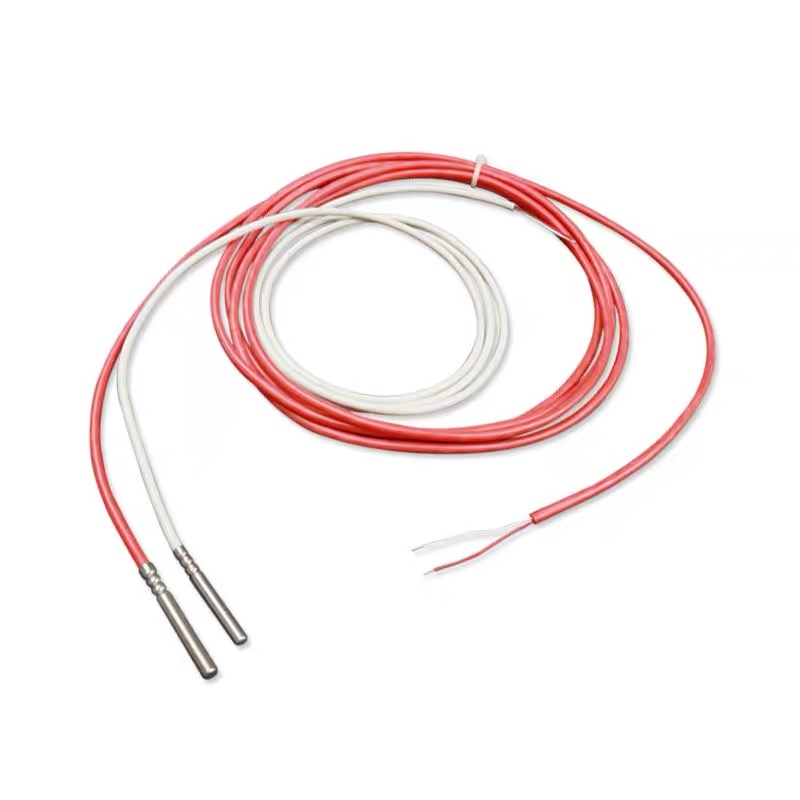
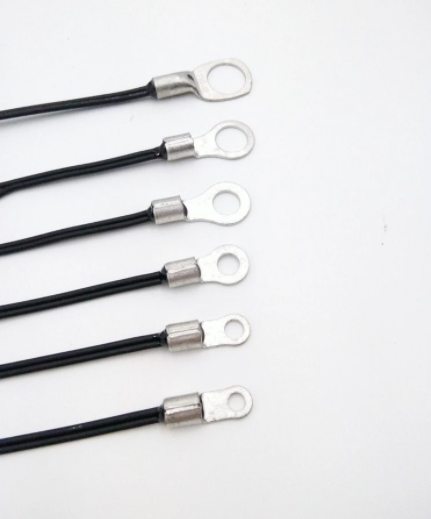
With Slovakia holding the world's highest per-capita automobile production rate, our single-sided MCPCBs (aluminum-backed boards) serve as primary carriers for rear brake LED clusters, cabin indicators, and battery monitoring NTC temperature probe interfaces engineered to absorb road vibration and dissipate thermal energy.
Industrial Automation & Heavy Metallurgy
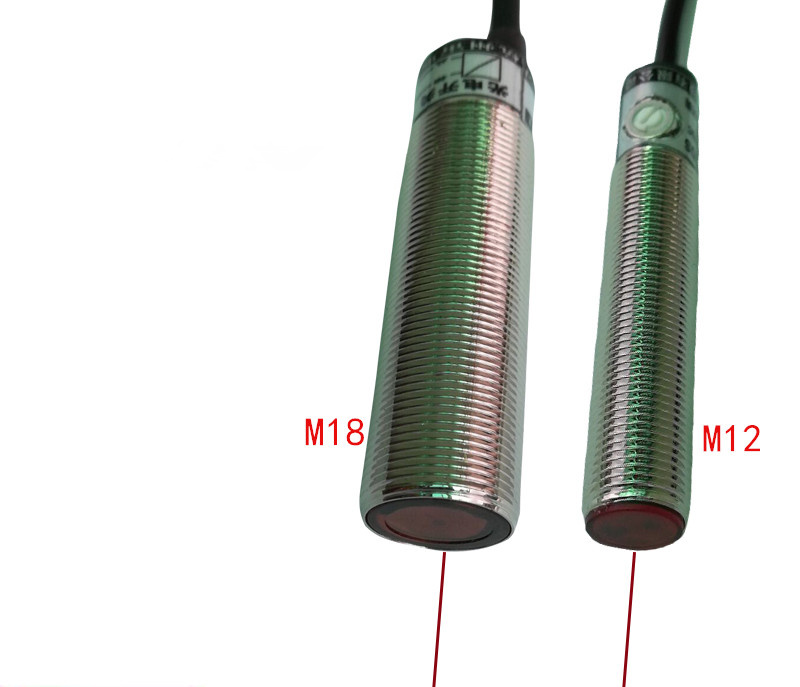
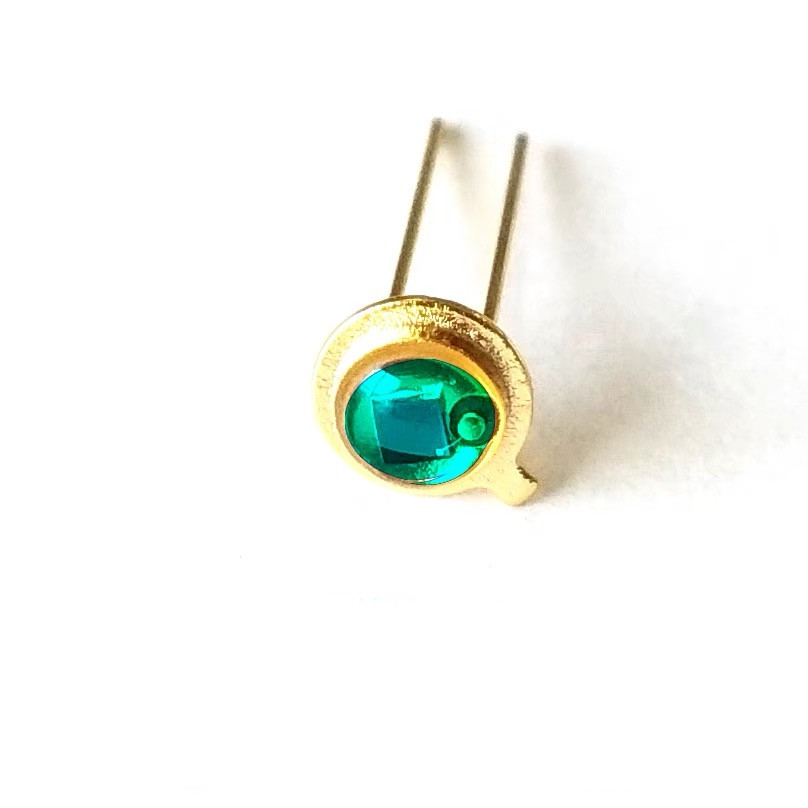
Surrounding the U. S. Steel Košice hub and regional metallurgy supply networks, electronics are subject to extreme EMI, moisture, and soot. Single-sided FR-4 and CEM-1 assemblies power optical boundary sensors, laser switchgear, and RTD PT100/PT1000 input telemetry cards.
Smart HVAC & Environmental Monitoring
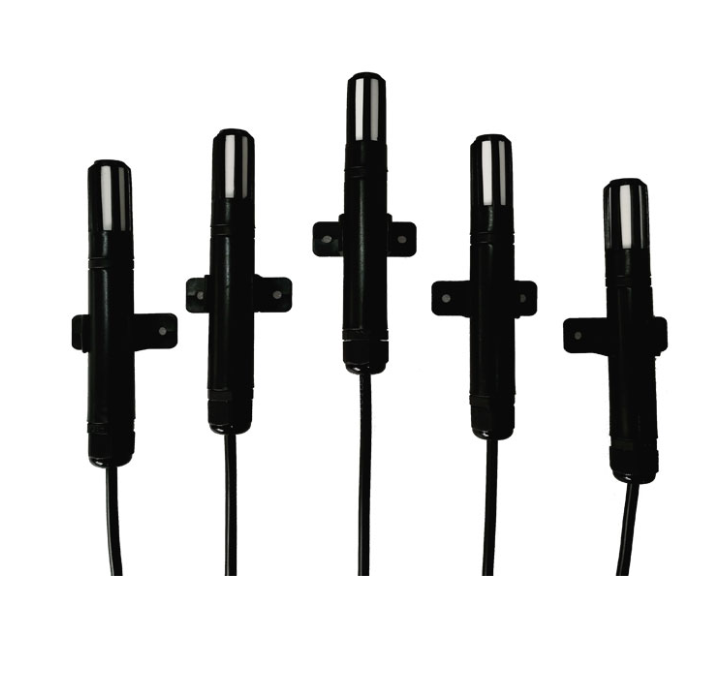
Building management systems (BMS) and HVAC manufacturers near Košice utilize our high-precision single-sided controller boards to pair digital relative humidity probes (SHT30/SHT31) and liquid leak sensing systems directly into municipal smart-city grids.
3. Technical Comparison: Single-Sided Substrate Material Matrix
Specifying the proper laminate composition is critical when designing single-sided layouts for European operations. The matrix below illustrates physical and electrical trade-offs encountered during our Design for Manufacturability (DFM) reviews:
| Substrate Classification | Thermal Conductivity | Dielectric Breakdown | Mechanical Strength | Target Košice Application |
|---|---|---|---|---|
| FR-4 Standard (Tg 130–140°C) | 0.25–0.3 W/m·K | ≥ 30 kV/mm | High Flexural / Low Warp | Industrial telemetry, optical sensor interfaces, digital control logic |
| CEM-1 (Cellulose / Epoxy) | 0.20 W/m·K | ≥ 20 kV/mm | Moderate (Punchable) | Cost-optimized consumer power supplies, basic timing units |
| MCPCB (Aluminum Base) | 1.5–3.0 W/m·K | ≥ 4 kV AC | Superior Shock Resistance | High-flux LED luminaires, automotive lamps, solid-state relays |
| Copper-Clad Aluminum (Hi-Therm) | Up to 4.0 W/m·K | ≥ 6 kV AC | Extreme Thermal Handling | EV fast-charging sub-modules, industrial inverter snubbers |
4. Technology Trends Shaping Eastern Slovakia's Electronics Ecosystem
Hardware procurement in the European Union is governed by supply chain visibility and carbon life-cycle accountability. In Košice's manufacturing parks (e.g., Industrial Park Kechnec and Košice-Peres), three decisive trends are driving single-sided PCB engineering:
4.1 High Thermal Dissipation in Compact LED & Power Packages
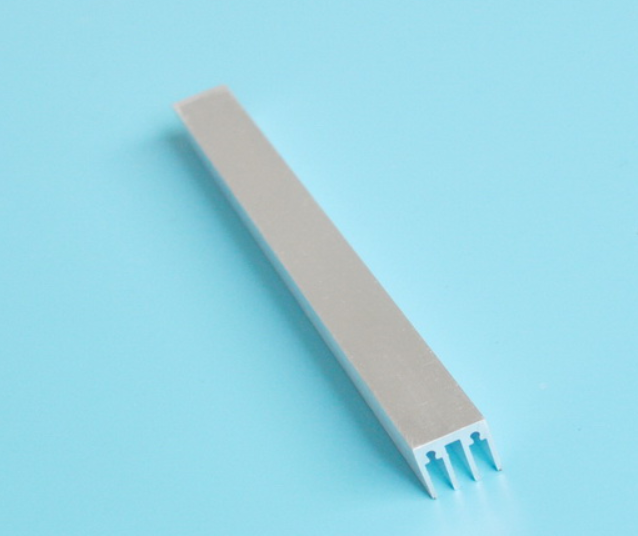
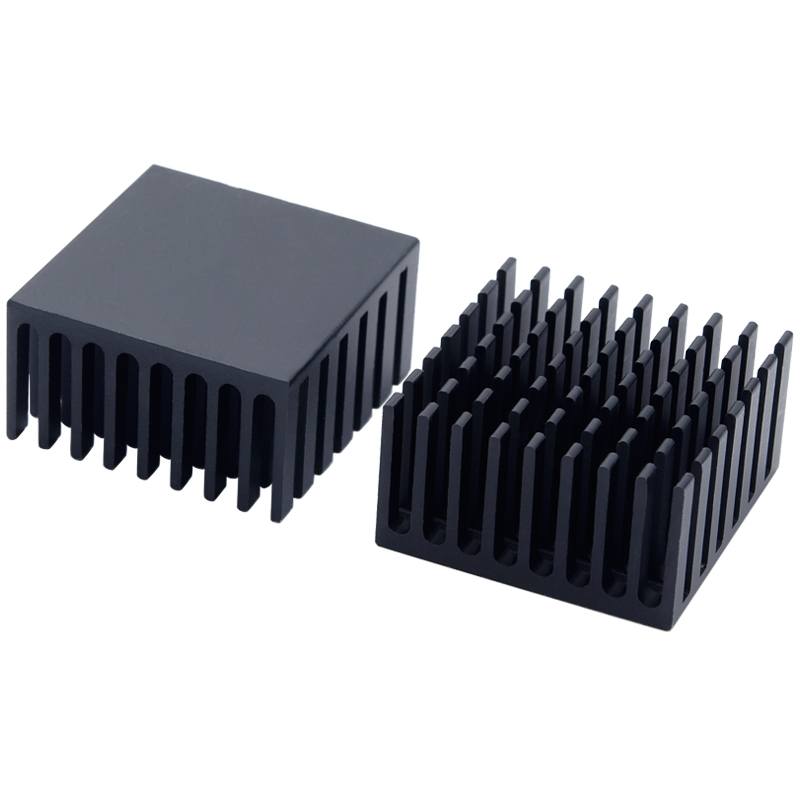
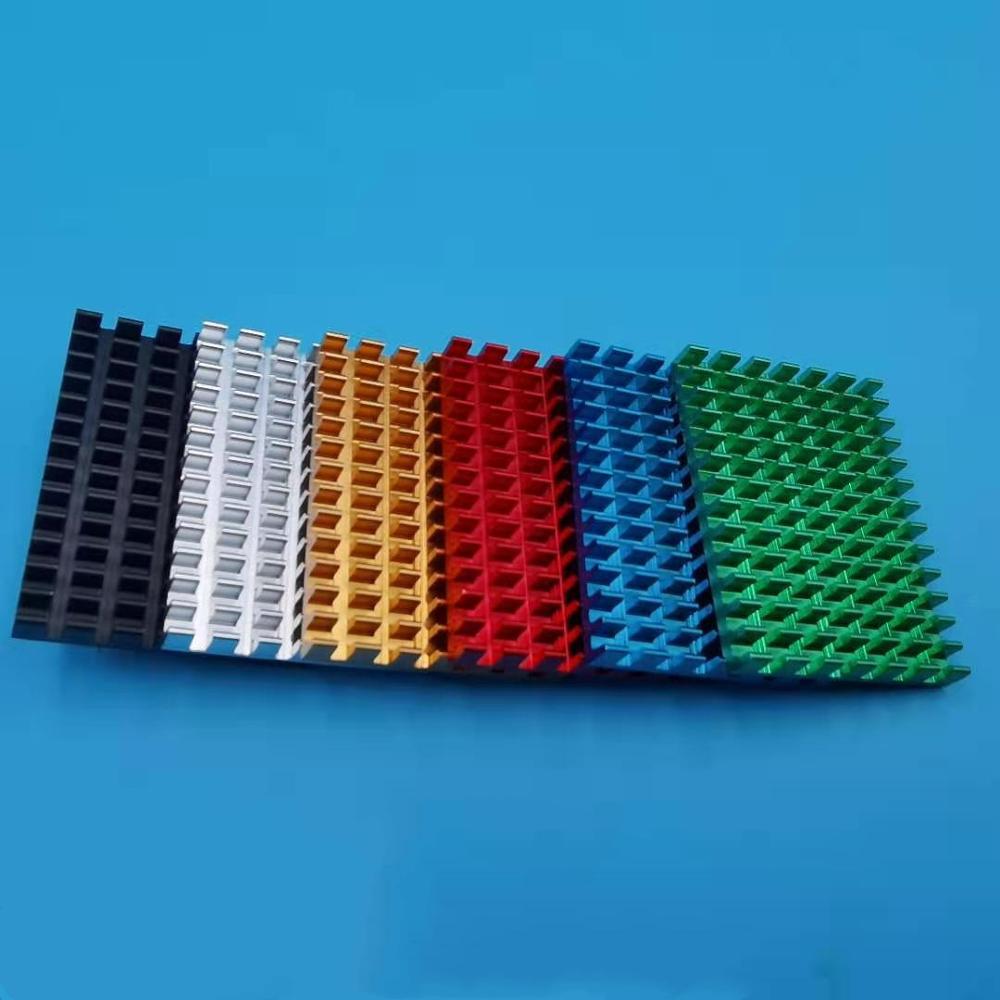
As commercial lighting, railway signal apparatus, and architectural installations transition to ultra-high-efficiency solid-state emitters, localized heat buildup poses a major risk to lumen maintenance. Standard single-sided FR-4 boards are frequently replaced by 1.5mm aluminum substrates with 2oz/3oz copper foil, dissipating heat directly into structural radiator profiles like our custom LED comb radiators without requiring expensive forced-air systems.
4.2 Supply Chain Nearshoring and Agile Prototyping Loops
European design hubs are increasingly shortening their product development iterations. Košice engineering teams can no longer afford 8-week turnaround cycles for initial trial runs. Shenzhen Mivo Electronics resolves this barrier by maintaining low minimum order quantities (from 5 pieces for PCBA and quick-turn bare PCB fabrication) backed by direct DHL/FedEx logistics lines to Košice Airport (KSC), reducing file-to-board lead times down to 5–7 working days.
4.3 Stricter RoHS, REACH, and Waste Electrical Directive (WEEE) Compliance
European environmental enforcement demands verifiable traceability down to the raw laminate. Mivo Electronics operates with certified halogen-free substrates, lead-free surface finishes (Lead-Free HASL, Immersion Gold ENIG, and Organic Solderability Preservatives OSP), and lead-free alloy solder paste formulations (Sn96.5/Ag3.0/Cu0.5), fully compliant with European Union environmental standards.
5. Enterprise Advantages: Why Košice Buyers Choose Shenzhen Mivo Electronics
Navigating Asian procurement while maintaining European quality expectations can be challenging for overseas buyers. Mivo Electronics closes this gap by serving as an engineering-focused manufacturing partner with verified credentials:
Independent Onsite Verification
Our Shenzhen production facilities have successfully passed third-party audits and Alibaba onsite inspections. Buyers have access to verifiable business credit reports, documented manufacturing footprints (101–500 m²), and trade histories.
Integrated Electronics Ecosystem
Unlike bare-board factories that refuse assembly, we provide turnkey solutions: PCB fabrication, laser-cut SMT stencils, active/passive BOM sourcing across Shenzhen distributors, and precision cable/sensor harness assemblies.
Strict DFM & Transparent Substitutions
Every Gerber package and BOM uploaded undergoes automated and manual Design for Manufacturability analysis. If an active chip or connector suffers market obsolescence, we propose verified pin-compatible alternatives and secure your written authorization prior to line setup.
6. Slovakian Procurement Guide: Single-Sided PCB Design & Export Verification
To avoid manufacturing delays and streamline customs clearance via the Slovak Financial Administration (Finančná správa SR), our engineering team recommends following this 5-point procurement protocol:
1. Clear Gerber Stack-Up Delineation: Ensure trace layers, mechanical routings (GKO/GM1), drill data (Excellon), and solder mask openings are clearly mapped. For single-sided designs, specify whether components are mounted on the copper side or through-hole mounted via non-plated through-holes (NPTH).
2. Thermal Dissipation Path: When ordering aluminum base boards, provide the required breakdown voltage rating (e.g., 2kV to 4kV AC) and dielectric thickness (typically 75µm to 100µm) to prevent unexpected insulation breakdown during high-voltage flash tests.
3. Solder Mask and Silkscreen Contrast: For industrial sensor boards subject to field repair, liquid photo-imageable (LPI) solder masks (available in green, matte black, and pure white for optical reflectivity) should be paired with sharp alphanumeric component legends.
4. Panelization for SMT Automated Assembly: If boards are to be machine-placed on automatic SMT lines in Košice or Prešov, specify breakaway tabs or V-scoring along with fiducial markers on panel margins to facilitate rapid indexing.
5. Comprehensive Sourcing Approvals: For turnkey PCBA contracts, define pre-approved component brands (e.g., Yageo, Vishay, Omron, STMicroelectronics) directly within the bill of materials.
7. Frequently Asked Questions (FAQ) for Purchasing Teams in Košice
What is the typical shipping lead time and customs clearance process for Košice, Slovakia?
Express prototype consignments shipped via DHL, FedEx, or UPS generally arrive at Košice International Airport (KSC) within 4 to 6 business days following dispatch from Shenzhen. For commercial air cargo, shipments arrive at Vienna (VIE) or Bratislava (BTS) before bonded transit to Eastern Slovakia. We provide complete commercial invoices with precise HS code classifications (8534.00 for bare PCBs, 8542.31 for populated boards) to simplify customs processing through Finančná správa.
What are your Minimum Order Quantities (MOQ) for single-sided boards and custom assemblies?
We support agile, high-mix engineering environments: bare single-sided PCB fabrication can be quoted from 100 pieces (or low-volume rapid prototype panels), turnkey PCBA projects start from just 5 pieces, specialized sensor probes (PT100, NTC, SHT30) start from 10 pieces, and standard warehouse discrete components range from 100 to 2,000 pieces based on reel sizing.
Can you manufacture aluminum-base single-sided PCBs (MCPCB) for high-power LED arrays?
Yes. We specialize in 1-layer metal core PCBs featuring thermal conductivity ratings from 1.5 W/m·K up to 3.0 W/m·K on 5052/6061 aluminum alloy backings, available in thicknesses from 0.8mm to 2.0mm. These boards integrate seamlessly with our extruded heat sinks and LED comb radiators for complete thermal management.
How does Mivo Electronics ensure BOM component authenticity and address market shortages?
Operating from Shenzhen gives us direct access to primary component distributors and certified factory channels. If your BOM specifies an obsolete or allocated part, our engineers conduct a parametric cross-reference check to source a drop-in replacement. We provide technical datasheets for your written review and never substitute components without prior customer authorization.
Are your products compliant with EU RoHS and REACH regulations?
All laminates, copper foils, soldermasks, surface finishes, and soldering alloys supplied to the Slovak and broader European market comply fully with Directive 2011/65/EU (RoHS 2.0) and Regulation (EC) No 1907/2006 (REACH). We provide certificates of conformity (CoC) and raw material test reports upon request with your production release.
Accelerate Your Košice Engineering Production Today
Submit your Gerber RS-274X files, BOM sheets, or custom sensor technical drawings. Our Shenzhen engineering team will complete a detailed DFM review and return an actionable quotation within 24 hours.