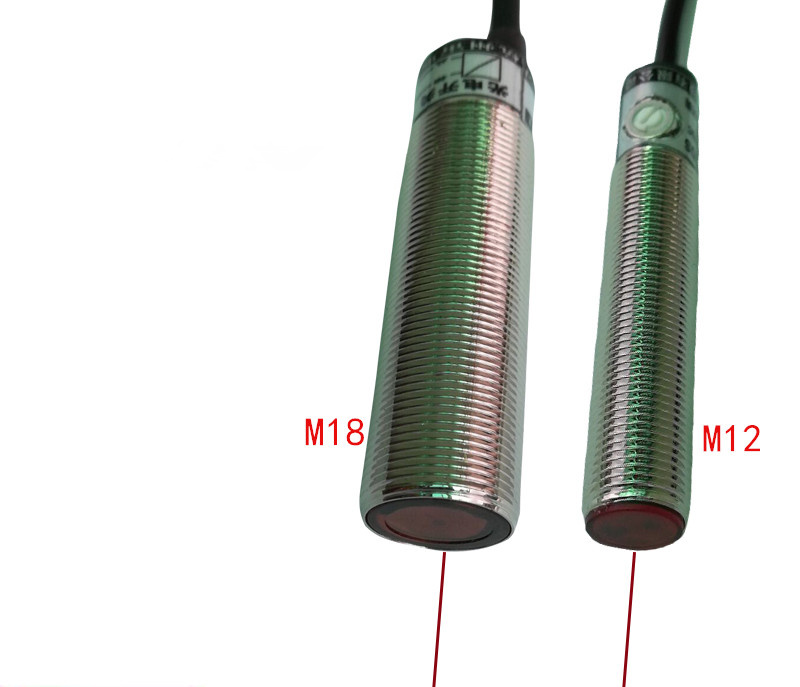
M18 Laser Sensor Visible Light Photoelectric Diffuse Reflection Infrared Ray M12 Photoelectric Switch Sensor Switching Inductor
View Details
Engineered for high durability, saltwater vapor tolerance, and electrical insulation across demanding industrial, commercial, and marine deployments.
Polycarbonate (PC) is renowned within the Human-Machine Interface (HMI) industry for its exceptional dimensional stability, high impact resistance, optical transparency, and ease of multi-color screen and digital printing. When deploying industrial interfaces in maritime nations such as Vanuatu—specifically across the primary economic hubs of Port Vila and Luganville—standard interface controls face critical premature failure modes caused by continuous relative humidity exceeding 85%, fine airborne sea salt aerosol, intense ultraviolet radiation, and tropical temperature shifts.
Shenzhen Mivo Electronics Co., Ltd. resolves these challenges by integrating advanced polycarbonate substrate configurations with high-grade isotropic conductive silver inks, UV-curable dielectric barriers, and medical-grade acrylic adhesive transfer layers (such as 3M 467MP, 468MP, or VHB). By utilizing sub-surface printing technologies, the graphical inscriptions, tactile legends, and branding marks are applied to the reverse side of the transparent polycarbonate film. This shields the printed artwork completely against mechanical abrasion, heavy chemical cleansers, continuous handling, and salt deposition.
Vanuatu’s remote geography and growing micro-industrial base demand electronic switch interfaces that require zero maintenance and exhibit faultless mean time between failures (MTBF). Our polycarbonate membrane switches, paired with custom PCB assemblies and environmental sensors, serve critical sectors across the archipelago:
Sealed HMI control panels for marine navigation modules, winch controls, saltwater desalination units, and cold chain telemetry at Port Vila harbor, delivering complete barrier protection against saline aerosol oxidation.
Vanuatu is actively investing in solar mini-grids. Our switches interface directly with hybrid solar inverters, lithium battery management systems (BMS), and remote power distribution boxes needing tactile feedback under harsh sun.
Kava extractors, copra processing equipment, beef refrigeration units, and timber processing machinery demand washable, dust-tight front panels resistant to organic dust, washdowns, and high vibration.
Several market dynamics are shaping how Pacific island nations source electromechanical components. First, there is a distinct transition from traditional mechanical push-buttons to integrated flat-panel membrane designs. Mechanical switches feature open clearances where moisture and coastal condensation collect, leading to rapid corrosion of electrical copper pads. In contrast, membrane switches feature monolithic perimeter sealing gaskets that meet IP65 and IP67 containment standards.
Second, decentralized solar power operations throughout the island chain require low-power instrumentation with tactile feedback (metal snap domes) so operators wearing protective work gloves receive positive mechanical confirmation without relying on high-draw auditory alarms. Furthermore, the convergence of PCBA production, embedded sensors (such as our high-precision SHT30/SHT31 humidity sensors and NTC probes), and custom polycarbonate overlays under one roof drastically streamlines supply chain resilience for engineering contractors working across Oceania.
Shenzhen Mivo Electronics Co., Ltd. (operating from Yuanshan Street, Shenzhen, Guangdong) acts not merely as a component supplier, but as a complete turnkey manufacturing partner. Certified via thorough onsite inspections and backed by 8 years of continuous international export history, Mivo integrates bare PCB fabrication, turnkey SMT/THT PCBA, custom component sourcing, and front-panel HMI assembly under stringent quality controls.
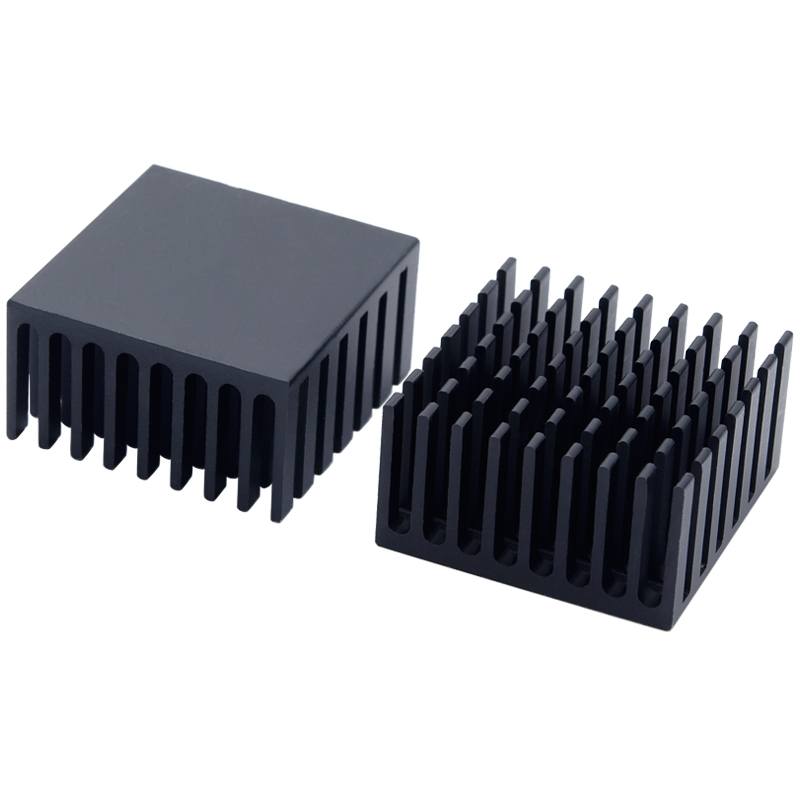
From rapid prototyping with low minimum orders (starting from just 5 pieces for PCBA and customized overlays) up to mass manufacturing runs, our team reviews Gerber data, BOM schematics, and mechanical overlay drawings via comprehensive Design for Manufacturability (DFM) analysis. We source genuine, traceable microelectronics via the Shenzhen supply cluster and fabricate custom sensing probes, flexible printed circuits (FPC), and aluminum heat sinks tailored to specific thermal and mechanical envelopes.
Frequently addressed technical considerations for importing industrial electronics and custom membrane switches into Port Vila and Luganville.
We utilize UV-stabilized optical-grade polycarbonate films coated with anti-glare, scratch-resistant textured hardcoats. Printing is carried out via sub-surface deposition, protecting the ink layers from direct solar degradation and chemical cleaners.
Samples and emergency repair prototype runs are expedited via international air couriers (DHL, FedEx) with arrival in Port Vila in 5-9 business days. Sea freight container consolidations for production volumes route through regional shipping corridors to Port Vila or Luganville.
Yes. We integrate ultra-thin surface-mount chip LEDs directly onto the inner circuit layer, along with light guide films (LGF) or fiber optic backlighting arrays to offer distinct day/night legibility for marine dashboards and control consoles.
We deploy authentic 3M 467MP or 468MP high-performance adhesive films, which feature acrylic adhesive formulations specifically engineered to withstand environmental moisture, plasticizer migration, and continuous shear stress on metal or plastic housings.
Send your vector artwork, technical mechanical drawings, Gerber files, or BOM specifications. Our engineering support desk provides comprehensive DFM feedback and competitive production quotes within 24 hours.
Contact Us