±1 Meter
Location Accuracy
IP68 Rated
Submersible Enclosure
<3 Seconds
Trigger Response Time
100% Tested
Factory Line Inspection
Export Product Portfolio
High-Reliability Sensors, Thermal Modules & Precision Electronics
Engineered by Shenzhen Mivo Electronics for high-reliability telemetry, environmental protection, industrial cooling, and automated building management systems in Holguín.
Industry Whitepaper
Engineering Architecture: Liquid Intrusion & Moisture Sensing in Critical Assets
A comprehensive examination of conductive polymer sensing mechanics, early fault diagnosis, and mitigation strategies for high-humidity coastal and industrial facilities.
1. Physics of Distributed Resistive Sensing Cables
Distributed water leak detection sensing cables operate under the fundamental principle of conductive polymer resistance transitions. Traditional point sensors detect pooling fluid at localized spots; however, when protecting large raised-floor server architectures, sub-floor chilled water loops, or industrial containment piping, point detection leaves immense blind zones. A continuous sensing cable functions as a distributed resistor ladder network. Two sensing cores, extruded from carbon-loaded fluoropolymer, maintain an electrical isolation baseline supported by a high-tensile non-conductive carrier core.
Upon contact with an electrolyte or polar fluid such as industrial condensation, glycol-water mixes, or ground seepage, an electrical circuit closes across the sensing conductors. The integrated diagnostic controller calculates the precise location of the intrusion via four-wire Wheatstone bridge impedance analysis or time-domain reflectometry (TDR). In mission-critical environments throughout Holguín—ranging from telecommunications switching nodes to automated manufacturing plant rooms—knowing not just that a leak has occurred, but pinpointing it to within ±1 meter along a 500-meter line, prevents catastrophic operational shutdowns.
Fluoropolymer Chemistry
Our outer braids and conductive jackets use non-hygroscopic fluoropolymers that resist corrosion from chemical cleansers, battery acid vapours, and coastal salt fog commonly encountered in eastern Cuban industrial sectors.
Rapid Dry-Out Recovery
Unlike woven rope designs that absorb and retain moisture for hours, our conductive polymer cable does not trap fluids within its inner core. Once wiped or aerated, resistance returns to baseline in less than 90 seconds.
BMS & SCADA Protocols
Native integration with Modbus RTU RS-485, BACnet IP, and relay closure interfaces guarantees direct hookups to PLC panels, remote cellular telemetry units, and centralized monitoring stations.
2. Comparative Specification Matrix: Cable Sensing Architectures
Selecting appropriate sensory cabling requires balancing chemical compatibility, mechanical tensile strength, and environmental recovery times. Below is an engineering benchmark showing how Shenzhen Mivo's sensing cable lines compare with conventional commercial products.
| Performance Parameter | Mivo Industrial Conductive Polymer | Standard Textile/Woven Rope | Optical Fiber Moisture Probe |
|---|---|---|---|
| Location Precision | ±1 meter or ±0.1% of continuous cable run | Zonal Only (Non-locating) | ±0.5 meter (Requires Optical Interrogator) |
| Chemical Resistance | Exceptional: Acids, Alkali, Glycol, Salt Fog | Poor: Degradation under mold & salt | Moderate: Sensitive to mechanical pinch |
| Reset Time After Fluid Removal | < 90 Seconds (Quick Dry Wipe) | 4 to 12 Hours (Moisture retention) | Immediate (Requires special cleansing) |
| Operating Temperature | -20°C to +85°C (Special options to 125°C) | 0°C to +50°C | -10°C to +70°C |
| Tensile Breaking Strength | > 70 kg (Aramid reinforced core) | < 20 kg | < 15 kg (Fragile optical fiber core) |
| Integration Overhead | Low (Standard 4-Wire / Modbus RS-485) | Very Low (Simple dry contacts) | Extremely High (Proprietary laser controllers) |
Localized Deployment
Regional Application Scenarios Across Holguín Province
Engineered to address specific industrial microclimates, high saline humidity, nickel processing installations, and hospitality infrastructure across eastern Cuba.
Nickel Extraction & Metallurgy Complexes
Holguín’s prominent mining corridors in Moa and Nicaro involve extensive hydraulic lines, cooling circuits for heavy motors, and acid-leaching circuits. Our fluoropolymer cables resist corrosive airborne particulates while detecting leaks around heat exchangers and pump rooms before corrosive runoff damages heavy electrical switchgear.
Coastal Tourism & Resort Building Automation
From Guardalavaca to Playa Pesquero, luxury resorts maintain central chiller plants, fan coil units (FCU) hidden above ceilings, and desalination equipment. Undetected condensation or pipeline failures result in mold outbreaks and ceiling collapses. Non-locating and locating cables provide early alerts to engineering staff via hotel BMS systems.
Healthcare Facilities & Biomedical Cold Chains
Provincial hospitals such as the Hospital General Universitario Vladimir Ilich Lenin rely on blood banks, vaccine cold storages, and surgical suites. Leaks in refrigeration condenser circuits or defrost lines can destroy critical biological stock. Continuous perimeter cables alert technicians before temperatures fluctuate.
Telecommunications & Power Generation Substations
Substation battery banks and provincial telecommunications relay rooms require bone-dry cable trenches. Flooding caused by tropical storms or subterranean water table rising can cause short circuits. Our sensor cables run directly in cable trays beneath power lines without electromagnetic interference false alarms.
Sugar Refining & Food Processing Facilities
Industrial agro-processing facilities in the region experience extreme ambient humidity. Conventional copper-wire contacts oxidize rapidly. Mivo’s insulated sensing cores guarantee years of life in processing facilities without false resistance tripping caused by organic airborne sugars or wash-down detergents.
Port Terminals & Coastal Marine Infrastructure
At Puerto de Moa and regional maritime storage depots, salt-laden sea air creates relentless corrosion. Our IP68-sealed mating connectors and UV-stabilized jackets prevent maritime atmospheric breakdown, ensuring reliable telemetry for bunker fuel containment and potable water supply lines.
Strategic Growth & Technology Horizons
Emerging Trends in Industrial Automation & Leak Telemetry for Eastern Cuba
How the evolution of LPWAN protocols, micro-solar nodes, and predictive maintenance algorithms is reshaping asset protection across Cuban infrastructure.
LoRaWAN & Cellular Edge Nodes
In regions where hardwired ethernet or fiber backbones may face intermittent power reliability, battery-operated LoRaWAN and 4G-LTE transmitter modules enable continuous wireless leak telemetry across remote mining stations and agricultural pumping stations throughout Holguín.
Integrated Hybrid Sensing
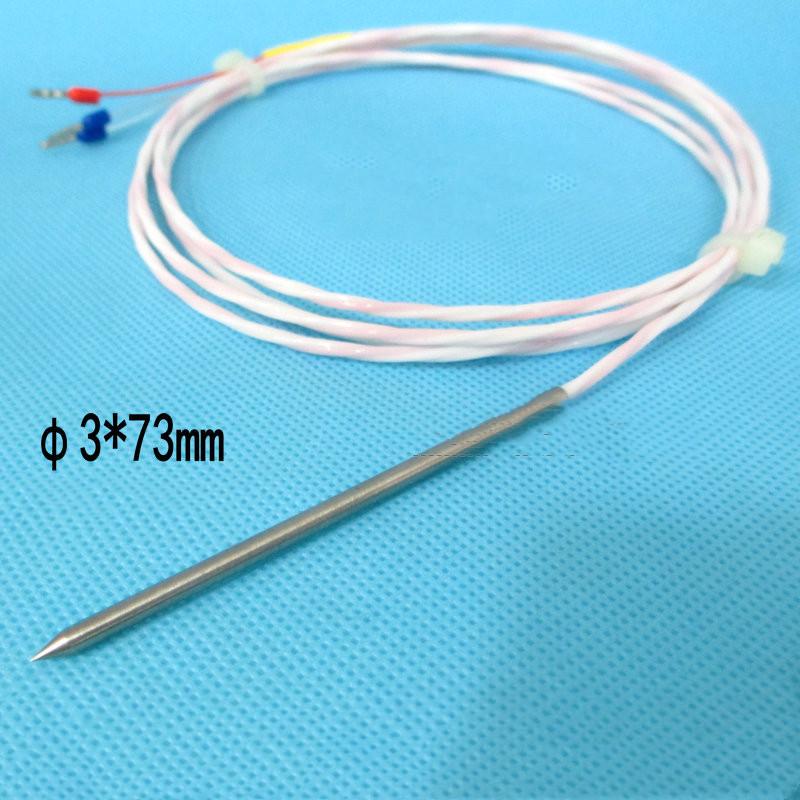
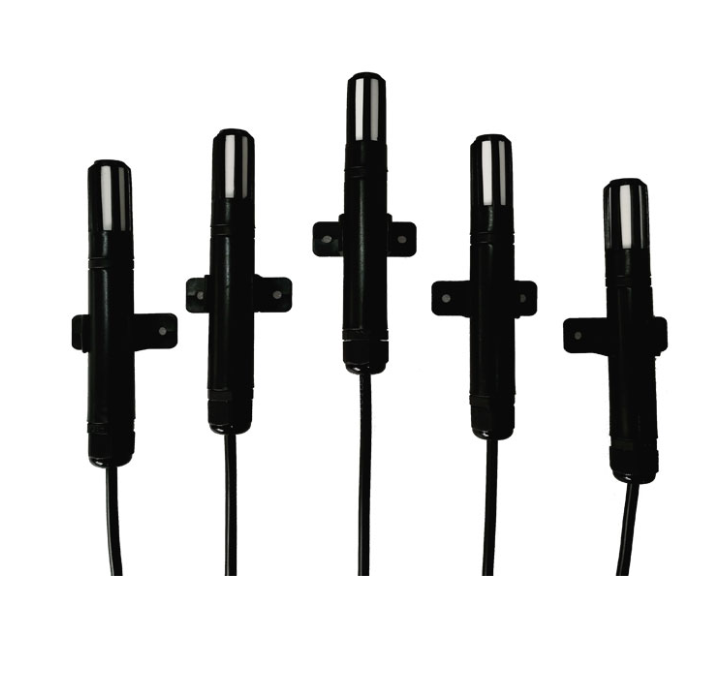
Modern asset managers increasingly mandate simultaneous fluid and temperature monitoring. Combining conductive polymer water detection cables with PT100 RTD sensors and SHT30 environmental probes delivers comprehensive enclosure diagnostics from a single integrated supplier.
Predictive Maintenance & Failure Forecast
By monitoring micro-resistance drift before full immersion occurs, smart algorithmic controllers differentiate between minor condensation pooling and pressurized pipe bursts, allowing municipal water engineers to schedule non-emergency servicing during planned maintenance windows.
Procurement & Technical Support
Frequently Asked Questions by Industrial Buyers in Holguín
Everything procurement officers, facility engineers, and import coordinators need to know regarding specifications, lead times, and local compatibility.
Can Mivo’s water leak detection cable withstand coastal salt fog and high tropical humidity?
Yes. Our sensing cables are manufactured with fluoropolymer jackets and non-conductive polymer braiding designed specifically to resist oxidation, mold, and atmospheric salt exposure common along the coastline of Holguín Province. The inner conductive wires are completely isolated from air contact until fluid bridges the outer surface.
What is the minimum order quantity (MOQ) for custom length sensing cables and controller modules?
Unlike many tier-1 sensor manufacturers that demand high order volumes, Shenzhen Mivo provides flexible procurement with sensor MOQs starting from just 10 pieces for custom lengths (e.g., 5m, 10m, 15m, 50m with pre-crimped waterproof connectors) and prototype PCBA controllers starting from 5 pieces.
How does the cable communicate with local supervisory control systems (SCADA / BMS)?
Our diagnostic controllers feature standard RS-485 interfaces running the Modbus RTU protocol, alongside configurable SPDT dry contact relay outputs. This allows direct integration into Siemens, Schneider, Honeywell, or custom micro-controller PLC systems installed in Cuban industrial and municipal automation sites.
What happens if the cable is accidentally contaminated by grease, dust, or light construction debris?
Because our conductive polymer outer layer is smooth and non-absorbing, light dust does not create false triggers. In case of contamination by grease or dirt during site construction or maintenance, the cable can be wiped down with isopropyl alcohol or clean water and allowed to dry; its original baseline resistance will recover immediately.
Can Mivo provide custom pre-terminated leader cables and end-of-line terminators?
Yes. Every order can be customized to drawing. We manufacture non-sensing leader cables in specified lengths (ranging from 1m to 100m) with IP68 metal or plastic push-pull circular connectors, matching hold-down clips, and weighted end-of-line termination plugs for complete plug-and-play installation.
How are export orders packaged and cleared for shipment to Cuba?
We provide export-grade vacuum-sealed moisture barrier packaging, ESD shielding, and heavy double-corrugated carton protection with complete commercial invoices, packing lists, and certificates of conformity to facilitate air freight and ocean freight clearance into Cuban ports and customs terminals.
Request Technical Data Sheets & Export Quotations
Speak directly with our engineering team to calculate loop resistance, select appropriate cable length configurations, or review custom PCBA designs for your Holguín installation.
Get Catalog