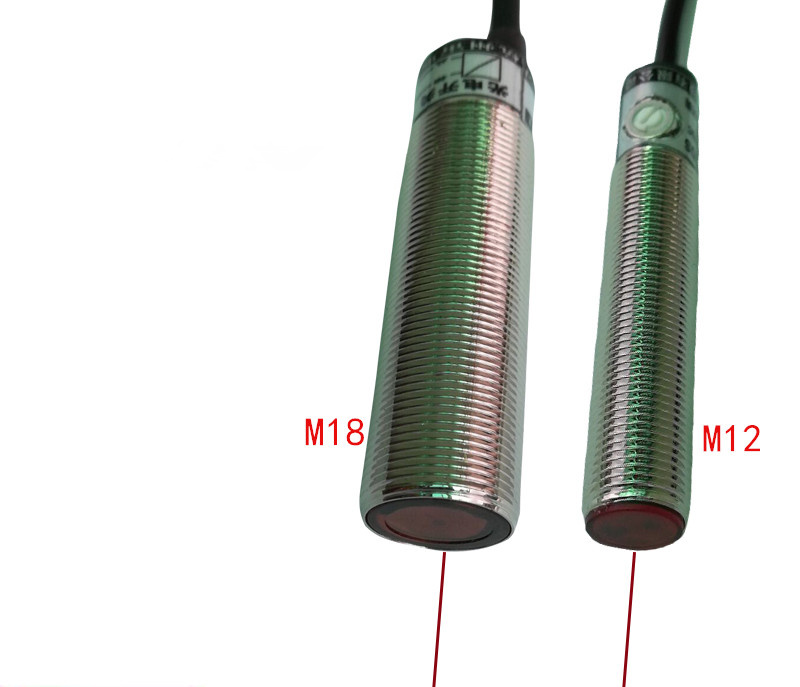
Industrial Electronics & Sensor Ecosystem
Featured Electronic Modules & Sensing Solutions
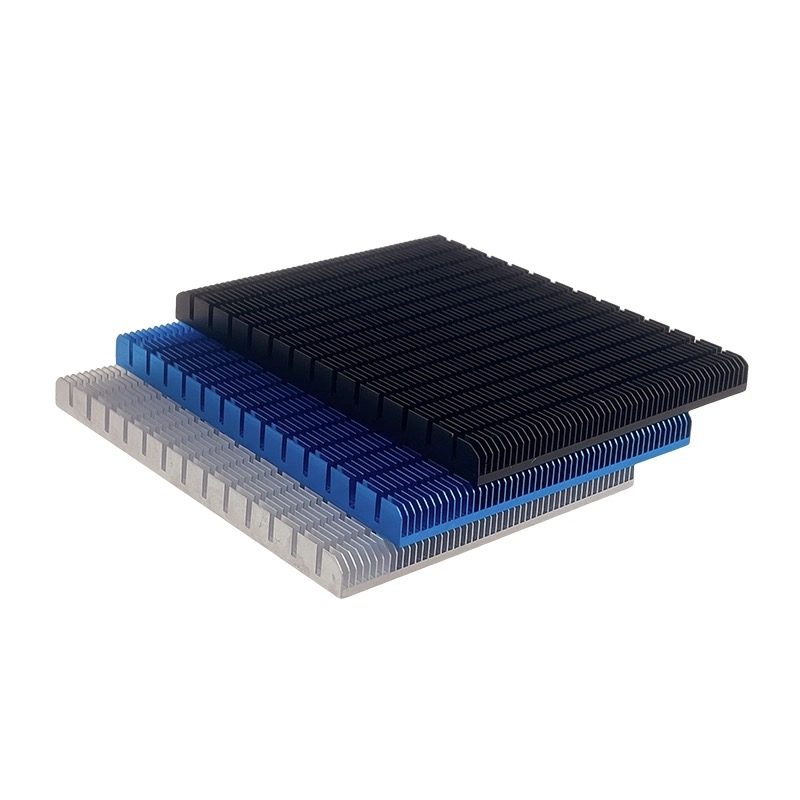
Explore complementary industrial-grade components, electro-optical sensors, and thermal management hardware engineered to integrate seamlessly with custom membrane panels and PCBA architectures.
Automotive Sensing
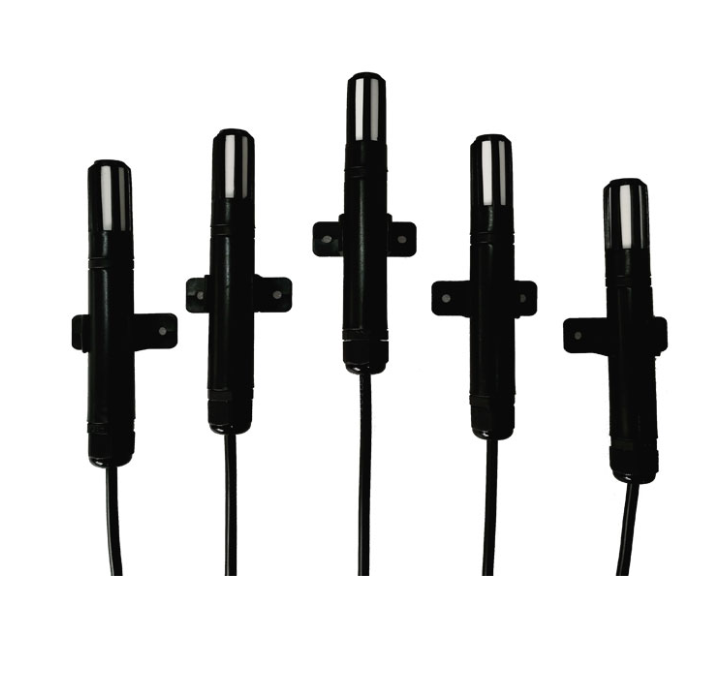
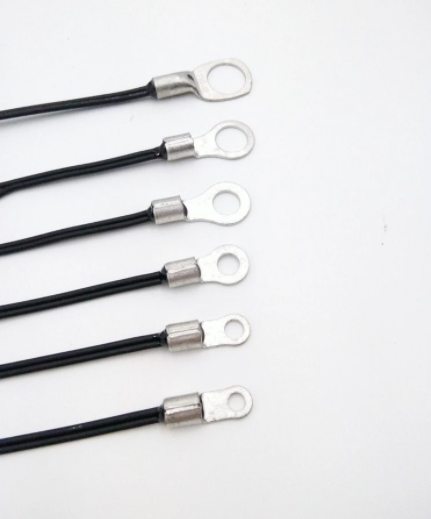
New Energy Automobile Power Battery Temperature Sensor NTC 100K Probe B4150
Acoustic Elements
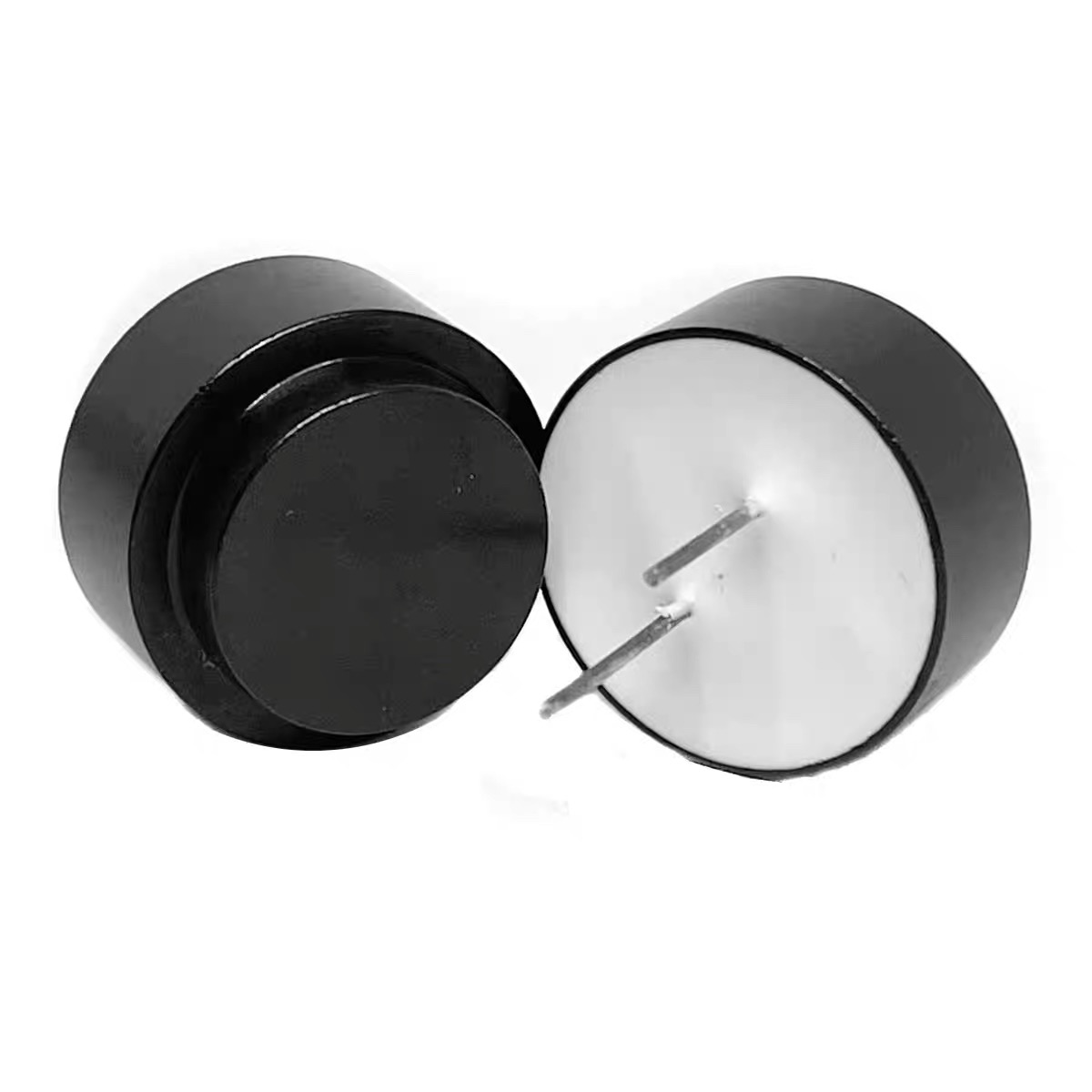
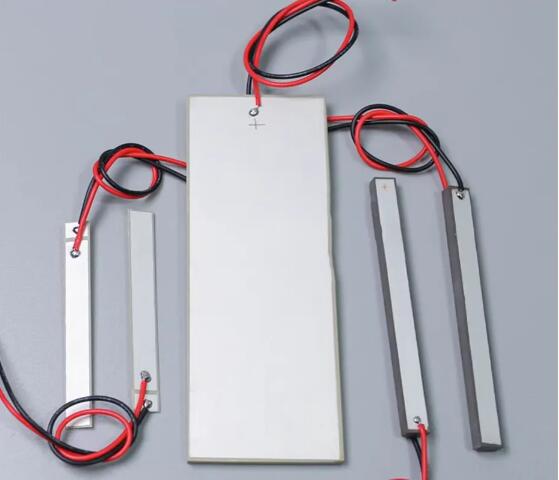
Piezo Ceramic Element PZT Long Strip Ultrasonic Transducer Wafer Sensor
Engineering Authority & Quality Systems
Industrial Membrane Switch Architecture & CE Marking Directives
In modern industrial automation, medical diagnostics, energy infrastructure, and transport interfaces, the human-machine interface (HMI) serves as the primary barrier between harsh external environments and sensitive electronic controls. Specifying a custom membrane switch panel is an exercise in rigorous electro-mechanical co-design. For international procurement managers and original equipment manufacturers (OEMs) shipping to the European Economic Area, securing a trustworthy CE certified membrane panel factory is not merely a documentation checkpoint—it is an indispensable mandate governing user electrical safety, electromagnetic compatibility (EMC), and hazardous chemical restrictions.
A CE-compliant membrane panel operates under multiple harmonized directives depending on its underlying functional complexity. When integrated with intelligent microcontrollers, capacitive tactile matrices, backlighting drivers, or high-density rigid/flexible printed circuit boards (PCBA/FPC), the assembly must adhere strictly to the Low Voltage Directive (LVD) 2014/35/EU and the Electromagnetic Compatibility (EMC) Directive 2014/30/EU. Furthermore, baseline environmental conformity across Europe necessitates total material compliance with RoHS Directive 2011/65/EU (amended by 2015/863/EU) and REACH (EC No 1907/2006), preventing heavy metals, flame retardants, and phthalates from contaminating industrial electronics lifecycles.
Key Engineering Takeaway: Unlike purely decorative graphic overlays, functional membrane switch panels carry active electrical circuits subjected to dielectric voltages, continuous physical deflection, and electrostatic discharge (ESD). CE certification guarantees that under standard operating thresholds (e.g., continuous 35V DC / 100mA loads), the panel maintains dielectric breakdown resistance above 1,500V AC without dielectric breakdown, silver migration, or emission of disruptive RF harmonics.
Cross-Section Anatomy of a Heavy-Duty Industrial Membrane Panel
A high-reliability CE-marked membrane switch comprises 6 to 9 laminated layers, each engineered with micrometer-level precision to fulfill dedicated mechanical, aesthetic, and electrical functions:
1. Graphic Overlay Substrate
Autotex XE or polyester (PET) films featuring chemical-resistant textures, UV-cured anti-glare coatings, and sub-surface screen/digital printing immune to abrasions, harsh sanitizers, and fading.
2. Overlay Adhesive & Gasket
High-shear acrylic adhesives (such as 3M 467MP/468MP) forming an unbroken perimeter seal that yields IP65, IP67, or NEMA 4X liquid and particulate barrier performance.
3. Snap-Action Tactile Metal Domes
Precision-stamped stainless steel domes (nickel-plated or gold-plated) engineered for actuation forces from 220g to 500g, providing crisp tactile feedback across 1,000,000+ switch cycles.
4. Circuit Layer (Silver/Copper FPC)
High-conductivity polymer thick-film silver ink with carbon-overcoat protection against silver electromigration, or polyimide copper FPC flex boards for high-density surface mount LED integration.
5. Comprehensive ESD/EMI Shielding
Integrated aluminum foil, solid conductive carbon grid, or transparent indium tin oxide (ITO) shielding layers directly grounded to eliminate operator electrostatic discharge up to 15kV.
6. Rear Stiffener & Mechanical Backing
Rigid aluminum plate (AL5052/6061), FR-4 composite board, or stainless steel structural plates equipped with PEM mounting studs for direct chassis bolt-down in heavy machinery.
Standard Engineering Parameters & Verification Matrix
A reputable CE certified membrane switch supplier validates every production batch against internationally accepted ASTM, DIN, and ISO testing protocols:
| Performance Category | Standard Specification | Harmonized Test Protocol | CE Compliance Relevance |
|---|---|---|---|
| Operating Voltage / Current | ≤ 35 VDC / ≤ 100 mA (Max 1W rating) | ASTM F1689 / ASTM F1578 | LVD Safety Insulation Limits |
| Contact Loop Resistance | < 100 Ω (Dependent on silver trace length) | ASTM F1680 (Four-wire Kelvin method) | Signal Integrity & Logic Stability |
| Insulation Resistance | > 100 MΩ @ 100 VDC (25°C, 60% RH) | ASTM F1663 / IEC 60512-3-1 | Dielectric Protection & Creepage |
| Dielectric Breakdown Withstand | > 1,500 VAC / 60 seconds (No flashover) | IEC 60664-1 / ASTM F1458 | LVD 2014/35/EU Electrical Safety |
| Electrostatic Immunity (ESD) | 8 kV contact discharge / 15 kV air discharge | EN 61000-4-2 (EMC Directive) | Protects Downstream Microcontrollers |
| Switch Actuation Life | > 1,000,000 actuations (Metal Domes) | ASTM F1578 Dynamic Endurance | Machinery Directive Reliability |
| Ingress Protection (Front Seal) | IP65, IP67, IP68 (Custom perimeter gasket) | EN 60529 / ISO 20653 | Environmental Barrier Isolation |
| Thermal Operating Range | -40°C to +85°C (Specialty films to +105°C) | IEC 60068-2-1 / IEC 60068-2-2 | Automotive & Outdoor Reliability |
Procurement Intelligence
Emerging Sourcing & Procurement Trends in Industrial HMI Panels
Global supply chain leaders and procurement directors are actively adapting their HMI sourcing strategies to mitigate supply chain volatility, satisfy stricter sustainability mandates, and capitalize on advanced material engineering.
1. Transition from Fragmented Sourcing to One-Stop Box-Builds
Procurement teams are shifting away from buying bare graphic overlays from one vendor, PCBs from another, and assembly services from a third. Leading OEMs now partner with turnkey suppliers capable of integrating screen-printed membrane front panels with SMT assembled mainboards, internal sensors, CNC metal chassis, and pre-programmed firmware. This eliminates blame-shifting between vendors and reduces production cycle times by up to 40%.
2. Demand for Copper Flex (FPC) Over Traditional Silver Inks
While screen-printed silver ink remains cost-effective for simple switch arrays, high-reliability sectors (medical, automotive, EV charging) are increasingly specifying copper flex circuits (Polyimide FPC). FPC delivers lower trace resistance, eliminates silver electromigration risks in high-humidity zones, and allows micro-pitch SMT components (0402 LEDs, capacitive sensor ICs, and micro-B2B connectors) to be soldered reliably.
3. Stricter Verification of Factory Onsite Status
The post-pandemic market has exposed vulnerabilities with trading intermediaries masquerading as genuine factories. B2B buyers now mandate verified supplier audits (such as Alibaba onsite verification, ISO9001:2015 registration, and live video factory tours). Working directly with verified factories in manufacturing epicenters like Shenzhen grants transparent component traceability and factory-direct engineering support.
4. Sustainable, Halogen-Free & Recyclable Materials
Driven by the EU Corporate Sustainability Due Diligence Directive (CSDDD) and expanded WEEE regulations, European industrial buyers require documented material disclosures. Factories must supply full RoHS/REACH testing reports, utilize solvent-free UV-curable dielectric inks, and implement halogen-free adhesives that simplify end-of-life recycling for decommissioned industrial control modules.
5. Low-Volume Prototyping (5–10 Pcs) as a Standard Qualification Requirement
Modern agile hardware development requires rapid field trials. Sourcing departments avoid suppliers with rigid 1,000-piece minimum order quantities (MOQs). The market heavily favors responsive factories offering prototype runs from 5 to 10 pieces with fast-turn DFM (Design for Manufacturability) analysis, enabling engineers to validate ergonomics and CE EMC compliance prior to volume tooling release.
6. Total Integration of Environmental & Optical Sensors
Membrane panels are no longer passive button matrices; they are integrated operational hubs. Modern procurement contracts require the inclusion of ambient light sensors, digital temperature/humidity probes (e.g., SHT30/31), diffuse optical detectors, and ultrasonic distance modules directly into the front panel or adjacent housing to support Industry 4.0 predictive maintenance.
Innovation Vectors
Technological Development Trends Shaping Next-Gen Membrane Panels
The convergence of flexible hybrid electronics (FHE), advanced optoelectronics, and micro-sensing is redefining what an industrial interface can achieve. While traditional membrane switches were purely electromechanical contact arrays, modern developments are transforming them into smart, interactive human-machine interfaces.
Capacitive Touch & Hybrid Tactile Blending
By blending physical stainless steel snap domes for critical safety functions (such as Emergency Stop or Power) with capacitive slider rings and gesture zones on the same surface, engineers achieve sleek aesthetic styling without sacrificing tactile feedback for gloved operators.
Light Guide Film (LGF) & Dead-Front Illumination
Traditional bulky discrete LEDs often cause uneven light dispersion and hot spots. Modern panels implement ultra-thin (0.125mm) micro-etched Light Guide Films (LGF) powered by side-firing LEDs. This distributes uniform illumination across complex iconography while enabling dynamic "dead-front" graphics that remain invisible until activated.
Antimicrobial & Self-Healing Surface Nanocoatings
In medical clinical environments and food-grade cleanrooms, silver-ion and micro-textured antimicrobial nanocoatings are laminated onto the outer polyester layer. These coatings actively inhibit bacterial colonization (99.9% reduction per ISO 22196) and resist aggressive hospital cleaning agents like isopropyl alcohol and bleach.
Manufacturing Capabilities
Why Global Engineers Partner with Shenzhen Mivo Electronics
Headquartered in Shenzhen, Guangdong—the world's foremost epicenter for electronics manufacturing—Shenzhen Mivo Electronics Co., Ltd. is an onsite-verified manufacturer offering true end-to-end turnkey electronics fabrication. We eliminate the frictions of multi-vendor supply chains by delivering fully integrated solutions: from raw FR-4 and aluminum PCBs, laser-cut SMT stencils, and custom sensors to CE-compliant industrial membrane panels and high-density PCBA box builds.
- Onsite-Verified Factory: Fully audited and legally verified physical production premises with 51–100 skilled engineers and assembly technicians.
- Prototyping from 5 Pieces: Low-barrier engineering trials for custom PCBA and membrane switches, scaling effortlessly to high-volume repeat runs.
- Shenzhen Supply Chain Supremacy: Direct access to original component distributors, guaranteeing transparent BOM sourcing and authorized substitutions.
- Strict QA & Testing Protocols: 100% automated optical inspection (AOI), in-circuit testing, dielectric breakdown verification, and contact life profiling.
Verified Enterprise Data
Company Name
Shenzhen Mivo Electronics Co., Ltd.
Factory Location
Yuanshan St, Shenzhen, Guangdong, China
Verification Status
Onsite Verified (Third-Party Assured)
Workforce Scale
51 – 100 Specialized Personnel
Export Experience
8+ Years International Trade
Verified Buyer Rating
4.7 / 5.0 (Global Track Record)
Core Offerings
PCBA, PCB, Membrane Panels, Sensors
2016
Established Year
Over 8 Years Dedicated Exporting
5 Pcs
Low Prototype MOQ
Fast DFM & Functional Validation
4.7 / 5
Verified Customer Score
Consistent Quality & On-Time Delivery
100%
Traceable Quality
Gerber & BOM Engineering Scrutiny
Procurement Support
Frequently Asked Questions for Membrane Panel Procurement
Clear, technically rigorous answers addressing regulatory certifications, engineering file preparation, environmental sealing, and prototyping workflows.
What specific European directives apply to CE certified membrane switch panels?
Membrane panels incorporating active circuitry, surface-mount LEDs, active sensors, or connected flexible PCB assemblies must comply with the Low Voltage Directive (LVD) 2014/35/EU (governing dielectric withstand, electrical clearance, and operator shock prevention) and the EMC Directive 2014/30/EU (ensuring electromagnetic emissions do not exceed industrial limits and that the panel has adequate electrostatic discharge resistance up to 8kV/15kV per EN 61000-4-2). All panels entering the EU must also comply with the RoHS Directive 2011/65/EU (amended by 2015/863/EU) and REACH regulations regarding hazardous substances.
What engineering design files are required to obtain a DFM review and quotation?
To provide an accurate engineering review and quote, our engineering team requires:
1. Vector artwork for the graphic overlay (Adobe Illustrator .AI, CorelDraw, or high-resolution .PDF with specified Pantone or RAL color codes).
2. CAD mechanical outline drawing (.DWG or .DXF) showing cutouts, LED windows, dome positions, and dimensional tolerances (±0.15mm).
3. Circuit schematic or Gerber package (RS-274X) for the circuit layer, including connector pin-out definitions.
4. Bill of Materials (BOM) detailing any integrated LEDs, connectors, resistors, or custom sensors.
What is the minimum order quantity (MOQ) for custom membrane panels and PCBA?
For custom turnkey PCBA and functional membrane switch prototypes, our MOQ starts from just 5 pieces. This allows overseas clients to run pilot field trials, evaluate ergonomic tactile response, and pass preliminary CE EMC laboratory testing without committing to high tooling capital. Serial production orders are quoted on tiered scale economics from 100 to 50,000+ pieces.
How does Mivo Electronics achieve IP67 / NEMA 4X waterproof sealing on front panels?
True waterproof integrity is achieved through a multi-tiered engineering approach. We utilize an unbroken, continuous perimeter adhesive border (using high-tack, closed-cell acrylics like 3M 467MP/468MP or 3M 300LSE for low surface energy plastics). Venting channels for metal dome displacement are routed internally between domes rather than venting to the outside atmosphere, preventing moisture ingress under high-pressure washdown conditions. For extreme environments, full perimeter silicone gaskets or polyurethane encapsulation can be engineered.
Can you incorporate custom sensors, backlights, and CNC heat sinks into the panel assembly?
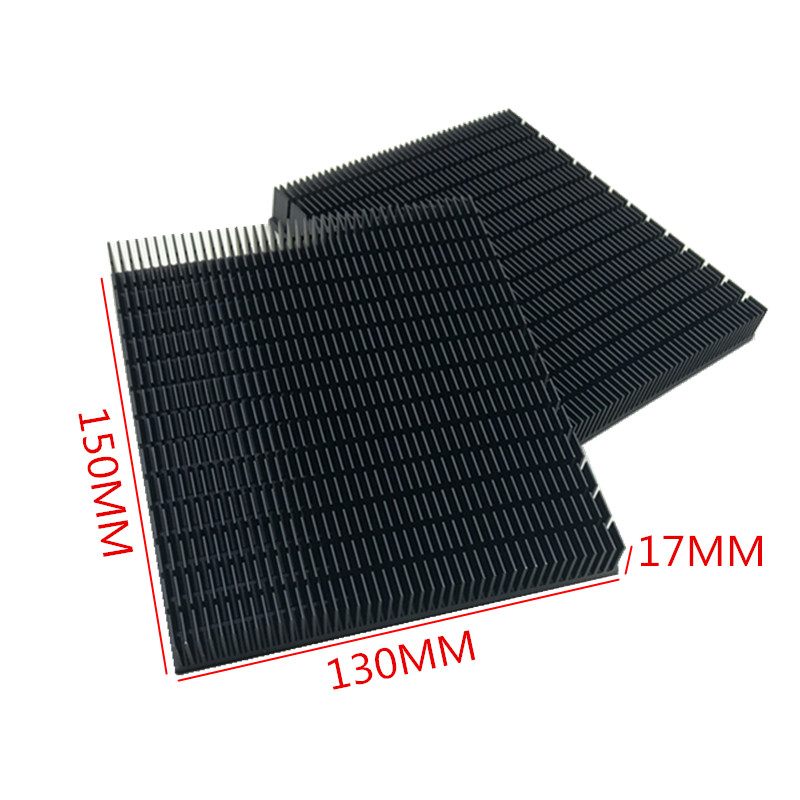
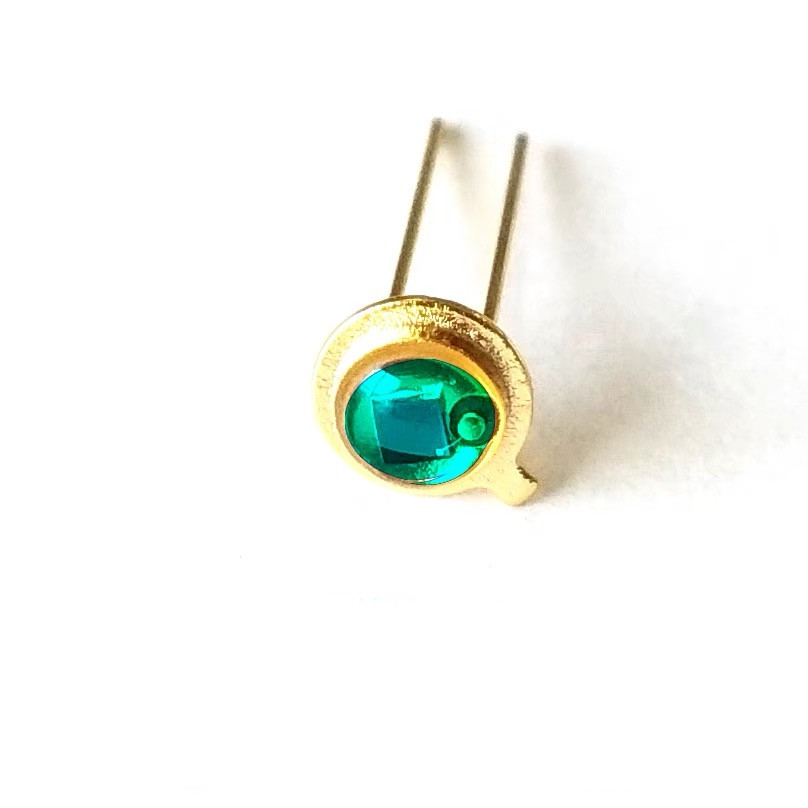
Yes. As a verified one-stop electronics manufacturer, our manufacturing capability extends far beyond screen printing. We routinely assemble membrane panels integrated with high-precision NTC battery temperature sensors, digital temperature/humidity probes (SHT30/SHT31), ultrasonic range-finding modules, and optical photodiodes. When high-power driver circuitry is mounted to the rear PCB, we design and bond custom extruded aluminum heat sinks with high-efficiency thermal conductive interface tapes.
How do you prevent silver migration and ensure 1,000,000+ switch actuations?
Silver migration occurs when high humidity, electrical bias, and micro-cracks allow silver ions to migrate across dielectric gaps, causing intermittent short circuits. Mivo Electronics mitigates this by overprinting all silver conductor traces and contact pads with a high-purity conductive carbon ink barrier. Additionally, we enforce minimum conductor spacing rules (trace pitch ≥ 0.5mm) and utilize high-grade polyester films with low moisture absorption. For tactical tactile response, our metal domes are fabricated from tempered stainless steel (optionally gold-plated), ensuring snap-back elasticity past 1 million actuations.
Ready to Engineer Your Custom CE-Certified Membrane Panel?
Send your CAD drawings, Gerber files, and BOM specifications to our Shenzhen engineering team for a comprehensive DFM manufacturability review and a transparent factory-direct quotation within 24 hours.
Get a Quote