Architecting High-Reliability Human-Machine Interfaces (HMI)
A comprehensive technical procurement manual for industrial designers, hardware engineers, and supply chain directors seeking certified custom membrane switches and integrated PCBA ecosystems.
Electromechanical Rigor
Our membrane switch assemblies integrate precision polyester/polycarbonate graphic overlays, stainless steel metal snap domes, silver conductive tracks, and high-performance adhesives (3M 467MP/468MP) rated for over 1 to 5 million switch actuation lifecycles under extreme mechanical fatigue.
Harsh-Environment Sealing
Engineered to meet IP65, IP67, and NEMA 4X industrial standards. Custom perimeter gaskets prevent moisture, chemical washdowns, solvent intrusion, and particulate contamination, making them ideal for heavy industrial controls, marine instruments, and outdoor medical diagnostics.
Sub-System Turnkey Value
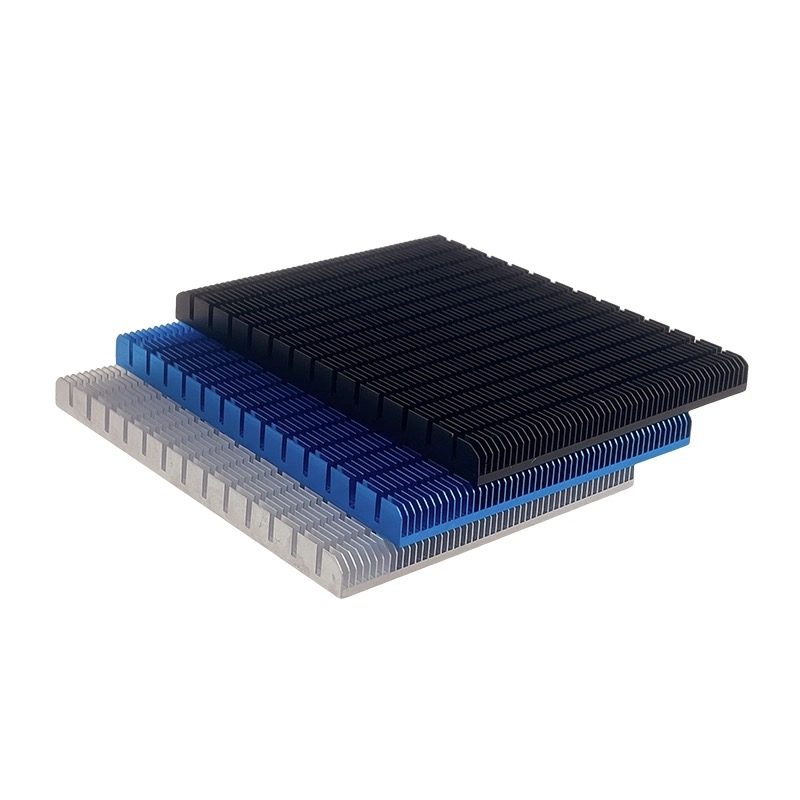
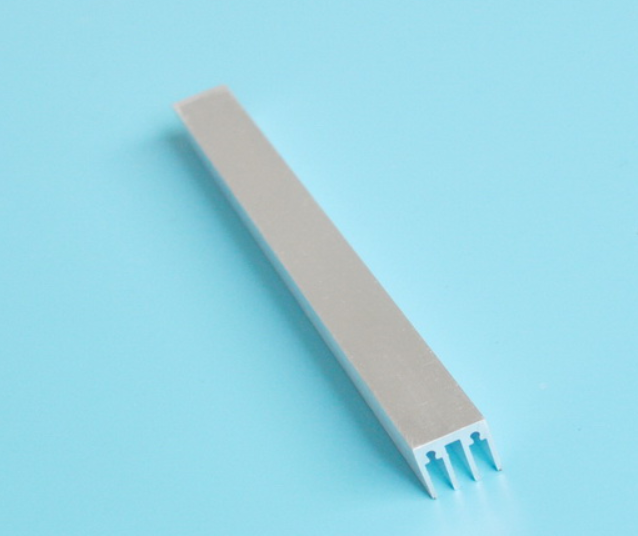
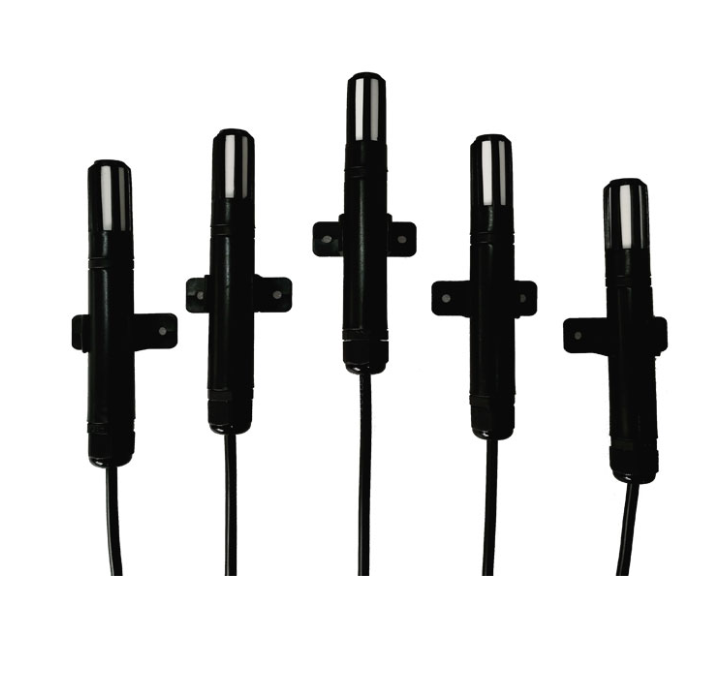
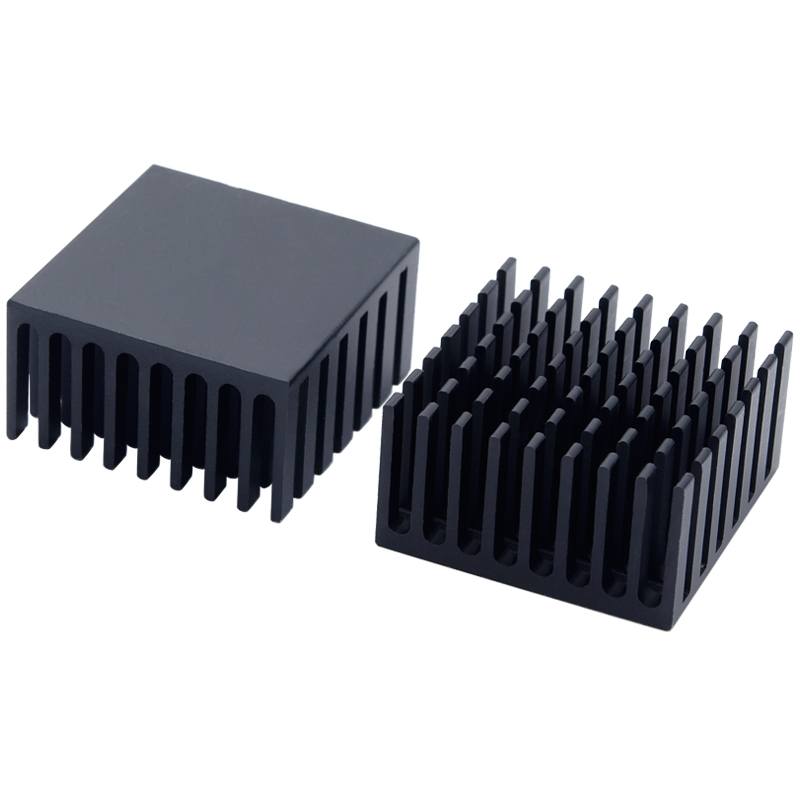
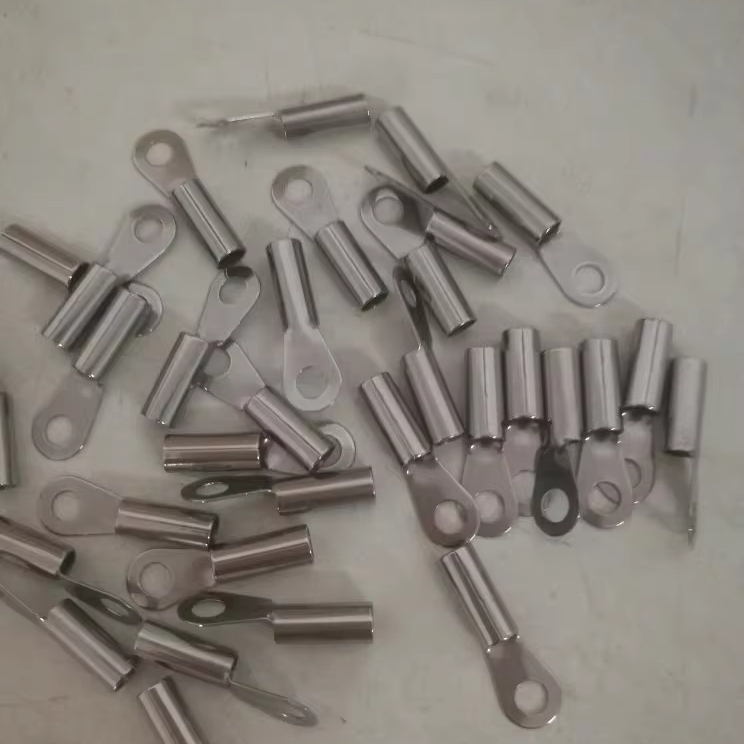
Beyond standalone keypads, Shenzhen Mivo Electronics delivers integrated structural sub-assemblies combining membrane touch switches with rigid FR-4 backer boards, aluminum heat dissipators, micro-sensors, SMT passive components, and custom wire harness connectors.
Recommended Components & Integrated Thermal Hardware
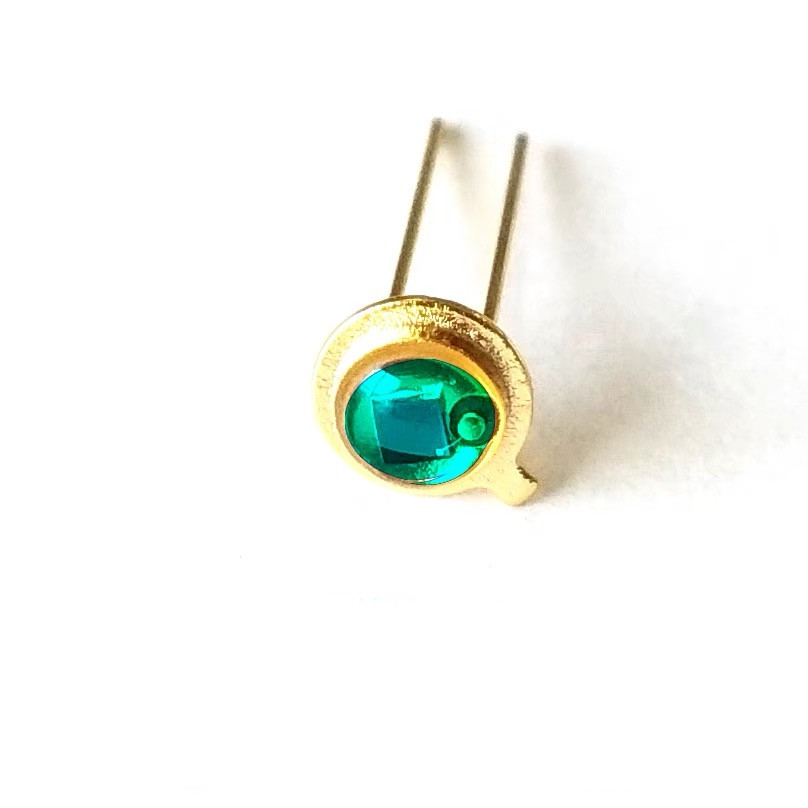
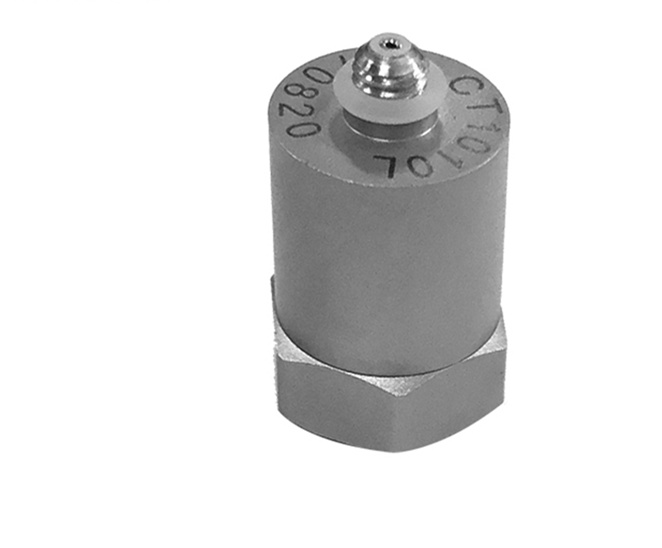
Browse our precision-manufactured sensors, specialized heat sinks, and optoelectronic modules frequently integrated into advanced membrane control panels and industrial PCBA enclosures.
Looking for a specialized membrane switch layer stack-up or custom SMT integration?
Contact UsEngineering Matrix: Anatomy of a Membrane Touch Switch
Understanding layer composition, tactile actuation forces, and electrical parameters is critical to avoiding field failures in industrial environments.
| Layer Specification | Material Options | Engineering Functionality | Standard Tolerances |
|---|---|---|---|
| Graphic Overlay | Autotype PET (Autoflex / Autotex), Polycarbonate (Lexan) | Aesthetic faceplate, chemically resistant barrier against acids, oils, and UV light degradation. | Thickness: 0.125mm – 0.250mm (±0.02mm) |
| Overlay Adhesive | 3M 467MP, 3M 468MP, 3M 200MP High-Performance Acrylic | Bonds graphic overlay solidly to the circuit layer without bubbling or delaminating. | Shear adhesion > 10,000 mins per ASTM D3654 |
| Tactile Dome Layer | Stainless steel snap domes (nickel-plated / gold-plated) | Delivers sharp tactile feedback, crisp click ratio, and serves as the momentary shorting contact. | Actuation Force: 180g – 450g (±30g) |
| Spacer Insulator | Optically clear polyester with double-sided acrylic adhesive | Dielectric air channel isolation that controls dome travel stroke and prevents switch pre-actuation. | Dielectric breakdown > 5,000V DC |
| Conductive Circuit | Silver Conductive Ink on PET, Screen-printed Carbon, or FPC (Kapton) | Carries electrical signal traces, inter-switch matrix, and ESD/EMI shielding ground grids. | Loop resistance < 100Ω, Contact bounce < 5ms |
| Rear Adhesive & Backer | 3M 9472LE / 300LSE, Rigid FR-4 or Anodized Aluminum Plate | Anchors the switch assembly to the chassis, enclosure cutout, or mainboard housing. | High-tack adhesion to low surface energy plastics |
Future B2B Procurement Trends in Touch Switch Manufacturing
Macroeconomic shifts, automated assembly requirements, and material science innovations are transforming how global OEM procurement teams source HMI assemblies from China.
1. Consolidation from Component Sourcing to Box-Build Integration
Traditionally, global purchasers ordered the graphic membrane panel from one converter, the underlying rigid PCB from a board house, the sensors from a specialized lab, and mechanical heat sinks from an extrusion supplier. This fragmented strategy created high assembly overhead and finger-pointing during warranty disputes. Leading OEMs now demand fully unified box-build sub-assemblies—where the membrane overlay, tactile dome array, embedded backlighting, micro-controller PCBA, and thermal heat sink arrive pre-assembled and 100% functionally tested under one single part number.
2. Adoption of Capacitive Touch on Flexible Printed Circuits (FPC)
While mechanical snap domes remain favored for mission-critical industrial applications where operators wear thick safety gloves, modern medical devices and smart appliances are rapidly transitioning to seamless capacitive touch sensor sheets. Utilizing copper flex circuits (FPC) with sub-millimeter pitch traces, these touch surfaces eliminate mechanical travel entirely, creating completely flush, waterproof, and antiseptic surfaces that can be disinfected tens of thousands of times without seal degradation.
3. Green Materials & Halogen-Free Flame Retardant Substrates
European and North American regulatory pressures (RoHS 3, REACH, WEEE) have elevated material traceability. Enterprise procurement contracts now enforce the removal of hazardous plasticizers and insist on water-based conductive pastes, low-VOC solvent adhesives, and halogen-free substrate films that retain structural rigidity and electrical stability across ambient operating windows from -40°C to +85°C.
4. Low-Volume High-Mix (LVHM) Agility
Hardware startups and niche medical instrumentation providers can no longer commit to astronomical 50,000-unit minimum orders. Forward-thinking Chinese exporters such as Shenzhen Mivo Electronics have adopted flexible SMT lines and digital UV printing alongside traditional screen printing, facilitating rapid functional pilot prototyping from as low as 5 to 10 units before scaling into mass-production tooling.
Technological Horizons: The Next Era of Membrane Interfaces
How cutting-edge optical light guides, in-mold electronics (IME), and localized haptics are reinventing industrial interfaces.
Light Guide Film (LGF) Uniformity
Traditional discrete surface-mount LEDs often cause hot-spots and uneven luminance on large front panels. Modern HMI panels employ ultra-thin (0.125mm) micro-grooved polycarbonate Light Guide Films (LGF) illuminated by side-firing edge LEDs. This generates uniform, glare-free backlighting across icon legends with minimal power draw and virtually zero thermal footprint.
Piezoelectric & ERM Haptic Feedback
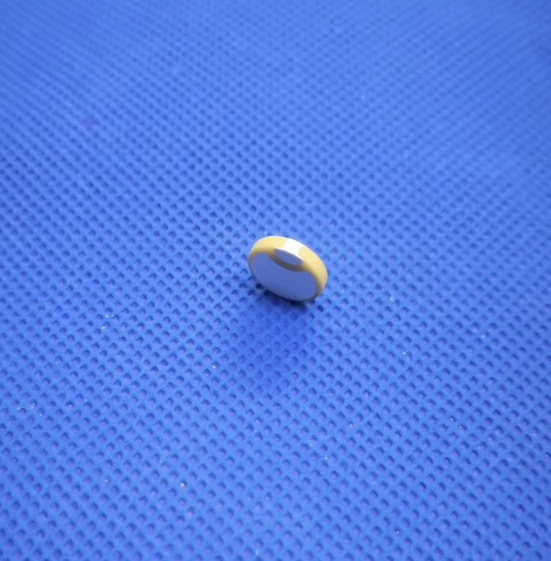
To bridge the gap between solid-state capacitive flat glass and physical snap domes, engineering teams are incorporating miniature piezoelectric ceramic discs (such as PZT elements) directly behind the membrane overlay. When energized, they produce localized vibro-tactile feedback, assuring the machine operator that a keystroke has registered, even in noisy industrial facilities.
In-Mold Electronics (IME) & 3D Surfaces
The line between mechanical plastic housings and printed circuits is blurring. In-Mold Electronics prints conductive functional silver inks directly onto thermoformed films, which are then injection-molded into structural polymer panels. This eliminates structural fasteners, cuts assembly weight by up to 70%, and provides unmatched water resistance for automotive cockpits and appliance fascias.
Why Tier-1 Importers Partner with Shenzhen Mivo Electronics
A verified Shenzhen electronics manufacturing powerhouse combining board fabrication, turnkey PCBA, and high-spec HMI interfaces under one roof.
Onsite Checked & Financially Transparent
Shenzhen Mivo Electronics Co., Ltd. has successfully passed rigorous third-party onsite verifications. With over 8 years of certified export experience and a 4.7/5 customer satisfaction score, we provide complete transparency regarding supply chains, raw material provenance, and manufacturing processes.
Direct Shenzhen Component Supply Chain
Located at the center of the world's most dynamic electronic ecosystem in Shenzhen, Guangdong, our procurement division sources genuine ICs, specialized sensors (PT100, NTC, SHT30, Piezo elements), and precision connectors directly from authorized distributors, avoiding long lead times and eliminating counterfeit risks.
End-to-End Design for Manufacturability (DFM)
Our engineering staff performs full Gerber, schematic, and mechanical CAD reviews prior to tooling. We verify circuit track spacing, contact pad plating (hard gold vs. carbon overcoat), overlay venting channels, and dome retention reliability to guarantee seamless assembly into your final chassis.
Zero-Defect Quality Control Infrastructure
Every production run undergoes strict Quality Assurance protocols: 100% automated optical inspection (AOI), switch contact loop resistance testing, dielectric insulation breakdown tests at 500V, dome actuation gram-force profiling, and environmental thermal cycling (-40°C to +85°C).
Frequently Asked Questions by Technical Buyers
Clear, direct answers regarding custom membrane switch tooling, prototyping times, environmental limits, and volume production.
What is the typical Minimum Order Quantity (MOQ) for custom membrane touch switches?
What engineering design files are required to request a formal quotation?
- Graphic Overlay Art: Vector files (.AI, .CorelDRAW, or .DXF/.DWG) detailing artwork, PMS/RAL color codes, embossing profiles, and window cutouts.
- Circuit Schematics: Gerber RS-274X files or CAD mechanical drawings indicating switch matrix pinout, connector tail pitch (e.g., 1.0mm, 2.54mm), and tail exit location.
- BOM (Bill of Materials): Indicating LEDs, metal dome specifications, resistor sizes, and connector models if integrated SMT parts are needed.
How do you ensure membrane switch keypads survive humid, outdoor, or chemical environments?
What is the difference between Metal Dome tactile switches and Non-Tactile switches?
Non-tactile switches: Do not use metal domes. Actuation occurs when the user presses an embossed or flat upper layer into direct contact with the lower circuit layer. Actuation is silent and travel is minimal (<0.5mm). They are typically paired with an audible buzzer or visual LED on the PCBA and can exceed 5 million cycles.
Can you integrate custom backlighting and displays into the membrane switch assembly?
- Surface-Mount LEDs: Low-profile chip LEDs mounted directly onto the silver circuit or FPC layer.
- Light Guide Film (LGF): Micro-etched optical sheets that redirect side-mounted LED light upwards for uniform icon illumination.
- Transparent Display Windows: Scratch-resistant transparent or dead-front tinted windows configured to fit LCD, OLED, or 7-segment LED displays housed on the rear PCBA.