Thermal Sensing
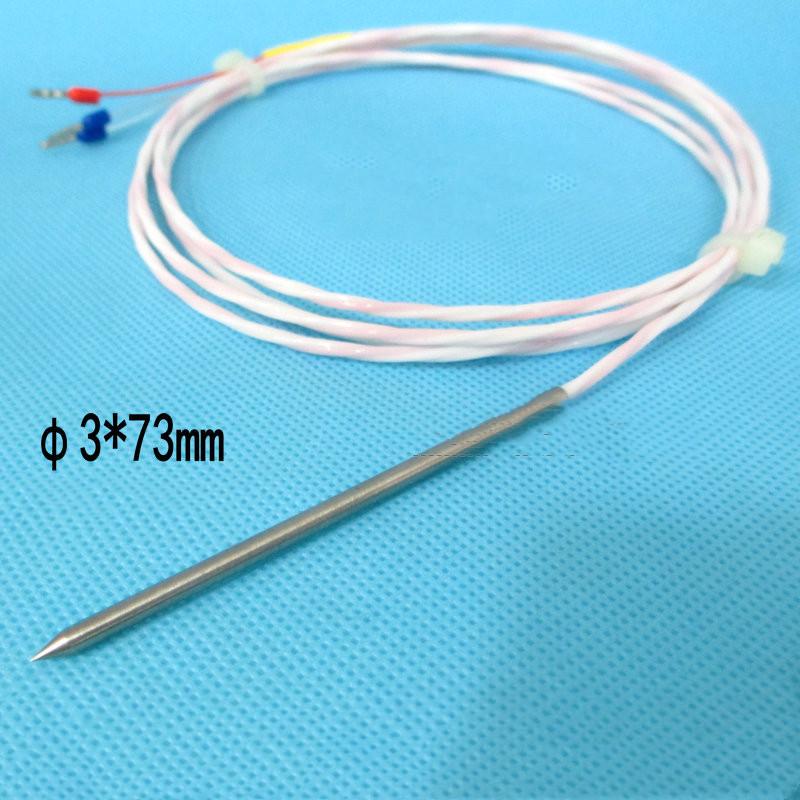
PT100/PT1000 Platinum RTD Pierce Probe
Class A/B precision resistance temperature detector with stainless steel pierce tip for industrial autoclave and process instrumentation.
High-reliability membrane switch assemblies rarely function in isolation. As a comprehensive electronics manufacturing partner based in Shenzhen, we deliver custom tactile interfaces tightly coupled with precision thermal tracking, ultrasonic level telemetry, optoelectronics, and micro-cooling assemblies.
Class A/B precision resistance temperature detector with stainless steel pierce tip for industrial autoclave and process instrumentation.
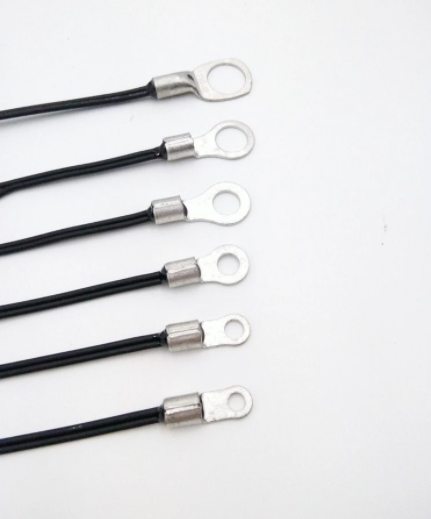
B4150 10k/100k automotive-grade NTC thermistor harness engineered for battery management systems (BMS) and extreme thermal cycle resilience.
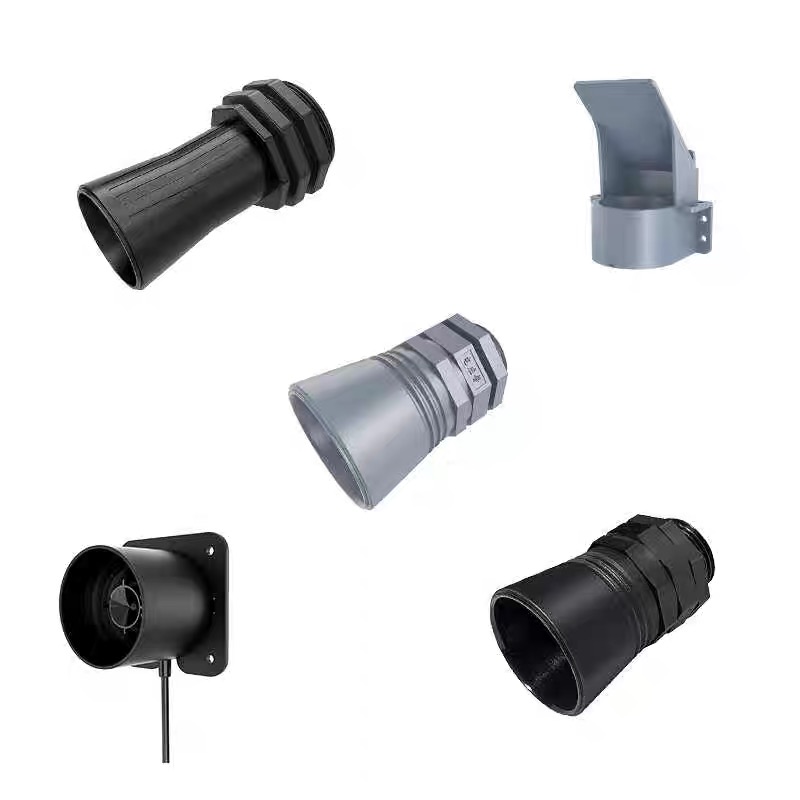
Hermetically sealed ranging module engineered for municipal sewer telemetry, wastewater tank monitoring, and industrial sump management.
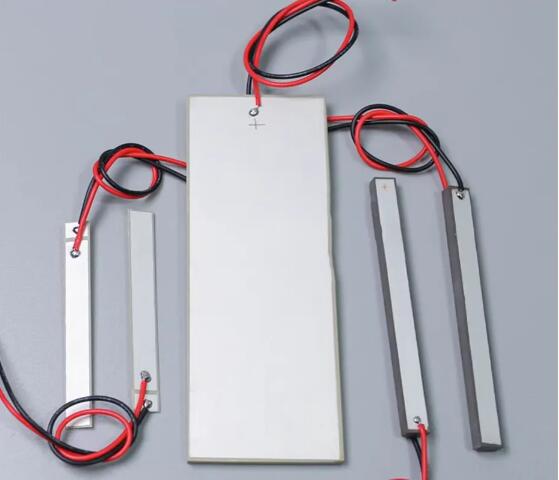
Lead zirconate titanate (PZT) piezo element optimized for hydroacoustic sensing, non-destructive testing (NDT), and specialized resonant drivers.
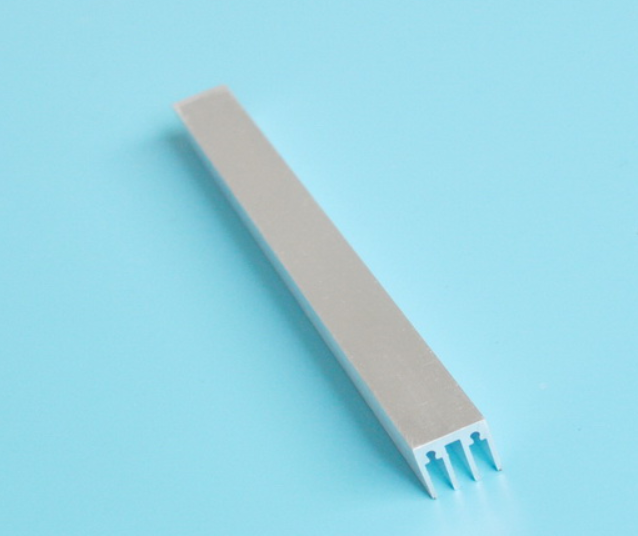
High-conductivity 6063-T5 aluminum extruded cooling profile (16x16mm, multi-length) designed for high-lumen linear arrays and power triodes.
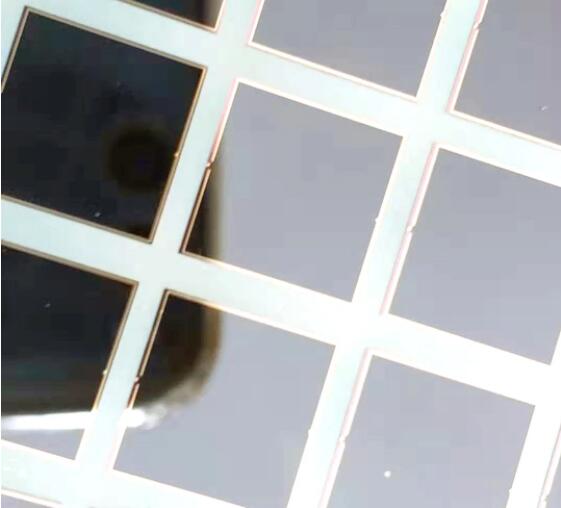
10x10mm monolithic active area planar silicon photocell die featuring high quantum efficiency and low dark current for analytical optical detection.

IP67 weather-sealed transceiver probe tailored for vehicle reversing arrays, smart robotics navigation, and outdoor obstacle detection.
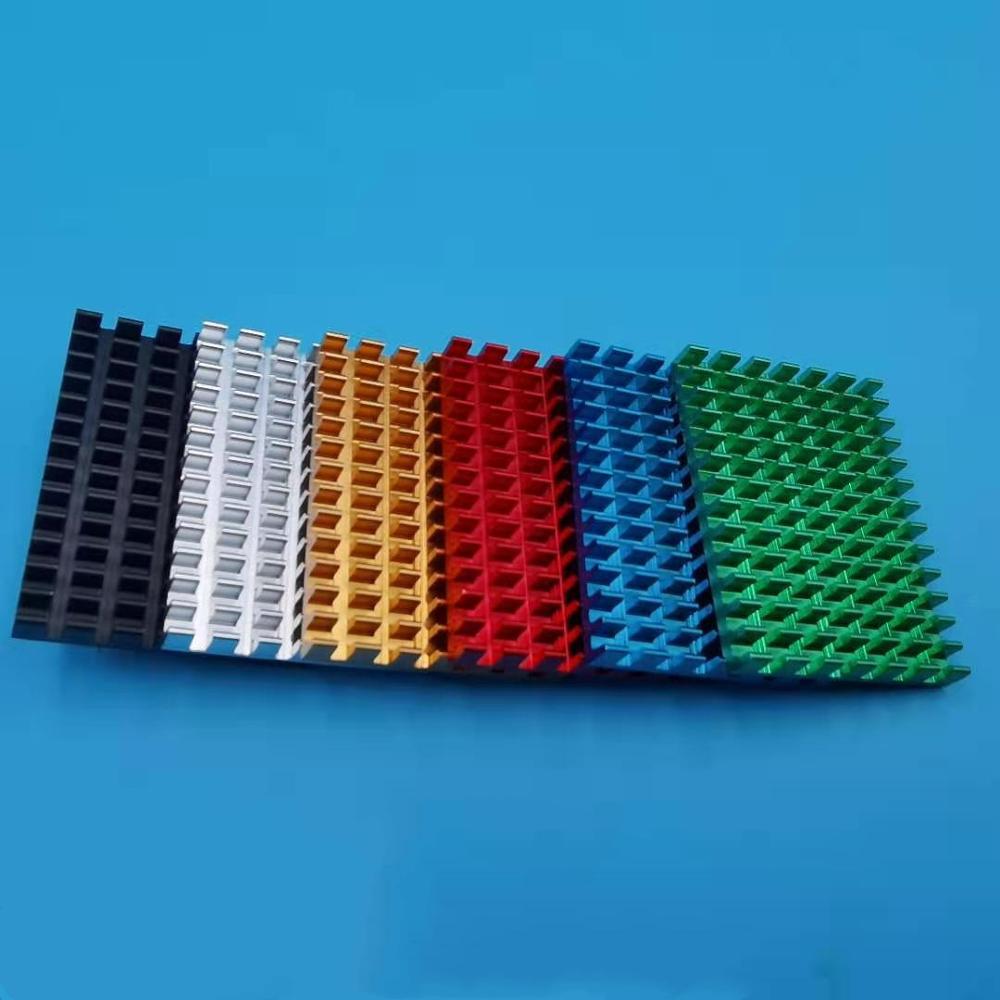
Compact skived fin heat sink for embedded processors, FPGA controllers, networking routers, and high-density PCBA thermal relief.
A membrane switch assembly (MSA) is a multi-layered, custom-engineered electromechanical interface designed to establish electrical continuity within a switching circuit upon human touch. Unlike traditional discrete mechanical pushbuttons that suffer from dust ingress, particulate binding, and contact oxidation, modern membrane switches provide an unbroken, hermetically sealed front surface. In mission-critical environments—ranging from clinical diagnostic systems and commercial food prep machinery to industrial computer numeric control (CNC) consoles and off-highway defense vehicles—membrane assemblies remain the definitive human-machine interface (HMI) standard.
Engineering Core: Typical assemblies stack 6 to 9 distinct functional layers: graphic overlay, graphic adhesive, upper circuit layer, circuit spacer, lower circuit layer, rear adhesive, and a structural backer (rigid FR-4 PCBA, aluminum panel, or thermoformed enclosure). Each layer must be engineered with micro-millimeter precision to ensure consistent actuation force, zero circuit crosstalk, and complete environmental isolation.
Material selection dictates long-term performance. Graphic overlays are predominantly manufactured from biaxially oriented polyethylene terephthalate (PET, such as MacDermid Autotype Autoflex) or textured polycarbonate (PC). While polycarbonate offers exceptional optical clarity and lower tooling costs for internal instrumentation, PET exhibits unmatched flex life—often exceeding 5 million actuations without micro-cracking—and extraordinary resistance to aggressive solvents, alcohols, industrial degreasers, and environmental UV exposure.
Tactile sensation is governed by stainless steel metal domes (snap domes) or polydome thermoformed indentations. Precision stainless steel domes (nickel-plated or gold-plated) are typically calibrated to actuation forces spanning 220g to 450g. When compressed, the dome inverts, bridging split-pad conductive silver contacts printed on the underlying substrate, delivering crisp tactile and audible confirmation to the operator. For medical devices requiring washdown protocols or silence in intensive care units, non-tactile flat switches accompanied by visual LED feedback or piezo-haptic triggers are implemented.
Our Shenzhen engineering facility optimizes every interface for dielectric isolation, chemical resilience, and mechanical longevity.
Subsurface printed PET/PC films engineered with selective anti-glare, anti-microbial, or chemical-resistant hardcoats.
Screen-printed conductive silver flakes, carbon overcoats, or flexible copper etched circuits (FPC) for extended duty cycles.
Perimeter gasket seals and multi-layer metallic foils guaranteeing IP65, IP67, or IP68 environmental containment.
Compare standard PET, Polycarbonate, and Copper-clad Flex (FPC) backings to identify the optimal configuration for your operational environment.
| Substrate / Metric | PET (Polyester Film) | Polycarbonate (PC) | Copper Flex (FPC / Polyimide) | Rigid FR-4 Backed PCBA |
|---|---|---|---|---|
| Mechanical Flex Life | > 5,000,000 cycles | ~ 100,000 cycles | > 10,000,000 cycles | Static / Non-flexing |
| Operating Temperature | -40°C to +85°C | -30°C to +75°C | -40°C to +125°C | -40°C to +130°C |
| Chemical Resistance | Superior Acids, Alkalis, Solvents | Fair (vulnerable to aromatics) | Superior High chemical resistance | High (with conformal coating) |
| Switch Contact Resistance | < 100 Ω (Conductive Silver) | < 100 Ω (Silver tracks) | < 1 Ω (Etched Copper) | < 0.1 Ω (Gold immersion) |
| SMD Component Density | Low (LEDs, simple resistors) | Low (Conductive epoxy) | High Full SMT Reflow capable | Extreme Microcontrollers, ICs |
| Dielectric Strength | 15 kV / mm | 12 kV / mm | 20 kV / mm | 22 kV / mm |
How supply chain executives, procurement directors, and systems integrators are navigating modernization, material inflation, and hybrid HMI architectures through 2025–2030.
Procurement teams are aggressively consolidating multi-vendor bills of materials (BOMs). Instead of sourcing graphic overlays, bare PCBs, tactile switches, and wiring harnesses separately, buyers are contracting single-source Chinese manufacturers to deliver tested, pre-cabled, enclosure-mounted electromechanical subassemblies ready for final line integration.
Global supply chain volatility has made early Design-for-Manufacturability (DFM) vital. Smart procurement requires evaluating component lead times during the CAD phase, specifying alternative microcontrollers, pin-compatible LEDs, and dual-source membrane adhesive laminates (such as 3M versus Nitto equivalents) to preempt production bottlenecks.
Modern B2B buyers look beyond initial piece-part quotes. A cheap membrane switch with sub-standard adhesive will fail prematurely in high-humidity climates or high-vibration engine bays, inducing catastrophic warranty returns. Strategic sourcing prioritizes environmental endurance, accelerated aging data, and certified raw materials.
The industrial interface landscape is undergoing rapid technological convergence. While legacy membrane designs relied entirely on discrete printed silver ink paths on polyester, next-generation membrane switches incorporate capacitive sensing, advanced light-guide film (LGF) illumination, and In-Mold Electronics (IME).
1. Capacitive Touch Integration on Flexible Substrates: Rather than relying on physical deflection to bridge an electrical circuit, modern membrane assemblies increasingly employ capacitive touch sensors printed on ultra-thin PET or polyimide. These switches detect changes in dielectric charge through thick tempered glass or chemically strengthened plastic overlays. This allows devices to feature smooth, unbroken, easy-to-sanitize outer surfaces perfect for medical isolation wards and sterile food processing lines.
2. Micro-Illumination via Light Guide Films (LGF): Traditional membrane switch backlighting utilized cumbersome, hot-running EL (electroluminescent) lamps or bulky discrete LEDs that yielded hot spots and uneven brightness. Current industry standards employ side-firing ultra-compact SMD LEDs coupled with ultra-thin (0.125mm to 0.25mm) micro-etched optical light guide films (LGF). Micro-dots laser-etched into the film uniformly diffuse light across specific legends, symbols, or dead-front indicators, achieving razor-sharp aesthetic fidelity with minimal power consumption.
3. In-Mold Electronics (IME) & Structural Electronics: The apex of membrane evolution is the fusion of printed conductive tracks with injection-molded plastics. In-Mold Electronics prints functional circuitry, capacitive sliders, and SMD LEDs directly onto a planar 2D substrate, which is subsequently thermoformed and back-molded into a 3D structural housing. This eliminates redundant internal brackets, fasteners, and internal wire harnesses, slashing assembly weight by up to 70% while maximizing shock and vibration tolerance.
Rooted in China’s Silicon Valley, Shenzhen Mivo Electronics Co., Ltd. combines onsite-verified factory integrity, agile turnkey electronics fabrication, and rigorous engineering stewardship.
Our Shenzhen facilities have undergone comprehensive physical onsite inspections by Alibaba.com and independent third-party verification bureaus. With over 8 consecutive years serving industrial clients worldwide and an average buyer rating of 4.7/5.0, your design IP and manufacturing continuity are guaranteed.
We solve the multi-tier coordination nightmare. Under one roof, our engineering team manages bare multilayer PCB manufacturing, high-precision SMT stencils, automated pick-and-place assembly (PCBA), flexible printed circuits (FPC), precision membrane switch printing, and custom thermal heat sinks.
Avoid being locked out by massive minimum order mandates. We support emerging technology ventures, low-volume medical innovators, and prototype field trials with custom PCBA orders starting from just 5 pieces and sensor batches from 10 pieces, backed by full engineering DFM assistance.
Capitalizing on Shenzhen’s premier electronics distribution hub, our dedicated procurement specialists source authentic semiconductor parts, passive components, and electromechanical connectors. When obsolete components threaten lead times, our engineers formulate form-fit-function cross-references for client sign-off.
Every membrane panel and PCBA undergoes stringent electrical verification. Our testing suite incorporates automated continuity checking, contact bounce characterization, insulation resistance verification at 500V DC, tactile force-displacement graphing, and thermal shock environmental stress screening.
Beyond human interface switches, we customize precision environmental sensing elements to your physical enclosure constraints: RTD PT100/PT1000 probes, NTC temperature harnesses, ultrasonic distance transducers, fiber optic amplifiers, and linear silicon photodiode arrays built directly to engineering drawings.
Clear, direct technical answers addressing tooling costs, file formats, environmental specifications, and testing protocols.
To produce an authoritative DFM review and formal quotation, please submit: (1) Vector graphic artwork in Adobe Illustrator (.AI), CorelDraw (.CDR), or PDF format containing layer callouts, Pantone or RAL color codes, and embossing contours; (2) Mechanical dimensional drawings (.DXF or .DWG) indicating cutouts, overall tolerances, and adhesive tail positions; (3) Schematic or Gerber files for the underlying circuit traces and component placement; and (4) An engineering BOM detailing dome specifications, LED colors, and connector pinouts.
Silver migration occurs when moisture combines with DC voltage potential across closely spaced silver tracks, generating microscopic dendritic silver filaments that bridge traces. We prevent this by: applying high-density carbon overcoat masks covering 100% of the silver conductor paths; enforcing minimum track spacing rules (≥0.5mm); incorporating hermetic perimeter perimeter adhesive barriers; and, for extreme high-humidity or safety-critical applications, recommending etched copper polyimide (FPC) circuits in place of screen-printed silver.
Our stainless steel snap domes (nickel-plated or gold-plated from premier global manufacturers) are rated for 1,000,000 to over 5,000,000 actuations under normal operating force (typically 280g to 420g). In comparison, non-tactile printed polydome switches typically deliver 1,000,000 to 3,000,000 cycles. We perform automated cyclic endurance testing to verify tactile retention (click ratio >40%) across extended lifecycle stress runs.
Yes. Achieving true IP67 (dust tight and protected against water immersion up to 1 meter for 30 minutes) requires specialized perimeter gasket engineering. We utilize unbroken 3M high-performance acrylic foam adhesives, custom closed-cell neoprene/silicone perimeter gaskets, and integrated hydrophobic vents (e.g., Gore membrane vents) that allow internal air expansion during altitude and temperature shifts without compromising the liquid barrier.
Through our established vendor network across the Shenzhen electronic market and authorized tier-1 global distributors, we maintain real-time visibility into global inventory pipelines. If an IC, LED driver, micro-controller, or passive component on your PCBA or membrane assembly experiences sudden obsolescence or a 40-week lead time, our senior hardware engineers identify pin-compatible, drop-in alternatives, submit data sheets for your review, and build pre-series validation samples prior to mass production.
NRE costs cover precision steel cutting dies, silk-screen mesh preparation, embossing dies, and automated testing jigs. For standard membrane switches, initial NRE tooling typically ranges from $200 to $800 depending on complexity (embossing, dome count, LED mounting). For high-volume multi-year procurement programs, Mivo Electronics offers partial or full NRE rebate credits applied against production invoice milestones once predetermined volume tiers are achieved.
Powder-coated metal surfaces exhibit very low surface energy (LSE), making standard pressure-sensitive adhesives vulnerable to edge delamination over time. In these scenarios, we exclusively specify high-tack modified acrylic transfer tapes, primarily 3M 300LSE or 3M 200MP formulations. These adhesives wet-out effectively on irregular textured surfaces, achieving peel adhesion values exceeding 50 oz/in and ensuring decades of bubble-free structural attachment.
We deploy three primary electrostatic discharge (ESD) and electromagnetic interference (EMI) countermeasures: (1) Solid aluminum foil laminates bonded directly beneath the graphic overlay and terminated to an external grounding tab; (2) Screen-printed grid patterns using conductive silver or carbon ink; and (3) Transparent Indium Tin Oxide (ITO) sputtering over clear display window apertures. Our ESD designs regularly withstand ±8 kV contact and ±15 kV air discharge according to IEC 61000-4-2 standards.
Whether you require a 5-piece functional prototype with custom tactile domes, a complete FR-4 PCBA integration, or high-volume recurring manufacturing, our engineering team in Shenzhen is standing by to evaluate your CAD, Gerber, and BOM data.