Precision Electronic Sub-Assemblies & Sensor Solutions
Seamlessly matching polycarbonate front-panel human-machine interfaces with high-density sensors, thermal management components, and turnkey printed circuit boards.
Engineering Authority: Polycarbonate Membrane Switch Design Architecture
Polycarbonate (PC), particularly high-performance grades like Sabic Lexan™, remains the premier material substrate for harsh-environment human-machine interfaces (HMIs), industrial control interfaces, and rugged medical equipment panels. As China's premier polycarbonate membrane switch manufacturer, Shenzhen Mivo Electronics Co., Ltd. combines specialized cleanroom screen-printing, precision laser die-cutting, and turnkey PCBA integration into unified, hermetically sealed control interfaces.
A precision-engineered polycarbonate membrane switch is composed of an engineered multi-layer laminate stack designed to withstand millions of continuous mechanical actuations, chemical cleaning protocols, and severe electrostatic discharges. The standard high-reliability stack consists of six functional layers:
1. Graphic Overlay
Sub-surface screen-printed or digital UV-printed polycarbonate film (typically 0.125mm to 0.25mm thick). Second-surface printing guarantees graphic permanence, impervious to surface abrasion, hydraulic fluids, and industrial cleaners.
2. Overlay Adhesive & Spacer
Engineered acrylic adhesive layers (featuring 3M 467MP / 468MP 200MP adhesive transfer tape) delivering shear holding strength and environmental moisture barriers rated up to IP67 sealing ingress.
3. Actuation Tactile Domes
Nickel-plated, gold-plated stainless steel snap domes or hydroformed polydomes calibrated to deliberate actuation forces (250g to 450g) to ensure distinct tactile snap and crisp feedback under gloved operation.
4. Circuit Traces & Vias
High-conductivity micro-silver inks or copper flex circuits (FPC) with carbon overcoats to prevent silver migration and dendrite formation under continuous DC bias voltages and high ambient humidity.
5. Shielding Barrier Layer
Continuous aluminum foil or printed carbon/graphite grid connected directly to ground planes, providing >60dB electromagnetic shielding (EMI/RFI) and ESD protection surpassing 15kV air discharge.
6. Rear Mounting Adhesive
Heavy-duty acrylic structural adhesives engineered specifically for low-surface-energy (LSE) powder-coated metal enclosures, molded ABS/polycarbonate housings, or cast aluminum chassis.
Substrate Deep Dive: Polycarbonate (PC) vs. Polyester (PET) vs. Polyimide
Material selection governs tactile endurance, optical transmittance, and environmental stability. While Polyester (PET) delivers superior cycle life for non-tactile switches, Polycarbonate (PC) is the preferred engineering choice for complex textured overlays, integrated display bezels, dimensional thermoforming, and UL94 V-0 flame-retardant enclosures:
| Performance Characteristic | Polycarbonate (PC) Overlay | Polyester (PET) Overlay | FPC / Polyimide Backer |
|---|---|---|---|
| Optical Clarity & Transparency | Exceptional (>89-91%), water-clear windows for OLED/LCD | Good, slight haziness unless treated with clear coatings | Opaque amber / dark yellow |
| Thermoforming & Embossing | Superior hot-die & cold-embossing definition; crisp rims | Requires precise hydroforming; tends to recover over time | Rigid substrate, non-embossable |
| Flammability Rating | UL94 V-0 or V-2 options readily available | UL94 VTM-2 (Combustible slow-burn) | UL94 V-0 inherently flame retardant |
| Mechanical Flexural Life | Approx. 100,000 to 500,000 cycles without dome | >5,000,000 actuations (Industry benchmark) | >10,000,000 flex cycles (Dynamic routing) |
| Chemical Resistance | Sensitive to aromatic solvents, MEK, acetone without hardcoat | Extremely high resistance to caustic chemicals & fuels | Exceptional resistance to chemical exposure |
| Hardcoat Options | UV-cured, anti-glare, anti-scratch (1H-3H pencil hardness) | Factory hardcoated dual-surface available | Soldermask / coverlay encapsulated |
Global Procurement Trends & Next-Generation HMI Evolution
Global procurement teams across North America, the European Union, and the Asia-Pacific region are shifting away from standalone membrane keypads toward fully integrated, intelligent control sub-assemblies. The conventional discrete assembly process—where buyers procure membrane overlays from one supplier, bare circuit boards from another, and passive sensors from a third—creates project management friction, compounding assembly tolerances and diluting warranty accountability.
Key Strategic Procurement Trends for 2025–2030
1. Turnkey Box-Build & PCBA Structural Convergence: Industrial equipment manufacturers increasingly demand "HMI Modules" rather than simple switches. In this model, the polycarbonate membrane switch is pre-laminated in an ISO cleanroom directly onto rigid FR-4 PCBA or aluminum backing plates, complete with surface-mount LEDs, buzzers, microcontrollers, RS485/CAN-bus transceivers, and IP67 sealed connectors. Shenzhen Mivo Electronics leads this shift by maintaining full SMT assembly and bare board fabrication under one quality framework.
2. Hybrid Capacitive & Tactile Integration: The boundaries between traditional mechanical snap-domes and capacitive touch sensors have dissolved. Modern medical ventilators, food-processing controls, and automotive diagnostic units utilize hybrid human interfaces: capacitive touch zones for scrolling menus and water-resistant slide controls, alongside tactile snap-action buttons for critical stop/start switches that require unambiguous tactile feedback.
3. Advanced Optical Layering & Side-Emitting Micro-LEDs: Traditional bulky backlighting films are being replaced by ultra-thin optical light guide plates (LGP) and discrete 0603/0402 side-view LEDs mounted directly onto thin flex circuits. This architecture enables selective zone backlighting, customizable status indicators, and sunlight-readable legends while keeping the entire panel profile under 1.8mm.
4. Stringent Supply Chain Auditability & Low MOQs: With accelerating design iterations, global hardware engineers refuse to accept traditional 10,000-piece minimum order quantities (MOQs) for pilot runs. As an onsite-verified manufacturer, Mivo Electronics allows rapid-prototype orders starting from 5 pieces for PCBA and membrane integrations, accelerating time-to-market while offering transparent component cross-referencing to mitigate global semiconductor shortages.
Why Partner with Shenzhen Mivo Electronics Co., Ltd.?
Located in the heart of Shenzhen’s world-renowned hardware ecosystem, Shenzhen Mivo Electronics Co., Ltd. is an onsite-verified enterprise specializing in turnkey electronic assembly, custom sensor probes, and industrial human-machine interfaces. By unifying screen-printing, precision lamination, component purchasing, and high-speed SMT assembly, we eliminate the costly markups and delays of multi-tier brokerage.
Verified Manufacturing Facility
Our production premises have passed strict onsite verification by Alibaba.com and independent third-party inspection firms. With 8+ years of transparent export trade history, we maintain a verified client feedback rating of 4.7 out of 5.0.
Full Engineering DFM Review
Every submitted Gerber package, BOM, and artwork vector is audited by senior engineers for trace routing impedance, silver-ink bridging risks, tactile travel optimization, and hermetic perimeter clearances.
Cross-Discipline Hardware Synthesis
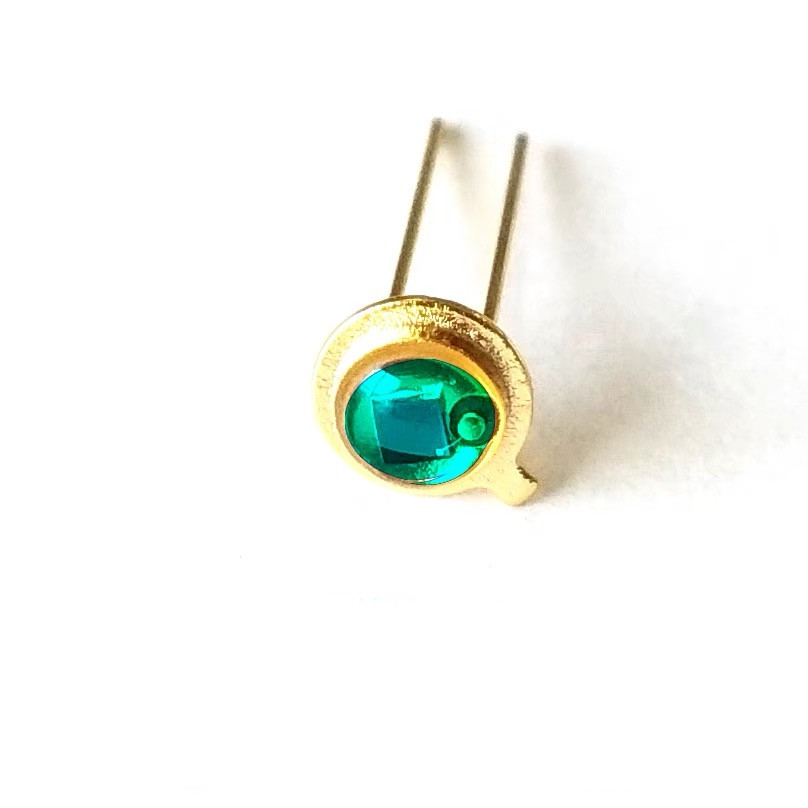
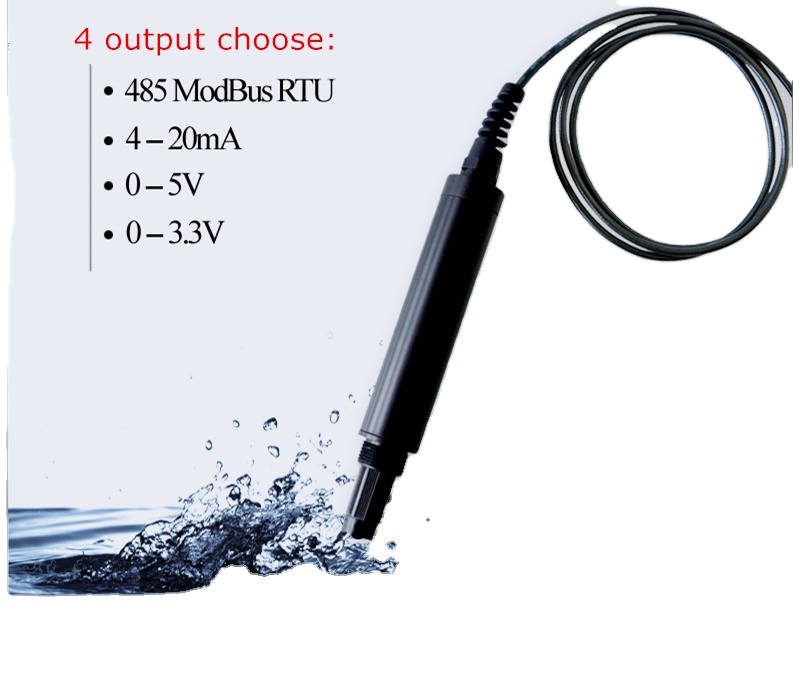
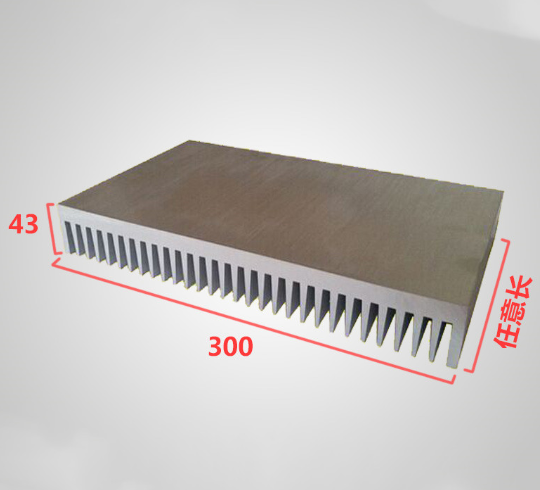
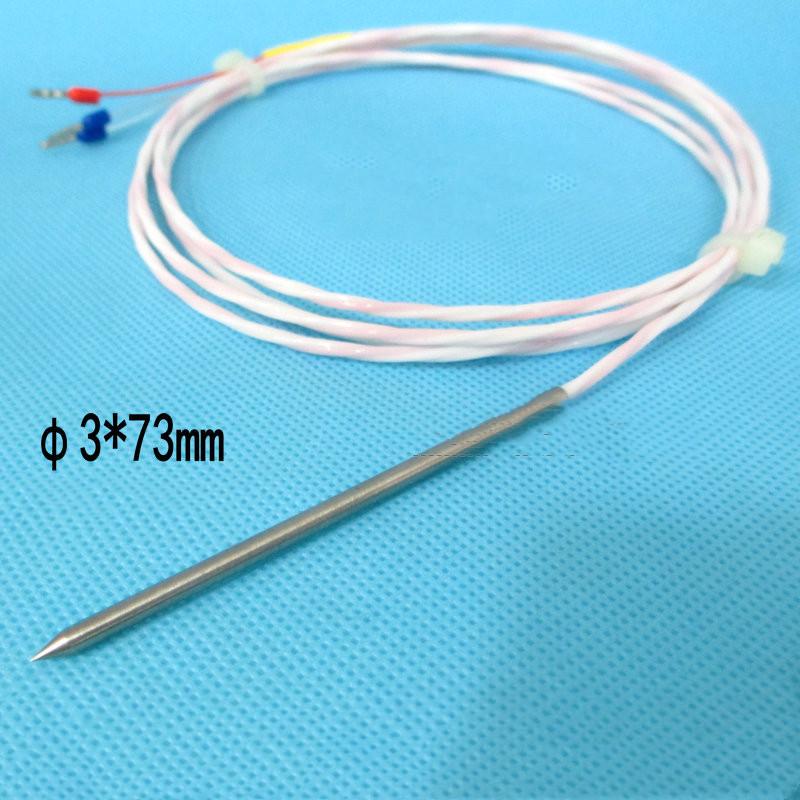
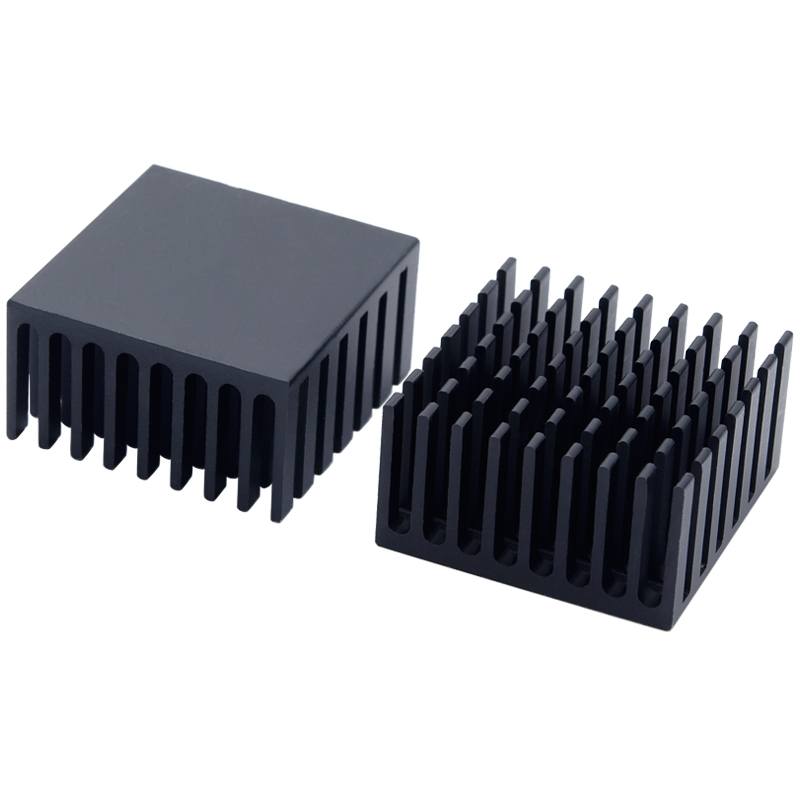
We do not operate in a single vacuum. In addition to custom membrane panels, our catalog encompasses high-precision PT100/NTC temperature probes, piezoelectric ultrasonic transducers, photodiodes, and CNC aluminum cooling plates.
Comprehensive Procurement & Engineering FAQ
Direct technical answers to common queries submitted by industrial equipment procurement directors, quality assurance managers, and product design engineers.
What is the difference between Polycarbonate (PC) and Polyester (PET) for membrane switches?
How does Mivo Electronics prevent silver migration in harsh, humid environments?
What engineering files and specifications are required to receive a formal quotation?
Can Shenzhen Mivo Electronics supply integrated sub-assemblies with PCBA and metal backplates?
What tactile dome actuation forces and life-cycle options are available?
What is your Minimum Order Quantity (MOQ) and rapid prototype turnaround time?
Launch Your Custom Polycarbonate Switch Project Today
Submit your CAD drawings, graphic artwork, or bill of materials. Our engineering staff in Shenzhen will conduct a complimentary DFM analysis and provide a factory-direct quotation within 24 hours.
Send an Inquiry