Featured Engineering Modules, Sensors & Subsystems
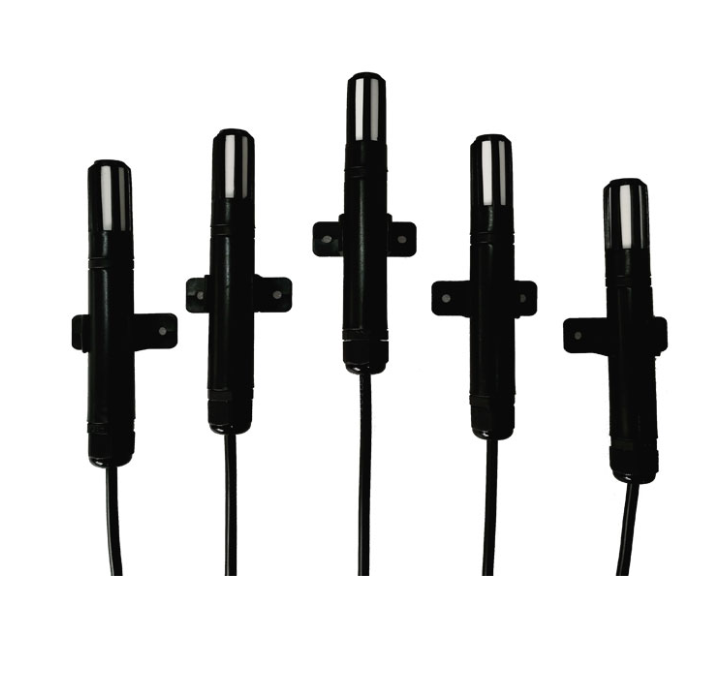
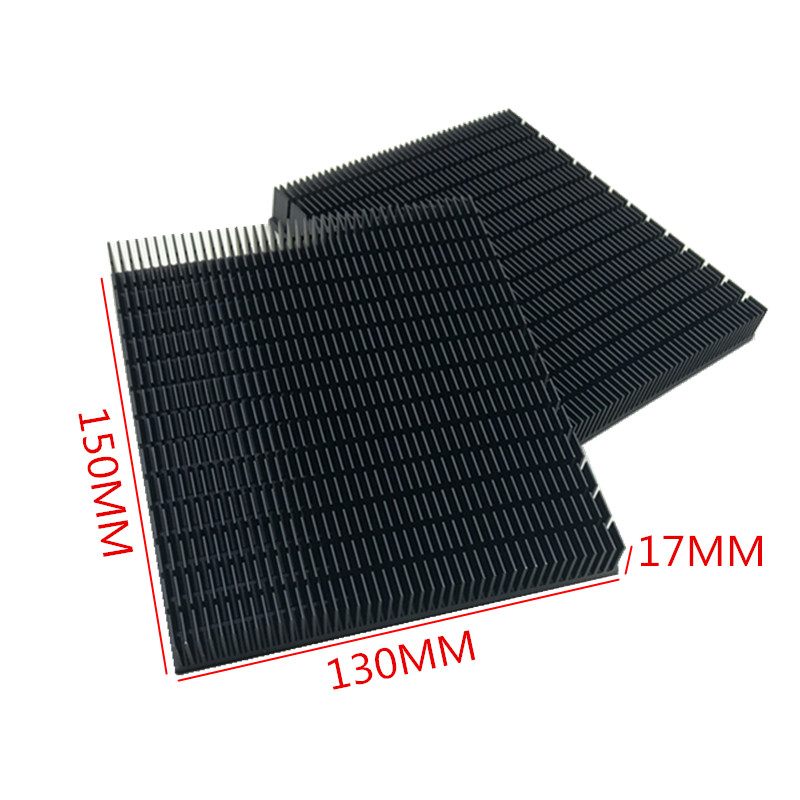
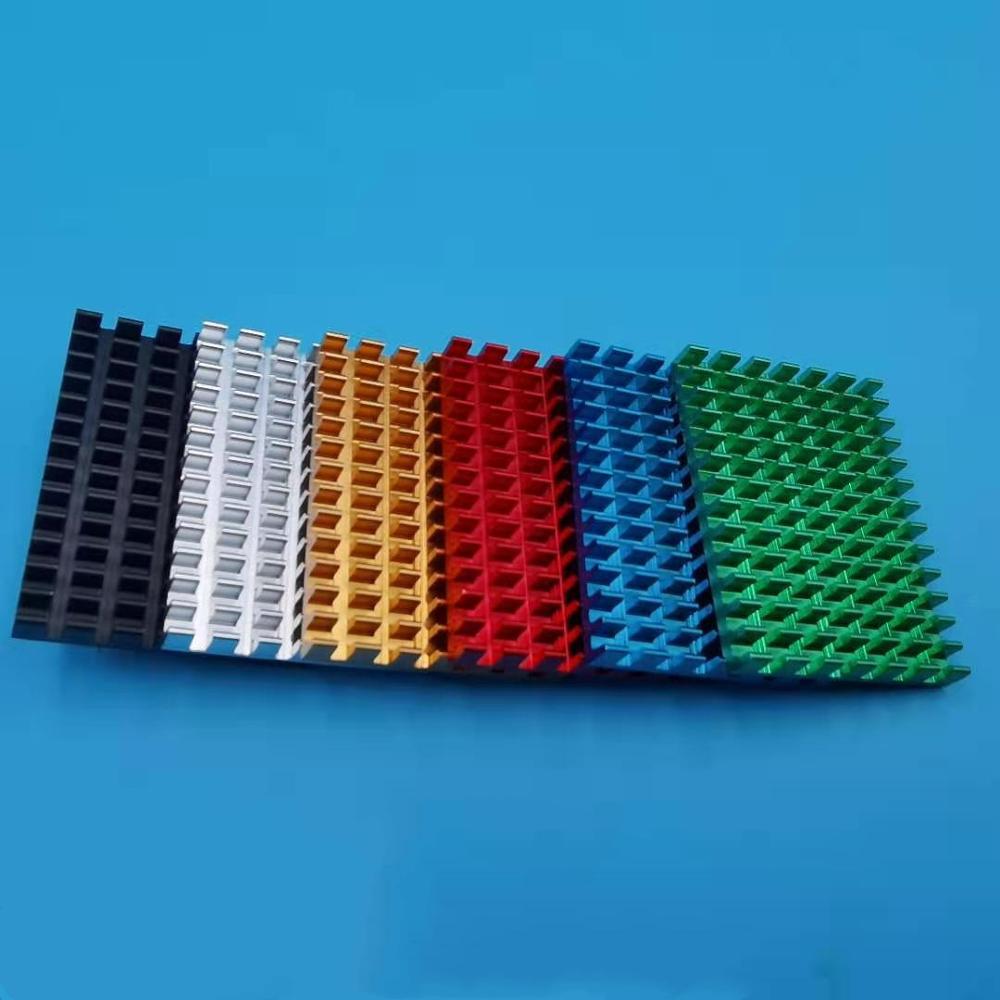
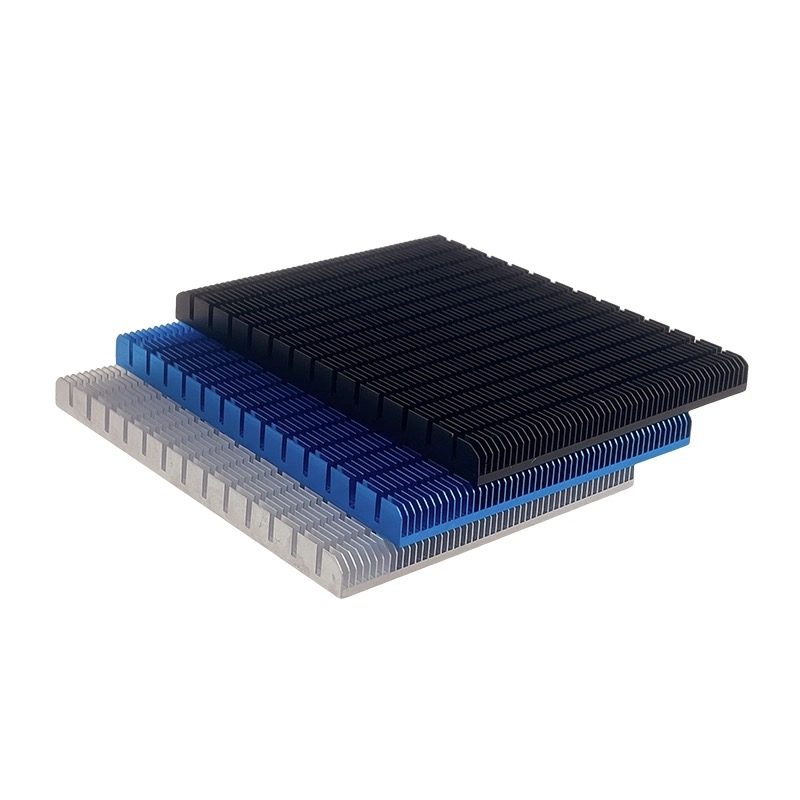
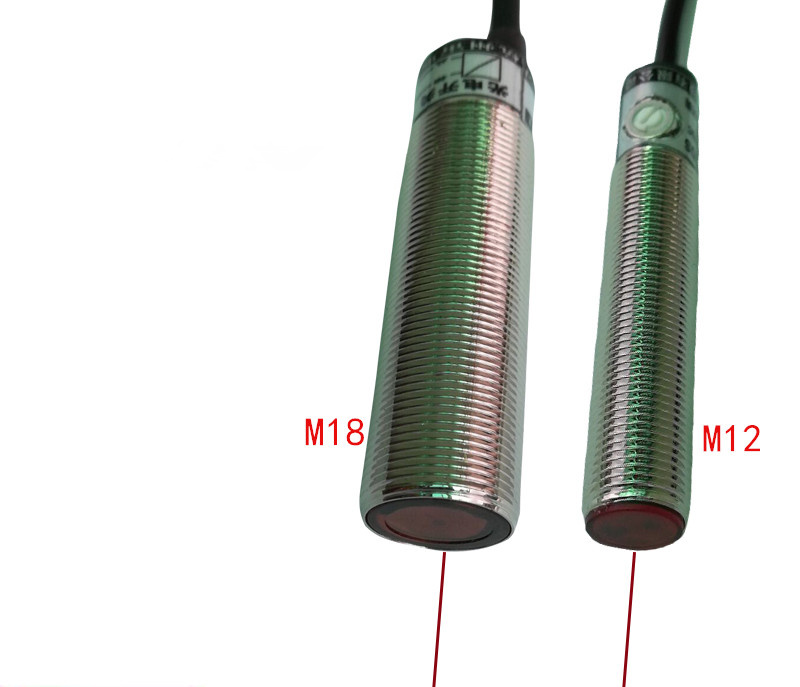
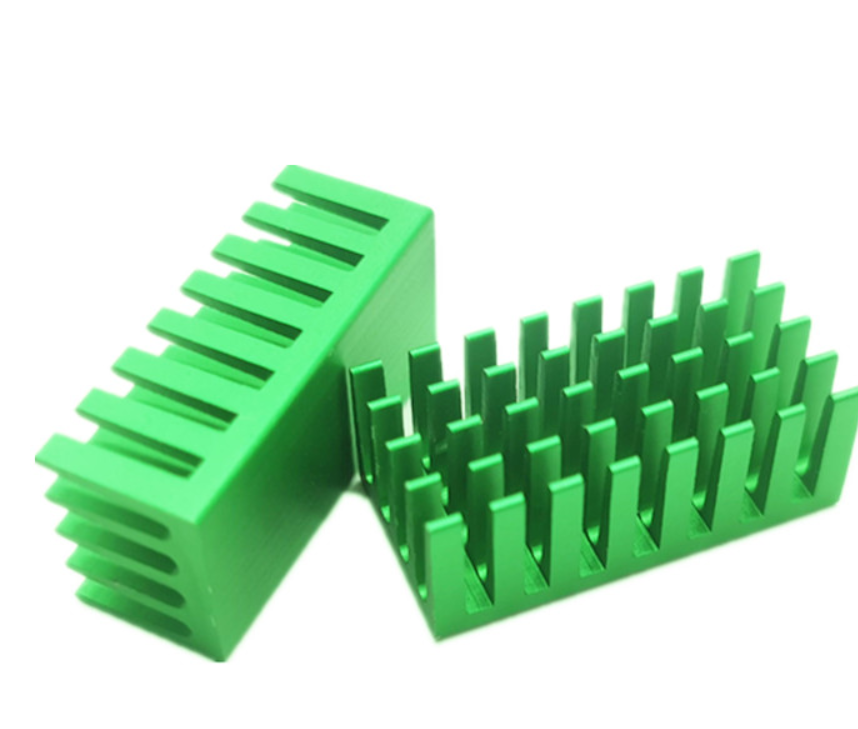
Alongside bare flex PCBs, our turnkey facility supplies complementary precision sensors, intelligent IoT modules, and custom CNC heat sinks engineered for dense high-power electronic enclosures.
Engineering & Manufacturing Flex PCBs in China: Core Standards
Flexible Printed Circuit boards (FPC) and Rigid-Flex architectures have evolved from basic interconnection cables into dense, multi-layer high-frequency interconnect solutions adhering to IPC-6013 Class 3 reliability.
As consumer electronics, automotive battery systems, medical wearables, and avionics push the boundaries of 3D spatial integration, flexible circuit technology has become indispensable. China accounts for over 55% of global flex PCB fabrication capacity. However, wholesale procurement demands deep technical mastery over substrate materials, dynamic flex life cycles, coverlay adhesion mechanisms, and controlled impedance design.
Substrate Selection: PI vs. LCP vs. PTFE
Base dielectric materials determine electrical integrity, moisture absorption, and mechanical durability in dynamic bending environments.
- Adhesiveless Polyimide (PI): Standard 12.5µm to 50µm core dielectric offering superior dimensional stability, high thermal endurance (Tg > 250°C), and reduced overall stackup thickness.
- Liquid Crystal Polymer (LCP): Near-zero moisture absorption (<0.04%) with ultra-low dissipation factor (Df < 0.002 at 10GHz), critical for 5G mmWave and high-speed data interconnects.
- Fluoropolymer (PTFE): Selected for extreme RF radar sensors requiring constant dielectric permittivity (Dk ~2.1) across wide temperature profiles.
Rigid-Flex vs. Flex-to-Install
Understanding mechanical operational modes determines trace geometry, copper foil crystal structures, and stiffener strategies.
- Static Flex (Flex-to-Install): Designed to fold into enclosures during device assembly. Standard electro-deposited (ED) copper is acceptable when minimum bend radius exceeds 10× stackup thickness.
- Dynamic Flexing (Continuous Cycle): Tested beyond 100,000 to 10,000,000 bending cycles. Demands Rolled-Annealed (RA) copper foils oriented parallel to the grain axis with neutral-axis layer balancing.
- Rigid-Flex Combinations: Eliminates physical board-to-board ZIF connectors, saving up to 60% enclosure volume while boosting vibration survival.
Reinforcement & Stiffeners
Flex circuits require localized mechanical stabilization for surface-mount components, connectors, and manual insertion points.
- FR-4 Stiffeners: Low-cost, robust glass-epoxy backers applied underneath heavy SMT pick-and-place arrays to prevent solder joint fatigue during board reflow.
- Polyimide (PI) Stiffeners: Added at ZIF/FPC gold-finger contact regions to achieve precise total insertion thicknesses (e.g., 0.30mm ±0.03mm).
- Stainless Steel / Aluminum Plates: Provide EMI grounding paths, localized heat sinking, and maximum mechanical rigidity in robotic actuators.
China Wholesale Flex PCB Technical Capability Matrix
Standard vs. advanced processing parameters for wholesale FPC and Rigid-Flex production runs at our Shenzhen manufacturing facilities:
| Capability Parameter | Standard Wholesale Capability | Advanced / High-Density (HDI) | Compliance Standards |
|---|---|---|---|
| Layer Count | 1 – 6 Layers (Pure FPC) / 2 – 8 Layers (Rigid-Flex) | Up to 12 Layers Flex / 24 Layers Rigid-Flex | IPC-6013 Class 2 & 3 |
| Base Copper Thickness | 1/3 oz (12µm), 1/2 oz (18µm), 1 oz (35µm) | 1/4 oz (9µm) ultra-thin or 2 oz (70µm) heavy copper | IPC-4562 |
| Minimum Line Width / Spacing | 0.075mm / 0.075mm (3 mil / 3 mil) | 0.035mm / 0.035mm (1.4 mil / 1.4 mil mSAP) | IPC-A-600 |
| Drilling & Microvias | Mechanical Drill: 0.15mm (6 mil) | Laser Blind/Buried Microvias: 0.05mm (2 mil) | IPC-2223 |
| Surface Finishes | ENIG (Au: 1-3 µin), OSP, Immersion Tin/Silver | Hard Electrolytic Gold (>30 µin), ENEPIG | IPC-4552 / IPC-4556 |
| Controlled Impedance | ±10% (Differential & Single-Ended) | ±5% (Stripline & Microstrip LCP/PI) | IPC-2141 |
| Bending Endurance (Cycles) | > 50,000 Cycles (R = 5mm) | > 5,000,000 Cycles (Dynamic RA Copper) | JIS C6471 / IPC-TM-650 |
Information Gain: Design for Manufacturability (DFM) Rule of Thumb
When transitioning from rigid FR-4 to wholesale flex PCB fabrication, always stagger trace transitions across adjacent layers to eliminate "I-beam" stress concentrations. Never terminate coverlay openings directly at the flex-to-rigid transition border; maintain a minimum setback of 0.8mm (30 mil) to prevent copper micro-cracking during folding.
Future Technological & Global Procurement Trends (2025–2030)
In-depth analysis of supply chain transformations, micro-miniaturization, automotive EV electrification, and cost-containment models shaping flex circuit purchasing.
1. EV Battery CCS & BMS Busbars
Traditional heavy copper wiring harnesses inside New Energy Vehicle (NEV) battery packs are being replaced by extra-long (up to 1.8 meter) flexible circuit cell contact systems (CCS). FPC-based busbars integrate temperature sensing (NTCs), voltage monitoring, and fuse links into a single automated roll-to-roll subassembly, slashing weight by 70% and assembly cycle times by 80%.
2. Ultra-Fine Pitch mSAP Processes
As edge AI processors and wearable health sensors converge into ultra-compact form factors, subtractive etching hits physics limitations at 50µm line/spacing. Tier-1 China flex manufacturers have adopted semi-additive patterning (mSAP) and laser direct imaging (LDI), pushing mass production lines down to 25µm/25µm traces, enabling direct flip-chip bonding and wafer-level CSP placement directly on flex film.
3. High-Frequency LCP Substrates
5G mmWave antennas, satellite communication transceivers, and AR/VR micro-displays cannot tolerate the dielectric loss of standard polyimide. Liquid Crystal Polymer (LCP) flex boards deliver consistent electrical performance up to 110 GHz. Sourcing trends show Western engineering firms locking in bulk LCP raw laminates via Shenzhen suppliers to shield against raw material supply constraints.
4. Turnkey "Flex PCBA" Sourcing Model
Procuring bare flex boards from one vendor and shipping them to a secondary assembly house yields defect finger-pointing due to flex panel warping during reflow. Overseas buyers are overwhelmingly shifting to turnkey PCBA contracts where the China factory manufactures the flex board, fabricates custom magnetic SMT carrier jigs, sources silicon, programs firmware, and conducts AOI/flying probe tests under one roof.
Strategic Wholesale Cost Drivers: Understanding NRE & Tooling in China
Unlike rigid boards where CNC routing is universally employed, volume flex circuit manufacturing depends heavily on dedicated hard tooling dies. For orders exceeding 1,000 pieces, investing in punch-and-die steel tooling for both the circuit perimeter and coverlay cuts reduces unit piece price by 30% to 50% compared to laser cutting. When requesting quotes from wholesale suppliers, buyers should examine the quote breakdown for:
Why Choose Shenzhen Mivo Electronics as Your Turnkey Partner?
Bridging Chinese precision hardware manufacturing with frictionless overseas commercial execution since 2016.
Integrated Shenzhen Ecosystem: Speed, Quality & Accountability
Shenzhen Mivo Electronics Co., Ltd. operates in the epicenter of the global hardware supply chain in Shenzhen, Guangdong. Rather than acting as a disjointed broker, we run an onsite-verified facility specializing in rapid bare PCB/FPC fabrication, complex multi-layer flex circuits, turnkey SMT assembly, SMT laser-cut stencils, and custom-engineered sensor subsystems.
Overseas procurement leaders frequently struggle with component counterfeiting and opaque lead times. Mivo Electronics counters this through direct tier-1 franchise component procurement, transparent real-time DFM feedback, and strict engineering cross-reference validation. If an active chip or connector faces obsolescence, our senior hardware engineers propose qualified drop-in replacements accompanied by full parametric datasheets for your written authorization before populating a single board.
From low-volume 5-piece prototypes for clinical trials or robotic R&D up to monthly batches of 500,000 units, every project follows rigorous IPC Class 2/3 quality controls, automated optical inspection (AOI), X-ray BGA alignment, and customized functional test jigs.
Verified Manufacturer Profile
Independent Third-Party Audited FacilitySupplier Quality Audit & IPC-6013 Testing Standards
How high-reliability buyers verify flex PCB reliability before containerized overseas shipment.
Microsection Cross-Sectioning
Sample coupons extracted from each production panel undergo metallurgical mounting and optical microscopic inspection at 200×–500× magnification.
- Through-hole copper plating barrel thickness (min. 20µm required for Class 3).
- Negative etch-back inspection and smear removal confirmation at rigid-to-flex core junctions.
- Verification of no inner-layer copper micro-cracking after 3× solder float simulation at 288°C for 10 seconds.
Peel Strength & Adhesion
Flex circuits undergo severe peel testing (IPC-TM-650 Method 2.4.9) to guarantee substrate integrity under repeated thermal stress.
- Copper-to-dielectric adhesion tested at ≥1.0 N/mm on RA and ED foils.
- Coverlay film bond shear testing to eliminate delamination risks around high-temperature SMT solder pads.
- Tape adhesion test (3M 600 Scotch tape) on gold-plated fingers and legend silkscreen markings.
Ionic Contamination & SIR
Because polyimide is more hygroscopic than glass-reinforced epoxy, chemical wash cleanliness directly dictates operational lifespan.
- Automated dynamic resistivity extraction (ROSE test) ensuring total residual ionic contamination < 1.56 µg/cm² NaCl equivalent.
- Surface Insulation Resistance (SIR) compliance (IPC-TM-650 2.6.3.7) exceeding 100 MΩ under 85°C / 85% relative humidity testing.
- Dielectric Withstanding Voltage (Hi-Pot) up to 500VDC to verify void-free dielectric isolation.
Frequently Asked Questions: Flex PCB Sourcing in China
Real-world commercial, technical, and logistics answers derived from international OEM procurement inquiries.
What is the standard minimum order quantity (MOQ) and lead time for wholesale Flex PCB orders?
What exact engineering files are required to issue an accurate DFM review and quotation?
- Gerber RS-274X or ODB++ dataset including copper layers, coverlay openings, silkscreen, drill files, and stiffener profile layers.
- Layer Stackup Drawing: Highlighting core polyimide thickness, copper foil weights (RA vs. ED), adhesive layers, stiffener materials (FR-4, PI, stainless steel), and finished thickness tolerances.
- Bill of Materials (BOM): If turnkey SMT assembly is required, containing accurate manufacturer part numbers (MPN), reference designators, package footprints, and approved alternates.
- Centroid / Pick-and-Place File: For automated SMT component placement.
- Assembly Drawings: Indicating ZIF finger dimensions, bend locations, tape boundaries, and special packaging specifications.
When should I specify Rolled Annealed (RA) copper instead of Electro-Deposited (ED) copper?
How do China factories prevent flexible circuits from warping during automated SMT reflow?
Can Mivo Electronics source hard-to-find active components and provide alternative recommendations?
How is impedance control achieved on thin flexible dielectric substrates?
What testing procedures are standard prior to international shipment?
- 100% Netlist Electrical E-Test: Flying probe testing for prototypes; custom dedicated bed-of-nails pogo pin fixtures for wholesale volume.
- Automated Optical Inspection (AOI): Scanning trace geometry, track defects, bridging, and coverlay registration accuracy.
- X-Ray Inspection: Essential for verifying solder joint wetting on bottom-terminated components like BGAs, QFNs, and WLCSP.
- Dimensional & Mechanical Verification: CMM measurement of critical stiffener alignments, ZIF thickness, and outline tolerances.
- Functional Testing (FCT): Custom test jigs programmed to power on, simulate inputs, and flash firmware to PCBA units upon request.
Accelerate Your Flex PCB Production with an Onsite-Verified Factory
Send your Gerber files, BOM, or engineering drawings to our Shenzhen technical center. Get a comprehensive DFM assessment, layer stackup modeling, and an itemized wholesale quotation within 24 hours.