A technical guide to selecting polyimide substrates, trace geometries, dynamic flex durability, and turnkey surface mounting.
Substrate Physics: Adhesiveless Polyimide vs. Adhesive-Based Systems
In modern electronic miniaturization, standard rigid FR-4 materials fall short when confronted with tight 3D volumetric packaging constraints, non-planar geometries, and dynamic mechanical fatigue requirements. As a premier custom flexible PCB supplier based in Shenzhen, China, Shenzhen Mivo Electronics Co., Ltd. architects custom Flexible Printed Circuits (FPCs) ranging from single-sided circuits to ultra-high-density multilayer and rigid-flex laminates. The foundation of any high-reliability flexible circuit lies within the dielectric base material. Our manufacturing facilities utilize high-grade, adhesiveless Polyimide (PI) films varying in thickness from 12.5µm to 50µm (0.5 mil to 2 mil), paired with rolled annealed (RA) or electro-deposited (ED) copper foil.
Where dynamic flexing is mandatory—such as in camera gimbal connections, folding consumer electronics, and continuous-motion robotic linkages—rolled annealed (RA) copper is consistently selected. The horizontal grain structure created through rolling allows the material to endure millions of bend cycles at tight radii without premature micro-crack propagation. Conversely, for static, form-to-fit applications within sensor housings or automotive battery modules, electro-deposited (ED) copper remains a cost-effective, thermally capable alternative. Eliminating modified acrylic or epoxy adhesive layers within modern adhesiveless base laminates drastically enhances thermal dissipation (Tg > 250°C), reduces Z-axis expansion during reflow, and preserves signal integrity in high-frequency regimes.
"Engineering Tip: Maintain a minimum bend radius of 10× the overall material thickness for dynamic applications, and utilize teardrop trace configurations at all via and surface-mount pad junctions to suppress stress concentration."
Design for Manufacturability (DFM) is executed rigorously by our engineering team on every customer Gerber archive (RS-274X, IPC-2581) prior to tooling generation. Microvia drilling is carried out using UV laser technology capable of generating 50µm blind and buried vias, allowing seamless integration with 0.3mm to 0.4mm pitch ball grid arrays (BGA) and ultra-fine-pitch flat flexible connectors (FFC/FPC connectors). Solder mask registration is substituted with photo-imageable coverlay or laser-cut solid polyimide coverlay bonded with high-grade thermosetting adhesives, guaranteeing exceptional dielectric isolation up to 500V/mil and preventing solder bridging across high-density pitch pads.
Technical Parameter
Standard Capability
Advanced / High-Density (HDI)
Compliance Standard
Layer Count
1 – 4 Layers (Flex / Rigid-Flex)
Up to 8 Layers (Multilayer FPC)
IPC-6013 Class 2 / Class 3
Substrate Material
Standard Polyimide (PI) with Adhesive
Adhesiveless Polyimide (12.5µm – 50µm)
IPC-4204 / RoHS / REACH
Copper Foil Weight
1/3 oz (12µm), 1/2 oz (18µm), 1 oz (35µm)
Rolled Annealed (RA) or Low-Profile ED
IPC-4562
Min. Line Width / Spacing
0.075mm / 0.075mm (3/3 mil)
0.045mm / 0.045mm (1.8/1.8 mil)
Optical Inspection Standard
Laser Microvia Diameter
0.10mm (4 mil)
0.05mm (2 mil) UV Laser Drilled
IPC-A-600 Acceptability
Surface Finish Chemistry
ENIG (Electroless Nickel Immersion Gold)
Immersion Silver / ENEPIG / Immersion Tin
IPC-4552 / IPC-4556
Stiffener Configurations
FR-4 (0.2mm – 1.6mm), Stainless Steel
Aluminum Stiffeners, Polyimide Shims
Custom Tooling / Laser-Routed
Beyond the fabrication of bare flexible substrates, Shenzhen Mivo Electronics delivers a true turnkey SMT (Surface Mount Technology) assembly solution. Assembling components on thin, flexible substrates requires proprietary carrier pallet fabrication and precision tensioning systems. Using our automated surface-mount lines, we solder passives down to 0201 imperial metrics, alongside complex micro-controllers, multi-sensor ICs, and external wire-to-board interconnects. Every flexible PCBA is subjected to 100% Automated Optical Inspection (AOI), X-ray inspection for bottom-terminated components (QFN/BGA), and continuous flying probe electrical validation, giving overseas purchasers uncompromised quality assurance backed by transparent quality verification.
Comprehensive market insights, sourcing strategies, and engineering transitions steering global supply chains from 2025 through 2030.
Automotive / EV
1. Replacement of Traditional Wire Harnesses
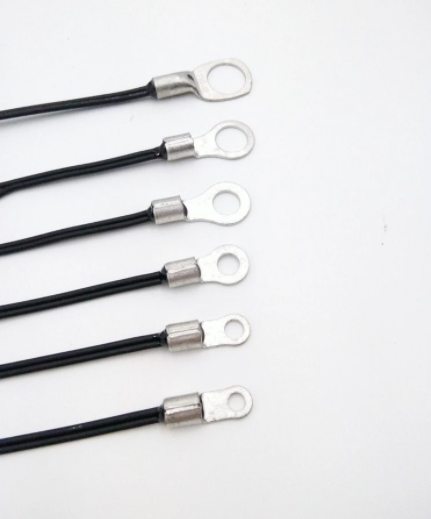
Global automotive OEMs are transitioning away from heavy, copper-intensive wire harnesses toward lightweight, large-format FPCs inside battery management systems (BMS). Ultra-long flexible printed circuits integrate direct temperature sensing (e.g., NTC probes) and cell voltage lines directly onto the pack, cutting assembly time by 40% and vehicle weight by up to 60%.
Wearable medical diagnostics, continuous glucose monitors (CGMs), and hearing health systems demand flexible substrates that conform directly to the human body. Procurement demands are heavily pivoting toward micro-thin 12.5µm polyimide or liquid crystal polymer (LCP) films with biocompatible encapsulation, zero-halogen flame retardants, and immersion gold contact surfaces.
High-Speed RF
3. Liquid Crystal Polymer (LCP) for 5G & 6G mmWave
As operating frequencies surpass 28 GHz and push toward sub-terahertz frequencies, dielectric loss (Df < 0.002) becomes the defining metric. Flexible PCB procurement teams are specifying advanced LCP and modified PI (MPI) laminates that exhibit near-zero moisture absorption and exceptionally consistent dielectric constants across extreme temperature profiles.
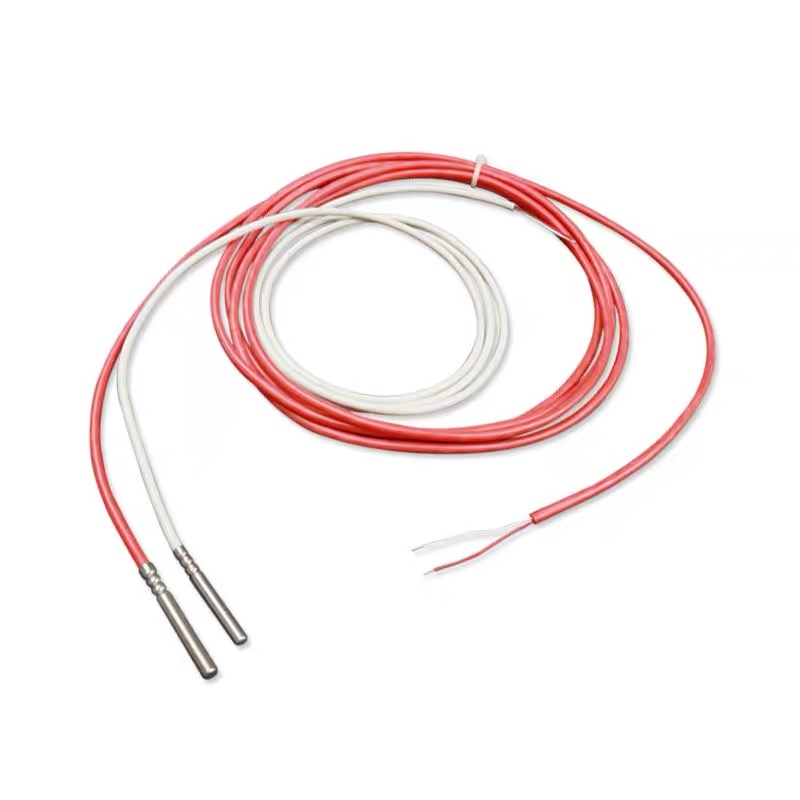
Modern procurement workflows no longer view circuit boards in isolation. The integration of high-precision RTD probes, NTC sensors, and custom aluminum heat sink modules directly onto the FPC assembly enables unified procurement, reducing the total bill of materials (BOM), mitigating supplier risk, and stabilizing system-level thermal dissipation.
Supply Strategy
5. Turnkey Consolidation vs. Multi-Tier Contracting
Electronics procurement directors are moving away from split-contract structures where bare boards, components, and assembly are divided across multiple vendors. Turnkey manufacturing through an onsite-verified Shenzhen supplier eliminates boundary disputes between PCB fab and SMT placement, drastically reducing prototype lead times from weeks down to single days.
Agility
6. Ultra-Low Volume NPI to Mass Production Scaling
With accelerated hardware iteration cycles, hardware startups and Tier-1 engineering firms require suppliers capable of producing New Product Introduction (NPI) runs starting from as low as 5 pieces. A streamlined transition pipeline guarantees that prototype tooling directly matches high-volume automated reel-to-reel assembly parameters without redesign delays.
Combining onsite-verified manufacturing discipline, deep supply chain relationships, and end-to-end electrical assembly.
Onsite-Verified Manufacturing Facility
Shenzhen Mivo Electronics Co., Ltd. operates with total corporate transparency. Our production premises have passed exhaustive onsite checks verified by third-party inspection firms. Operating continuously for over 8 years with an average buyer rating of 4.7/5, we provide dependable accountability that overseas purchasers can inspect anytime.
Complete Turnkey PCBA Ecosystem
We eliminate supply chain fragmentation. By synchronizing PCB fabrication, electronic component purchasing, laser stencils, SMT assembly, and custom sensory hardware in one purchase order, buyers avoid dealing with three disconnected vendors. Every batch is manufactured and inspected to documented IPC standards.
BOM Purchasing & Sourcing Authority
Situated in the heart of Shenzhen's world-class electronics market, our sourcing specialists procure authentic semiconductors, discrete chips, passives, and connectors directly from original manufacturers and authorized distributors. If a part has long lead times, our engineers recommend drop-in replacements with your written consent.
NPI Agility: Prototypes Starting at 5 Pcs
Hardware breakthroughs require rapid prototyping without burdensome minimum quantity constraints. We support custom PCBA prototypes starting from just 5 pieces, bare PCB fabrication from 100 pieces, and specialized temperature sensors from 10 pieces. Experience frictionless iteration from initial validation to high-volume production.
Integrated Sensor & Thermal Customization
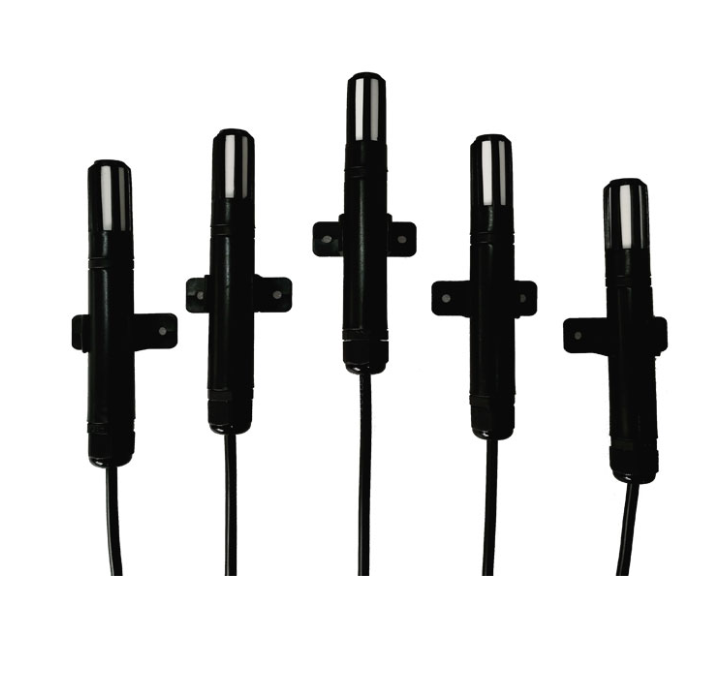
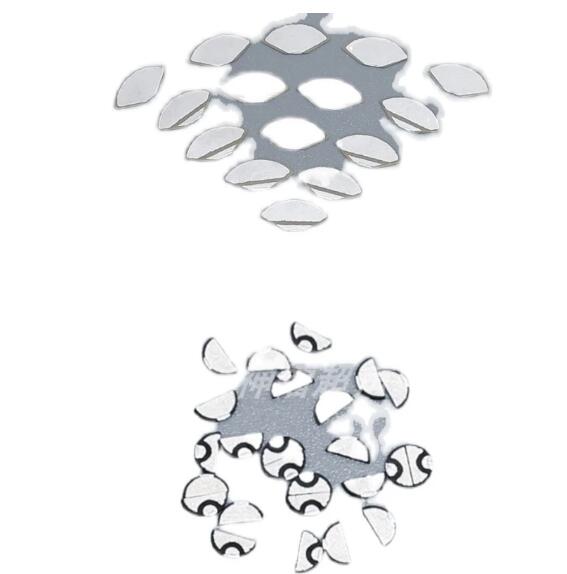
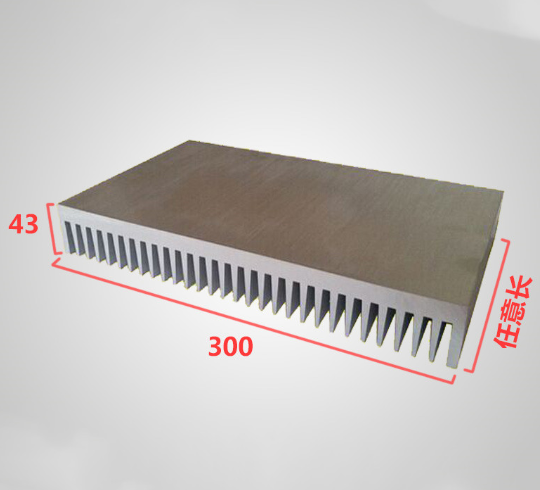
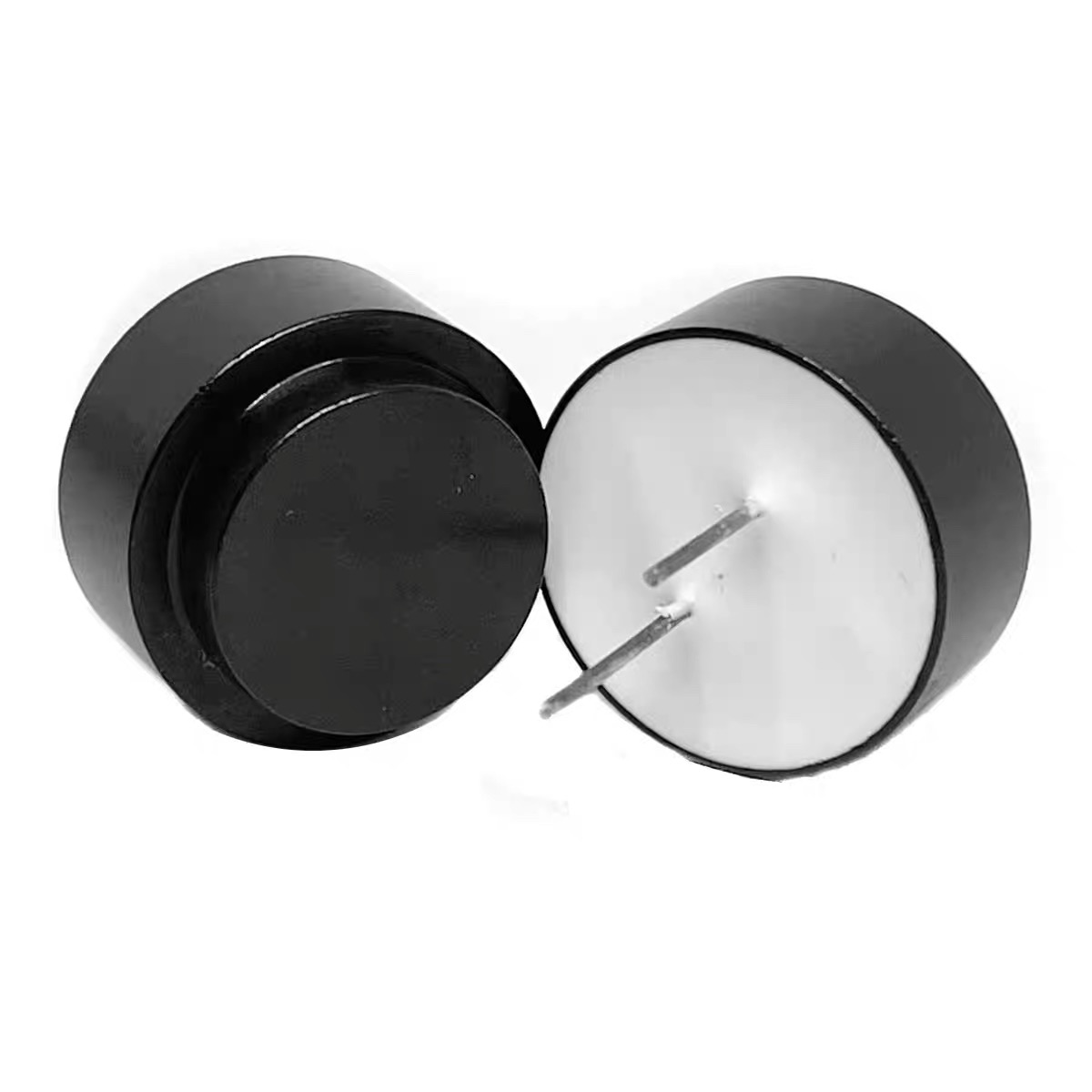
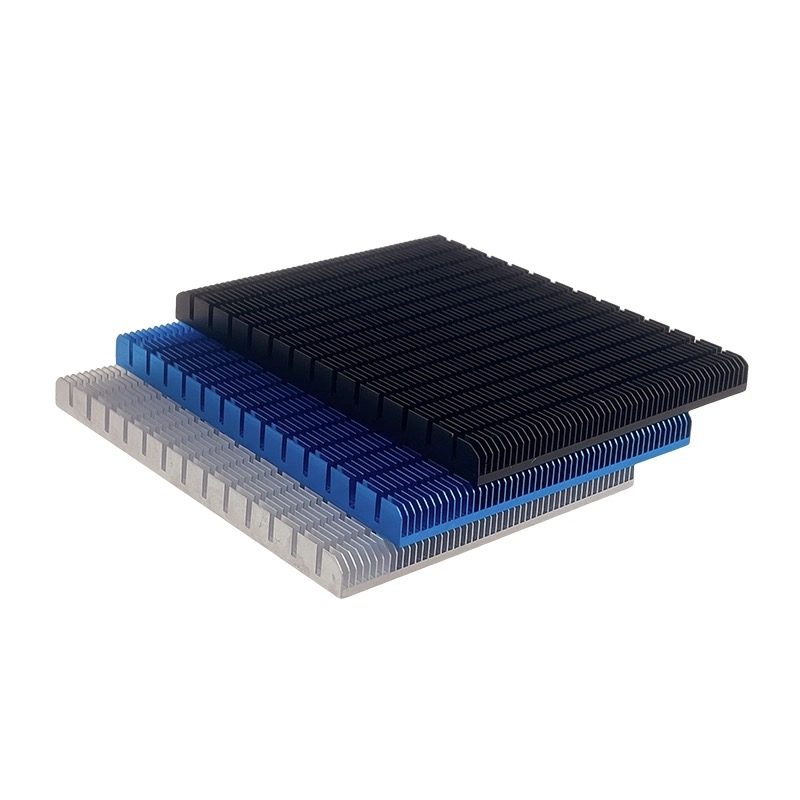
Beyond standard circuits, we engineer custom PT100/PT1000 probes, NTC temperature harnesses, ultrasonic distance modules, aluminum cooling plates, and industrial membrane switch panels. When your FPC assembly requires integrated sensing and cooling, we supply the complete, validated sub-system.
Rigorous DFM Review & English Support
Our bilingual application engineers review Gerber packages, trace stack-ups, drill tables, and centroid coordinates before tooling begins. By flagging design flaws, thermal pinch-points, and clearance issues early, we eliminate costly re-spins and keep your target delivery dates on schedule.
Procurement Knowledge Base
Frequently Asked Questions on Custom Flexible PCB Manufacturing
Direct technical answers addressing production constraints, quality verification, stiffener selections, and logistics workflows.
What files and documentation are required to initiate a custom Flexible PCB and PCBA quote?
To provide an accurate technical quote and complete a Design for Manufacturability (DFM) review, please provide:
Gerber Files: RS-274X or IPC-2581 format including copper routing, outline/profile, solder mask/coverlay, and drill layers.
Bill of Materials (BOM): Formatted in Excel or CSV containing manufacturer part numbers (MPN), quantities, reference designators, and package footprints.
Assembly Data: Pick-and-place (centroid / XY data) with polarity indications, accompanied by functional testing guidelines if testing is required.
What are the primary differences between stiffener types used in custom flexible circuits?
Flexible circuits require mechanical stiffeners in designated zones to support component loading, connector mating, and surface mounting:
FR-4 Stiffeners: The standard selection for stiffening surface mount component regions, button interfaces, and general rigidizing areas. Available in thicknesses from 0.2mm to 1.6mm.
Stainless Steel / Steel Shims: Selected where minimal thickness (0.1mm – 0.3mm) must provide maximum mechanical rigidity, commonly behind ZIF connectors to ensure tight retention force.
Aluminum Stiffeners: Best suited for power components and driver IC zones where mechanical rigidity and direct thermal conduction away from the circuit are required.
Polyimide (PI) Stiffeners: Extra layers of polyimide applied specifically to build up the thickness of insertion tabs on gold fingers to match connector specifications.
How does Shenzhen Mivo Electronics address component obsolescence or supply chain shortages?
Operating from Shenzhen gives us direct access to primary component distributors and factory-authorized agents. When our BOM scrubbing identifies obsolete (EOL) components or active components with extended factory lead times, our component engineering team identifies functional drop-in equivalents (pin-for-pin cross-references). We provide comprehensive parametric comparisons, data sheets, and impact assessments. No alternative component is ever placed on your assembly without your documented, written sign-off.
What is your minimum order quantity (MOQ) and production turnaround timeline?
We provide structured, accessible minimum quantities tailored to both R&D engineering and volume production:
Prototype PCBA: Starting from just 5 pieces, with fast-turn prototypes available in 7 to 10 working days.
Bare Flexible PCB Production: Standard minimum runs typically begin at 100 pieces, with quick-turn bare flex boards ready in 5 to 7 days.
Custom Sensors & Probes: Standard runs starting from 10 pieces (e.g., custom PT100/PT1000 probes, NTC probes).
Catalogue Discrete Components: Ranging from 100 to 2,000 pieces depending on reel packaging and manufacturer reel configurations.
How is electrical validation and quality control conducted on high-density flexible circuits?
Flexible circuits require specialized handling to prevent folding, trace delamination, or micro-cracking during inspection. We utilize:
100% Flying Probe Electrical Testing: Checking for continuity, opens, and shorts on every single bare flexible circuit.
Automated Optical Inspection (AOI): Validating trace geometry, trace spacing, and coverlay alignment against IPC-A-600 standards.
SMT Solder Inspection & 3D X-Ray: Ensuring complete solder joint wetting, minimal voiding beneath BGAs/QFNs, and alignment across all SMT components.
Custom Functional Testing (FCT): Utilizing customer-supplied fixtures, flashing firmware, and verifying full sensory output before final ESD packaging.
Accelerate Your Custom Flexible PCB Project Today
Work directly with an onsite-verified Shenzhen electronics manufacturer. Send your Gerber files, BOM, or engineering drawings for a detailed DFM review and competitive turnkey pricing.