OEM Verified Catalog: Precision Sensing & Electronics
Direct manufacturing offerings engineered to integrate with industrial membrane controls, ruggedized human-machine interfaces, and automated thermal feedback systems.
1. The Engineering Architecture of Custom OEM Embossed Membrane Switches
In modern industrial machinery, medical electronics, defense control consoles, and harsh-environment human-machine interfaces (HMI), the embossed membrane switch serves as the critical touchpoint between operator and electronic intelligence. Unlike primitive flat membrane interfaces, an embossed switch leverages three-dimensional cold hydroforming or thermoformed physical topologies that define distinct key boundaries, enhance operator proprioception, and accommodate internal mechanical actuation elements.
As a premier custom OEM embossed membrane switch factory based in Shenzhen, China, Shenzhen Mivo Electronics Co., Ltd. approaches tactile interface manufacturing as an integrated multi-layer electro-mechanical system. Each interface is constructed from stacked functional laminations, precisely bonded using sub-micron optical-grade structural adhesives and cured via controlled atmospheric parameters.
Technical Axiom: The tactile signature of an embossed membrane switch is governed by the non-linear deflection curve of the dome structure. Achieving crisp snap-ratio dynamics (>40%) without plastic fatigue requires optimizing the draw depth, corner bend radius, substrate tensile yield strength, and the mechanical stroke travel profile.
Rim Embossing Topography
Features a raised ridge bounding the perimeter of the key. Provides high physical edge awareness for operators wearing protective industrial gloves, while preserving an optically flat display or window surface inside.
Pillow (Dome) Embossing
The entire key surface area is uniformly elevated with a gentle spherical crown. Distributes uniform actuation pressures across internal silver contact pads or miniature metal domes, eliminating localized contact stress cracking.
Polydome Deflection Molding
Thermoforming the polyester graphic substrate directly produces inherent tactile return springs. Eliminates internal stainless steel domes, minimizing BOM cost while delivering up to 3 million operational click cycles.
2. Engineering Material Matrix & Substrate Selection Criteria
Sourcing from an experienced manufacturing plant requires an exacting understanding of polymer chemistry, dielectric properties, and adhesive shear resistance under broad thermal fluctuations (-40°C to +85°C). The table below represents the core industrial substrate benchmarks applied across Mivo Electronics' Shenzhen manufacturing floors:
| Substrate Parameter | Autotype Polyester (PET) | Lexan Polycarbonate (PC) | Polyurethane (TPU) Elastomer | Copper Flex FPC Substrate |
|---|---|---|---|---|
| Flexural Fatigue Life | > 5,000,000 cycles | < 100,000 cycles | > 8,000,000 cycles | > 10,000,000 cycles |
| Chemical / Solvent Resistance | Exceptional (Alcohols, fuels, acids) | Moderate (Susceptible to aromatic HC) | High (Oils, greases, bio-fluids) | Hermetic (Protected by polyimide) |
| Embossing Retention | High (Thermo-hydroformed stability) | Moderate (Susceptible to cold creep) | Elastic recovery (Low permanent set) | Non-embossed (Carrier layer) |
| Optical Haze / Clarity | Anti-glare / Fine / Gloss textures | Crystal Clear (> 91% transmission) | Translucent to Matte | Opaque Amber Kapton |
| Typical OEM Application | Heavy industrial & medical consoles | Indoor appliance overlays, cost-driven | Wearable medical monitors, military | High-density pitch SMT PCBA integration |
3. Future Procurement & Technological Trends in Membrane Switch Systems (2025–2030)
The global electronic interface industry is shifting rapidly away from isolated mechanical panels toward integrated, smart mechatronic assemblies. B2B purchasing directors and hardware engineering leads must navigate five definitive technological evolutions shaping membrane switch factory floor output over the next five years:
Micro-Thin LGF Backlighting
Traditional discrete LEDs result in hot-spot luminance. The trend has pivoted toward Light Guide Film (LGF) laminations ranging from 0.125mm to 0.25mm thickness. Using side-firing micro-LEDs coupled with laser-etched refractive dot matrices, OEM factories achieve hyper-uniform surface illumination across custom symbology with sub-30mA power footprints.
Hermetic IP67/IP68 Perimeter Sealing
Demands for steam-sterilizable medical panels and outdoor washdown agricultural controllers require complete environmental isolation. Factories are replacing standard acrylic laminations with continuous closed-cell silicone and modified acrylic perimeter gaskets, surviving MIL-STD-810 sand/dust exposure and IP69K high-pressure thermal jets.
Capacitive & Tactile Hybridization
Bridging the gap between sleek consumer capacitive touch glass and fail-safe tactile feedback, hybrid HMI surfaces combine capacitive proximity sensors with deeply embossed metal-dome switches for mission-critical emergency stops, providing zero-touch wakeup alongside positive haptic confirmation.
Furthermore, sustainability compliance such as RoHS 3, REACH, and halogen-free directives are compelling factories to formulate lead-free silver conductive inks with advanced carbon overcoats to prevent silver migration (electrochemical dendritic short-circuiting) under extreme bias voltage and high humidity atmospheres.
4. Shenzhen Mivo Electronics: Factory Advantages & Full Turnkey Integration
Finding a verified OEM partner capable of delivering high-mix, custom-engineered membrane switch assemblies requires deep supply chain accountability. Situated in Shenzhen, Guangdong—the epicenter of global hardware innovation—Shenzhen Mivo Electronics Co., Ltd. bridges component fabrication with complete turnkey PCBA execution.
Class 10,000 Cleanroom Processing
Graphic overlay printing, optical clear adhesive (OCA) lamination, and dome placement occur within temperature and humidity-controlled cleanroom environments, preventing airborne particle contamination and bubble formation beneath transparent display windows.
100% Automated Electrical Verification
Every membrane switch circuit undergoes computerized continuity, loop resistance (typically <100Ω), open/short verification, insulation dielectric breakdown testing at 500V DC, and mechanical snap-ratio force displacement validation.
One-Stop PCBA & Sensor Backing
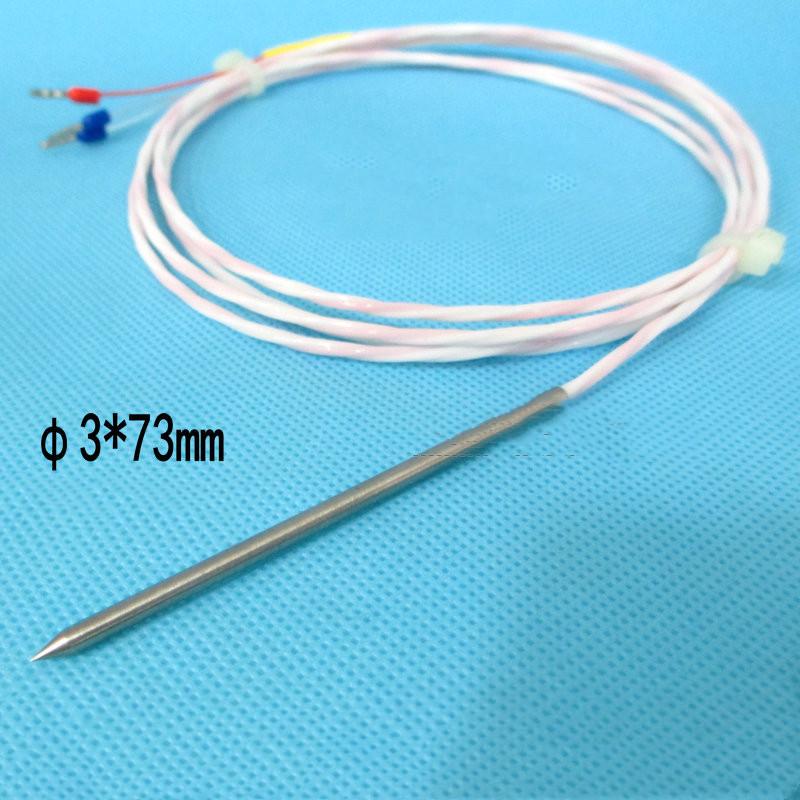
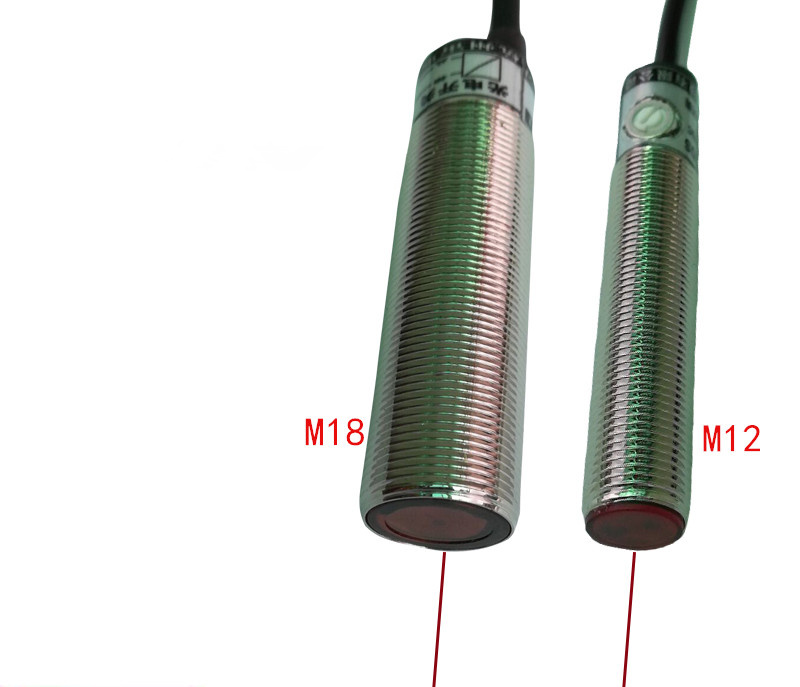
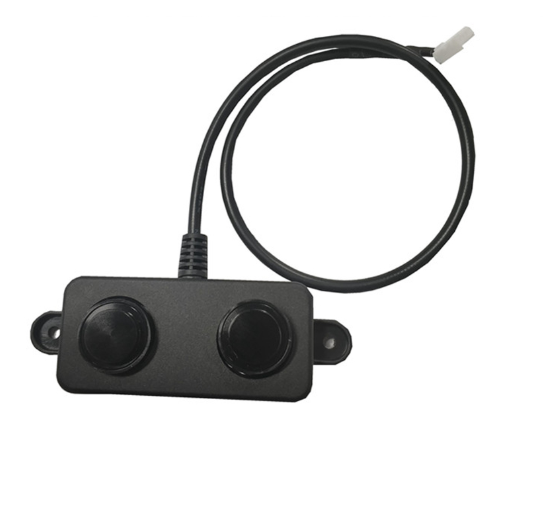
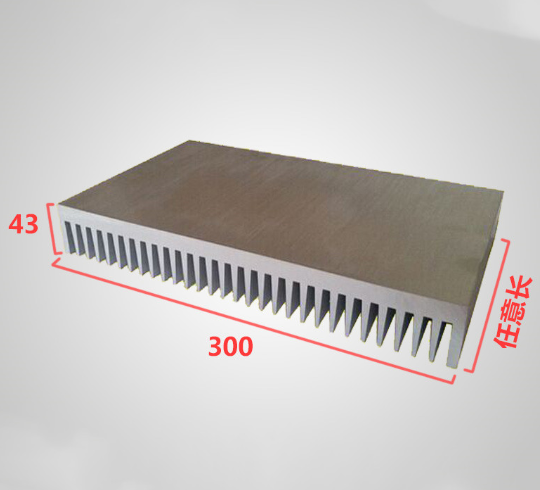
Eliminate multi-vendor friction. Mivo Electronics mounts membrane switches directly to rigid FR-4 PCBs, aluminum heat dissipation plates, or custom cable harnesses alongside custom RTD probes, laser sensors, or ultrasonic modules under a single purchase order.
5. Standard OEM Manufacturing Workflow Protocol
From initial Gerber/Vector graphic review to mass assembly, our factory enforces a rigorous six-stage development pipeline designed to mitigate design-for-manufacturing (DFM) risks early:
DFM Engineering & Proofing
Comprehensive check of circuit trace pitch, silver ink cross-sections, switch pad spacing, and color-matching via Pantone / RAL digital densitometers.
Precision Tooling & Stencils
CNC machining of matched-metal male/female embossing dies, optical cutting dies, and precision mesh screen printing stencils.
Layer Printing & Sintering
Multi-pass screen printing of graphic pigments, silver conductive tracks, dielectric crossover insulation bridges, and protective carbon contact pads.
Lamination & Dome Array
Optical alignment and lamination of structural 3M adhesives (e.g., 467MP/468MP), anti-microbial barrier films, and four-leg nickel-plated stainless steel metal domes.
6. B2B Procurement FAQ: Sourcing from an Embossed Membrane Switch Factory
What is the typical tooling cost and NPI lead time for custom embossed membrane switch prototypes?
How does Mivo Electronics prevent silver migration in high-humidity operating environments?
What actuation force options are available for stainless steel tactile metal domes?
Can you integrate embedded surface-mount LEDs and active components into the switch tail?
What graphic file formats are required to initiate engineering quotation and production?
Accelerate Your Custom Membrane Switch Development
Connect directly with Shenzhen Mivo Electronics' engineering department. Receive DFM file analysis, stack-up mechanical diagrams, and a comprehensive B2B production quote within 24 hours.