Featured Industrial Control & Sensing Components
Precision-engineered subsystem modules, interconnects, and electro-mechanical sensor interfaces built to withstand rigorous industrial operating environments.
1. Engineering Fundamentals of Custom OEM Industrial Membrane Switches
In modern electronic equipment design, the Human-Machine Interface (HMI) serves as the primary bridge of operational control. An industrial membrane switch is not simply a cosmetic overlay, but a highly engineered, multi-layered electro-mechanical assembly designed to perform reliably in hostile environments. Custom OEM membrane switches differ significantly from commercial-grade silicone keypads or capacitive touchscreens: they offer absolute hermetic sealing, total immunity to airborne particulate ingress, high chemical resistance, and distinct tactile feedback capable of operating through heavy industrial work gloves.
Industrial control panels demand strict adherence to mechanical tolerances, dielectric properties, and contact resistances. Whether deployed in automated factory floors, CNC machinery, medical analytical equipment, or rugged outdoor power utilities, a custom membrane switch manufacturer must ensure that every single stratum—from the visual graphic layer down to the rear structural substrate—is mathematically calibrated to survive millions of actuations under wide thermal fluctuations (-40°C to +85°C).
Precision Multi-Layer Cross-Section Stack-Up
A professional-tier industrial membrane switch consists of six to eight distinct laminated sheets bonded together by high-performance acrylic adhesives. Achieving high mean-time-between-failures (MTBF) requires an intimate understanding of each structural stratum:
1. Graphic Overlay
Sub-surface screen-printed or digitally printed films using biaxially oriented polyester (PET, e.g., Autotex XE) or polycarbonate (PC, Lexan). Sub-surface printing guarantees that inks cannot be scratched, abraded, or degraded by harsh cleaning chemicals, oils, solvents, or UV radiation.
2. Overlay Adhesive
Optically clear, pressure-sensitive acrylic adhesive layer (typically 3M 467MP or 3M 468MP 200MP series). Formulated to resist sheer stress, plasticizer migration, and humidity, ensuring zero bubbles or edge-lifting across long product lifecycles.
3. Snap Dome Retainer Layer
A specialized die-cut carrier layer holding stainless steel tactile snap domes in exact axial alignment above the circuit pads. Venting channels are micro-machined to balance internal air pressure during rapid key cycling.
4. Circuit Layer (Printed / FPC)
Conductive silver and carbon inks printed onto heat-stabilized polyester film, or photolithographically etched copper traces on Polyimide (FPC). Features open contact trace gaps bridged upon dome collapse.
5. Dielectric Spacer
A precision-gauged polyester film defining the actuation stroke height. It insulates upper and lower traces while containing dedicated air vents to prevent switch bounce, vacuum formation, or false triggering under atmospheric changes.
6. Rear Adhesive & Backer
Heavy-duty structural mounting layer designed for bonding onto powder-coated sheet metal, cast aluminum, ABS, or fiberglass enclosures. Can incorporate rigid FR-4 or aluminum backing plates with pem studs for threaded mechanical mounting.
2. Architectural Selection: Screen-Printed Silver vs. Copper Flex (FPC) vs. Rigid PCB
Selecting the appropriate conductor topology is the most critical architectural decision during the custom OEM membrane switch specification phase. A manufacturer must balance electrical impedance, component density, flex fatigue, and total production cost.
| Engineering Parameter | Screen-Printed Silver Ink (PET) | Copper Flex Circuit (FPC Polyimide) | Rigid PCB Backed (FR-4 Base) |
|---|---|---|---|
| Trace Conductor Material | Polymer Thick Film (PTF) Conductive Silver | Etched Rolled Annealed (RA) Copper | Standard Electro-deposited Copper Clad |
| Trace Resistance | Moderate to High (< 15–50 Ω depending on length) | Extremely Low (< 0.1–1.0 Ω) | Extremely Low (< 0.05 Ω) |
| SMD Component Mounting | Conductive epoxy bonding (low density) | Standard Lead-Free Reflow Solder (High reliability) | Automated High-Speed SMT Pick-and-Place |
| Switch Actuation Life | 1,000,000 to 3,000,000 cycles | 5,000,000+ cycles | 5,000,000+ cycles |
| Connector Pitch Density | Typically 1.0mm to 2.54mm pitch | High density down to 0.5mm ZIF pitch | Direct header pins, terminal blocks, board-to-board |
| Environmental Harshness | Good (requires silver migration protection) | Outstanding (immune to silver dendritic migration) | Maximum structural rigidity & vibration resistance |
| Tooling & Unit Cost Ratio | Lowest tooling cost, economical at high volume | Higher tooling, optimal for compact complex circuits | Moderate tooling, combined structural/electrical unit |
Tactile Dynamics: Stainless Steel Domes vs. Polydome Forming
The operator tactile response is paramount in industrial applications where visual verification of switch closure is impossible. Stainless steel snap domes (available in 4-leg, round, or oblong configurations) provide crisp snap ratios (40% to 60%) with actuation forces ranging from 250 grams to 500 grams. Gold-plated or nickel-plated domes prevent oxidation and micro-fretting under low-voltage logic signal inputs. In contrast, polyester embossed domes (polydomes) form the tactile element directly from the polyester overlay sheet through hydro-forming or thermo-forming. While polydomes eliminate loose metal components, steel snap domes remain the undisputed standard for safety-critical industrial controls due to their tactile crispness and fatigue resistance.
3. Manufacturer Competence: Why Shenzhen Mivo Electronics Delivers Unmatched OEM Value
Sourcing custom industrial membrane switches requires an OEM partner capable of bridging the gap between graphic art printing, precision chemical etching, and full electronics manufacturing services (EMS). Shenzhen Mivo Electronics Co., Ltd. stands out as an onsite-verified manufacturer positioned directly at the epicenter of the world's most advanced electronics hardware supply chain.
True Turnkey Integration
Unlike printing-only shops that subcontract electronics, Mivo combines membrane switch fabrication with in-house Multilayer PCB fabrication, Aluminum MCPCB, Flexible Printed Circuits (FPC), and surface-mount (SMT) turnkey PCBA lines. We integrate displays, microcontrollers, and sensors directly behind the interface panel.
Onsite Verified Manufacturing
Mivo's Shenzhen facilities have passed rigorous onsite inspections by international third-party verification bodies. Operating for over 8 years in the global market, we maintain an exceptional 4.7 out of 5 buyer satisfaction rating backed by authentic export transaction histories.
Broad Component Sourcing Ecosystem
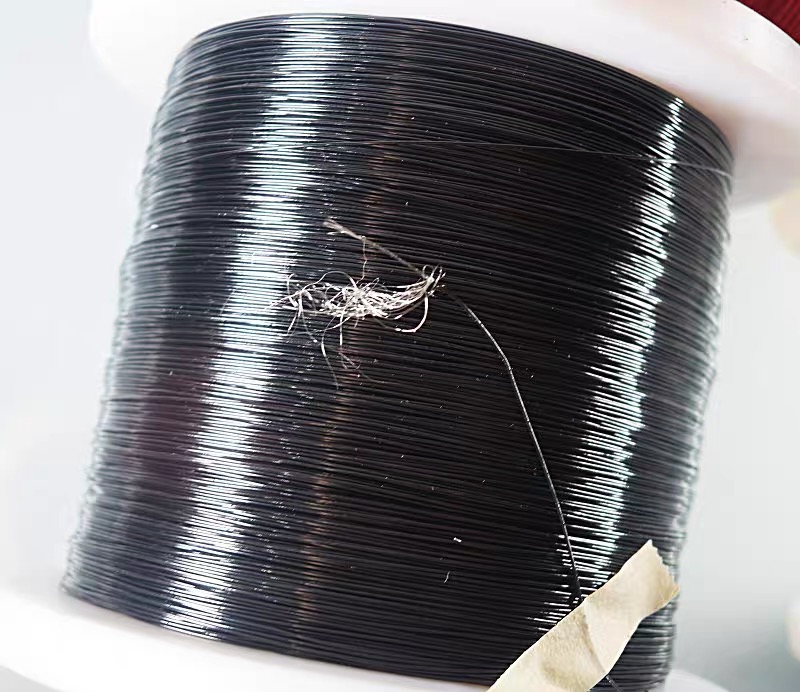
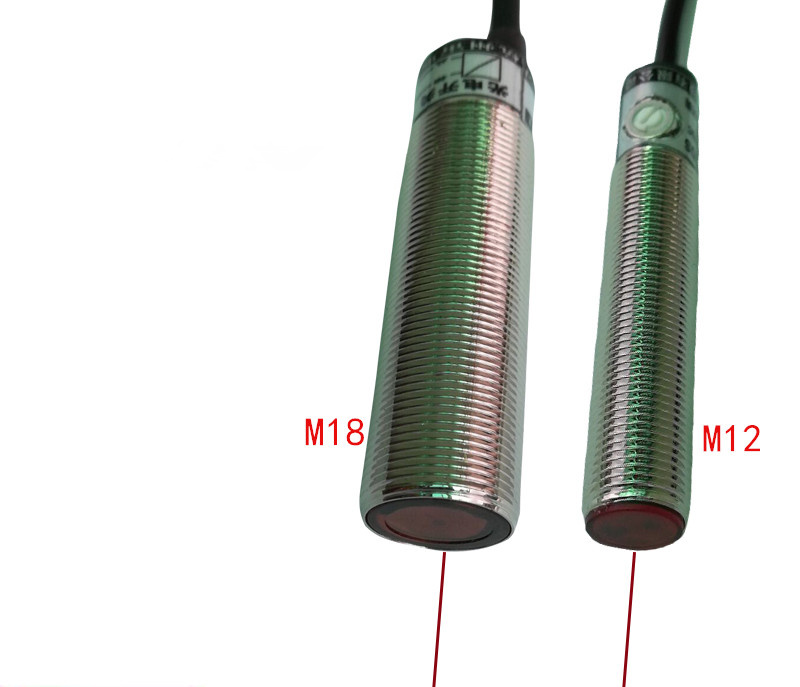
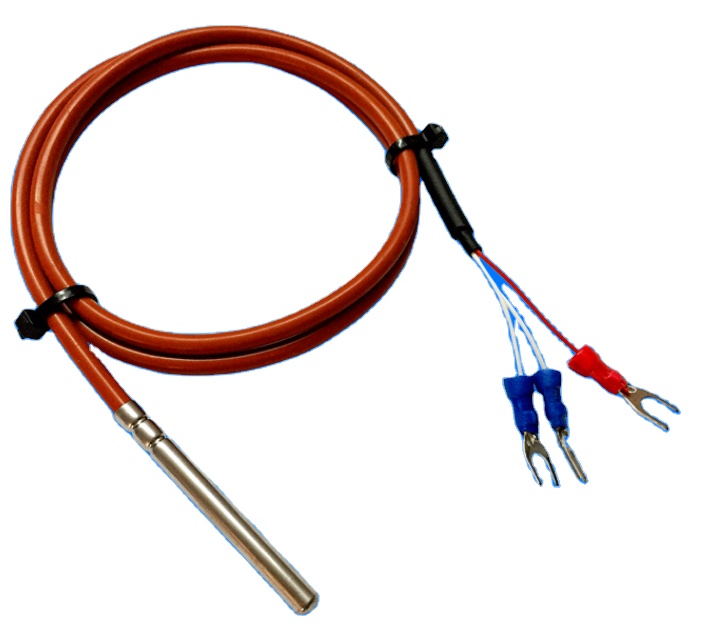
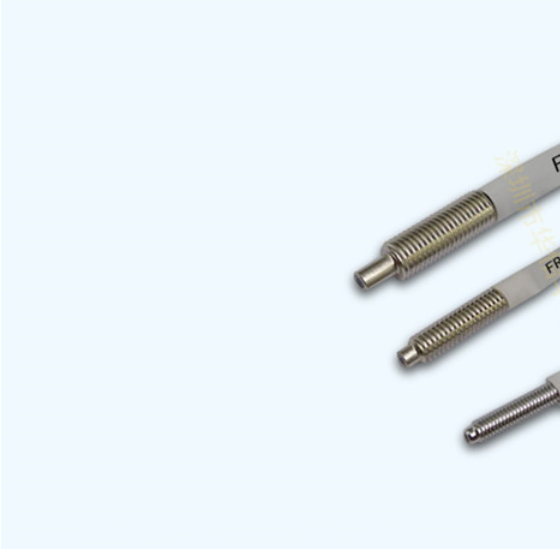
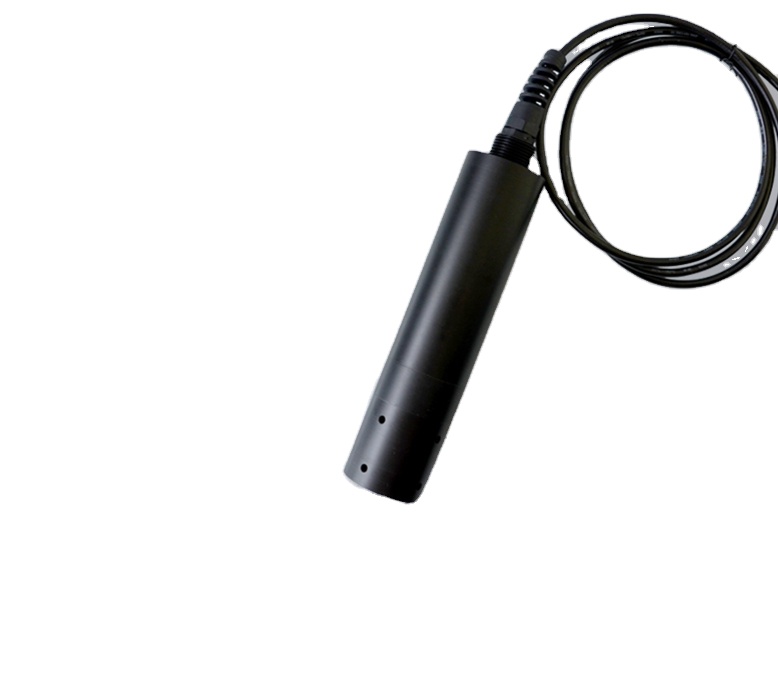
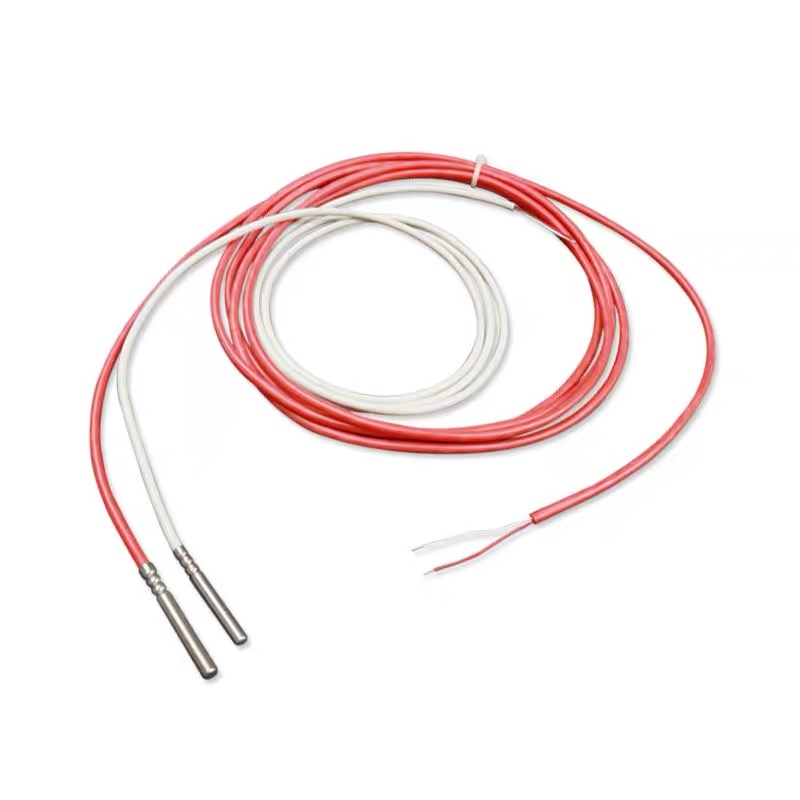
Located in Shenzhen's core industrial district, Mivo offers direct BOM sourcing for passive and active components, specialized industrial connectors, precision RTD probes (PT100, PT1000), optical diffuse sensors, micro coaxial cabling, and custom metal housings—eliminating multi-vendor fragmentation.
Agile Prototyping & Flexible MOQs
Engineering teams often struggle with overseas suppliers demanding 10,000-unit minimum commitments. Mivo supports agile hardware development with prototype PCBA runs starting from just 5 pieces and custom sensor/switch runs from 10 pieces, supported by deep DFM engineering feedback.
4. Future Procurement & Technological Trends in Industrial Membrane Switches (2025–2030)
Procurement directors and systems engineers must design with an eye on the future. The HMI landscape is undergoing significant technological convergence, driven by Industry 4.0 automation, IoT connectivity, and strict environmental mandates:
1. Capacitive Touch & Hybrid Membrane Fusion
The market is moving away from purely discrete mechanical contacts toward hybrid interfaces. Modern control consoles combine a flush, chemical-resistant capacitive touch surface (for menu navigation and continuous parameter adjustment) with discrete tactile metal dome switches for critical emergency stop (E-Stop), motor ignition, and high-risk operations where accidental capacitive triggering could violate safety regulations.
2. Integrated Backlighting via Thin Light Guide Films (LGF)
Traditional discrete LED indicators are being superseded by ultra-thin Light Guide Film (LGF) technology. By coupling high-brightness side-firing LEDs into micro-etched optical grade polycarbonate layers, manufacturers can achieve perfectly uniform icon backlighting across ultra-slim membrane assemblies (< 1.2mm total thickness) without hot spots, high power draw, or excessive thermal generation.
3. Advanced Ingress Sealing (IP67, IP68, and NEMA 4X / NEMA 13)
Medical disinfection protocols (quaternary ammonium compounds, isopropyl washdowns) and industrial clean-in-place (CIP) steam washdowns require switches with total perimeter fluid sealing. Leading manufacturers employ closed-cell acrylic foam perimeter gaskets (e.g., 3M VHB series) combined with breathable, oleophobic hydrophobic membranes (e.g., Gore acoustic/pressure vents) that balance internal air pressure during rapid ambient temperature shifts without permitting water or moisture vapor ingress.
4. EMI/RFI and ESD Dissipative Shielding Grids
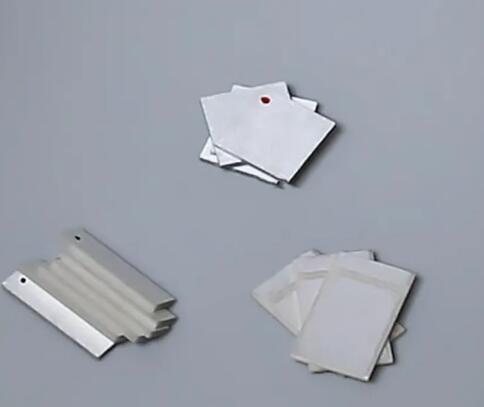
High-voltage variable frequency drives (VFDs), welding systems, and wireless telematics generate substantial electro-magnetic interference. Modern membrane switch specifications mandate full ESD shielding capable of dissipating >15kV static discharge without allowing electrical spikes to penetrate into underlying microcontrollers. This is achieved via continuous conductive aluminum foil layers, printed silver grid patterns, or clear Indium Tin Oxide (ITO) films grounded directly to chassis earth.
5. Sustainable Inks & Additive Manufacturing
Global environmental compliance (RoHS 3, REACH, halogen-free directives) is driving rapid adoption of bio-based conductive inks, solvent-free UV-curable dielectric layers, and recyclable PET film carriers, reducing the overall carbon footprint of industrial electronic enclosures.
5. Industrial Membrane Switch Procurement & Engineering FAQ
Critical technical and commercial questions evaluated by procurement teams, hardware engineers, and quality assurance inspectors during supplier qualification:
What engineering files are required to initiate custom tooling?
To provide a formal DFM review and tooling quote, we require vector artwork for the graphic overlay (Adobe Illustrator, CorelDraw, or DXF with color callouts in Pantone or RAL), mechanical dimensional drawings with tolerances, circuit schematics or Gerber files (RS-274X) for the conductive layer, pinout definitions, and an assembly stack-up specification sheet.
How do you mitigate silver migration (electrochemical dendrites)?
Silver migration occurs under high DC bias voltage and moisture exposure. We prevent this by ensuring trace isolation geometries conform to IPC-2221 standards, printing a 100% pinhole-free carbon overcoat over all silver conductors, applying cross-linked dielectric encapsulants, and utilizing hermetically sealed perimeter adhesive barriers (3M 200MP series).
What is the typical mechanical actuation lifespan of tactile domes?
Our precision stainless steel snap domes are rated for 1,000,000 to over 5,000,000 mechanical switch cycles under standard ASTM F1578 test conditions. The tactile snap ratio and contact resistance (< 100 mΩ initial) remain stable throughout the entire lifecycle when mounted above a properly vented spacer cavity.
Can the switch assembly incorporate transparent display windows?
Yes. Graphic overlays can feature crystal-clear, anti-glare, or tinted transparent windows designed to seat over underlying LCD, OLED, 7-segment LED, or VFD displays. We apply optical clear adhesives (OCA) to prevent internal condensation and eliminate optical refraction or rainbow Newton rings.
How does polyester (PET) compare to polycarbonate (PC)?
Polyester (PET, e.g., Autotex) provides superior flex fatigue endurance (exceeding 5 million switch cycles without cracking), unmatched chemical resistance against solvents and industrial detergents, and zero crazing. Polycarbonate (PC) is easier to thermoform and has high impact resistance, but tends to degrade faster under aggressive hydrocarbon exposure.
What termination connector styles are standard?
Standard connector options include bare flex tails with exposed contact fingers for 1.0mm or 0.5mm Zero Insertion Force (ZIF) sockets, female crimp housing connectors with locking latches (e.g., Nicomatic, Berg, Amphenol FCI, 2.54mm pitch), and solderable pins for direct through-hole mounting onto a parent PCB.