Shenzhen Mivo Electronics Co., Ltd.
PCB Fabrication · Turnkey PCBA · Component Sourcing · Custom Sensors [email protected]
Shenzhen Verified OEM/ODM Factory

Custom OEM Polyester Membrane Switch Factory & Exporters

Precision Human-Machine Interface (HMI) Engineering, Class 10k Screen Printing, Micro-Motion Tactile Feedback & Turnkey Electronic Assembly

Integrated HMI Hardware Portfolio

Complementary Sensors, Thermals & Electronic Components

Custom polyester membrane switches operate within mission-critical electronic ecosystems. Explore our direct factory-manufactured sensors, micro-coaxial wiring harnesses, and precision thermal management modules engineered for complete turnkey integration.
PT100B PT100A PT1000 Pointed End Thermal Resistance
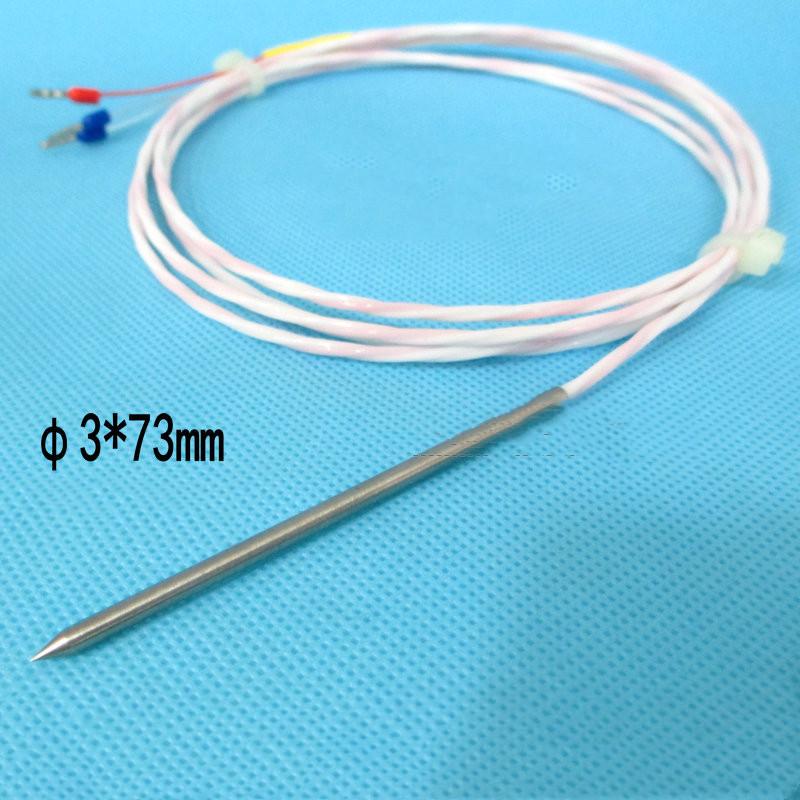
Temperature RTD

PT100B PT100A PT1000 Pointed End Thermal Resistance PT100 Platinum Thermistor Pierce Type Sensor Probe Wire

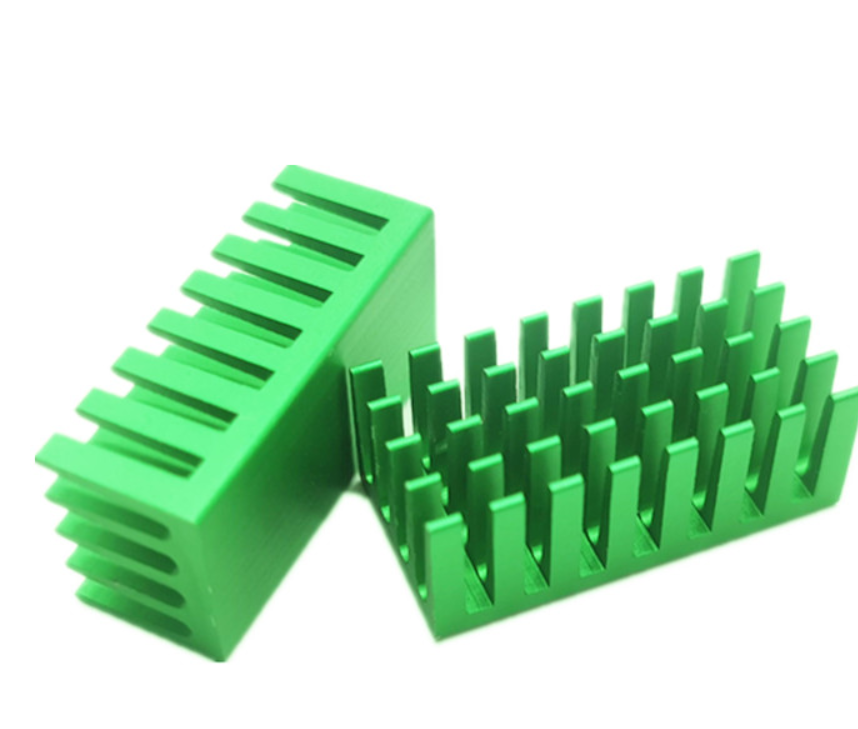
Electronic Chip Radiator Heatsink Cooler
Thermal Management

Electronic Chip Radiator 28*14*11MM Graphics Card Heatsink Custom Color Length Aluminum Radiator Cooler

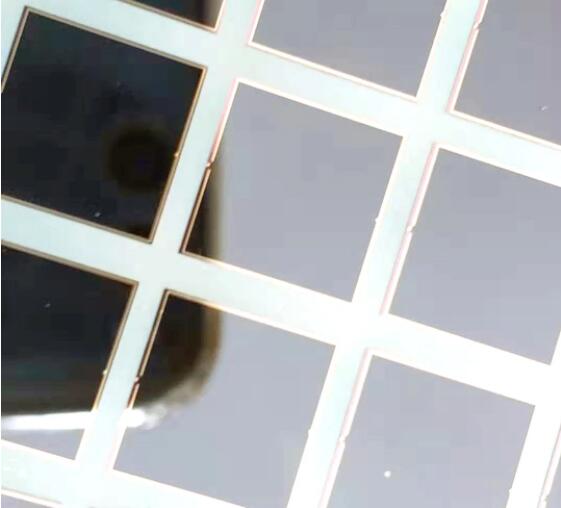
Linear Silicon Photocell Chip Bare Wafer
Optoelectronics

Linear Silicon Photocell Chip 10*10 Wafer Silicon Photodiode Bare Silicon Wafer for SGPIN400 Common Anode

16mm Waterproof Ultrasonic Sensor Probe
Proximity & Distance

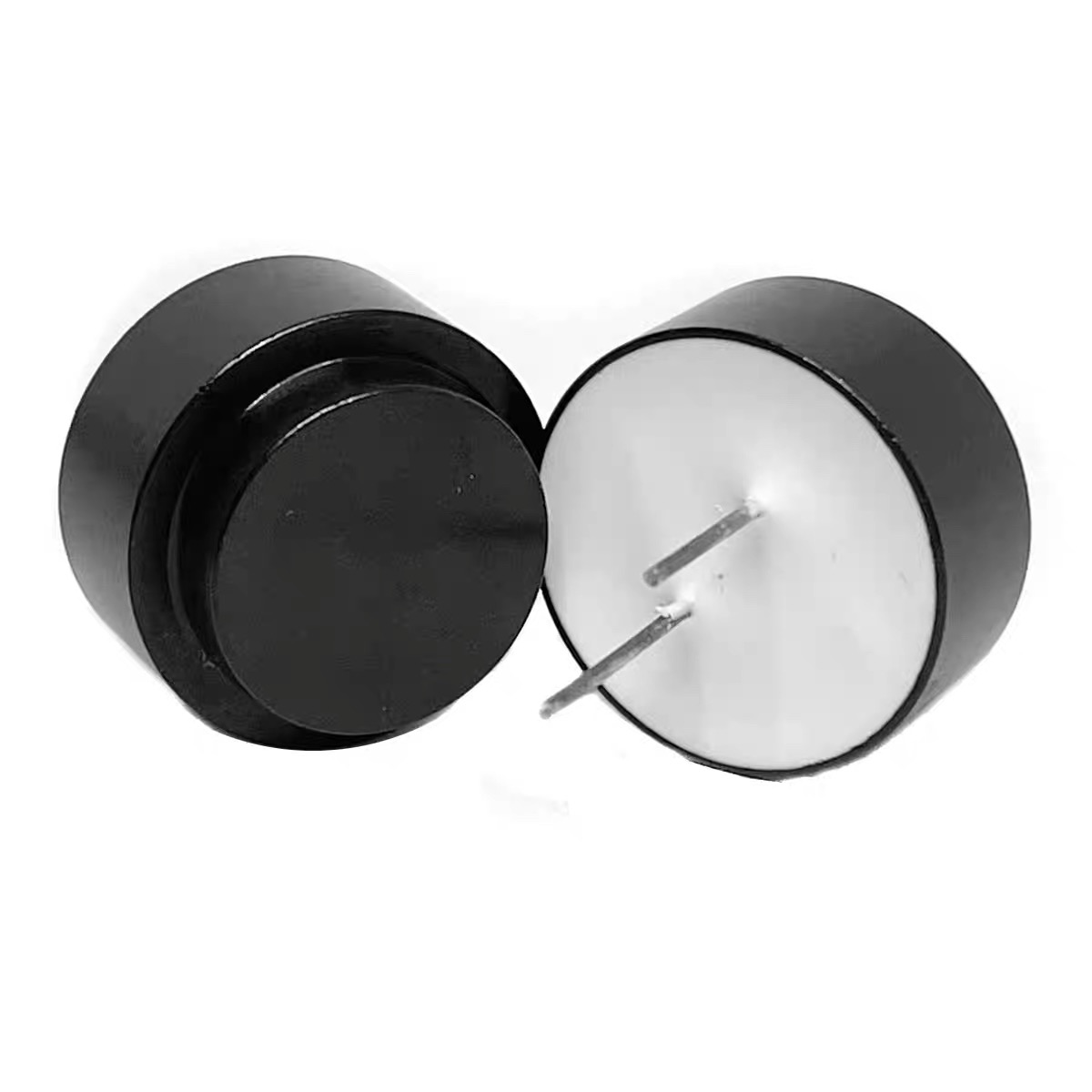
16mm Waterproof Ultrasonic Sensor Probe for Smart Home Car Distance Measurement Proximity Switch

Ultrasonic Piezoelectric Ceramic Disc
Piezo Elements

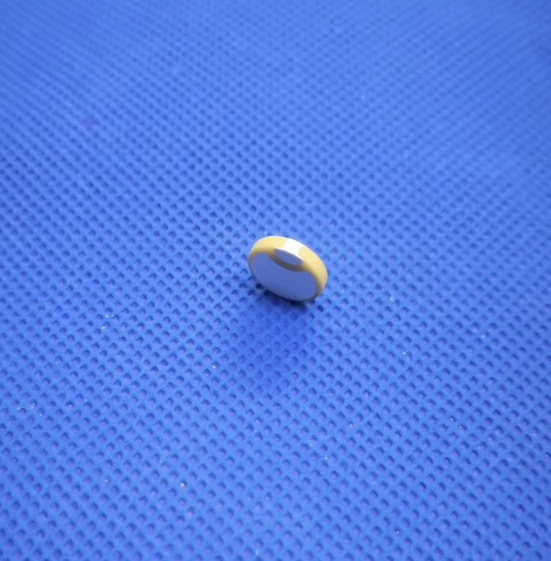
Ultrasonic Piezoelectric Ceramic Disc 10*2.03mm-PZT5 PZT Crystals 1M Piezo Sensor Cleaning Transmitter

36AWG Mini Coaxial Cable
Precision Wiring

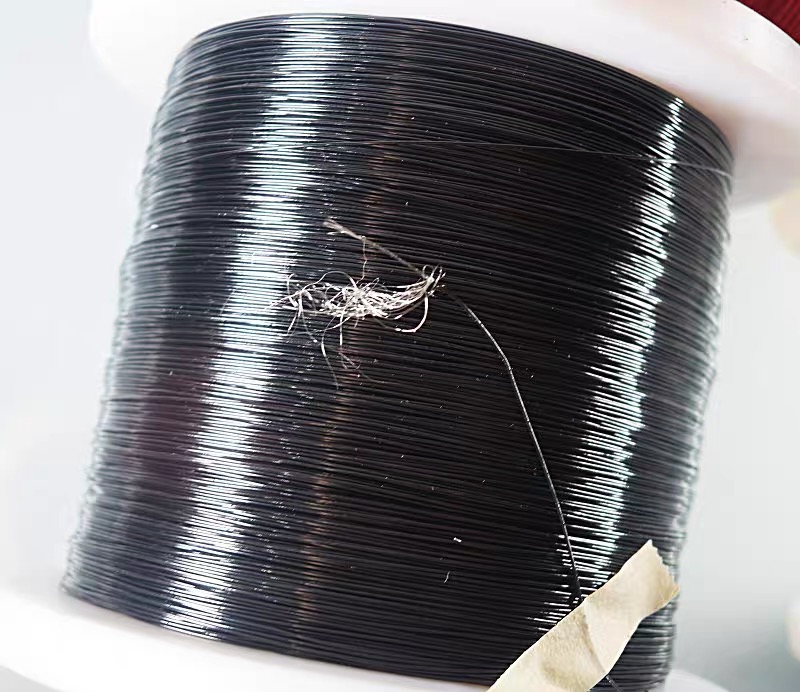
36AWG MINI COAXIAL CABLE 50ohm Impedance 0.5mm Shielded Wire Very Fine Shielding Cable

Large Power Cooling Plate Heatsink Module
Heavy Thermal

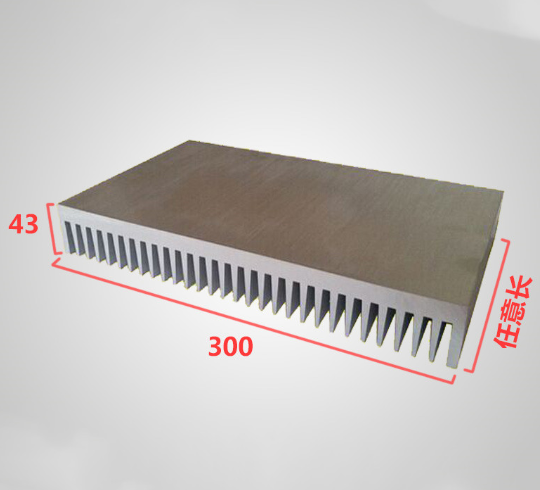
Cooling Plate 300*43*100/200/300mm Aluminum Radiator Width 300 High 43 Heat Sink Cooler Module

Heatsink Cooling Fin Aluminum Radiator
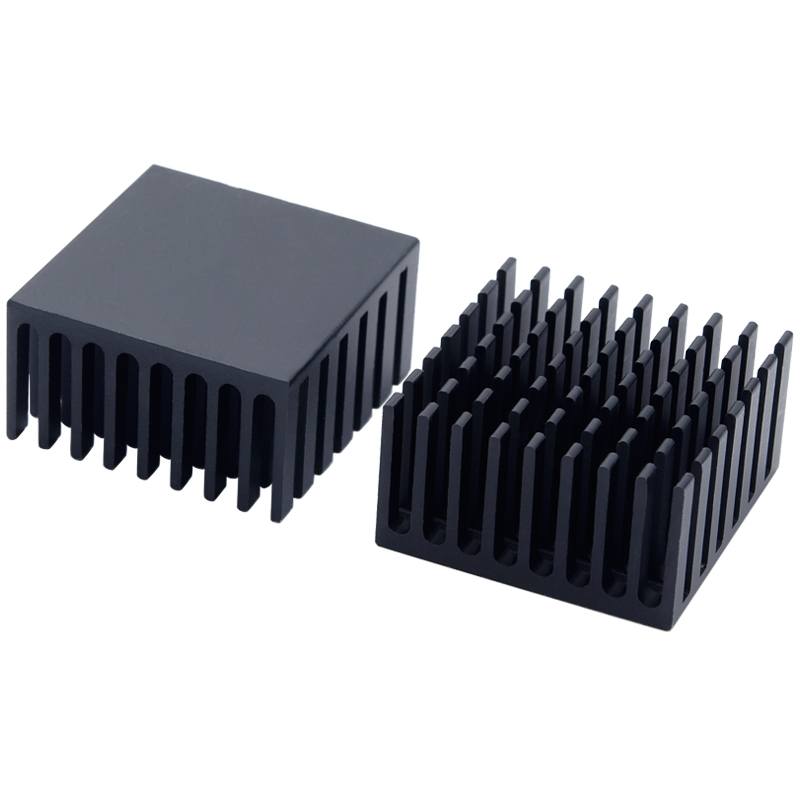
IC Thermal Dissipation

28*28*15mm Heatsink Cooling Fin Aluminum Heat Sink Radiator Cooler for Graphic Black 28X28X15mm

Engineering Whitepaper & Technical Foundation

Polyester (PET) vs Polycarbonate (PC) in Custom OEM Switches

Why leading aerospace, medical diagnostics, and rugged industrial machinery OEM designers specify Biaxially Oriented Polyethylene Terephthalate (PET) over standard polycarbonate substrates.

Flexural Fatigue Endurance

Polyester films (e.g., Autotex, Melinex, MacDermid Autotype) exhibit exceptional flexural memory. When embossed for tactile polydomes or cycled continuously above metal domes, PET tolerates over 5,000,000 actuation cycles without micro-fracturing or dome collapse, compared to Polycarbonate which experiences fatigue failure near 100,000 cycles.

  • 5M+ Actuations
  • Zero Micro-Cracking
  • Elastic Recovery

Chemical & Solvent Resistance

In medical labs, military avionics, and petroleum automation, front overlays face aggressive washdowns. Polyester provides an impermeable chemical barrier against isopropyl alcohol, harsh detergents, hydraulic oils, dilute acids, and sanitizing bleaches, preventing surface swelling, delamination, and optical clouding.

  • IP67 / NEMA 4X Sealed
  • IPA & Bleach Proof
  • Autoclave Tolerant

Dimensional & Thermal Stability

Heat-stabilized PET films resist thermal shrinkage down to less than 0.1% at 150°C. This ensures high-density silver circuit conductor traces remain in exact micron alignment with bottom contact pads and embedded surface-mount LEDs without registration drift across wide operating envelopes (-40°C to +85°C).

  • -40°C to +85°C Operating
  • 0.1% Thermal Shrinkage
  • Pitch Precision ±0.05mm
Performance Characteristic Polyester (PET - Biaxially Oriented) Polycarbonate (PC) OEM Selection Recommendation
Mechanical Switch Life (Actuations) > 5,000,000 actuations ~ 100,000 actuations Specify PET for all dynamic keys, tactile domes, and high-duty switches.
Chemical / Solvent Immersion Excellent resistance to MEK, alcohols, cleaning agents, fuel Poor; prone to stress crazing and hazing when exposed to solvents PET is mandatory for medical instrumentation, food processing, and marine applications.
Embossability & Tactile Retention Outstanding tactile snap retention with heat-stabilized tool sets Sharp initial emboss, but suffers deformation and creep over time PET maintains snap ratio (>45%) across lifetime cycling.
Tensile Strength (Yield) 150 – 210 N/mm² (Extremely high tear resistance) 60 – 70 N/mm² PET resists tool rupture during high-impact switch punching and die-cutting.
Environmental Ingress Protection (IP) Easily bonded to 3M 467MP/468MP/VHB to achieve IP65, IP67, IP68 Moderate; adhesive bonding degrades under solvent seepage PET provides continuous hermetic sealing for outdoor industrial enclosures.
Multilayer Stack Anatomy

6-Layer Standard Construction of an Industrial Membrane Switch

01

Graphic Overlay Layer

Autotex XE / F150 / F200 polyester printed second-surface (reverse printed) with UV-cured or solvent inks. Colors and legends are protected beneath the clear PET barrier, completely shielded from exterior abrasion and UV yellowing.

02

Overlay Adhesive Layer

3M 467MP (2 mil) or 3M 468MP (5 mil) high-performance acrylic adhesive die-cut to eliminate dead space, venting moisture channels toward rear atmospheric release membranes.

03

Dome Retainer & Spacer Layer

Heat-stabilized PET spacer (0.075mm to 0.125mm) engineered with precision routing pockets to firmly entrap nickel-plated or gold-plated stainless steel metal tactile domes without lateral drift.

04

Tactile Metal Dome Array

Four-leg, round, or oblong stainless steel domes providing crisp actuation force (250g to 500g) and distinctive acoustic tactile feedback with contact bounce typically under 5ms.

05

Circuit Layer (Screened or FPC)

High-conductivity polymer thick-film silver ink with carbon overcoat protection against silver ion migration, or polyimide flexible printed circuits (FPC) with gold/nickel plating for ultra-fine pitch.

06

Rear Mounting Adhesive & Tail

Subsurface 3M acrylic adhesive tailored to substrate energy (plastic enclosures, cast aluminum, or powder-coated steel) with gold-plated FCI/Amphenol or Nicomatic pitch connectors.

Onsite-Verified Manufacturing Authority

Why Global Tier-1 Brands Source Through Shenzhen Mivo Electronics

Combining precision screen-printing craft with end-to-end PCBA assembly, sensor engineering, and component distribution under one roof in Shenzhen's core electronics industrial zone.

2016
Established Year
8+
Years Alibaba Verified
4.7 / 5
Buyer Satisfaction
5 Pcs
Min. Prototype PCBA
51-100
Technical Personnel

One-Stop Electronics Manufacturing: Zero Silos, Direct Accountable Engineering

Most membrane switch factories are pure printing shops that cannot handle active electronics, causing foreign buyers to juggle different suppliers for overlays, rigid PCB motherboards, custom cable harnesses, and thermal heatsinks. Shenzhen Mivo Electronics Co., Ltd. eliminates multi-vendor fragmentation.

Headquartered in Yuanshan Street, Shenzhen, our facility has passed strict onsite verifications by independent third-party assessment agencies. We unify membrane switch manufacturing with advanced SMT PCBA lines, SMT stencils, aluminum core thermal plates, and custom sensory probe manufacturing.

  • Total SMT & Rigid-Flex Integration: Direct soldering of surface-mount bi-color LEDs, photo-sensors, miniature resistors, and zener diodes directly onto FPC or rigid FR-4 backplanes.
  • Guaranteed Shenzhen Component Traceability: Immediate access to the Huaqiangbei / Pearl River Delta component chain, ensuring zero counterfeit parts, validated BOM cross-referencing, and rapid factory pricing.
  • 100% In-House Electrical & Environmental Testing: Contact resistance verification (<100Ω), insulation resistance testing (>100MΩ at 100V DC), high-potential dielectric breakdown testing, and pneumatic life-cycling.

Onsite Factory Quality Assurance

Every custom polyester membrane switch, sensor array, and PCBA assembly undergoes rigorous quality control under ISO9001 certified workflows:

Automatic Optical Inspection (AOI)
Screen registration checked to within ±0.03mm. No ink pinholes, silver bridging, or trace necking.
Tactile Snap Ratio Dynamometer
Computerized actuation curve logging ensuring consistent feedback across all array positions.
Thermal & Humidity Environmental Aging
Tested at 85°C / 85% RH for 240 hours to guarantee anti-silver migration and zero layer delamination.
Strategic Sourcing Intelligence

Future Procurement Trends in Membrane Switches & HMIs

How international procurement directors, supply chain managers, and hardware architects are redesigning their bill of materials and factory partnerships for the next 5 years.

1. Total Turnkey Sub-Assembly Procurement

Procuring raw membrane panels independently and assembling them onto metal brackets, LCDs, and controller PCBs internally is no longer cost-effective for European and North American OEMs. Procurement teams now mandate complete box-build modules directly from Chinese exporters. Mivo Electronics integrates the polyester graphic switch onto CNC-machined aluminum or ABS plastic bezels, plugs in custom cable assemblies (such as fine 36AWG coaxial wiring), bonds heatsinks, and performs full firmware programming before shipping.

2. Silver Sintering & Carbon Overcoat Mandates

With escalating global silver commodity costs and elevated operating voltages in DC fast chargers, power equipment, and solar inverters, procurement departments are enforcing strict manufacturing rules against silver migration. Specifying high-viscosity conductive carbon paste overcoats across all silver interconnections and choosing heat-cured polymer thick films protects traces from electrolytic dendrite short-circuits under high electrical stress and extreme atmospheric humidity.

3. Agile Prototyping & Low-MOQ Validation Cycles

Traditional Tier-1 contract manufacturers frequently require minimum order quantities (MOQs) of 5,000 to 10,000 units, stifling hardware innovation. Future procurement protocols prioritize flexible factories capable of delivering production-grade prototypes from just 5 to 10 pieces for clinical testing, field trials, and crowdfunding pilots, followed by rapid scale-up to 100,000+ units without requiring new production tooling investments.

4. Digital UV Direct Printing + Screen Mesh Hybrid

High-mix low-volume (HMLV) sourcing requires visual customization without costly photographic screen tooling. Leading factories utilize high-resolution industrial UV flatbed digital printers for multi-gradient overlays and serialized graphic panels, combined with precision flatbed screen printing for high-conductivity silver tracks, reducing tooling setup time from 14 days down to 48 hours.

Frontier Engineering

Technological Innovations Reshaping Polyester Membrane HMIs

The convergence of capacitive sensing, advanced light-guide films, antimicrobial surface chemistry, and in-mold electronics (IME).

Ultra-Thin Light Guide Film (LGF) Backlighting

Legacy membrane backlighting relied on electroluminescent (EL) lamps—which degrade within 3,000 operating hours—or bulky fiber optics. Modern polyester switches integrate ultra-thin 0.125mm to 0.25mm Light Guide Films (LGF). Precision micro-dots etched onto optical-grade PET direct light from side-firing SMT LEDs evenly across custom icons and logos. LGF backlighting draws minimal power, adds virtually no thickness, exhibits an operating life exceeding 50,000 hours, and avoids electromagnetic emissions (EMI).

Capacitive Touch on Polyester & Hybrid Touch

Rather than relying solely on mechanical metal dome actuation, medical and high-end consumer appliances increasingly feature capacitive sensing electrodes printed directly onto heat-stabilized polyester films. Combining capacitive slider bars with physical tactile click-keys on a single unified PET substrate gives operators the sleek look of modern glass panels paired with the fail-safe tactile feedback essential for blind operator adjustments.

Antimicrobial & Anti-Glare Nanocoatings

Post-pandemic healthcare standards demand active antimicrobial defense on patient-monitoring panels, infusion pumps, and surgical suites. Chemical manufacturers formulate silver-ion and nano-titanium coatings directly into the exterior polyester film matrix (such as Autotex AM). This permanently inhibits 99.9% of bacterial colonization (MRSA, E. Coli) over the product's entire mechanical lifespan without washing off during continuous hospital disinfection.

In-Mold Electronics (IME) & 3D Structural HMIs

The boundaries between planar graphic switches and structural plastic enclosures are fading. By thermoforming printed conductive silver traces on polyester film and injection molding structural resin directly over the back, In-Mold Electronics (IME) eliminates internal wiring, screws, and circuit boards. This delivers a single lightweight 3D-molded console for automotive steering wheels, aerospace cockpits, and IoT smart home controllers.

Engineering Knowledge Base

Frequently Asked Questions on Polyester Membrane Switches

Clear, highly technical answers addressing DFM rules, environmental sealing, adhesive selection, electrical tolerances, and global shipping logistics.

Why should an OEM specify Polyester (PET) over Polycarbonate (PC) for tactile membrane switches?
Polyester features superior tensile strength and flexural fatigue endurance exceeding 5,000,000 actuation cycles without cracking, while Polycarbonate frequently fails from material fatigue around 100,000 actuations. Furthermore, PET is practically inert to aggressive chemicals, alcohols, sanitizing bleaches, and hydraulic oils, preventing swelling, delamination, and surface crazing. While PC offers easier initial thermoforming, heat-stabilized PET (Autotex/Melinex) is the proven industry standard for industrial controls, medical devices, and harsh outdoor environments.
What are the standard electrical parameters and conductor ratings for your silver-printed PET circuits?
Our standard screen-printed silver ink circuits on heat-stabilized polyester film conform to the following specifications:
  • Operating Voltage: 1.0 V DC to 50 V DC (Maximum 30V AC RMS)
  • Switching Current: 10 µA to 100 mA resistive load
  • Contact Loop Resistance: Under 100 Ω (custom ultra-low resistance under 10 Ω achieved with wider traces, heavier silver laydown, or copper FPC substrates)
  • Contact Bounce: Typically under 5 milliseconds (compatible with modern microcontroller de-bounce routines)
  • Insulation Resistance: Greater than 100 MΩ at 100 V DC between adjacent conductor lines
  • Dielectric Breakdown: Withstands up to 250 V RMS (50Hz/60Hz) without arc-over
How do you achieve reliable IP65, IP67, and IP68 waterproof ratings for outdoor and marine applications?
Environmental sealing is achieved through a combination of engineering steps: First, we utilize premium continuous perimeter adhesive gaskets (3M 467MP, 468MP, or thick 3M VHB closed-cell foam) that completely surround switch cavities and tail traces. Second, atmospheric venting channels are routed internally between keys or through a hydrophobic, oleophobic Gore-Tex membrane vent on the rear housing to equalize pressure during temperature swings without allowing moisture ingress. Third, tails can be potted with silicone or UV-cure polyurethane at the exit aperture.
What tactile dome options are available, and what actuation forces can be customized?
We provide two primary tactile architectures:
  1. Stainless Steel Metal Domes: Gold-plated or nickel-plated 4-leg, round, or triangle domes with actuation forces ranging from 180g (light laboratory touch) to 280g, 350g, 420g, and up to 500g (heavy tactile feedback for gloved operators in agricultural or military vehicles). These deliver crisp click ratios (>40%) and an operating life exceeding 1,000,000 to 5,000,000 clicks.
  2. Formed Polyester Polydomes: Embossed directly into the PET film layer via temperature-controlled male/female steel tooling. Actuation forces typically range from 200g to 350g, eliminating separate metal components for a cost-effective, corrosion-free contact structure.
Which design files are required to initiate an engineering review and DFM quote?
To rapidly quote and verify your design against Design For Manufacturing (DFM) rules, please provide:
  • Graphic Artwork: Adobe Illustrator (.AI), CorelDraw (.CDR), Vector PDF, or DXF showing all Pantone/RAL color codes, key embossing outlines, clear or tinted display windows, and graphic dimensions.
  • Circuit Schematic & Routing: DXF, DWG, or Gerber (RS-274X) files showing circuit traces, connector pinouts, LED locations/polarities, dome positions, and tail dimensions.
  • Mechanical Stack-up Drawing: Detailing total thickness, adhesive types (e.g., 3M 468MP), cutouts, and rear housing material.
  • Target Quantity: Prototyping volume (from 5 pcs) through mass production forecast.
Can Shenzhen Mivo Electronics integrate rigid PCB backplanes, sensors, and cables into a single module?
Yes. This is our core competitive advantage over traditional membrane printers. We run automated surface-mount assembly (SMT) lines to populate rigid FR-4 PCBs or aluminum core boards with microcontrollers, connectors, and passive components. We then laminate your custom polyester membrane switch directly onto the rigid board, connect custom sensors (such as our PT100 RTD probes or ultrasonic modules), plug in custom wiring harnesses (like 36AWG micro coaxial lines), and test the fully assembled HMI before ESD packing.
What methods are used to prevent silver migration and dendrite growth in high-humidity operating environments?
Silver migration occurs when moisture condenses across energized silver traces, causing silver ions to dissolve and grow conductive dendrites that eventually short circuit adjacent traces. We mitigate this through three proven engineering measures: First, maintaining minimum trace pitch spacing of 0.8mm (or upgrading to 1.25mm under higher voltages). Second, screen printing a complete dielectric and conductive carbon paste overcoat atop all silver lines and contact pads to isolate silver from moisture. Third, utilizing vacuum-laminated adhesive spacer packages with internal moisture absorption packets and perimeter hermetic sealing rings.
What connector interfaces and tail terminations are available for your flexible tails?
We support multiple industrial termination standards:
  • Crimped Connector Housings: Female contacts crimped through the PET film into 2.54mm (0.100") or 1.27mm (0.050") pitch housings from Nicomatic, FCI Clincher, or Amphenol. Available with latching mechanisms and polarization keys.
  • Zero Insertion Force (ZIF) Tails: Bare conductive silver/carbon or gold-plated copper leads with laminated polyimide stiffeners on the back, compatible with standard ZIF/LIF zero-insertion force surface-mount PCB sockets.
  • Direct Solder SMT Pins: Reinforced solderable pins for direct wave soldering or manual integration into mainboards.

Start Your Custom OEM Polyester Switch Project Today

Partner directly with Shenzhen Mivo Electronics—onsite-verified manufacturer for rapid DFM analysis, quick 5-piece functional prototypes, competitive BOM cost structures, and complete turnkey PCBA/HMI production.