Shenzhen Mivo Electronics Co., Ltd.
PCB Fabrication · Turnkey PCBA · Component Sourcing · Custom Sensors [email protected]
Engineering Whitepaper & OEM Sourcing Guide

OEM/ODM Custom Graphic Overlay Factories & Supplier

High-precision human-machine interface solutions, advanced membrane switch integration, surface chemistry formulations, and turnkey industrial electronic components manufactured in Shenzhen.

Integrated Hardware Portfolio

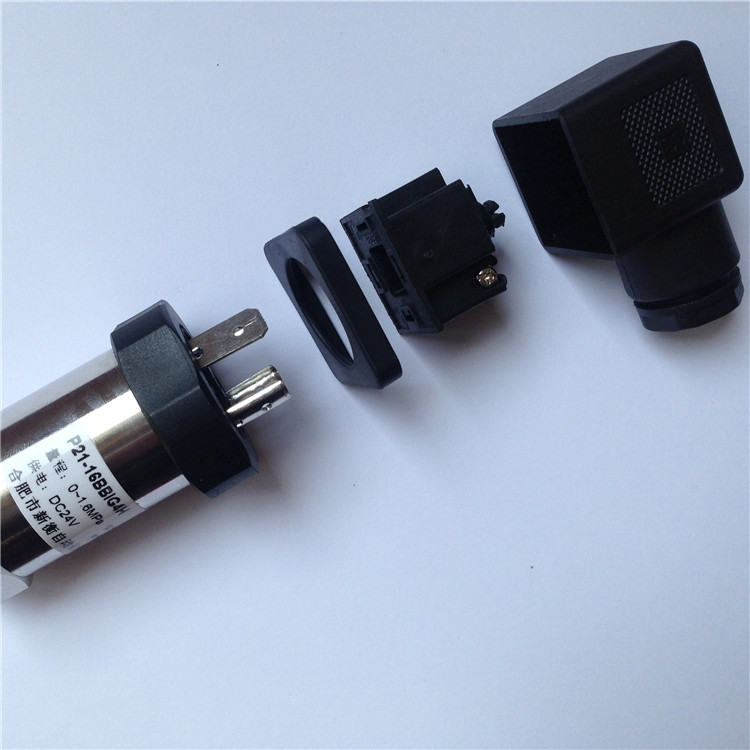
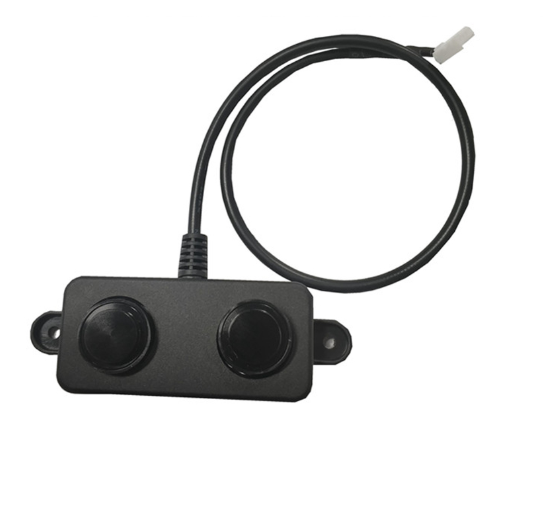
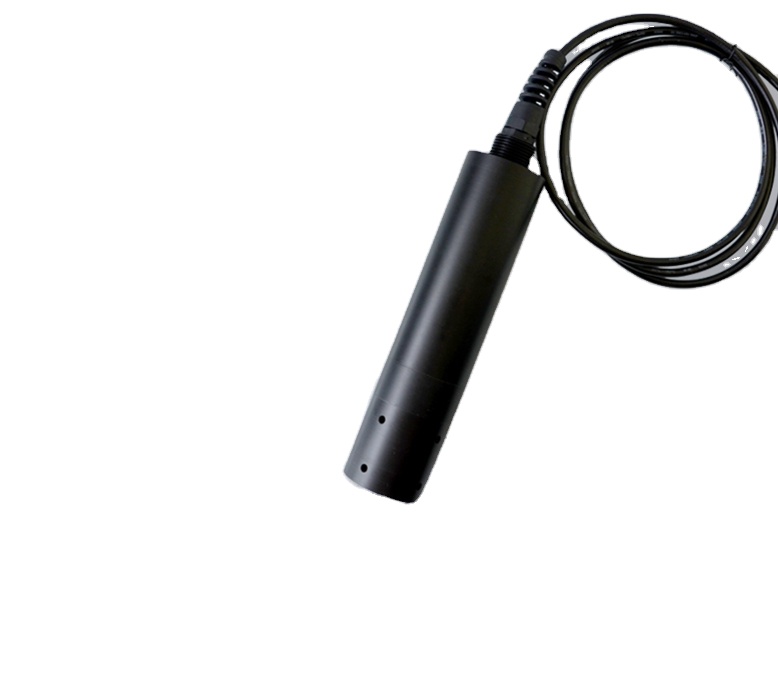
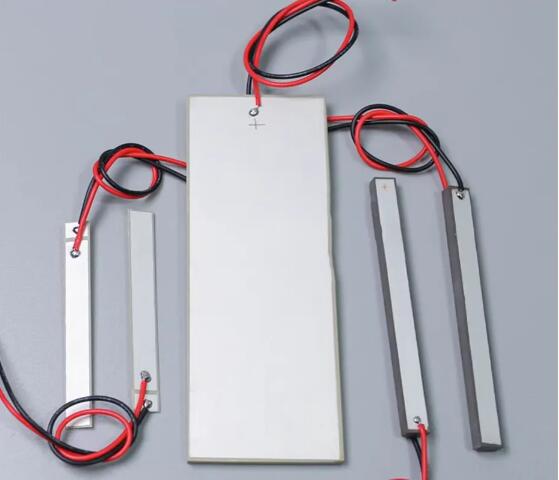
Precision Modules, Sensors & Embedded Enclosure Components

Discover our industrial-grade sub-assemblies built to integrate seamlessly behind custom graphic overlays, front panels, and intelligent control instrumentation.
Enterprise Manufacturing Capabilities

Engineered Reliability from Prototype to High-Volume Turnkey

Headquartered in Shenzhen, Guangdong, Shenzhen Mivo Electronics Co., Ltd. is an onsite-verified manufacturer offering turnkey PCBA, precision membrane panels, custom sensors, and specialized electro-mechanical hardware for global OEMs.

2016
Established Year
8+ Yrs
Global Export Track
4.7 / 5
Buyer Satisfaction
5 Pcs
Low MOQ Prototyping
100%
DFM & QA Screening

Sub-Surface Printing & Materials

We utilize premium Autotex® polyester (PET) and Lexan™ polycarbonate (PC) substrates. Screen and high-definition digital graphics are printed on the sub-surface layer, safeguarding inks against abrasions, harsh sanitizers, petrochemicals, and UV fading.

Turnkey Electronics Integration

Moving beyond decorative fascia, our engineering facility merges custom graphic overlays directly with bare PCB fabrication, flexible printed circuits (FPC), SMT component mounting, tactile stainless steel domes, and back-mounted acoustic sensors.

Certified Industrial Ingress (IP67)

Employing precision die-cut 3M™ VHB™ acrylic adhesives, high-density silicone gaskets, and perimeter barrier seals, our overlays provide robust IP65, IP67, and NEMA 4X ingress protection against moisture, hydraulic fluids, and micro-particulates.

Comprehensive Procurement Whitepaper

Engineering Specifications, Material Selection & Future Market Trends

A technical evaluation of substrate mechanics, tactile switch integration, optical window treatments, and next-generation smart interface procurement trends for global OEMs.

Substrate Material Flexural Fatigue Life Chemical & Solvent Resistance Thermal Deflection Rating Optimal OEM Applications
Biaxially-Oriented PET (Autotex) Exceeds 5,000,000 actuations Immune to alcohols, ketones, and household cleaners -40°C to +85°C continuous Medical diagnostics, cleanrooms, high-cycle industrial HMI
Polycarbonate (SABIC Lexan) Moderate (~100,000 cycles) Susceptible to aromatic solvents and high alkaline agents -40°C to +125°C intermittent Appliance front fascias, flat instrument clusters, deadfront panels
Chemical-Resistant Polyimide Exceeds 10,000,000 actuations Superior against hydrocarbons and corrosive acids -60°C to +150°C continuous Automotive engine bays, aerospace cockpits, extreme drilling controls
Anti-Microbial Hardcoated Film Exceeds 3,000,000 actuations High resistance to hospital-grade sterilization washes -30°C to +80°C continuous Clinical touchscreen overlays, ICU monitors, laboratory equipment

Future Trend: In-Mold Electronics (IME)

The industry is transitioning rapidly from flat two-dimensional overlays to 3D formed In-Mold Structural Electronics (IMSE). By screen printing conductive silver traces, capacitive touch electrodes, and surface-mount LEDs directly onto the overlay film before thermoforming and injection molding, OEMs achieve ultra-thin, lightweight, and hermetically sealed monolithic structures that eliminate secondary mechanical assembly.

Procurement Trend: Supply Chain Consolidation

Tier-1 procurement teams are phasing out multi-vendor fragmentation. Sourcing graphic overlays from print shops, bare PCBs from board houses, and cable harnesses from third parties introduces compounding dimensional tolerance stack-up risks. Mivo Electronics solves this by operating as a centralized turnkey partner in Shenzhen, consolidating substrate printing, metal dome array lamination, PCB assembly, and sensor integration under a single quality audit.

Optical Window & Deadfront Innovation

Modern human-machine interfaces require deadfront graphic printing where indicator icons and warning labels remain completely invisible until backlit by low-profile surface-mount LEDs. Combining precision-tinted translucent inks with anti-glare, anti-reflective (AG/AR), and anti-fingerprint hydrophobic nano-coatings ensures full legibility under direct sunlight without compromising scratch resistance.

Procurement FAQ

Frequently Asked Technical Questions

Everything sourcing managers and hardware design engineers need to know when commissioning custom graphic overlays and integrated interface sub-assemblies.

What are the primary differences between Polyester (PET) and Polycarbonate (PC) graphic overlays?
Polyester (such as Autotex PET) delivers exceptional flexural endurance, enduring over 5,000,000 actuation cycles without micro-cracking or switch embrittlement. Furthermore, PET exhibits superior resistance against aggressive chemical solvents, industrial degreasers, and medical sanitizers. In contrast, Polycarbonate (such as SABIC Lexan) provides outstanding optical clarity, ease of 3D thermoforming, and natural flame retardancy (UL94 V-0 options), making it ideal for non-flexing front fascias, deadfront displays, and cost-efficient instrumentation housings.
How does your factory ensure IP65/IP67 ingress ratings on overlay assemblies?
Waterproof and dustproof ingress ratings are governed by our adhesive engineering and perimeter seal architecture. We partner with 3M™ to deploy application-specific pressure-sensitive transfer tapes (e.g., 3M 467MP, 468MP, and 300LSE for low surface energy plastics). By executing continuous perimeter adhesive gaskets, eliminating edge air pockets, and engineering internal pressure-equalization venting chambers that vent inward toward dry electronics, our custom graphic overlays achieve certified IP65, IP66, and IP67 barrier performance.
What tactile feedback mechanisms can be integrated into custom graphic overlays?
We offer four primary tactile configurations: 1) Non-tactile flat membrane switches suited for capacitive sensing or high-washdown environments; 2) Embossed graphic overlays (rim embossing, pillow embossing, or plateau embossing); 3) Stainless steel snap domes (ranging from 6mm to 20mm with actuation forces between 200g and 500g) for crisp, crisp tactile actuation; and 4) Polydome forming directly embossed into the conductive circuit film.
What technical design files and artwork specifications are required to initiate production?
To initiate manufacturing without delay, buyers should supply vector-based graphic artwork (Adobe Illustrator .AI, EPS, or vector PDF) with all typography converted to outlines and color callouts specified in Pantone (PMS) or RAL formulas. For mechanical cutouts, embossing heights, and adhesive boundaries, a 2D mechanical CAD drawing (DXF or DWG) is necessary. If your project includes embedded electronics, flexible circuits, or PCB sub-assemblies, please submit the Gerber RS-274X dataset alongside a comprehensive Bill of Materials (BOM).
Can Shenzhen Mivo Electronics manufacture low-volume prototypes before serial production?
Yes. Supporting fast-iteration hardware development, our prototype cell handles custom graphic overlays and turnkey PCBA builds starting from just 5 to 10 pieces. We utilize digital UV flatbed printing and precision laser cutting to eliminate costly initial tooling dies during early design validation phases. Once form, fit, and electrical functionality are verified, we transition smoothly to semi-automated silkscreen printing and hardened steel die-cutting for volume production.
What quality control protocols are implemented prior to export dispatch?
Every custom graphic overlay and assembled interface panel undergoes rigorous multi-stage quality verification: spectrophotometer color matching (Delta E < 1.0), microscopic registration alignment checks, cross-hatch ink adhesion testing (ASTM D3359), switch contact resistance and loop impedance testing, dome actuation lifespan cycling, and optical window clarity evaluation. All shipments are vacuum packed with ESD-shielded materials and desiccants to maintain pristine adhesive integrity worldwide.

Accelerate Your HMI & Custom Overlay Development Today

Connect directly with our Shenzhen manufacturing engineers. We will analyze your vector artwork, Gerber stack-up, and environmental specifications to provide an optimized DFM report and transparent quotation within 24 hours.

Contact Us