OEM/ODM Membrane Keyboard Manufacturers & Exporter
Precision Engineering, Multi-Layer Tactile Integration, Turnkey Electronic Sub-Assemblies & Global Compliance
Integrated Ecosystem Offerings
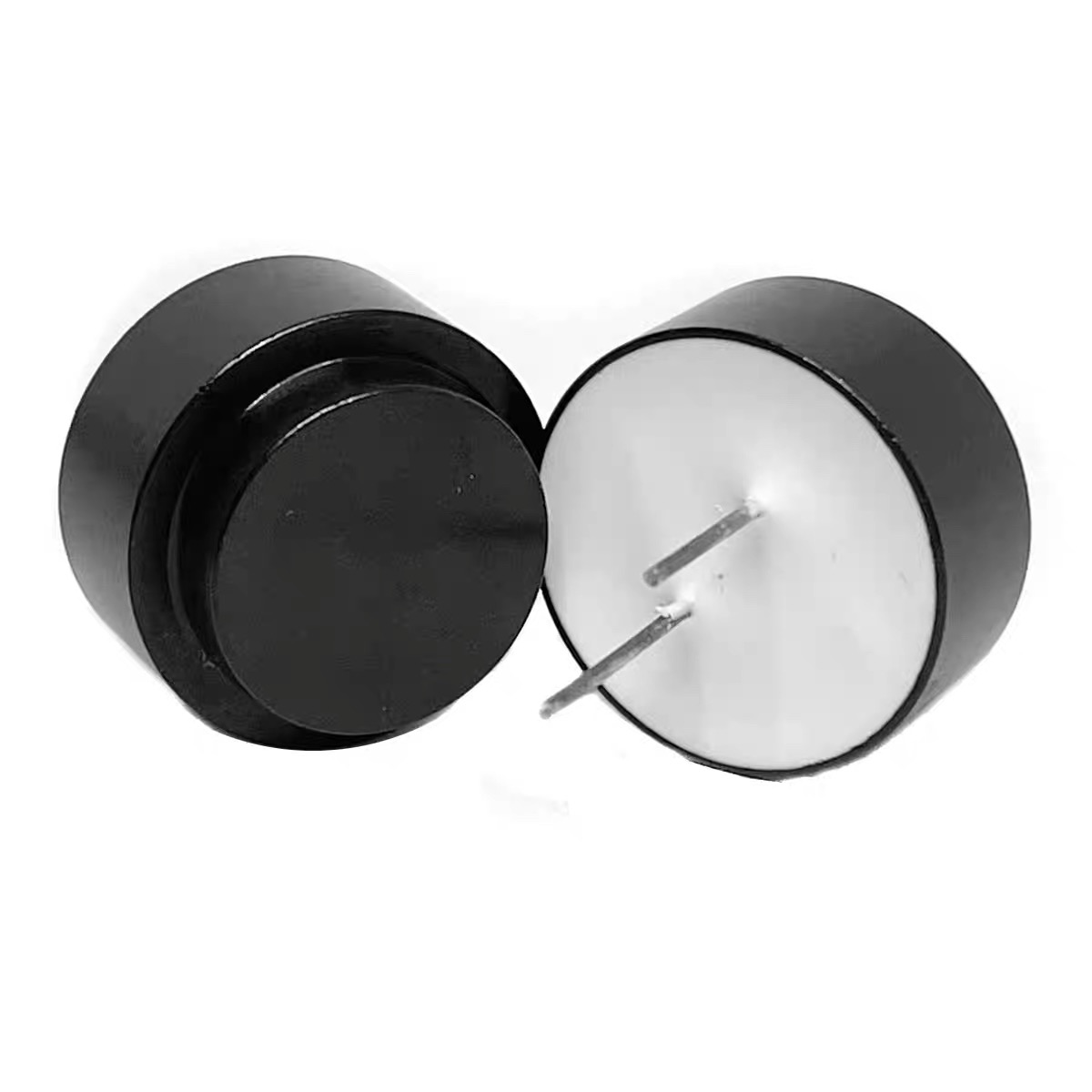
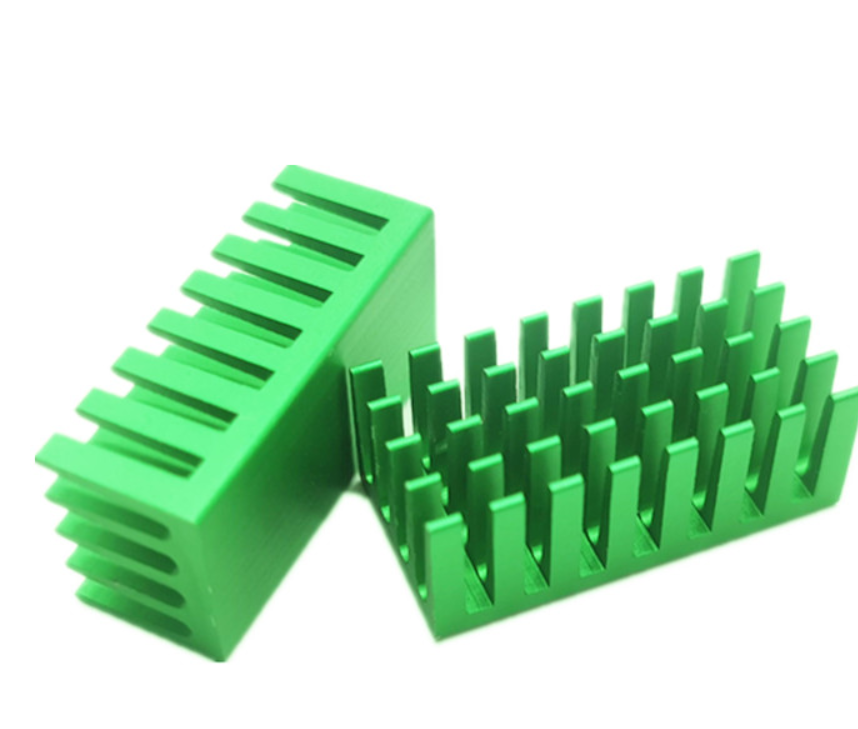
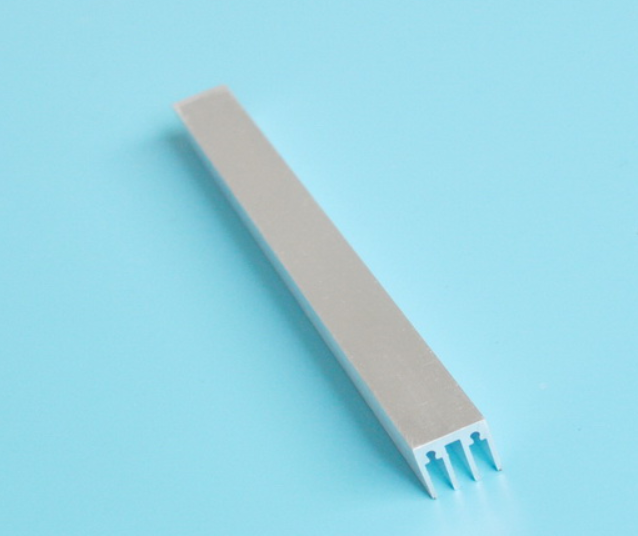
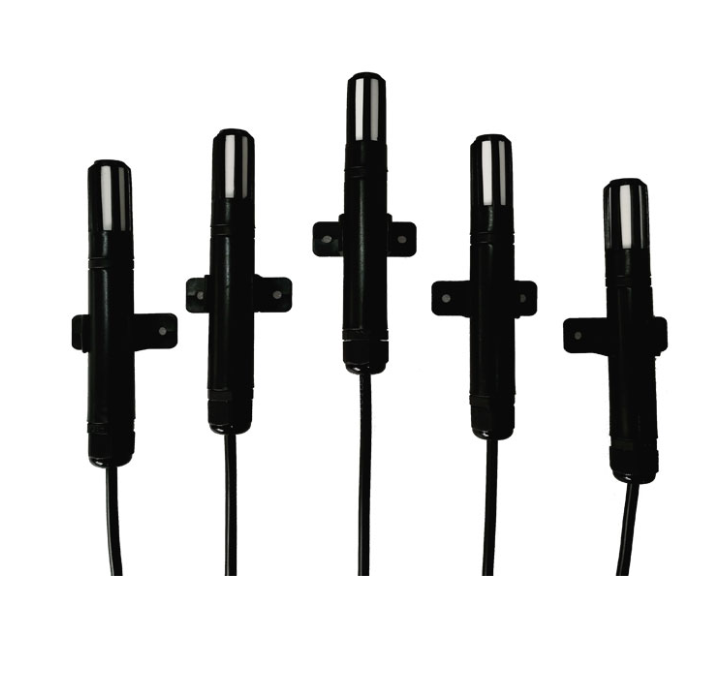
Featured Hardware, Sensor Probes & Interface Modules
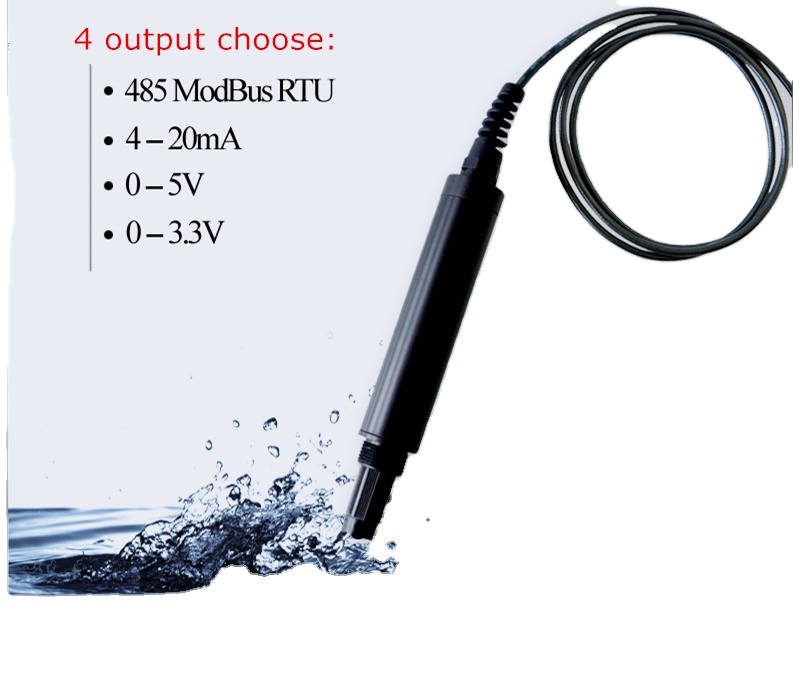
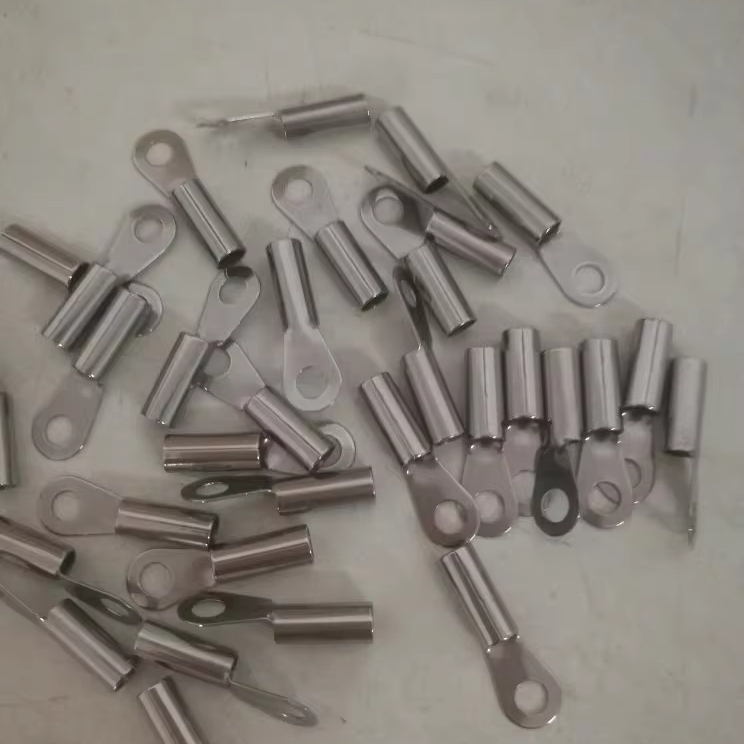
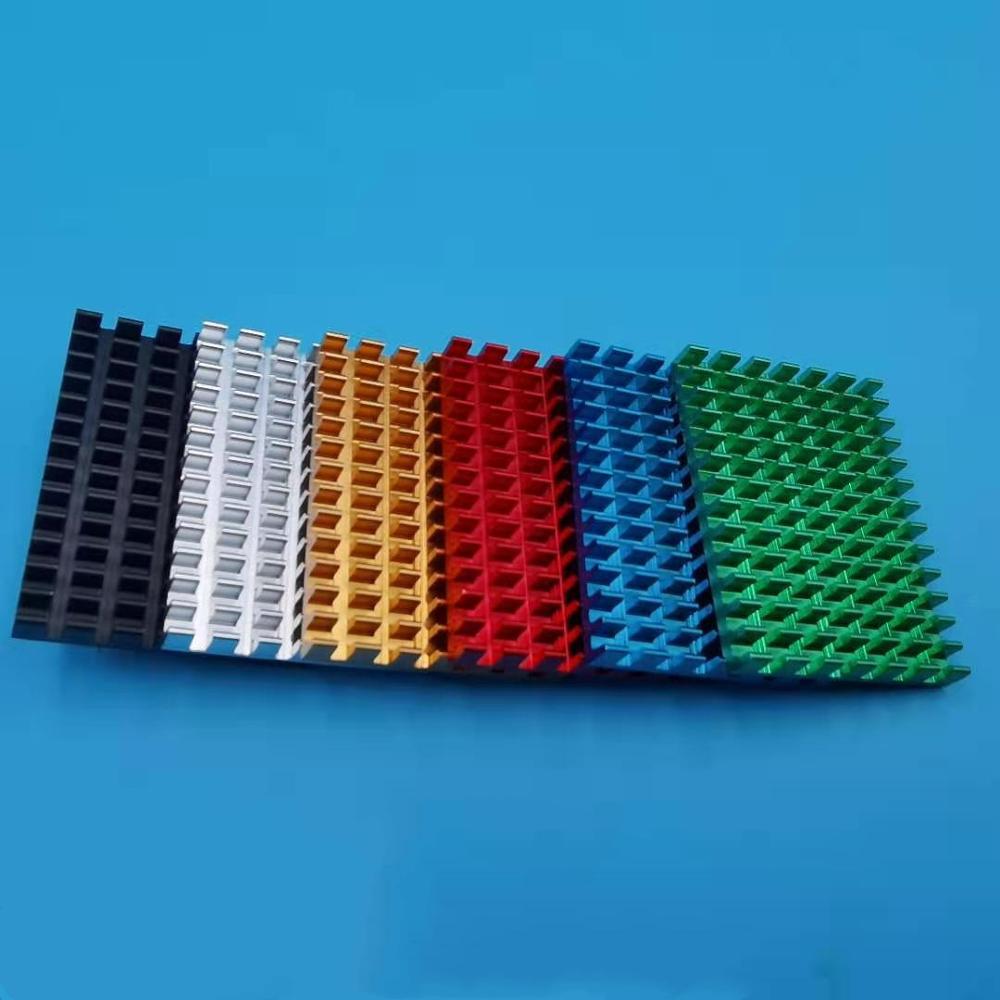
Discover our primary line of industrial-grade components, thermal management hardware, and precision sensing switches engineered to interface seamlessly with our OEM membrane keypad architectures.
Factory Credibility & Scale
Shenzhen Precision Manufacturing & Global Export Competence
Strategically rooted in the world's most dynamic electronics cluster in Shenzhen, Shenzhen Mivo Electronics Co., Ltd. delivers vertically integrated manufacturing spanning precision membrane switches, custom HMI interface assemblies, rigid-flex circuitry, and turn-key electronic integration.
Onsite-Verified Factory
Certified through rigorous third-party auditing and Alibaba onsite verification. Backed by 8 consecutive years of premier export operations with an average verified buyer rating of 4.7/5.
Rapid Turnkey PCBA & HMI
True one-stop agile manufacturing under a single engineering roof. We eliminate multiple vendor dependencies by pairing bare PCB fabrication, component sourcing, SMT assembly, and overlay die-cutting.
Extreme MOQ Flexibility
Prototype validation runs starting from just 5 pieces for PCBA assemblies and low-volume pilot batches for membrane keypad overlays. Seamless scaling into mass serial production lines.
Comprehensive BOM Verification
Direct factory supply chain purchasing ensures authentic components. In-house DFM reviews, footprint verification, obsolete part cross-referencing, and automated optical inspection guarantees zero-defect deliveries.
2016
Established Year
8+
Years Global Export
4.7/5
Buyer Satisfaction
5 pcs
Low Prototyping MOQ
100%
Electrical Pre-Tested
Technology Whitepaper
Engineering Membrane Keyboards: Architecture & Industrial Trends
Membrane switches have evolved beyond basic low-voltage contacts. Today's mission-critical Human-Machine Interfaces (HMI) incorporate advanced polymer thick-film printing, embedded silicon micrologic, capacitive sensing, and ruggedized environmental sealing.
Material Science
Substrate & Overlay Optimization
Modern membrane assemblies demand rigorous chemical, UV, and mechanical fatigue resistance. Autotype textured polyester (PET) and polycarbonate (PC) are engineered to endure millions of actuations without surface embrittlement.
- Polyester (PET): Exceptional flexural fatigue endurance exceeding 5,000,000 cycles, high resistance to industrial solvents, aggressive detergents, and oils.
- Polycarbonate (PC): Superior optical clarity for display windows and LED backlighting; easy thermal embossing for tactile dome keys.
- Antimicrobial Coatings: Bio-compatible silver-ion overlays formulated specifically for medical respirators, patient monitoring, and food handling consoles.
Tactile Dynamics
Snap-Action Dome Engineering
Operator feedback is critical in high-vibration aerospace, marine, and factory environments. Modern membrane engineering matches actuation forces and travel distances precisely to the application scenario.
- Stainless Steel Snap Domes: Provide crisp tactile response, trip forces ranging from 250g to 500g, and high thermal stability from -40°C to +85°C.
- Polyester Embossed Domes: Cost-effective tactile solutions integrated directly into the overlay layer, offering smooth tactile feel and low acoustic noise.
- Silicone Rubber Keypad Integration: Combines full-travel 3D elastomer keys with membrane contact circuits for rugged field machinery.
Electromagnetic & Optical
Shielding, Illumination & Smart Edge Integration
Contemporary membrane keyboards operate in noisy electrical environments and low-visibility conditions, requiring integrated EMI/ESD shielding grids and unified backlighting strategies.
- ESD/EMI Shielding: Printed carbon/silver shielding grids and solid aluminum foil layers divert electrostatic discharge up to 15kV away from delicate control ICs.
- Backlighting Solutions: Side-lit ultra-thin LED light guides, fiber optic planar weaves, and integrated capacitive backlights provide uniform illumination at minimal power draw.
- Rigid PCB Backer Integration: Combining membrane tactile switches directly with FR-4 or aluminum PCB backings enables surface-mounted connectors, microcontrollers, and communication drivers (RS-485, USB, CAN-bus).
Strategic Sourcing Guide
Future Procurement Dynamics: What Global Buyers Must Evaluate
Procurement specialists and engineering project managers are transitioning from transactional part purchasing toward systemic Total Cost of Ownership (TCO) optimization. Review key strategic evaluation criteria below.
| Evaluation Parameter | Legacy Sourcing Approach | Next-Generation OEM/ODM Procurement Standard | Impact on Reliability & Lifecycle |
|---|---|---|---|
| Circuit Architecture | Screen-printed silver ink tracks on standard PET film with high trace resistance. | Hybrid FPC (Flexible Printed Circuit) with etched copper conductors or rigid FR-4 PCBA backing. | Prevents silver migration in high-humidity climates, reduces line resistance, and allows micro-pitch BGA integration. |
| Ingress Protection | Standard perimeter acrylic adhesive gaskets (IP54 to IP65). | Continuous IP67/IP68 perimeter silicone or high-cohesion 3M 467MP/468MP LSE bonding with integrated breather vents. | Eliminates internal fogging during thermal cycling; withstands high-pressure washdowns in food & medical facilities. |
| Supply Chain Coupling | Buying keypads from vendor A, bare PCBs from vendor B, and contract assembly from vendor C. | Turnkey single-source delivery: Overlay + PCB + Component Mounting + Firmware Testing handled under one roof. | Reduces lead time by 30-45%, eliminates cross-vendor blame during warranty claims, and yields volume consolidation savings. |
| HMI Interactivity | Pure mechanical contact closures with external debouncing requirements. | Integrated Capacitive Touch combined with tactile keys, haptic actuator feedback, and smart display cutouts. | Delivers modern consumer-grade touch responsiveness while preserving safety-critical physical emergency cutoff triggers. |
Purchasing FAQ
Frequently Asked Technical & Sourcing Inquiries
Answers to common engineering and commercial questions compiled by our technical support team.
What engineering files are necessary to generate an accurate membrane keyboard tooling quote?
To provide a comprehensive DFM review and exact quotation, we recommend submitting: (1) Vector artwork for graphic overlays (Adobe Illustrator, PDF, or DXF with color callouts in Pantone/RAL); (2) Circuit layout drawings (Gerber RS-274X, DXF, or CAD schematic detailing pinout and switch matrices); (3) Mechanical stack-up specifications highlighting embossing profile, dome sizes, adhesive types (e.g., 3M 200MP series), and connector termination (FCI, Nicomatic, or bare solder tails).
How do you mitigate silver migration risks in harsh humid operational environments?
Silver migration typically occurs when moisture condenses across energized silver traces under DC bias. We mitigate this through three proven engineering approaches: (1) Printing dielectric overcoats with high thermal curing over all silver conductor lines; (2) Increasing spacing tolerances between positive and negative potentials; and (3) Recommending copper-etched Polyimide Flex Circuits (FPC) with carbon/gold contact plating for high-reliability medical and maritime installations.
Can you integrate embedded LEDs, resistors, and display driver ICs directly into the keypad?
Yes. We specialize in surface-mounting miniature 0603/0805 SMD LEDs, phototransistors, and current-limiting resistors directly on flexible polyester circuits using isotropic conductive adhesives and UV encapsulation. For assemblies requiring complex microcontroller logic, digital bus controllers (UART, RS485, USB), and multi-pin connectors, we integrate rigid FR-4 or aluminum PCB backplates directly behind the membrane interface.
What quality testing and validation protocols are executed prior to batch shipment?
Every custom membrane panel and associated PCBA undergoes 100% automated electrical testing using computer-controlled matrix testers verifying continuity, loop resistance (typically <100Ω), insulation resistance (>50MΩ at 100V DC), and contact bounce (<5ms). Mechanical life-cycle durability testers validate snap dome tactile retention beyond 1,000,000 actuations. Environmental chamber testing covers thermal shock (-40°C to +85°C) and constant humidity (95% RH at 40°C).