1. The Strategic Role of OEM/ODM Membrane Touch Panel Manufacturers
Human-Machine Interface (HMI) architectures have undergone radical transformations. Industrial automation engineers, medical device builders, and automotive Tier-1 suppliers are increasingly pivoting toward fully integrated Membrane Touch Panels. These hybrid assemblies bridge physical tactile response with modern Projected Capacitive (PCAP) or Resistive touch-sensing layers, mounted directly above complex printed circuit assemblies (PCBA). Selecting an onsite-verified OEM/ODM manufacturer is no longer simply about punching polyester sheets; it requires deep turnkey capability spanning bare printed board fabrication, surface mount assembly (SMT), flexible circuit (FPC) routing, hermetic perimeter sealing, and customized environmental sensor integration.
Shenzhen Mivo Electronics Co., Ltd. serves as an end-to-end design and manufacturing powerhouse. Located in the Yuanshan industrial corridor of Shenzhen, our vertically integrated model eliminates the engineering silos between physical graphic overlays, underlying flexible membrane switches, rigid multilayer motherboards, and bespoke peripheral sensors. By orchestrating everything from initial Gerber RS-274X design rule checks (DFM) through full functional testing under a single roof, we ensure impedance consistency, thermal balance, and uncompromising electromagnetic compatibility (EMC).
2. Deep Engineering Analysis: Substrates, Tactile Layers & Sensing Matrices
High-reliability membrane touch panels demand rigorous material science. Standard consumer devices often rely on basic vinyl or treated PVC, but industrial-grade OEM/ODM panels must withstand aggressive sanitizing chemicals, ultraviolet radiation, and millions of continuous actuations. The core architectural layers include:
Engineered Overlay Films
Autotex XE textured polycarbonates and optical-grade biaxially-oriented polyethylene terephthalate (BOPET) films with anti-glare, anti-microbial, and UV-stabilized surface chemistry.
Conductive Silver Traces & Domes
Polymer Thick Film (PTF) screen-printed silver networks paired with carbon overcoats to prevent silver migration. Accompanied by four-leg stainless steel tactile domes rated up to 5,000,000 cycles.
Environmental Seal Adhesives
Utilizing authentic 3M 200MP, 467MP, and VHB structural adhesive transfer layers to achieve guaranteed IP65 to IP68 hermetic ingress protection against fluids, airborne dust, and steam.
3. Technical Comparison: Interface Substrates & Integration Methods
Engineers often face trade-offs when selecting between conventional rigid switches, flexible printed membranes, and modern integrated PCBA backing boards. The table below outlines technical criteria derived from our laboratory production tests:
| Evaluation Parameter | Polyester Membrane + Flexible Circuit | Rigid FR-4 Multilayer PCBA Backed | Aluminum Metal-Core (MCPCB) Panel |
|---|---|---|---|
| Operating Temperature | -20°C to +70°C | -40°C to +105°C | -40°C to +125°C (High Dissipation) |
| Bending & 3D Contouring | Excellent (Dynamic Flexing < 180°) | None (Rigid Flat Enclosure Mount) | None (Rigid Flat Enclosure Mount) |
| Active Component Density | Low (SMD LEDs, discrete resistors) | Extremely High (MCUs, BGAs, Sensors) | Medium (High-power LED arrays, Drivers) |
| Tactile Actuation Life | 1,000,000 – 5,000,000 Cycles | 3,000,000 – 10,000,000 Cycles | 5,000,000+ Cycles (Structural base) |
| Ingress Protection Capability | IP65 – IP67 (Standard Perimeter Gasket) | IP67 – IP68 (Encapsulated Potting) | IP67 (Machined O-Ring Grooves) |
4. Future Procurement Trends: Intelligence, Optical Bonding & Miniaturization
Procurement teams navigating the electronics supply landscape must anticipate shifting manufacturing paradigms. The days of purchasing membrane switches from one supplier, PCB controllers from a second, and protective sensor shells from a third are rapidly ending due to integration bottlenecks and lead-time liabilities.
Trend 1: Monolithic Optical Bonding of PCAP with Membrane Graphic Overlays. Industrial interfaces now combine the rugged surface aesthetics and tactile buttons of a membrane switch with a central capacitive touch window. Achieving zero parallax and total optical clarity requires cleanroom Class 1000 optical clear resin (OCR) or dry film (LOCA) lamination directly to cover glasses.
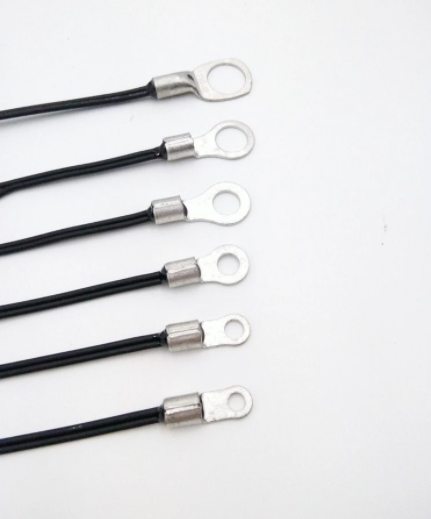
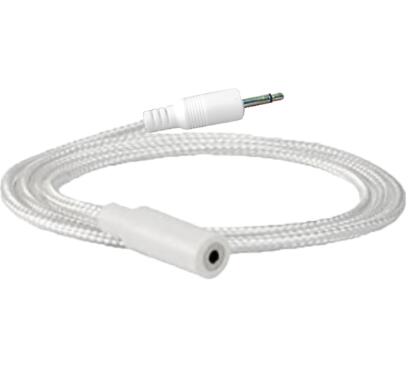
Trend 2: Integrated Edge Sensing & Environmental Probing. Modern OEM/ODM touch assemblies incorporate environmental telemetry. By embedding NTC thermistors, digital humidity ICs (such as SHT30/31), and water leakage detection leads within the panel housing, control consoles become predictive maintenance terminals rather than simple keypads.
Trend 3: Supply Chain Consolidation & Turnkey PCBA Prototypes. Hardware teams now demand high-mix, low-volume (HMLV) flexibility. Instead of forcing minimum orders of 5,000 units, progressive manufacturers offer fully kitted, SMT-assembled prototypes starting from just 5 pieces. This significantly mitigates development risk for complex medical, robotics, and smart-grid controllers.
5. Enterprise Advantages: The Shenzhen Mivo Electronics Edge
Shenzhen Mivo Electronics Co., Ltd. (established in 2016) provides an agile manufacturing footprint directly adjacent to the Huaqiangbei electronics supply ecosystem. When partnering with us, B2B buyers access measurable manufacturing proficiencies:
• Onsite-Verified Integrity: Our manufacturing plant and operational status have passed rigorous onsite inspections verified by Alibaba.com and independent third-party certification authorities. We maintain an 8-year verified export track record with an average global buyer satisfaction rating of 4.7 out of 5 stars.
• Turnkey In-House Assembly: From raw FR-4 and polyimide fabrication to SMT stencil laser cutting, component placement (0201 passives, BGA, QFN), selective through-hole soldering, and in-circuit firmware flashing, we manage the complete lifecycle without outsourcing critical path operations.
• Component Traceability & Sourcing Transparency: Leverage our localized supply network for active and passive BOM components. When obsolete or hard-to-find silicon threatens lead times, our engineering team suggests pin-compatible cross-references for written engineering approval before populating your boards.
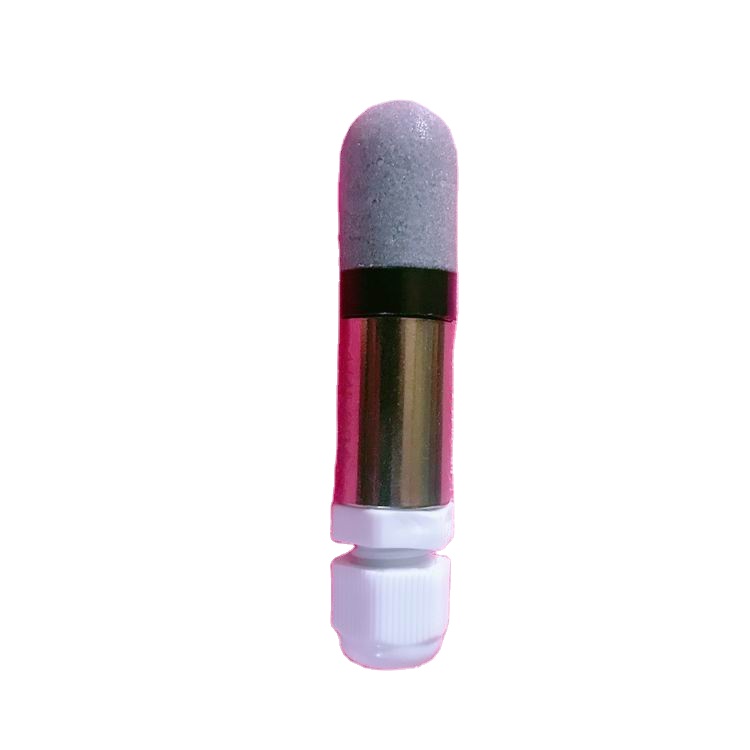
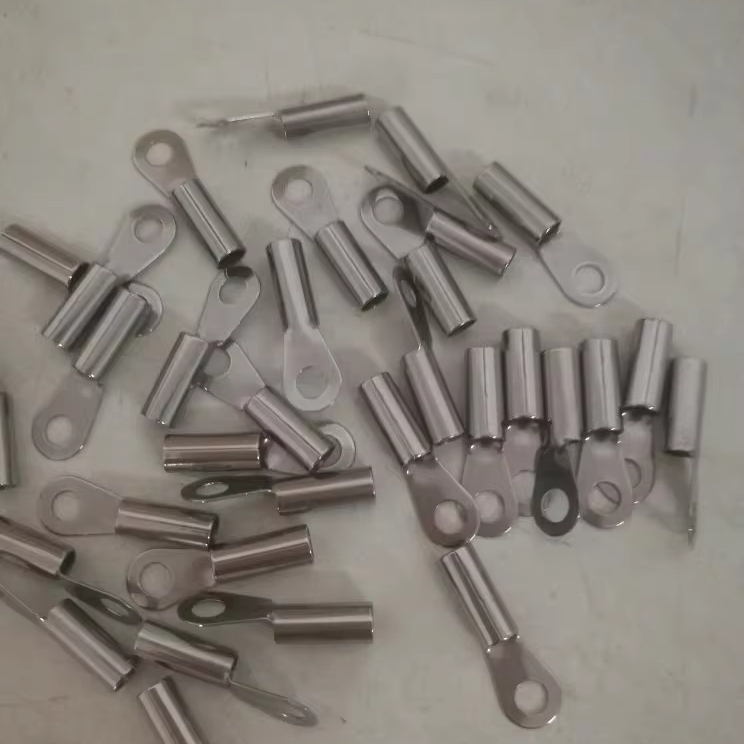
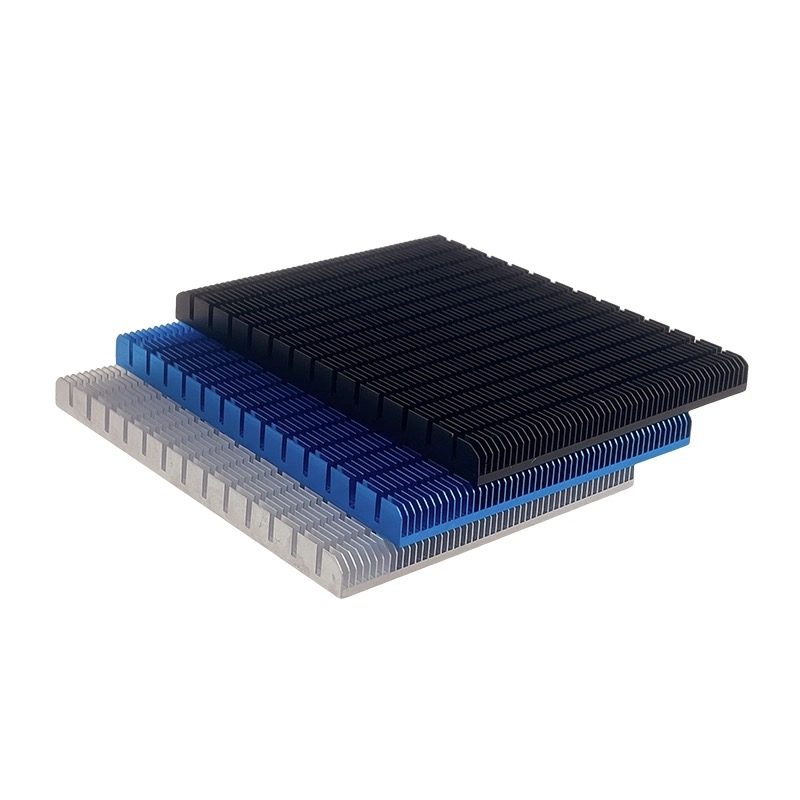
• Bespoke Hardware Customization: We do not limit clients to static catalog dimensions. Our workshop customizes extruded aluminum heat sinks, stainless steel probe housings, micro-coaxial cable harnessing, and waterproof PE sintered filters to your exact CAD specifications.