Featured Sensors, Modules & Precision Components
High-reliability flexible circuit prototypes operate at the center of advanced sensory architectures. Explore precision sensors, photocells, and acoustic modules fabricated for mission-critical embedded systems.

Top 10 Flexible PCB Prototype Factories & Suppliers (2025 Review)
Selecting an engineering partner for Flexible Printed Circuit (FPC) and Rigid-Flex fabrication requires evaluating trace lithography precision, polyimide stackup control, laser microvia yields, and turnkey SMT mounting agility.
Shenzhen Mivo Electronics Co., Ltd.
Mivo Electronics stands out as the premier agile manufacturing partner for prototype-to-production FPC, multi-layer rigid-flex circuits, and precision turnkey assembly. Operating directly within Shenzhen's world-class microelectronics cluster, Mivo bridges the gap between rapid prototype validation (MOQ from 5 pieces) and scalable volume delivery. Fully integrated with automated SMT placement, flying-probe testing, in-house laser drilling, and custom cable/sensor fabrication.
- Min Line / Space:35 µm / 35 µm
- Layer Capability:1 - 8 Layers (Rigid-Flex up to 16L)
- Turnaround Time:48 - 72 Hours (Quick-Turn FPC)
- Assembly Service:Full Turnkey PCBA (01005 & 0.3mm BGA)
Nippon Mektron, Ltd.
As the global revenue leader in flexible printed circuits, Nippon Mektron dominates automotive powertrain, smartphone camera modules, and ultra-miniature wearable applications. Their engineering focuses on ultra-thin adhesiveless polyimide laminates and roll-to-roll continuous processing. Best suited for tier-one automotive and consumer electronics OEMs with large volume commitments.
- Min Line / Space:25 µm / 25 µm
- Substrate Focus:Adhesiveless Polyimide / LCP
- Prototype MOQ:High / Enterprise NPI
- Core Competence:Ultra-High Density Interconnect
Zhen Ding Technology Holding
Zhen Ding is an industry titan delivering advanced HDI flex and multi-layer rigid-flex substrates for flagship computing and telecommunications ecosystems. With sprawling manufacturing campuses across Taiwan and mainland China, their fabrication facilities feature class-10 cleanrooms, modified semi-additive processes (mSAP), and high-frequency antenna substrate handling.
- Min Line / Space:30 µm / 30 µm (mSAP)
- High Frequency:MPI & LCP mmWave Substrates
- Production Type:Mass Scale Consumer Electronics
- Certifications:ISO 9001, IATF 16949, ISO 13485
Flexium Interconnect, Inc.
Specializing in RF flexible circuits, multi-antenna arrays, and camera actuator flexible jumpers, Flexium delivers high precision for telecom infrastructure and modern augmented reality hardware. They maintain specialized engineering labs dedicated to high-speed signal integrity modeling, dielectric loss minimization, and complex impedance control.
- Min Line / Space:30 µm / 35 µm
- Specialty:5G mmWave Flex Modules
- Surface Finishes:ENEPIG, Immersion Gold
- Target Markets:Smartphones, AR/VR Headsets
Nitto Denko Corporation
Leveraging deep polymer chemistry expertise, Nitto Denko engineers ultra-fine circuit pitch FPCs utilized in hard disk drive (HDD) read-write suspensions, optical transceivers, and medical endoscopic imaging probes. Their material-science-driven approach allows for specialized coverlays resistant to harsh autoclaving and repeated flexural cycles.
- Precision Pitch:Sub-20 µm Micro-circuits
- Substrate Tech:Ultra-thin Polyimide Cast Films
- Medical Grade:Biocompatible Flexible Circuits
- Endurance:>10 Million Dynamic Cycles
TTM Technologies, Inc.
A primary aerospace, defense, and high-reliability industrial circuit supplier. TTM specializes in complex multi-layer rigid-flex boards with heavy copper capabilities, embedded thermal sinks, and polyimide-to-FR4 transitions conforming to military standards (MIL-PRF-31032 and IPC-6013 Class 3). Ideal for mission-critical North American defense engineering.
- Standards:MIL-PRF-31032, IPC Class 3
- Stackup:Up to 24-Layer Rigid-Flex
- Copper Weight:0.5 oz to 4 oz
- Lead Time:Standard 2-4 Weeks NPI
Multek Corporation
Multek, a subsidiary of Suzhou Dongshan Precision Manufacturing, produces high-density interconnect (HDI) flex and rigid-flex boards for consumer portable displays, automotive cockpits, and IoT modules. Their Zhuhai facility supports rapid transitions from engineering prototypes to automated reel-to-reel volume production.
- Technology:Any-Layer Microvia FPC
- Stiffeners:FR4, Stainless Steel, Aluminum
- Testing:100% Automated Optical Inspection (AOI)
- Supply Volume:Medium to Ultra-High Batches
Tripod Technology Corporation
Tripod is an internationally recognized leader in automotive infotainment, server memory interface boards, and industrial flex connectors. They maintain rigorous statistical process controls (SPC) to ensure dimensional stability of polyimide bases under extreme thermal reflow and continuous mechanical vibration environments.
- Quality Level:Automotive Grade (AEC-Q100 Aligned)
- Thermal Range:-40°C to +150°C Qualified
- Surface Protect:Immersion Tin, ENIG, OSP
- Capacity:Multi-million panels/month
Career Technology Co., Ltd.
Specializing in soft boards for smart portable devices, acoustics, battery management systems (BMS), and notebook hinges. Career Technology provides comprehensive DFM engineering support during early-stage physical prototyping, optimizing teardrop reinforcement, copper hatch ground planes, and dynamic bend radii.
- Specialty:Dynamic Hinge & BMS Flexible Jumpers
- Line/Space:35 µm / 40 µm
- Material:DuPont Pyralux & Panasonic Felios
- Environmental:RoHS, REACH, Halogen-Free
Sumitomo Electric Printed Circuits
Sumitomo Electric manufactures high-performance flexible printed circuits tailored for precision robotics, electric vehicle wire harness replacements, and advanced optical data storage. Their proprietary adhesive chemistry yields zero-halogen, flame-retardant (UL94 V-0) circuits with minimal dielectric attenuation at microwave frequencies.
- Key Focus:Automotive Wire Harness Replacement
- Bend Testing:Sliding, Folding, Torsional Testing
- Flammability:UL94 V-0 Certified Coverlays
- Integrity:TDR Controlled Impedance
Flexible Circuit Engineering: Substrates, Stackups & Physics
Designing a resilient flexible circuit prototype demands deep comprehension of copper crystal structures, adhesive interfaces, coverlay mechanics, and mechanical neutral axis physics.
Adhesiveless vs. Adhesive Base Laminates
Conventional FPCs utilize acrylic or epoxy adhesives to bond copper foil to polyimide film. However, high-reliability prototypes require Adhesiveless Flexible Copper Clad Laminates (FCCL). Cast-on-copper polyimides eliminate thermal breakdown and microvia barrel shearing during 260°C lead-free reflow, while reducing dielectric thickness and improving thermal dissipation by over 25%.
RA Copper vs. ED Copper Foil Mechanics
Copper grain orientation dictates mechanical fatigue endurance. Electro-Deposited (ED) Copper exhibits vertical columnar grain boundaries—ideal for static "flex-to-install" assemblies where cost is prioritized. In contrast, Rolled Annealed (RA) Copper possesses horizontal elongated crystalline structures capable of surviving millions of high-strain dynamic bending cycles without crack propagation.
The Neutral Bending Axis Theorem
When a multi-layer flexible circuit bends, tensile stress accumulates on the outer radius while compressive stress acts on the inner radius. Precision DFM balances the dielectric and copper layers so that conductive traces reside precisely along the mechanical neutral axis (where strain equals zero). Violating this principle triggers delamination, copper micro-fracturing, and premature open-circuit failures.
| Circuit Category | Typical Stackup Configuration | Minimum Bend Radius (Static) | Minimum Bend Radius (Dynamic) | Primary Industrial Use-Case |
|---|---|---|---|---|
| Single-Sided FPC | 12.5µm PI + 18µm RA Cu + 12.5µm Coverlay | 6× Overall Thickness | 10× Overall Thickness | Display ribbon cables, medical sensors |
| Double-Sided FPC | Coverlay + 18µm Cu + 25µm PI Core + 18µm Cu + Coverlay | 10× Overall Thickness | 20× - 30× Overall Thickness | Camera modules, wearable telemetry, keyboards |
| Multi-Layer FPC (4L) | Adhesiveless Bondply + Dual FCCL Cores + Outer Coverlays | 15× Overall Thickness | Not Recommended for Continuous Flex | Automotive radar, avionics control boards |
| Rigid-Flex (4R + 2F) | FR4 Stiffener / Outer Rigid Cores + Central 2L Polyimide Core | 12× Thickness (Flex Zone) | Custom Bending Guides Mandatory | Robotics controllers, missile guidance, drones |
Crucial DFM Guidelines for Quick-Turn Flexible Prototypes
To accelerate your prototype from Gerber submission to production without yield fallout, implement the following physical design rules:
Future Procurement Trends in Flexible & Rigid-Flex PCBs
Procurement officers and hardware engineering leads must navigate shifting supply chain dynamics, material innovations, and rapid qualification workflows over the coming five years.
1. Transition to LCP and MPI Substrates
Standard polyimide suffers from dielectric loss (Df ~ 0.008) and hygroscopic moisture absorption (0.8% - 1.2%). As 5G millimeter-wave (28 GHz+) and edge-AI sensory clusters expand, procurement is rapidly standardizing on Liquid Crystal Polymer (LCP) and Modified Polyimide (MPI). LCP delivers an ultra-stable dielectric constant (Dk ~ 2.9) and dielectric dissipation factor (Df ~ 0.002) alongside near-zero moisture absorption (0.04%), eliminating signal distortion in automotive radar and IoT communication flex jumpers.
2. Consolidation of Turnkey SMT & Custom Modules
Procuring bare flex boards from one supplier and sending them to a third-party SMT assembler introduces crippling logistical friction. Handling flexible substrates during solder stencil printing requires specialized magnetized carrier fixtures and precise vacuum support plates. Forward-looking procurement programs now demand single-source turnkey PCBA providers capable of fabricating bare FPC boards, sourcing active components, mounting ultra-fine pitch chips (down to 01005 passives and 0.3mm micro-BGAs), and integrating custom sensors in one validated workflow.
3. Rapid Prototyping Without Tooling Hard-Locks
Traditional flexible circuit fabrication relied on expensive hard tooling (steel dies, punch presses) costing thousands of dollars and requiring 2-3 weeks just for die fabrication. Quick-turn factories leverage direct UV laser cutting and flying-probe electrical testing. This enables hardware startups and R&D teams to run iterative 5-piece or 10-piece prototype batches without non-recurring engineering (NRE) die costs, reducing product design cycles from quarters to days.
Why Global Hardware Leaders Choose Mivo Electronics
Based in Yuanshan Street, Shenzhen, Shenzhen Mivo Electronics Co., Ltd. combines premier bare-board circuit fabrication with full turnkey assembly, specialized sensors, and zero-compromise quality assurance.
Onsite-Verified Factory Pedigree
Mivo Electronics is an onsite-verified manufacturer with over 8 years of international export execution across North America, Europe, and the Asia-Pacific. With a dedicated team of 51–100 manufacturing and engineering personnel, our legal standing, facility infrastructure, and technical throughput have passed rigorous third-party audits with a verified 4.7/5 buyer rating.
Prototypes From 5 Pieces
Unlike large multi-national fabricators that impose restrictive minimum order quantities (5,000+ pieces), Mivo Electronics empowers R&D teams with turnkey PCBA prototypes starting from just 5 pieces. We review your Gerber (RS-274X) and BOM files immediately, offering free comprehensive Design for Manufacturability (DFM) analysis to prevent costly fabrication faults.
Complete Microelectronics Portfolio
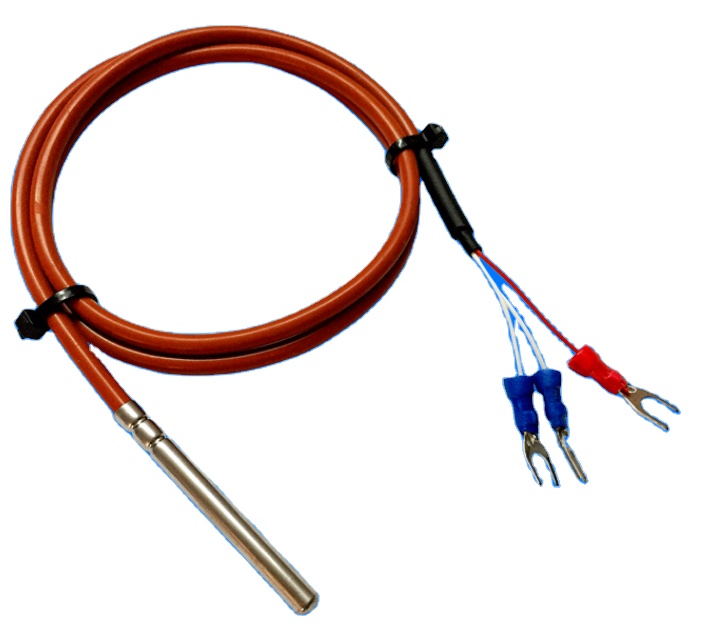
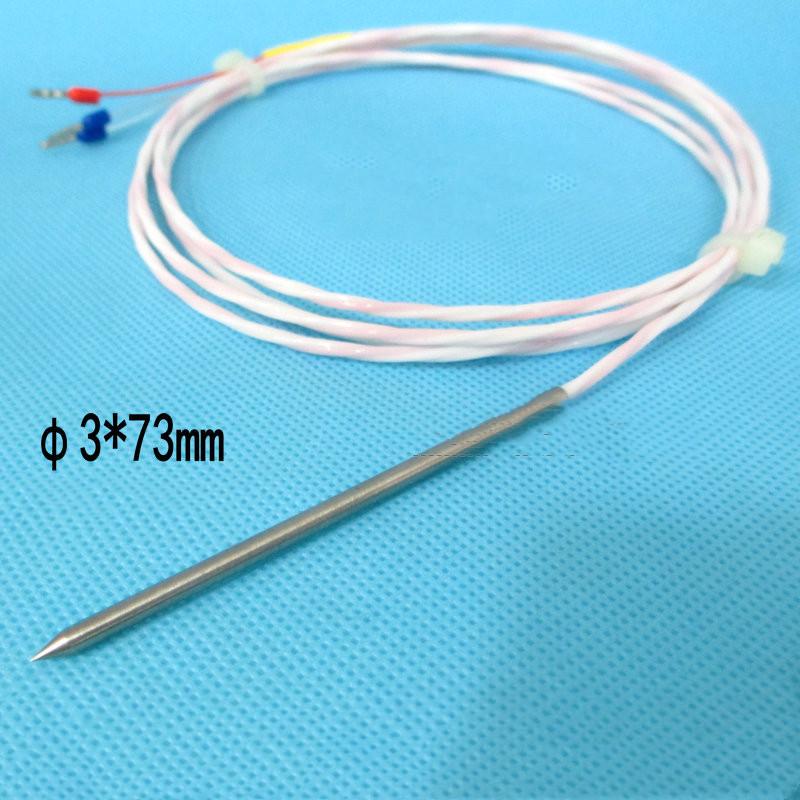
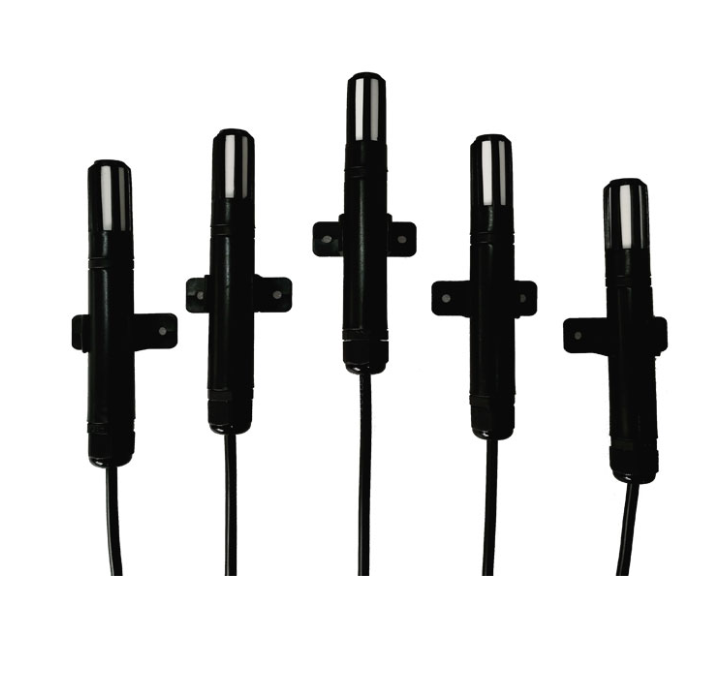
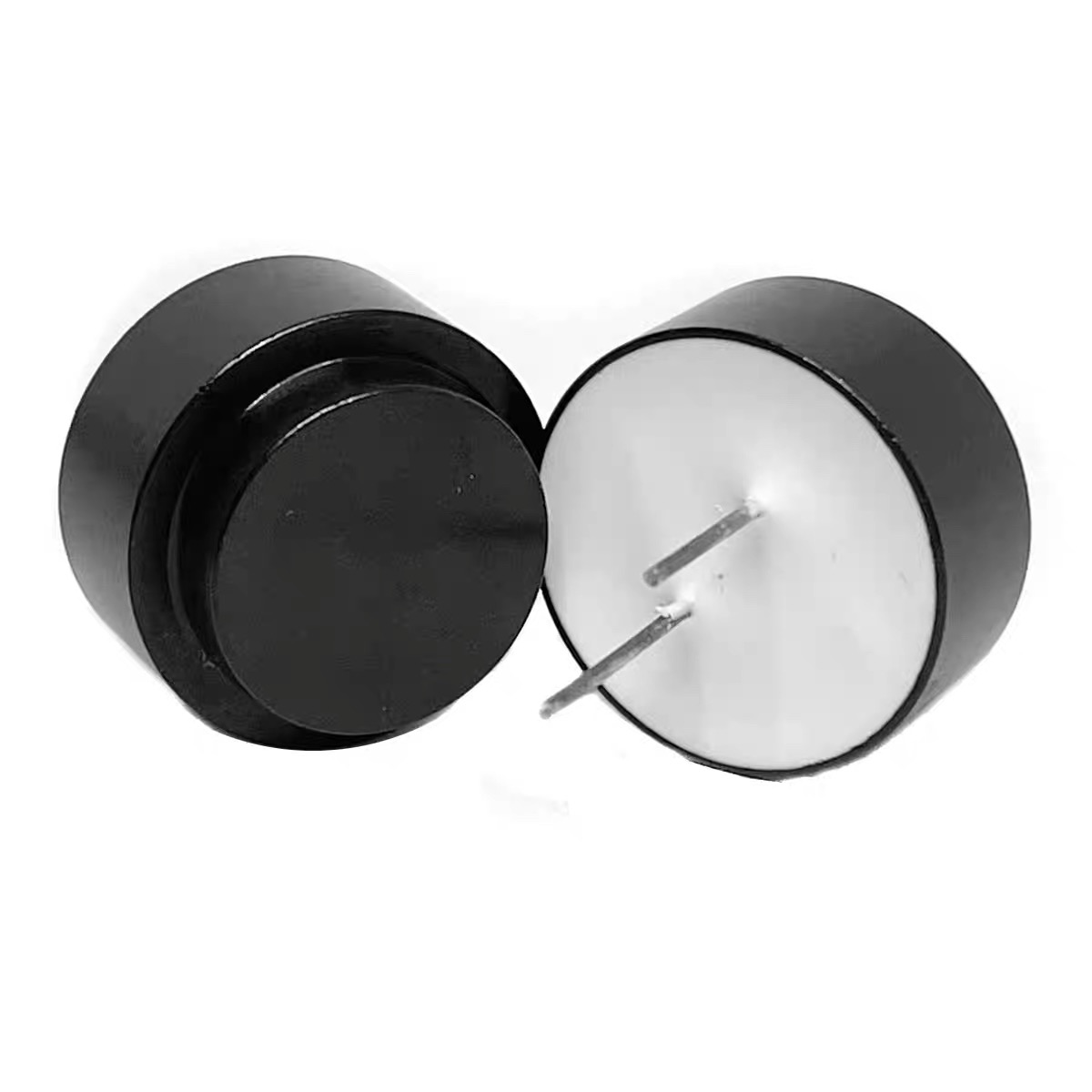
We are more than a PCB shop. Our Shenzhen production lines fabricate flexible circuits, multi-layer rigid boards, aluminum core LED substrates, SMT solder paste stencils, membrane switch panels, and specialized sensor assemblies including PT100/PT1000 RTD probes, SHT30 environmental sensors, and ultrasonic modules built to customer specifications.
Frequently Asked Questions: Flexible PCB Procurement
Detailed answers to critical engineering, manufacturing tolerance, and supply chain queries encountered by hardware procurement specialists.
What is the minimum order quantity (MOQ) and typical turnaround time for flexible PCB prototypes?
Why must polyimide flexible circuits be pre-baked before SMT solder reflow?
What files are required to initiate an accurate FPC prototype quote and DFM review?
- Gerber RS-274X or ODB++ files including all copper layers, solder mask/coverlay openings, outline routing, and drill data.
- Stiffener & Adhesive Drawing: Specifying exact materials (FR4, Polyimide, Aluminum, or Stainless Steel), thicknesses, and positional alignment tolerances.
- Bill of Materials (BOM): With exact manufacturer part numbers, reference designators, and package types for turnkey PCBA orders.
- Centroid / Pick-and-Place File: Providing X-Y coordinates, rotation angles, and board side (top/bottom) for component placement.
- Impedance Specification Sheet: Indicating target differential or single-ended traces and dielectric constraints.
How do I choose between a Polyimide Coverlay and a Flexible Photoimageable Solder Mask (FPSM)?
What are the mechanical bend radius guidelines according to IPC-6013 standards?
- Static (Flex-to-Install): Single-sided circuits must maintain $R \ge 6 \times h$. Double-sided circuits require $R \ge 10 \times h$. Multi-layer circuits require $R \ge 12 \times \text{to } 15 \times h$.
- Dynamic (Continuous Cycling Flexing): The circuit should ideally be engineered as a single-sided RA copper configuration positioned precisely on the neutral axis, with $R \ge 20 \times \text{to } 40 \times h$. Dynamic flexing of through-hole vias in the bend zone is strictly forbidden under IPC Class 3 rules.
Can Mivo Electronics source active components and handle rare/obsolete BOM line items?
Ready to Accelerate Your Flexible PCB Prototype?
Send your Gerber RS-274X, drill files, BOM, or custom sensor drawings to Mivo Electronics. Our engineering department will perform a complimentary DFM analysis and provide a turnkey proposal within 24 hours.