Precision Sensors & Embedded Control Hardware
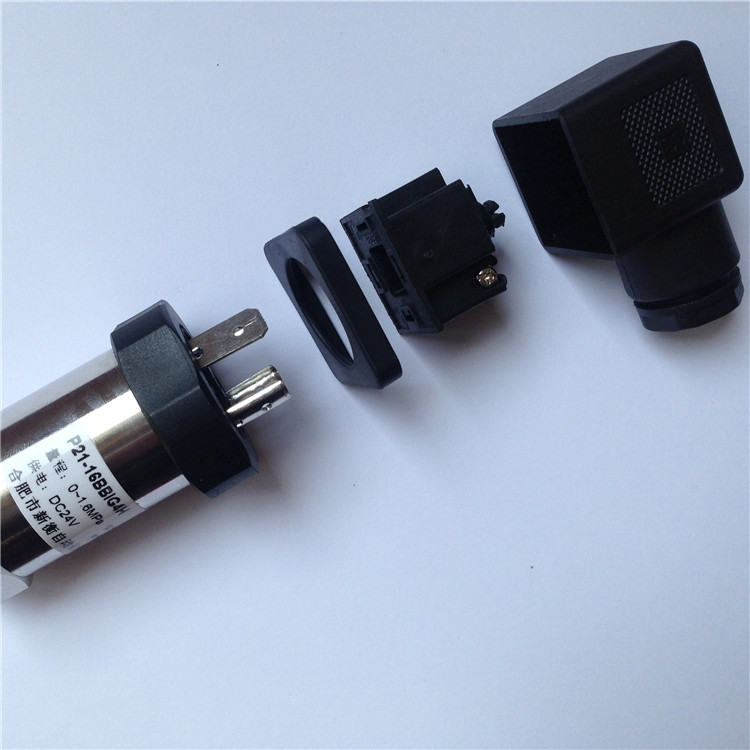
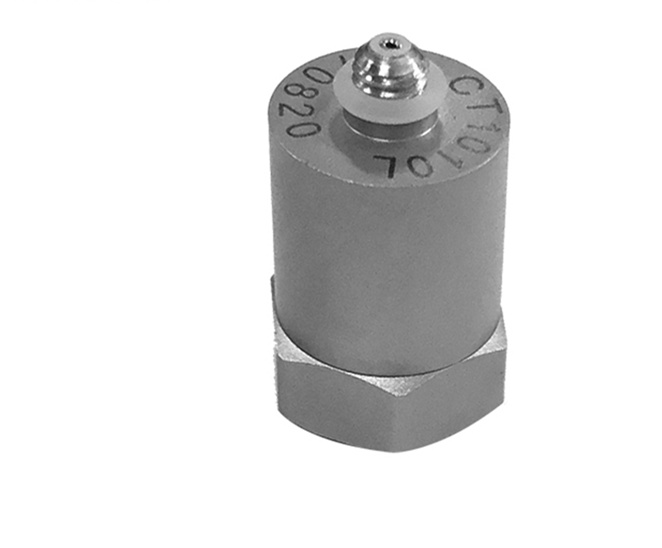
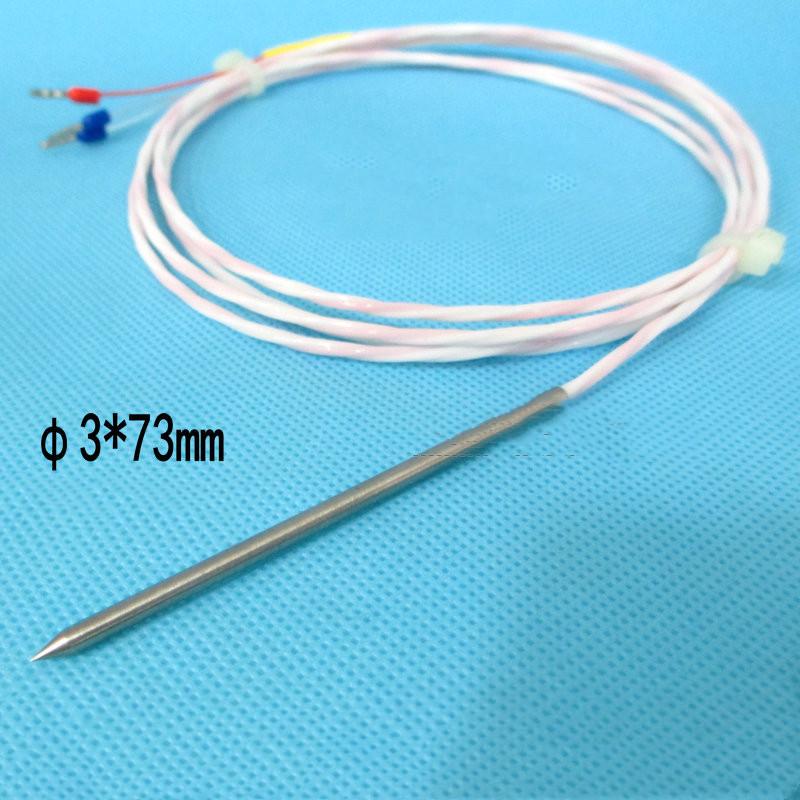
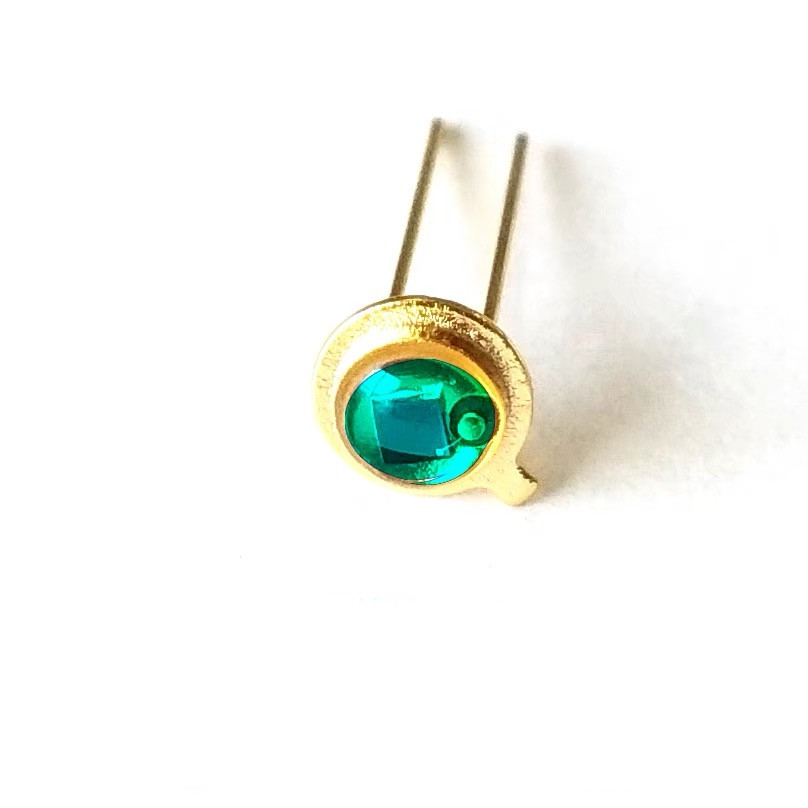
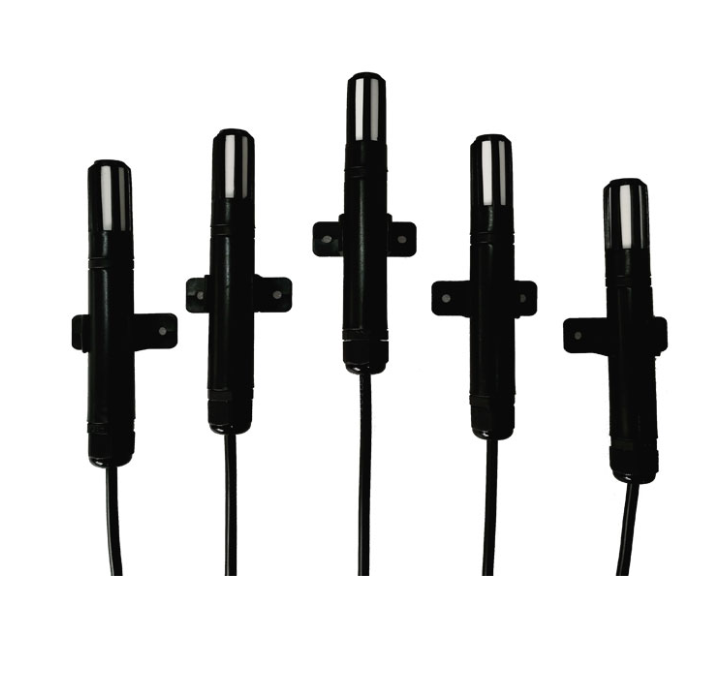
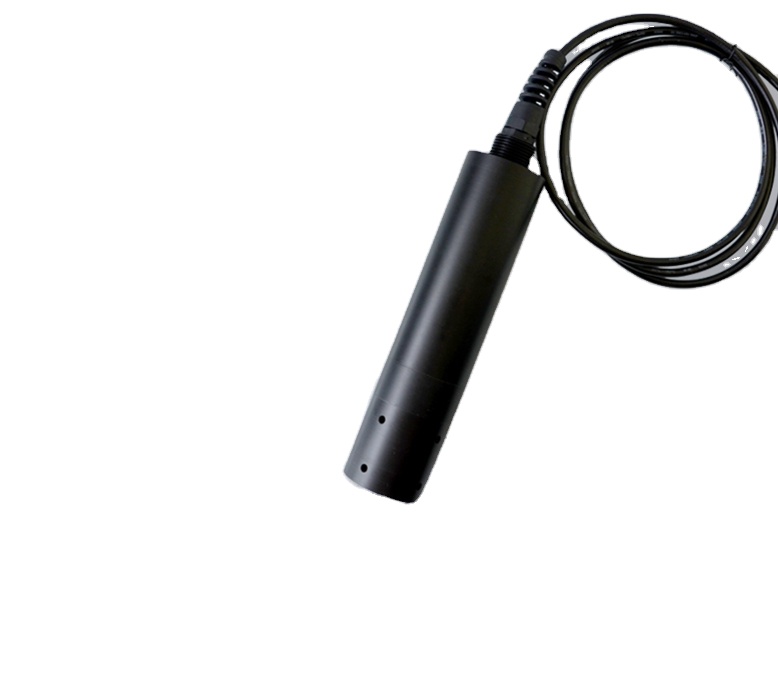
Industrial membrane keypads and custom human-machine interfaces rarely operate in isolation. In modern embedded control architecture, tactical front overlays seamlessly bridge with advanced diffused silicon pressure sensors, environmental transmitters, RTDs, and precision signal conditioning assemblies.
China's Membrane Keypad Manufacturing Landscape: The Engineering Perspective
Procuring membrane switches from China requires more than comparing unit costs on a quotation sheet. True manufacturing capability lies in dielectric stability, polymer cross-linking tolerances, conductive silver trace conductivity, and environmental hermetic sealing.
Substrate & Polymer Integrity
Tier-1 Chinese manufacturers utilize biaxially-oriented polyethylene terephthalate (PET) films such as Autotype Autotex EBA/F or Toray Lumirror rather than cheap polycarbonate (PC). PET delivers over 5 million flex cycles without fatigue micro-fracturing, whereas PC tends to develop stress cracks after fewer than 100,000 actuations when exposed to aromatic solvents or repeated key depressions.
- Zero embrittlement across -40°C to +85°C operation
- Superior chemical resistance to industrial degreasers
- High mechanical tensile strength >150 MPa
Conductive Traces & Migration Control
A primary failure mode in substandard membrane keypads is silver electromigration under high humidity and direct-current bias. Leading Shenzhen factories formulate PTF (Polymer Thick Film) conductive silver pastes doped with micro-particulate carbon barriers. Over-printing traces with conductive carbon ink prevents dendritic growth between adjacent circuit channels spaced at 0.5 mm pitch.
- Loop trace resistance tightly controlled <100 Ω
- Carbon overcoat insulating cross-overs
- Dielectric UV-cured masks rated >500V breakdown
Adhesive Stackup & Hermetic Sealing
Delamination under heat-humidity cycling destroys keypad tactile response. Certified factories specify genuine 3M 467MP, 468MP, or high-performance modified acrylics like 3M 300LSE for low-surface-energy (LSE) plastic enclosures. Internal air channels are laser-vented into desiccated sub-cavities to maintain tactile pressure balance without compromising IP67 ingress barriers.
- Full perimeter seal ring preventing capillary fluid ingress
- Adhesion shear strength exceeding 120 N/100mm
- Resistant to thermal shocks from -30°C to +105°C
Membrane Keypad Technology Comparison: Selecting the Right Topology
Evaluating the mechanical and electrical tradeoffs between PET conductive printing, copper flex circuits (FPC), and rigid FR-4 backed membrane switch interfaces.
| Evaluation Parameter | Silver-Printed PET Keypad | Copper Flex Circuit (FPC) | Rigid FR-4 Backed Membrane | Silicone Rubber Integrated |
|---|---|---|---|---|
| Conductor Material | Screen-printed silver & carbon PTF | Rolled annealed / ED copper foil | 1 oz / 2 oz electrodeposited copper | Conductive carbon pills or silver dome |
| Trace Resistance | Medium (10 Ω – 150 Ω depending on run) | Ultra-Low (<1.0 Ω loop resistance) | Ultra-Low (<0.5 Ω loop resistance) | Contact resistance <150 Ω |
| SMT Component Assembly | Conductive epoxy bonding only | Standard lead-free reflow soldering | High-density SMT & BGA placement | Integrated within underlying PCB |
| Actuation Lifetime | >1,000,000 cycles (Metal Domes) | >5,000,000 cycles | >5,000,000 cycles | >2,000,000 cycles |
| Ingress Protection Potential | IP65 – IP67 with perimeter gasket | IP67 – IP68 hermetically sealed | IP67 with sealed bezel framing | IP68 continuous immersion capable |
| NRE / Tooling Cost | Low ($150 - $400) | Moderate ($300 - $800) | Moderate ($400 - $1,000) | High ($1,200 - $3,500 tooling) |
| Recommended End-Use | Medical monitors, lab devices, commercial | High-vibration aerospace, Mil-spec HMI | Heavy industrial machinery, rackmounts | Outdoor marine, mining handhelds |
Future Procurement & Technology Trends in Membrane Switches (2025–2030)
The global demand for human-machine interfaces is transitioning from simple tactile push-buttons toward smart, illuminated, capacitive, and sensor-dense mechatronic control assemblies.
1. Light Guide Film (LGF) & Micro-LED Backlighting
Traditional electroluminescent (EL) lamps degrade after 3,000 hours of excitation, and discrete surface-mount LEDs historically caused unsightly localized "hot spots." The contemporary industry standard leverages 0.125 mm ultra-thin Light Guide Film (LGF). Micro-prisms etched via precision CO2 or UV laser into the optical film redirect side-firing SMD LEDs across the entire keypad footprint, providing uniform graphic illumination with zero thermal buildup and a working lifetime exceeding 50,000 operational hours.
2. Hybrid Capacitive Touch & Haptic Force Sensing
Procurement teams are increasingly combining physical snap-dome tactile keys with solid-state projected capacitive (PCAP) slide controls and proximity sensors on the same front panel. This hybrid architecture pairs familiar tactile safety critical keys (such as emergency stops or motor actuation) with fluid multi-touch gesture sliders. Incorporating piezo-actuated or ERM (Eccentric Rotating Mass) haptic feedback allows sealed flat panels to mimic mechanical switches with microsecond response times.
3. In-Mold Electronics (IME) & 3D Structural Integration
The boundary between mechanical housings and internal circuitry is disappearing. In-Mold Electronics (IME) screen-prints functional conductive paths, capacitive sensing nodes, and SMT chips directly onto decorative 2D films, which are subsequently thermoformed and back-injection molded with engineering resins (such as ABS or Polycarbonate). This yields a singular, consolidated, 100% moisture-sealed 3D control surface requiring zero assembly screws, brackets, or sub-gaskets.
4. Medical-Grade Antimicrobial Nano-Coatings & Severe-Service Sealing
In post-pandemic medical, clinical, and cleanroom food-processing automation, switch overlays must survive aggressive daily sterilization with sodium hypochlorite, isopropyl alcohol, and quaternary ammonium solutions. Modern Chinese manufacturing leaders apply textured polyester overlays impregnated with active silver-ion antimicrobial additives (tested to ISO 22196 standards). These additives continuously inhibit bacterial growth by over 99.9% throughout the device's operating lifespan, while full IP68 vulcanized silicone perimeters prevent liquid intrusion during intense high-pressure hot-water washdowns.
Shenzhen Mivo Electronics Co., Ltd.
Founded in 2016 in the Yuanshan industrial district of Shenzhen, Shenzhen Mivo Electronics Co., Ltd. stands as an onsite-verified manufacturer delivering complete turnkey electronics solutions. Operating at the core of the world's most dynamic hardware ecosystem, Mivo unifies high-precision membrane switch panel fabrication, custom sensor manufacturing, bare PCB/FPC fabrication, high-speed SMT assembly, and global component sourcing under a single roof.
By combining custom HMI switch overlays with in-house PCBA and sensor engineering (such as PT100 RTD probes, oil-filled pressure transducers, and environmental transmitters), Mivo eliminates the risks of mismatched connector tolerances, signal attenuation, and finger-pointing across multiple disparate subcontractors. Every project benefits from meticulous Design for Manufacturability (DFM) reviews, verified BOM part numbers, and rapid functional validation starting from low prototype volumes.
Factory Verification Summary
- Corporate Legal EntityShenzhen Mivo Electronics Co., Ltd.
- Manufacturing LocationShenzhen, Guangdong, China
- Year Established2016 (Verified)
- Production Personnel51 – 100 Skilled Specialists
- Global Export Record8+ Years Continuous Track Record
- Customer Review Score4.7 / 5.0 Rating
Frequently Asked Questions: Engineering & Sourcing
Critical answers to complex DFM, material compatibility, tactile life-cycle, and testing questions for senior procurement specialists and hardware systems engineers.
What are the primary structural layers in an industrial-grade membrane keypad?
1. Graphic Overlay: Typically 0.150mm to 0.200mm textured PET (such as Autotex) reverse-printed with UV-curable inks.
2. Overlay Adhesive: Acrylic transfer tape (e.g., 3M 467MP) bonding overlay to the circuit.
3. Top Circuit / Dome Retainer: Houses stainless steel tactile domes or contains upper printed conductive silver traces.
4. Spacer Layer: Dielectric polyester sheet with laser-cut chambers allowing tactile dome travel while venting internal air.
5. Lower Circuit Layer: Screen-printed conductive silver/carbon traces or a copper-etched FPC/rigid FR-4 board.
6. Rear Adhesive: Heavy-duty adhesive (e.g., 3M 300LSE or 468MP) designed specifically for mating with the product’s cast metal, aluminum, or molded polymer chassis.
How do tactile metal domes compare with embossed polydomes?
How can we prevent silver migration in humid or marine field environments?
1. Carbon Overcoat: Completely encapsulating silver traces with a chemically inert conductive graphite/carbon layer.
2. Dielectric Encapsulation: Applying double-pass, UV-cured polymer dielectric insulation with zero pinhole defects.
3. Perimeter Gasket Sealing: Constructing an unbroken, continuous outer adhesive perimeter that creates a hermetically sealed internal chamber compliant with IP67 testing standards.
Which CAD and manufacturing files are needed to begin custom tooling?
• Vector Graphic Artwork: Adobe Illustrator (.AI), CorelDraw (.CDR), or Vector PDF detailing Pantone/RAL color codes, embossing heights, and display window tints.
• Circuit Layout: Gerber RS-274X, DXF, or DWG files specifying trace widths, dome centers, pinout assignments, and tail connector pitch (typically 1.0mm, 1.27mm, or 2.54mm).
• Mechanical Stackup Drawing: 2D/3D file (STEP/IGES/PDF) defining exact total thickness, adhesive cutout boundaries, venting paths, and rear housing mating dimensions.
Can Shenzhen Mivo integrate membrane keypads with sensors and PCBA assemblies?
What testing standards are executed during factory quality acceptance?
• Contact Resistance & Insulation Resistance: Verified on computer-controlled switch testers (<100 Ω closed; >100 MΩ at 100V DC open).
• Actuation Force & Tactile Ratio: Monitored using digital force-displacement curves (measuring F1 peak force vs. F2 contact force).
• Environmental Chamber Testing: 72-hour thermal cycling (-40°C to +85°C) and constant humidity testing (95% RH at 60°C).
• Surface Abrasion & Chemical Resistance: ASTM D3363 pencil hardness (≥3H) and 500-cycle Taber abrasion with MEK (methyl ethyl ketone) and alcohol rubs.
Kickstart Your Custom Membrane Switch & HMI Engineering Project
Send your vector overlay files, Gerber packages, or sensor specifications to our Shenzhen engineering team. We provide rapid DFM feedback, transparent BOM costing, and prototype samples within days.