Direct Sourcing Catalog
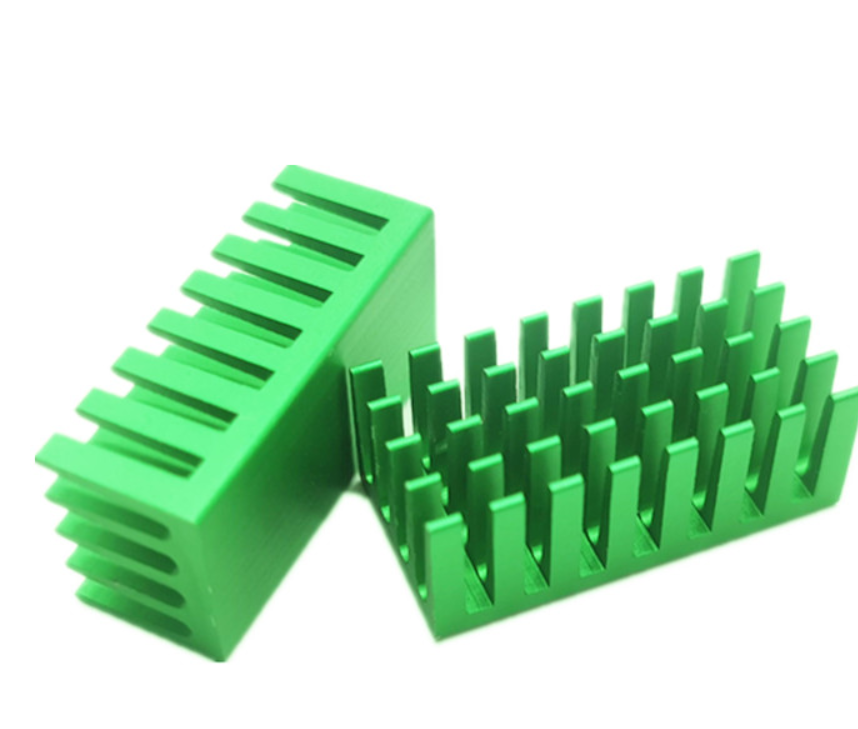
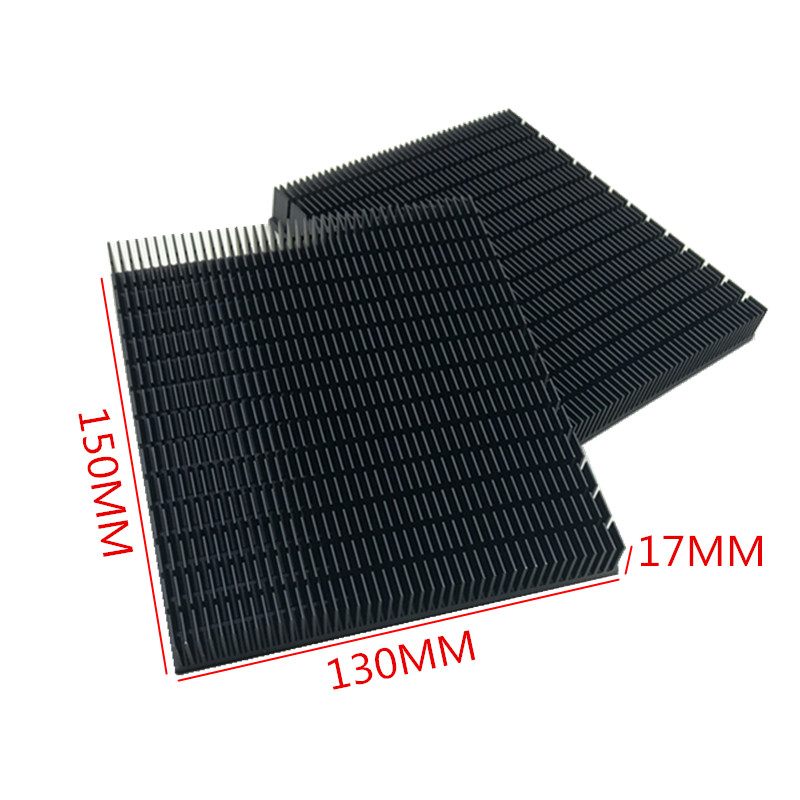
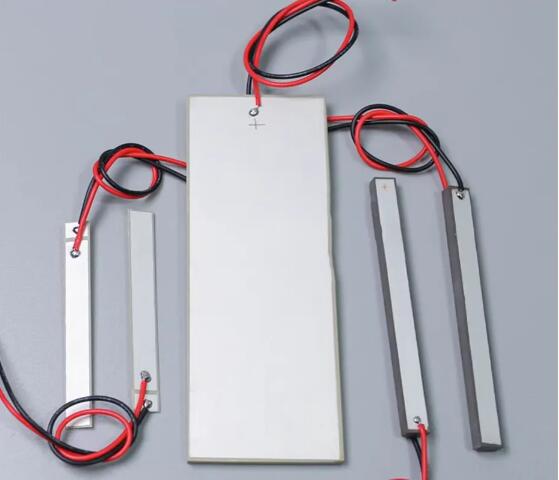
Featured Hardware, Heat Sinks & Sensing Assemblies
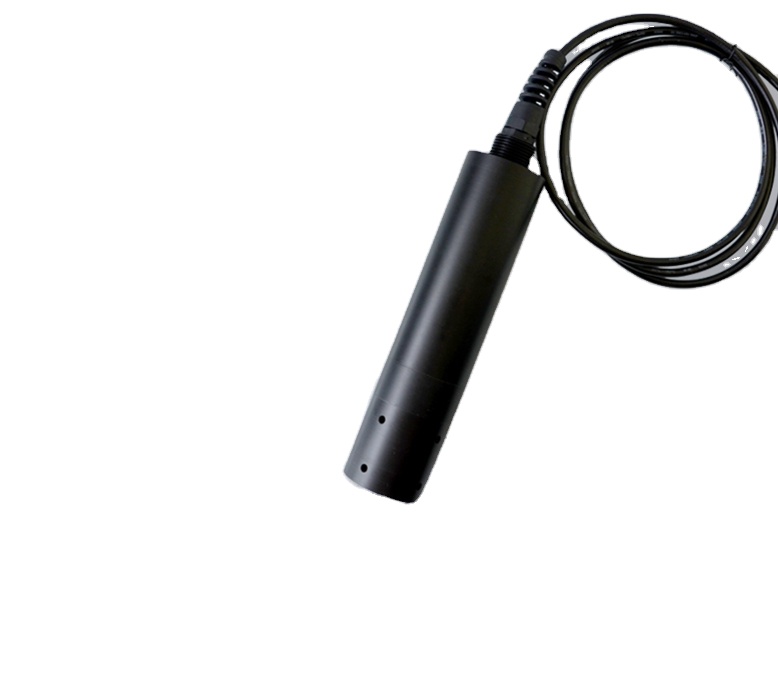
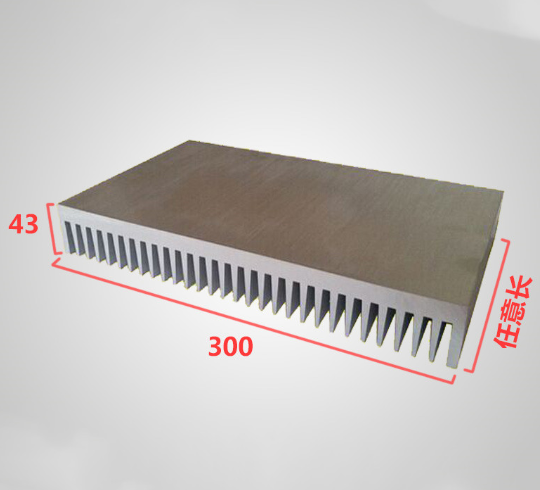
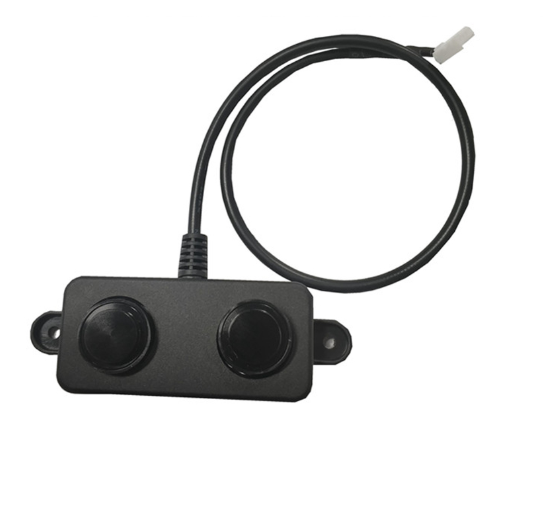
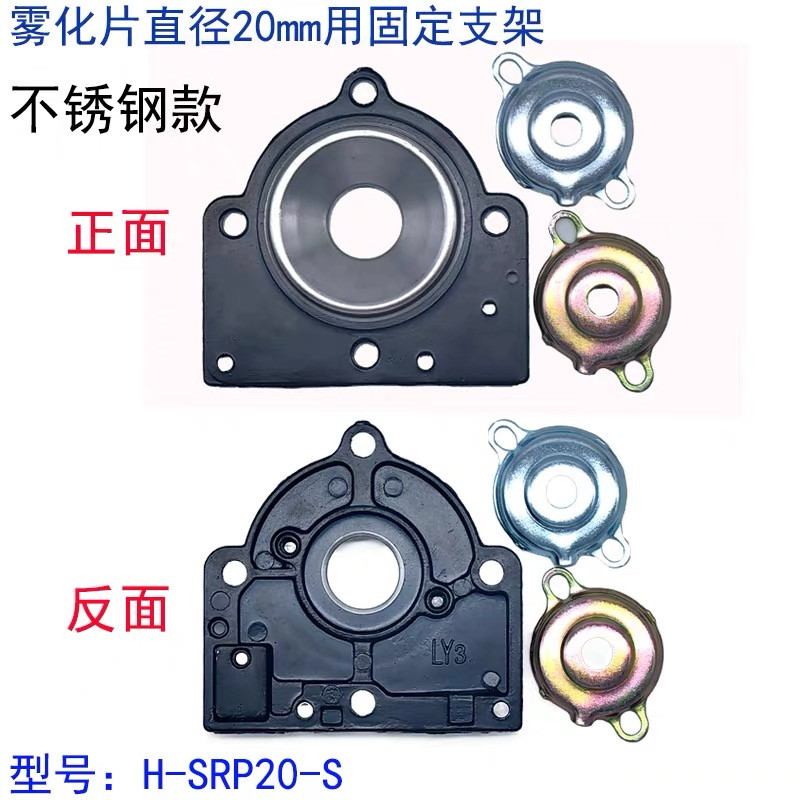
Explore precision-engineered components, thermal dissipation structures, and electromechanical sub-assemblies built to strict engineering tolerances for global OEMs.
Engineering Whitepaper
State-of-the-Art Printed Membrane Switches: Construction & Material Selection
A deep technical analysis into substrate chemistry, conductive silver migration prevention, tactile actuation mechanics, and ingress protection dynamics for demanding industrial and medical environments.
In modern industrial electronics, the human-machine interface (HMI) serves as the primary operational threshold where physical human action transitions into electrical signaling. As an industry-leading manufacturer headquartered in Shenzhen's prime manufacturing corridor, Shenzhen Mivo Electronics Co., Ltd. approaches printed membrane switch fabrication not merely as a decorative graphic printing exercise, but as a multidisciplinary electromechanical discipline spanning polymer chemistry, screen printing micro-tolerances, and dynamic interfacial contact resistance.
A printed membrane switch is fundamentally an ultra-thin, multilayer composite structure typically ranging from 0.8 mm to 1.5 mm in cross-sectional stack-up. The functional anatomy relies on precise layer coordination: an optically registered graphic overlay (polycarbonate or biaxially-oriented polyester), an acrylic adhesive spacer matrix, tactile actuation elements (stainless steel domes or formed polydomes), printed circuit silver/carbon conductive tracks, and terminal tail termination matched with standard pitch connectors (1.0 mm, 1.27 mm, or 2.54 mm).
Overlay Substrates: PET vs. Polycarbonate
Choosing between Autotex® / Autoflex® biaxially oriented polyethylene terephthalate (PET) and optical-grade polycarbonate (PC) dictates the operational lifespan. PET displays superior flexural fatigue resistance exceeding 5 million switch cycles and superior chemical resilience against harsh solvents, petroleum ethers, and sterilization agents. In contrast, PC allows deep thermoforming and sharp three-dimensional embossing at reduced material expense, recommended specifically for non-aggressive indoor consumer apparatus.
Silver Migration & Carbon Overcoating
Under elevated ambient humidity and continuous DC voltage bias, microscopic silver dendritic crystalline structures migrate across conductive lines, generating parasitic bridging and fatal short-circuits. Mivo Electronics mitigates this fundamental electrochemical degradation by applying a screen-printed dielectric isolation pass and a high-purity graphite/carbon paste overprint atop the silver traces, sealing conductive filaments against galvanic erosion and mechanical scuffing during dome deflection.
Tactile Dynamics & Ingress Sealing
Crisp tactile feedback is engineered through gold-plated or nickel-plated SUS301 stainless steel tactile domes calibrated with trip forces between 250g and 450g. For medical sterilizability and oil-resistant industrial automation, the structural perimeter incorporates 3M™ 467MP/468MP high-performance adhesive gaskets, achieving IP65, IP67, and custom submersible IP68 hermetic environmental isolation against moisture, saline fog, and fine dust particulates.
Beyond traditional switch matrices, our turnkey manufacturing integration bridges printed flexible circuitry (FPC) with Rigid-Flex FR-4 backplanes. By assembling surface-mount LEDs (0603, 0805, 1206 packages), embedded phototransistors, and custom ESD/EMI protective shielding grids directly behind the graphic layer, we eliminate separate interconnect wiring, optimizing assembly line takt-time for international instrument builders.
Strategic Sourcing Guide
Future Procurement & Technological Trends in Membrane Electronics
Anticipating macroeconomic shifts, material science breakthroughs, and functional consolidation trends for next-generation hardware architecture.
Global procurement teams in Europe, North America, and the Asia-Pacific region are evolving past transactional parts-buying toward integrated supplier-partnership models. The global printed electronics and flexible human-machine interface market is experiencing radical structural shifts influenced by four dominant engineering vectors:
Capacitive Sensing Hybrids
Procurement demands are shifting from purely mechanical snap-action metal domes toward capacitive touch sensors integrated under unbroken glass or thick polymer bezels. The blend of capacitive slide wheels with tactile emergency stops provides modern aesthetic contours while preserving safety integrity.
Backlighting Homogeneity
Thin-profile micro-LED edge lighting coupled with laser-etched light guide films (LGF) and electroluminescent (EL) foils has made uniform, leak-free illumination standard in medical diagnostics, marine instrumentation, and automotive cabin consoles, removing traditional LED hot-spots.
In-Mold Electronics (IME)
The convergence of functional printed conductors with injection molding creates single-piece three-dimensional decorative and functional components. This evolutionary step bypasses secondary fastening screws, reducing total system weight and eliminating dust entrapment crevices.
Single-Source Turnkey PCBA
Forward-thinking purchasing directors avoid dividing manufacturing between overlay printers, bare-board PCBA assembly houses, and harness assemblers. Consolidating the full stack-up with an onsite-verified Shenzhen supplier drastically curtails supply chain friction.
Enterprise Credentials
Why Global Engineers Partner with Shenzhen Mivo Electronics
Combining onsite-verified manufacturing operations, a tight Shenzhen component supply network, and dedicated engineering DFM review to ensure flawless serial delivery.
Shenzhen Mivo Electronics Co., Ltd. operates at the epicenter of the global electronics ecosystem. With premises verified through physical onsite checks by Alibaba.com inspectors and corporate legal registration established in 2016, Mivo combines agile prototype turnaround with stringent volume repeatability. With over 8 years of audited international export history and a verified customer feedback score of 4.7/5, we safeguard client intellectual property and maintain strict supply chain transparency.
Our core competitive advantage resides in our integrated cross-domain capability. While conventional vendors operate in siloed domains—either strictly printing graphic overlays or solely mounting SMT boards—our Shenzhen production lines integrate PCB fabrication, multilayer & aluminum core boards, SMT/THT assembly, custom PT100/NTC/SHT30 sensors, high-power heat sink extrusion, and precision membrane switches within a coordinated quality framework.
2016
Established Year
51-100
Skilled Team
8+ Yrs
Exporting Track
4.7 / 5
Verified Rating
5 Pcs
Prototype PCBA MOQ
100%
DFM Pre-Checked
| Technical Parameter | Standard Production Capability | Advanced / Custom Capability |
|---|---|---|
| Loop Resistance | < 100 Ω (dependent on circuit trace geometry) | < 10 Ω via copper flex PCB backing |
| Contact Bounce Time | ≤ 5 ms | ≤ 1 ms (custom high-speed tactile alloy) |
| Actuation Force (Tactile) | 250g – 350g (±30g) | 180g – 600g tailored dynamic tactile stroke |
| Ingress Protection (IP) | IP65 Front Surface Resistant | IP67 / Submersible IP68 Full Perimeter Perimeter Seal |
| Operating Temperature | -20°C to +70°C | -40°C to +85°C (High-grade auto-spec polyimide) |
Procurement Clarity
Frequently Asked Questions for Sourcing Managers
Direct answers addressing technical qualification, MOQ barriers, engineering review workflows, and international logistics.
Q1 What exact engineering files are required to quote a printed membrane switch?
To provide an expedited engineering review and price matrix, please supply: 1) Vector artwork files for the graphic overlay (Adobe Illustrator .AI, vector PDF, or CorelDraw) with Pantone (PMS) or RAL color specifications; 2) Mechanical 1:1 CAD drawings (.DWG or .DXF) defining dimensions, embossing contours, window cutouts, and tail layout; 3) Circuit schematic diagram indicating switch contact points and connector pinouts; 4) Desired dome force and operational environment details.
Q2 What are the Minimum Order Quantities (MOQs) for prototypes versus production runs?
For custom membrane switches and turnkey PCBA prototypes, our MOQ starts from as low as 5 to 10 pieces, allowing client engineering teams to validate tactile feel, backlight diffusion, and firmware integration without massive tooling commitments. For standard components in our catalog, MOQs typically range from 10 pieces for custom RTD/Ultrasonic sensor probes up to 100–1,000 units for standardized components.
Q3 How does Shenzhen Mivo handle component obsolescence or extended lead-time ICs?
Operating in Shenzhen—the world's capital of electronic component logistics—our dedicated procurement team searches verified franchised distribution channels and localized supply networks. When a BOM component is discontinued or subject to unreasonable allocation lead-times, our hardware engineers submit functional pin-to-pin or footprint-compatible cross-reference alternatives along with datasheets. We will never purchase substitute parts without formal written client approval.
Q4 Can you integrate metal backing plates, surface-mount LEDs, and EMI shielding?
Yes. We specialize in complex turnkey assemblies. We integrate aluminum (AL5052/AL6061) or stainless steel structural stiffeners, integrate SMT micro-LEDs directly onto flexible circuitry, print specialized conductive carbon or aluminum foil shielding layers for ESD/EMI immunity, and deliver finished assemblies ready for final enclosure drop-in mounting.
Q5 How is electrical continuity, contact resistance, and tactile endurance verified?
Every switch panel undergoes automated 100% circuit continuity testing, contact resistance measurement, and insulation resistance qualification across all switch nodes before packaging. During production sign-off, samples from each batch undergo lifecycle testing on pneumatic actuation cyclers to guarantee compliance with the specified lifespan (e.g., 1,000,000+ operations).
Q6 How is Shenzhen Mivo Electronics verified for international risk management?
Shenzhen Mivo Electronics Co., Ltd. has completed onsite physical verification by Alibaba.com inspectors and third-party credentialing organizations. With an established founding date in 2016, 8+ consecutive years of documented export transactions, and an average customer satisfaction score of 4.7/5, our trading records, export capacity, and facility videos are publicly verifiable to ensure transparent international procurement.
Accelerate Your Hardware Development Cycle
Transfer your Gerber files, BOM lists, or membrane switch technical drawings to our Shenzhen engineering hub today. Receive a comprehensive DFM manufacturability evaluation and competitive factory quotation within 24 hours.
Send an Inquiry