2016
Established in Shenzhen Hub
4.7 / 5.0
Verified Global Buyer Rating
8+ Yrs
Direct B2B Export Track Record
100%
Die-Cut & Optical Pin-Registration
Curated Export Portfolio
Precision-Engineered Overlays, Thermal Radiators & Sensing Hardware
Integrated components critical for ruggedized Human-Machine Interfaces (HMI), harsh environmental monitoring, and high-density electronics enclosures.
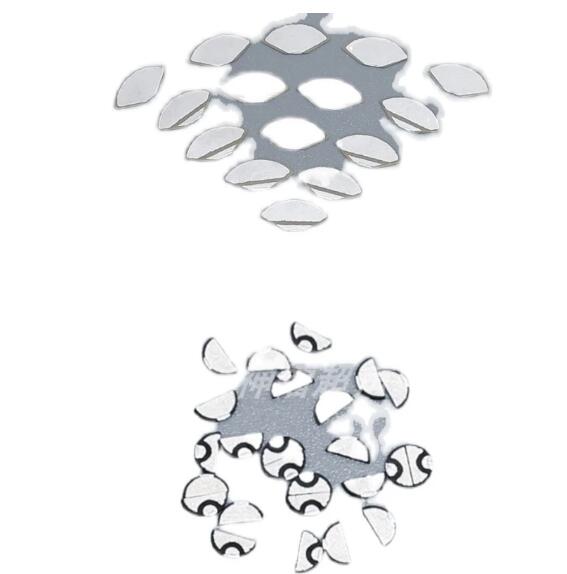
Multi-Frequency PZT Ceramic Waveguide Sensor
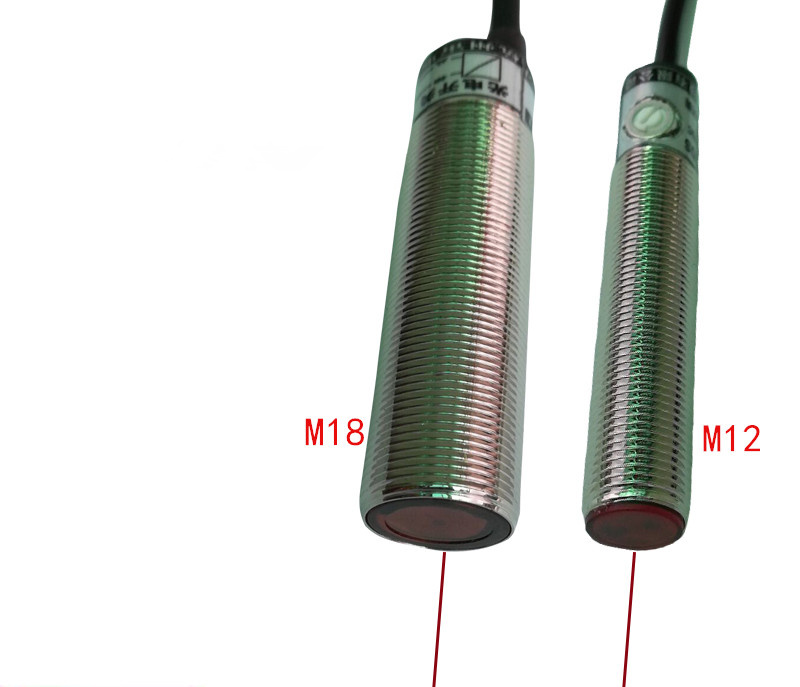
M12 / M18 Laser Photoelectric Diffuse Reflection Sensor
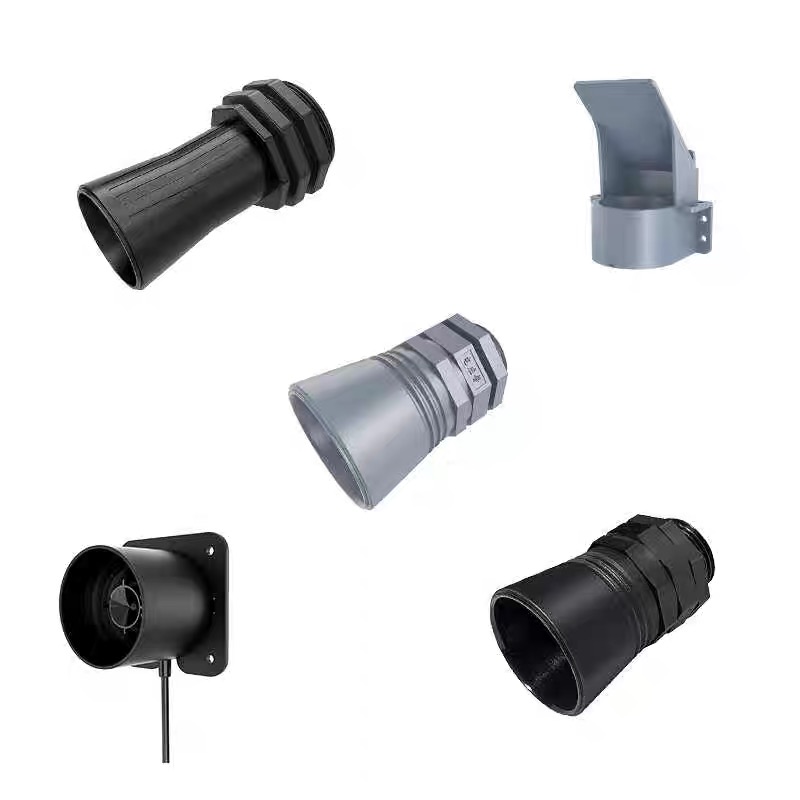
Ultrasonic Down-Well Sewer Network Level Sensor
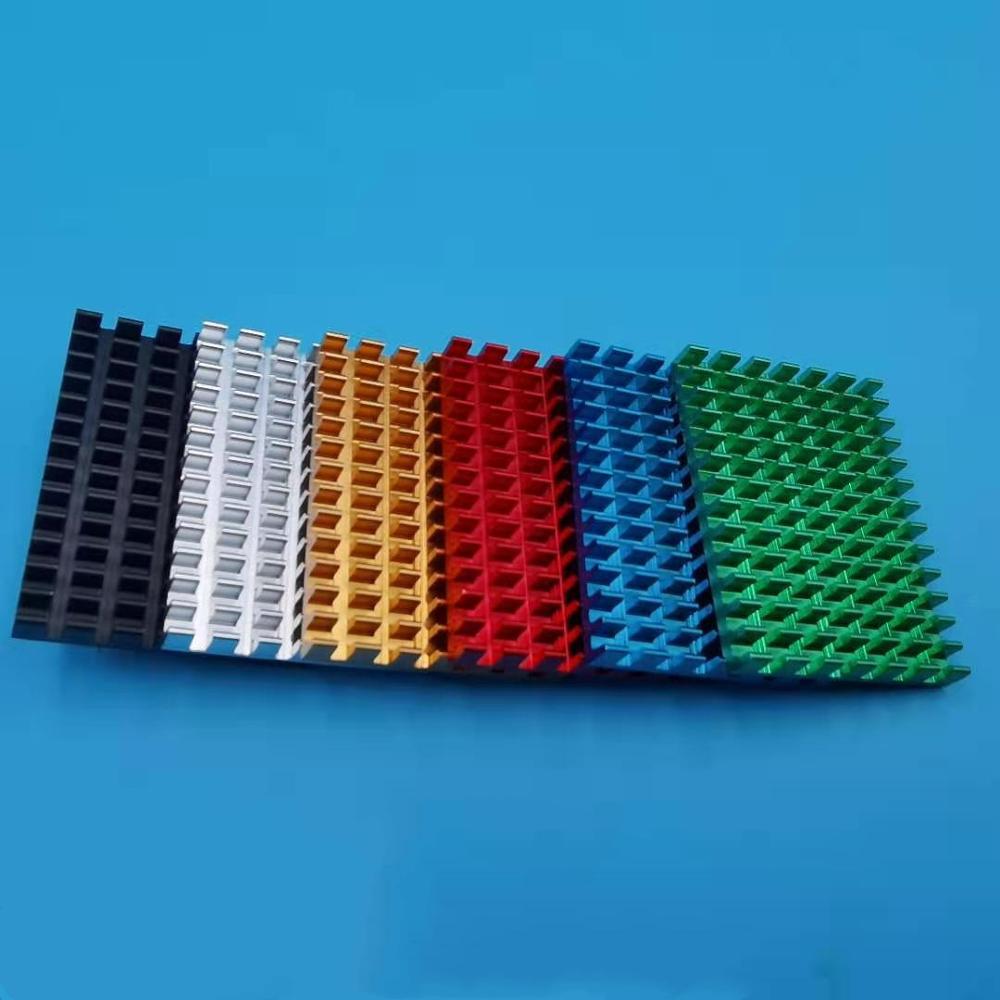
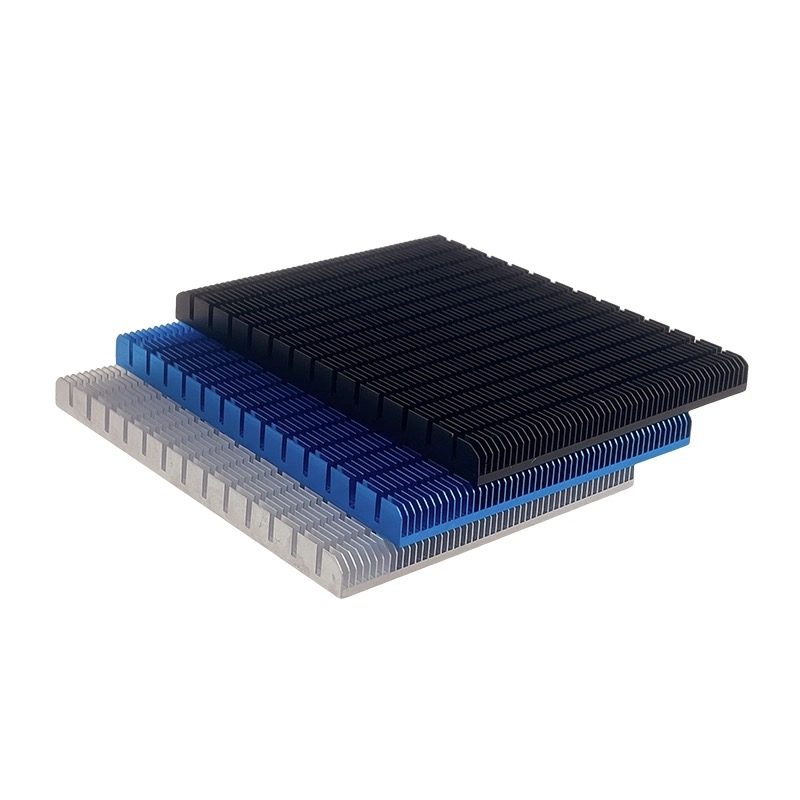
30*40*5MM Aluminum Profile IC Cooler Radiator
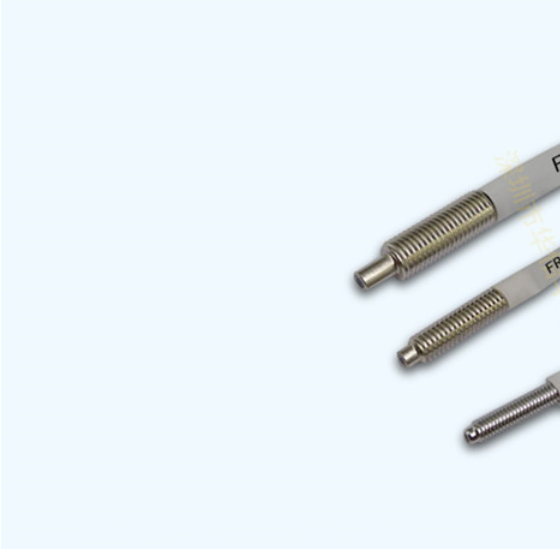
FR-D310 Optoelectronic Diffuse Reflection Fiber Probe
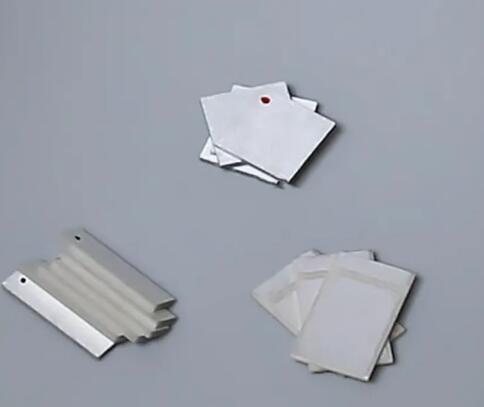
PZT D15 Mode Gold-Plated Shear Piezoelectric Plate
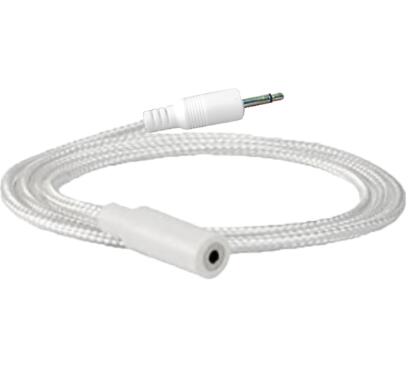
Smart Home Liquid Leakage Detection Sensing Cable
Engineering Whitepaper & Specifications
Sub-Surface Screen Printing, Substrate Physics & Adhesive Rheology
A manufacturer's guide to eliminating interface delamination, environmental yellowing, and mechanical fatigue in industrial human-machine interfaces.
In modern ruggedized equipment design, an adhesive graphic overlay is never merely a decorative faceplate; it acts as the primary mechanical barrier and sensory interface between the operator and internal electronics. Overseas purchasing directors and hardware architects frequently encounter field failures caused by improper material selection—specifically blistering under continuous sunlight, adhesive shear under operating temperatures, and cosmetic wear resulting from chemical degreasers. Selecting an onsite-verified exporter operating from the Shenzhen high-tech supply cluster ensures that graphic overlays, underlying flexible circuits (FPCs), and precision mounting adhesives are engineered as a cohesive, thermally stable stack-up.
The core durability of an overlay rests upon sub-surface reverse screen or digital UV printing. By depositing solvent-based or UV-curable pigments directly onto the underside of optical-grade polymers, legends and icons remain impervious to scratch abrasion, chemical contact (such as isopropyl alcohol, hydraulic oil, and cleaning agents), and high-frequency touch cycles. Material selection hinges largely on mechanical duty: biaxially oriented polyethylene terephthalate (PET) exhibits exceptional flexural fatigue endurance exceeding 5,000,000 actuations—making it the definitive standard for metal dome tactile switches—whereas optical-grade polycarbonate (PC) offers superior thermal stability and impact resistance for heavy industrial machinery, albeit with reduced cyclic flexing limits.
| Substrate / Layer Type | Material Chemistry | Key Strengths & Properties | Common Industrial Use-Case |
|---|---|---|---|
| Autotype Polyester (PET) | Biaxially Oriented PET | 5M+ flex cycles, outstanding chemical resistance, zero solvent stress-cracking | Tactile membrane keypads, medical monitors, CNC controllers |
| Lexan Polycarbonate (PC) | Optical Grade PC | High impact toughness, UL94 V-0 flame ratings, crystal-clear deadfront displays | Heavy equipment fascias, rugged instruments, digital panels |
| Pressure-Sensitive Adhesive (PSA) | 3M 467MP / 468MP (200MP) | Shear strength up to 204°C, resistance to moisture, solvent & thermal cycling | Smooth painted metals, aluminum heat sinks, rigid plastic housings |
| Modified Low Surface Energy (LSE) | 3M 300LSE / 9472LE | High ultimate peel adhesion on powder-coated metals and low surface energy polymers | Polypropylene enclosures, textured cast housings, outdoor telemetry |
| UV-Resistant Protective Layer | Textured Hardcoat Films | Eliminates yellowing under outdoor solar exposure (ASTM G154 compliant) | Agricultural vehicle cabs, solar inverters, marine instrumentation |
Adhesive rheology is equally decisive. The interface between the printed overlay and the host equipment requires explicit calculation of Surface Energy (measured in dynes/cm). Utilizing genuine 3M 467MP on high surface energy substrates such as untreated aluminum or stainless steel delivers exceptional bond strength; however, if your enclosure utilizes textured powder coating or molded polyethylene/polypropylene, standard acrylic adhesives will eventually blister. Under such constraints, structural low surface energy adhesives like 3M 300LSE must be specified and rotary-die cut with optical register camera systems to align accurately around transparent LED display windows and tactile dome vents.
Strategic Market Forecast
Future Procurement Trends in Industrial Graphic Overlays (2025–2030)
How tier-one OEMs are optimizing supply lines, mitigating single-source risk, and integrating smart sensory features into front panel assemblies.
Turnkey HMI Sub-System Consolidation
International procurement managers are pivoting away from sourcing overlays, membrane switches, structural aluminum heat sink radiators, and PCBA carriers from separate tier-two vendors. Purchasing unified, functional modules directly from a consolidated Shenzhen manufacturer eliminates dimensional tolerance stack-up and fixes warranty accountability to a single engineering partner.
Dead-Front & Backlight Optimization
Modern cleanroom interfaces demand streamlined aesthetic front panels that remain completely uniform black or smoked grey until active illumination triggers. By integrating ultra-thin light guide films (LGF), diffused backlighting stencils, and sub-surface dead-front inks, contemporary graphic overlays present high-contrast, distraction-free instrumentation suitable for safety-critical medical devices.
Hybrid Sensing & Harsh-Zone Sealing
Graphic overlays are merging with active sensor technologies, including printed capacitive touch sensors, integrated Piezoelectric (PZT) ceramic waveguides, and IP67/NEMA 4X liquid gasket seals. Today’s industrial procurement orders require overlays capable of enduring automated washdown regimens, oil splatter, and sustained vibrational shock without adhesive migration.
Technological Trajectory
Technological Innovations Reshaping Industrial Faceplates
From digital hybrid registration to antimicrobial surface treatments, inspect the design engineering advancements transforming HMI longevity.
Hybrid Screen & Digital Inkjet Processing
Advanced manufacturing integrates fine-pitch silk screen printing for solid flood coats and metallic conductive tracks with high-resolution 1200 DPI digital flatbed inkjet engines. This hybrid production flow enables rapid iterative custom prototyping starting from just 5 to 10 pieces while conserving mass-production color consistency across multi-thousand lot exports.
Antimicrobial & Anti-Reflective Hardcoats
With escalating clinical standards in hospital environments, antimicrobial overlays formulated with inorganic silver-ion additives are proving essential to inhibit bacterial growth on high-contact touchpads. Concurrently, nano-textured anti-glare finishes ensure high readability under ambient direct sunlight and intensive factory luminaires.
In-Mold Structural Electronics (IMSE)
Next-generation overlays are migrating toward structural three-dimensional integration, where printed conductive circuitry and optical graphic films are thermoformed and injection-molded directly into single solid plastic chassis. This technique saves 70% in structural z-axis depth, completely removes internal air cavities, and permanently eliminates seal degradation.
Verified Supply Chain Partner
Shenzhen Mivo Electronics Co., Ltd.
Established in 2016 in Yuanshan Street, Shenzhen, Guangdong, Shenzhen Mivo Electronics operates as an onsite-inspected and legally verified manufacturing enterprise. We provide overseas clients with full-lifecycle electronics production: from high-precision adhesive graphic overlays and membrane keypads to multilayer printed circuit boards, aluminum core MCPCBs, component procurement, and automated SMT/THT PCBA.
- Independent Factory Verification: Physical facilities inspected onsite by Alibaba.com and verified by accredited third-party auditing agencies.
- Low-Volume Flexibility: Prototype PCBA and custom hardware development starting from just 5 pieces, bridging design validation to volume production.
- Comprehensive SMT & Sensor Sourcing: Real-time access to Shenzhen's premium component markets, with 100% engineering approval on any proposed cross-references.
Factory Quick Facts
Business Structure:
Direct OEM/ODM Manufacturer
Operating Facility:
Shenzhen, Guangdong, China
Verified Workforce:
51 – 100 Dedicated Personnel
Global Export History:
8+ Years Continuous Service
Buyer Feedback Rating:
4.7 / 5.0 Star Average
Procurement Clarity
Frequently Asked Questions for Overseas Buyers
Clear, direct answers regarding file formats, tolerance standards, adhesive specifications, and global delivery schedules.
What technical drawing files are required to quote and manufacture custom overlays?
For rapid quotation and Design-for-Manufacture (DFM) verification, please supply vector artwork in Adobe Illustrator (.AI), CorelDraw (.CDR), or vector PDF format with text converted to outlines. Dimensions, cutouts, and embossing profiles should be documented in DXF, DWG, or STEP format. All targeted colors must specify official Pantone Solid Coated references or supplied physical color chips for spectrophotometric matching.
How do you select the correct adhesive layer for varying enclosure substrates?
Adhesive selection is driven by operating temperature ranges, surface geometry, and the chemical composition of your enclosure. High-energy smooth substrates (such as brushed aluminum, bare stainless steel, or ABS) perform best with 3M 467MP or 468MP. Conversely, textured powder-coated castings, polycarbonate blends, and low surface energy polymers (polyethylene/polypropylene) necessitate 3M 300LSE or 9472LE high-tack laminating adhesives to avoid edge lifting and moisture permeation.
What is the minimum order quantity (MOQ) across your production categories?
We support agile hardware development. Prototype turnkey PCBA runs and custom membrane switch panels start from just 5 pieces. Dedicated custom sensor probes and piezoelectric assemblies typically start from 10 pieces. Bare PCB manufacturing batches usually start at 100 units, while reel-based components or specialized tactile switches are delivered in standard production packaging quantities.
How does your factory ensure optical clarity on display windows without rainbow fringes?
We utilize selective hard-coat gloss printing or optically transparent clear PET film bases combined with dead-front or anti-glare low-haze treatments. To eliminate Newton's rings (optical interference fringes between the overlay window and underlying LCD/OLED glass displays), our engineers apply custom micro-spacer dot patterns or specify zero-gap optically clear adhesive (OCA) lamination.
Can you support component sourcing and provide cross-reference approvals?
Yes. Leveraging our primary location in Shenzhen, our procurement team sources components strictly according to your BOM part numbers. If an active component encounters excessive lead time or obsolescence, our engineering staff prepares a formal cross-reference datasheet comparison. No substitution is ever placed on your assembly line without prior written engineering sign-off.