Featured Assemblies, Sensors & Subsystem Hardware
Explore 8 precision products manufactured and supplied by our facility. Each modular hardware platform seamlessly interfaces with our high-density flexible circuits, micro-coaxial connectors, and thermal dissipation systems.
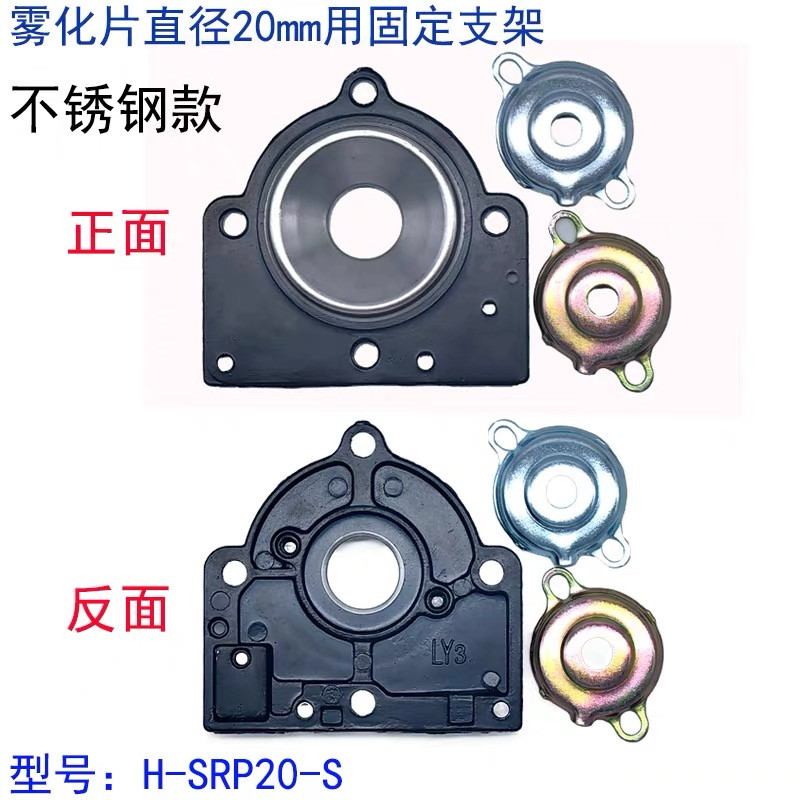
Atomizing Plate Stainless Steel Heat Sink Fixed Holder Aluminum Alloy
Machined aluminum alloy and stainless steel heat sink fixture engineered for high-frequency ultrasonic transducers and piezoelectric atomizing discs.
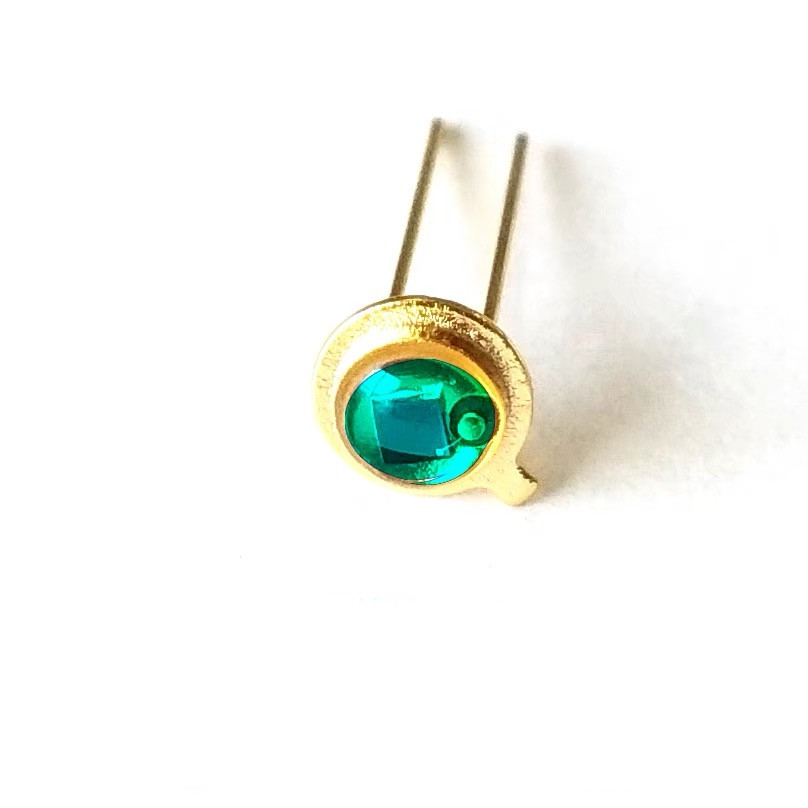
Metal Shell TO46 SG-PIN46MR-V High Speed 450nm Photodiode Photocell
Hermetically sealed TO-46 metal canister silicon photodiode calibrated for 450 nm wavelength detection, rapid rise times, and optical sensing arrays.
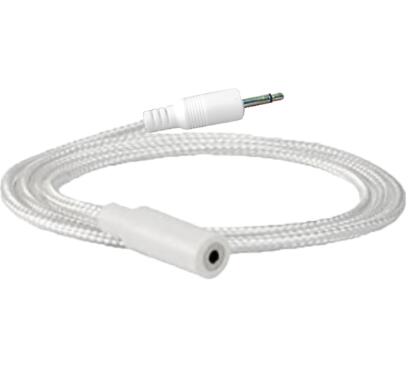
Wireless Water Leak Detection Cable & Smart Sensing Rope
Conductive polymer sensor cable engineered for mission-critical server room floors, smart home hubs, and perimeter liquid breach detection networks.
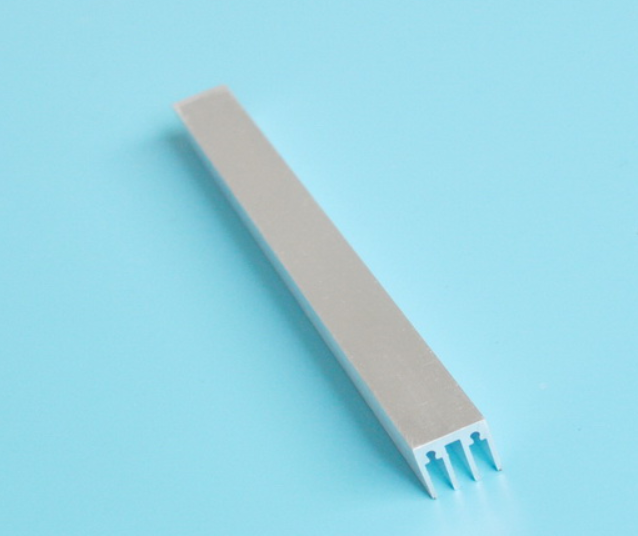
LED Comb Radiator Light Bar Triode Heatsink 16*16mm Custom Profile
Precision multi-fin comb heat sink extrusion profile optimized for linear LED FPC strips, high-power triodes, and compact industrial PCB assemblies.
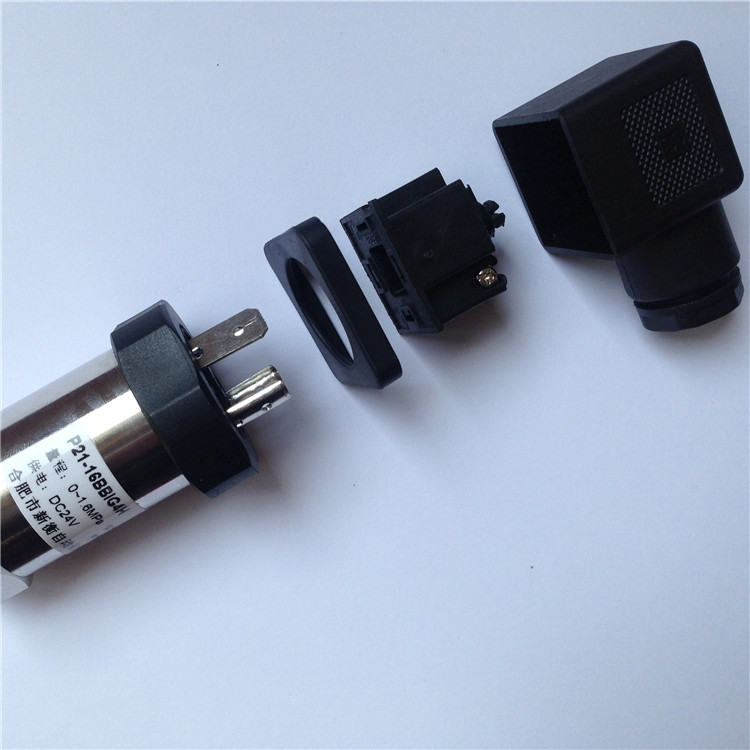
4-20mA / 0-5V Diffusion Silicon Constant Pressure Water Sensor Core
Oil-filled 316L isolated diaphragm piezoresistive pressure cell providing factory-calibrated analog feedback for booster pump systems and hydraulic pipes.
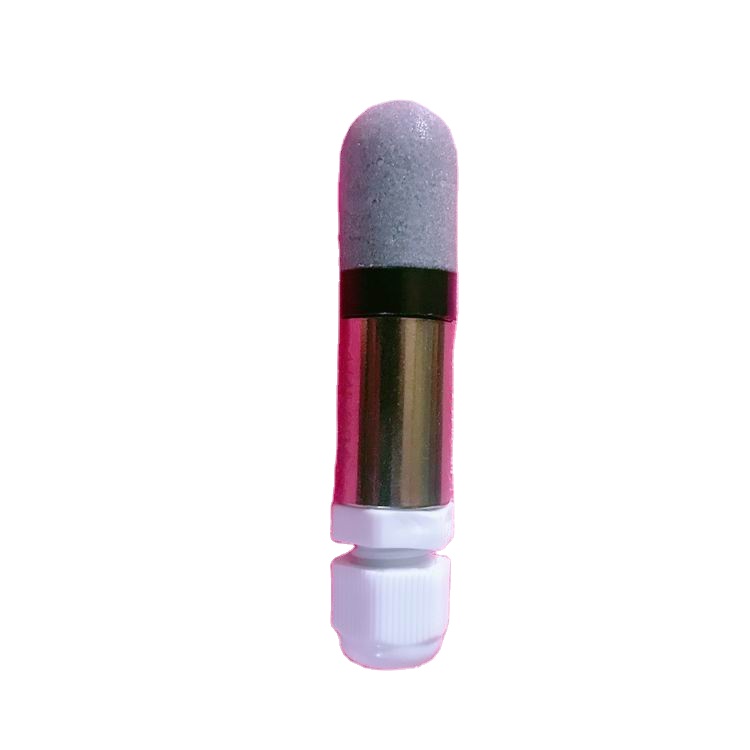
Waterproof Joint Sintered PE Sensor Shell for SHT10 SHT20 SHT30
Porous polyethylene sintered air filter cap with brass gland assembly protecting digital MEMS temperature/humidity sensors from condensed water droplets.
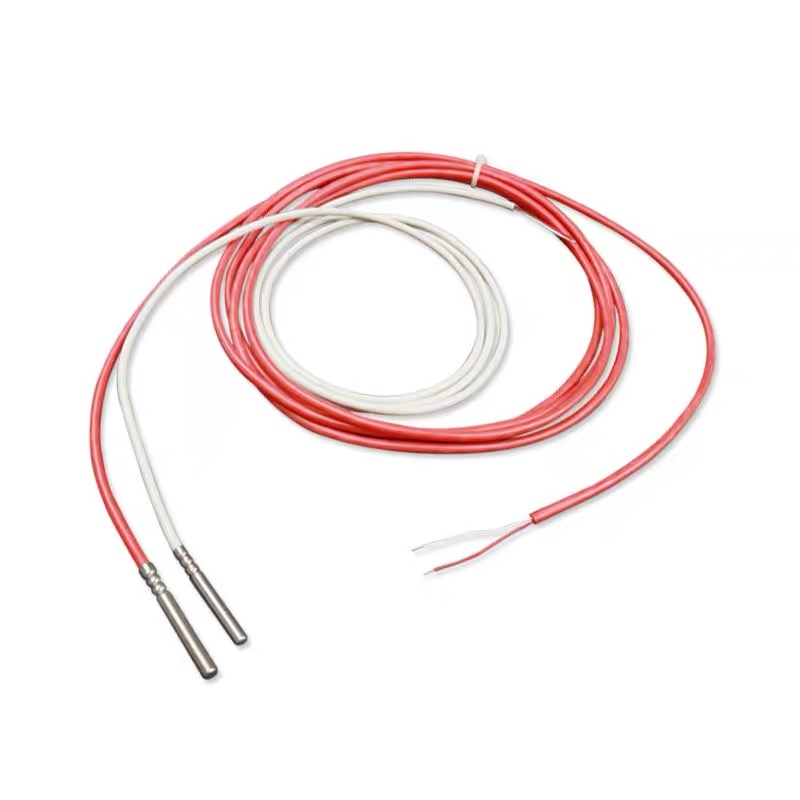
PT1000 Class A Platinum RTD Waterproof Silicone Cable Probe
Ultra-precise DIN EN 60751 Class A thin-film platinum resistor housed inside SUS304 tube potted with thermally conductive compound and high-temp silicone lead.
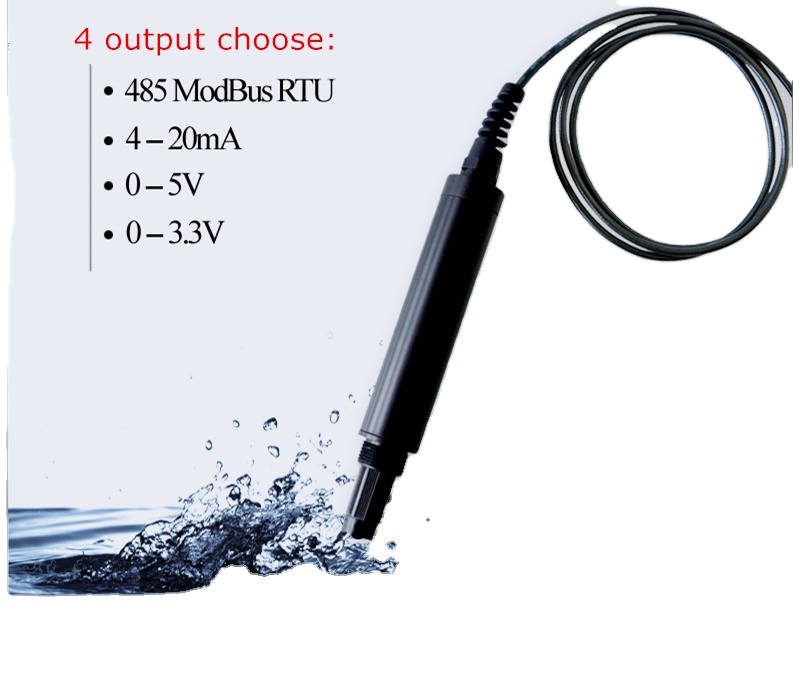
DOS-600 Digital Dissolved Oxygen Probe RS485 Modbus RTU / 4-20mA
Industrial polarographic DO electrode with integrated digital signal conditioning, automatic temperature compensation, and standard Modbus RTU telemetry.
Engineering Architecture of Modern Flexible Printed Circuits (FPC)
Unlike standard rigid FR-4 laminate substrates, engineering dynamic flexible circuits demands deep metallurgical physics, mechanical fatigue modeling, micro-via stackup integrity, and tailored dielectric insulation. Selecting an accredited flex circuit manufacturing partner directly defines signal reliability in constrained, repeatedly flexing form factors.
Substrate Selection: PI vs. LCP
Flexible copper clad laminates (FCCL) utilize either traditional Polyimide (PI) or next-gen Liquid Crystal Polymer (LCP). PI films (0.5 mil to 2 mil) deliver unmatched flexural endurance and high thermal glass transition (Tg > 300°C). LCP offers an ultra-low dissipation factor (Df ≤ 0.002 at 10 GHz) and near-zero moisture absorption (< 0.04%), essential for 5G mmWave flex lines.
Metallurgy: RA vs. ED Copper
Dynamic flexural installations mandate Rolled Annealed (RA) copper foil, whose horizontal grain microstructure withstands millions of micro-deflection cycles without fracturing. Electro-Deposited (ED) copper features a vertical columnar crystalline lattice suitable for static "flex-to-install" assemblies where bend cycles are minimal during operational lifespan.
Stiffener Dynamics & Transition
Localized mechanical support requires precise integration of FR-4, Polyimide, or laser-cut Stainless Steel / Aluminum stiffeners. Our factory enforces a graduated step-down margin (minimum 0.50 mm overlap offset between coverlay termination and stiffener boundary) to eliminate mechanical stress concentration and prevent trace shear failure.
| FPC Engineering Parameter | Standard Commercial Capability | Advanced High-Density (HDI) Flex | Design Margin Recommendations |
|---|---|---|---|
| Layer Count Range | 1 – 4 Flexible Layers | 6 – 8 Layer Rigid-Flex Bookbinder | Limit dynamic flexing sectors to 1–2 layers for maximum life |
| Min. Line Width / Trace Spacing | 0.075 mm / 0.075 mm (3/3 mil) | 0.035 mm / 0.035 mm (1.4/1.4 mil) | Maintain ≥ 4 mil spacing across dynamic bend zones |
| Dielectric Film Thickness | 25 μm (1.0 mil) Polyimide | 12.5 μm (0.5 mil) Ultra-Thin PI / LCP | Adhesiveless cast films yield superior thermal conductivity |
| Bend Radius Ratio (Static) | 10× Total Substrate Thickness | 6× with specialized neutral axis offset | Keep copper trace on neutral mechanical bending axis |
| Bend Radius Ratio (Dynamic) | 20× – 40× Board Thickness | Custom looped spring-arm trace routing | Stagger conductor traces on opposite layers to avoid I-beam effect |
| Surface Metallization | Electroless Nickel Immersion Gold (ENIG) | Electroless Ni/Pd/Au (ENEPIG) or Immersion Tin | Electrolytic Soft Gold mandatory for dynamic gold wire bonding |
Adhering strictly to IPC-2223 Sectional Design Standard for Flexible Printed Boards and IPC-6013 Qualification and Performance Specification for Flexible/Rigid-Flexible Printed Boards, our engineering division conducts pre-production Design-for-Manufacturability (DFM) audits. We verify every trace radius, tear-drop anchor, coverlay aperture, and silver shielding layer prior to tooling fabrication.
Why Global Procurement Teams Partner with Mivo Electronics
Based in Yuanshan Street, Shenzhen—the heart of the world's most agile electronics manufacturing ecosystem—Shenzhen Mivo Electronics Co., Ltd. bridges high-reliability PCB fabrication, full-turnkey SMT placement, and precision electro-mechanical component integration.
Third-Party Onsite Verified
Our operational facilities have been inspected and confirmed by independent international verification authorities and Alibaba.com onsite audits. Corporate legal registry, real production floor equipment, testing apparatus, and trade capabilities are fully documented and publicly verifiable.
Integrated Supply Chain Hub
Direct proximity to Huaqiangbei and Shenzhen's tier-1 semiconductor distributors enables rapid procurement of authentic ICs, passives, and electro-mechanical parts. Any proposed alternative or obsolete cross-reference is vetted through stringent electrical profiling and deployed only after written customer validation.
End-to-End Quality Assurance
Every FPC, rigid-flex panel, and assembled PCBA undergoes multi-stage verification: Automated Optical Inspection (AOI), Flying Probe Electrical Testing, In-Circuit Testing (ICT), X-Ray micro-BGA void validation, thermal shock testing, and high-frequency flexural fatigue endurance checks.
Future Procurement Trends in Flexible Circuit Technology (2025–2030)
Global supply chain leaders face rapid structural shifts in flexible interconnect procurement. The transition toward high-density spatial packaging across Electric Vehicles (EV), humanoid robotics, wearable biomedical patches, and high-density computing is accelerating standardizations. The following procurement trends now dictate buyer selection criteria:
1. Wire Harness Replacement by Long FPCs
Automotive BMS (Battery Management Systems) are discarding bulky copper round wire harnesses in favor of continuous roll-to-roll (R2R) manufactured FPC cables up to 2.5 meters in length. These integrate multi-point NTC temperature sensors and voltage tap leads, reducing module weight by up to 65%.
2. Total Cost of Ownership (TCO) Consolidation
Procurement managers are shifting away from disaggregated bare-board brokers. Sourcing bare FPC, SMT component population, stiffeners, ultrasonic sensor brackets, and cable pigtails from a single verified Shenzhen manufacturing group reduces assembly rejection rates and freight overhead by over 30%.
3. High-Frequency Low-Loss Dielectrics
With WiFi 7, satellite IoT, and 5G mmWave front-end antennas requiring flexible form factors, conventional polyimide with loss tangents above 0.01 is being aggressively replaced in procurement BOMs by modified polyimide (MPI) and LCP substrates to curb dielectric transmission losses.
Technological Evolution: Next-Generation Flex & Hybrid Electronics
How advanced circuit fabrication is transcending traditional planar boundaries through additive nanotechnologies, embedded passives, and active thermal management.
Embedded Bare-Die & Ultra-HDI Sub-30μm Traces
As wearable medical diagnostics and micro-robotics shrink internal cubic volumes, standard surface-mount packaging creates unacceptable Z-axis stackups. The frontier of flex manufacturing leverages Semi-Additive Processes (SAP) and modified SAP (mSAP) with ultra-thin copper foils (1/3 oz or lower) to etch lines down to 25 μm trace and space.
Simultaneously, thinning silicon dies down to 50 μm allows active integrated circuits to be embedded directly within internal polyimide core layers, encapsulated with compliant epoxy resins. This renders the circuit intrinsically flexible without exposing sensitive micro-soldered silicon leads to external shear strains.
Thermal Dissipation Synergy: Flex Meets Metal Cores
High-lumen automotive LED headlamps and high-speed motor controllers generate localized heat densities exceeding 10 W/cm². Flexible circuits naturally possess low thermal conductivity through polyimide layers (approx. 0.2 W/m·K).
Our engineering solution mates flexible circuits directly with extruded comb aluminum radiators and metal plate sinks using thermally conductive pressure-sensitive adhesives (PSA) or direct prepreg bonding. This achieves rapid heat spreading away from driver triodes, preserving electrical integrity under continuous operation.
Frequently Asked Questions (FAQ)
Authoritative, engineering-backed answers addressing the most critical technical and commercial considerations for flexible circuit sourcing.
What is the definitive mechanical difference between RA and ED copper in dynamic FPC applications?
How do you prevent trace breakage at the transition boundary between stiffener and flexible film?
1. Terminate the coverlay at least 0.50 mm inside the stiffener edge or extend it 0.50 mm beyond it.
2. Apply a controlled bead of UV-cured flexible epoxy or polyurethane bead (strain relief fillet) along the stiffener intersection.
3. Radiate all conductor traces crossing the interface without sharp 90° or 45° bends, widening trace widths by 20% across the boundary where layout constraints permit.
What engineering documentation is required to initiate a rapid-turn prototype quotation?
• Gerber Package / ODB++: RS-274X format including all copper layers, solder mask/coverlay openings, routing profile, and NC drill files.
• Fabrication Drawing: Clarifying overall finished thickness, copper weight (e.g., 0.5 oz, 1 oz), base polyimide thickness, surface finish (ENIG, Immersion Silver), and stiffener materials (FR-4, Stainless Steel, PI).
• BOM (Bill of Materials): Complete with exact manufacturer part numbers (MPN), approved second-source alternatives, package footprints, and designated reference designators.
• Assembly (Centroid / Pick-and-Place): X, Y coordinates and component rotation angles for turnkey SMT projects.
What are your Minimum Order Quantity (MOQ) thresholds for prototype development vs. volume runs?
How does Mivo Electronics ensure signal integrity and controlled impedance on multi-layer FPCs?
Can you execute surface-mount assembly (SMT) on ultra-thin flexible circuits without thermal distortion?
Accelerate Your Flexible Circuit Project with Shenzhen Engineering Precision
Submit your Gerber archives, stack-up requirements, or sensor module drawings for a thorough DFM analysis and competitive pricing proposal. Our technical engineering division reviews your tolerances, electrical paths, and mechanical bend parameters within 24 hours.