Engineered Aluminum Substrates & Integrated Sensing Hardware
Explore our industrial-grade metal core solutions, custom heat dissipators, and precision sensor systems tailored for rapid deployment into Lithuanian industrial controllers, clean mobility systems, and high-efficiency lighting arrays.
Aluminum Core PCB Architecture: Resolving Thermal Bottlenecks in Modern Power Electronics
As electronic packages undergo unprecedented miniaturization, power densities within switching devices, solid-state lighting arrays, and brushless motor drives have multiplied exponentially. In traditional epoxy-glass FR-4 laminates, thermal conductivity is inherently constrained to roughly 0.25 to 0.35 W/m·K. Under sustained operation, this creates localized junction temperatures exceeding silicon design thresholds, leading to rapid lumen degradation, gate oxide breakdown, or thermal runaway.
Metal Core Printed Circuit Boards (MCPCB), utilizing high-grade 5052 and 6061 aerospace-grade aluminum backplates, replace standard fiberglass cores with an engineered thermal dissipation sandwich. Combined with an ultra-thin, highly filled ceramic dielectric layer, heat flux generated at the component junction is transferred directly to the aluminum substrate with minimal thermal resistance, lowering junction temperatures by as much as 30°C to 45°C compared to standard multilayer FR-4.
Thermal Dissipation Mechanics of Single & Multilayer MCPCB
The structural efficiency of an Aluminum Core PCB rests upon three unified metallurgical layers:
- Circuit Copper Layer: High-purity electrodeposited copper (35μm to 140μm) etched to define trace geometry, rated for continuous high current handling without localized delamination.
- Thermally Conductive Polymer Dielectric: The core differentiator. Formulated with ceramic micro-fillers offering thermal conductivities from 1.5 W/m·K to 8.0 W/m·K while preserving extreme dielectric withstand voltage (≥ 3kV to 6kV).
- Aluminum Base Plate: Typically 1.0mm to 2.0mm 5052/6061 alloy exhibiting bulk thermal conductivity of ~138 W/m·K, acting as an integrated isothermal plane that bolts directly to external aluminum radiator modules.
| Substrate Technology | Thermal Conductivity | Dielectric Withstand | Mechanical Rigidity | Primary Industrial Use-Cases |
|---|---|---|---|---|
| Standard FR-4 Multilayer | 0.25 – 0.35 W/m·K | 15 – 20 kV/mm | Moderate (prona to flexural stress) | Low-power microcontrollers, IoT gateways, non-power sensing circuits |
| Mid-Range Aluminum MCPCB | 1.5 – 2.5 W/m·K | ≥ 3.0 kV AC | High (natural vibration resistance) | Commercial architectural LED, power supply regulators, HVAC automation |
| High-Flux Performance MCPCB | 3.0 – 8.0 W/m·K | ≥ 4.5 kV AC | Superior (CNC milled mounting holes) | Automotive LED headlamps, EV onboard battery chargers (OBC), motor controllers |
| Direct Thermal Path (Copper Core) | ≥ 385 W/m·K (Trace-to-Pad) | N/A at Direct Thermal Pad | Extreme weight & structural mass | High-power laser diodes, thermoelectric coolers (TEC), mil-spec converters |
High-Reliability Metal Core Applications Across Kaunas & Lithuania
Serving OEM engineering teams, high-tech labs, and tier-one automotive contractors located in the Kaunas Free Economic Zone (Kauno LEZ), Aleksotas Innovation Park, and the Kaunas University of Technology (KTU) Valley ecosystem.
Automotive Electronics & E-Mobility Tier Supply
Kaunas has evolved into Central Lithuania's automotive electronics powerhouse, anchored by major tier-one facilities in Kaunas FEZ producing radar sensors, camera modules, and body control units. Our CE-certified aluminum core PCBs provide the structural and thermal foundation for high-power DC-DC converters, dynamic LED driving arrays, and battery thermal management assemblies.
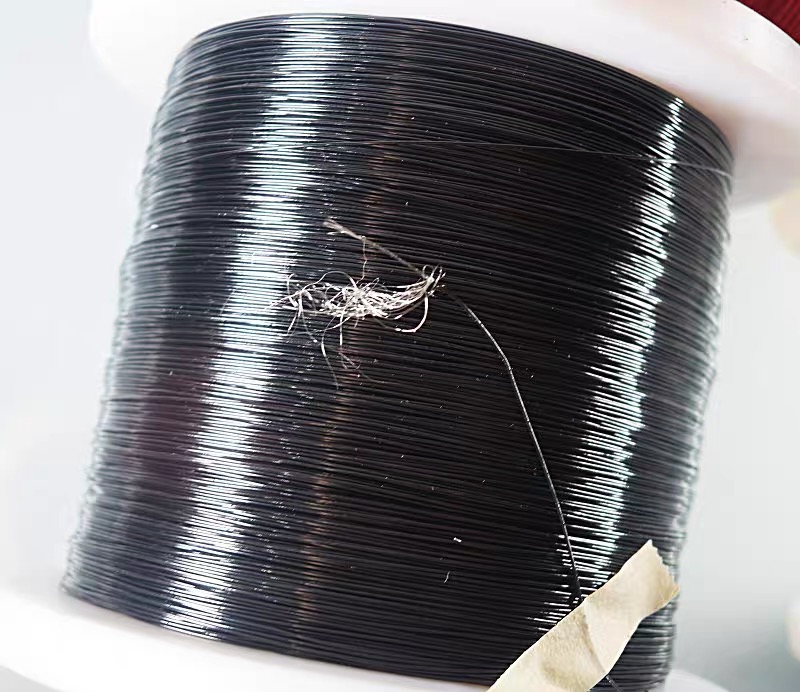
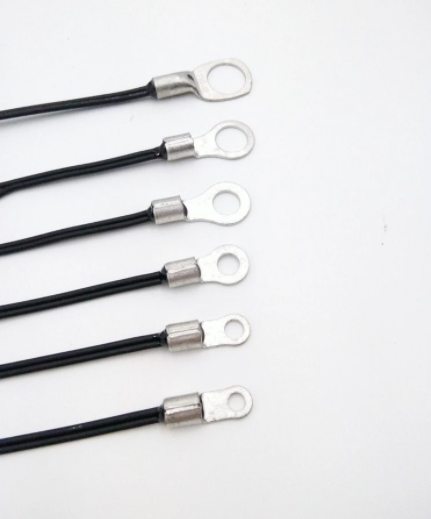
- Direct integration with EV battery NTC 100K probes for cell monitoring
- Surface mount compatibility with 0402 passives up to heavy discrete MOSFETs
- Resistant to continuous under-hood thermal cycling from -40°C to +125°C
Industrial Robotics, Inverters & Motion Control
Automation integrators across Kaunas design advanced servo amplifiers, industrial drives, and programmable logic controllers that drive modern Baltic factories. Heavy switching transistors generate substantial heat within enclosed IP67 cabinets where forced-air cooling is restricted to prevent ingress of airborne contaminants.
- Direct aluminum base chassis bolting eliminates secondary finned heatsinks
- Suppression of electromagnetic interference (EMI) via ground-plane aluminum
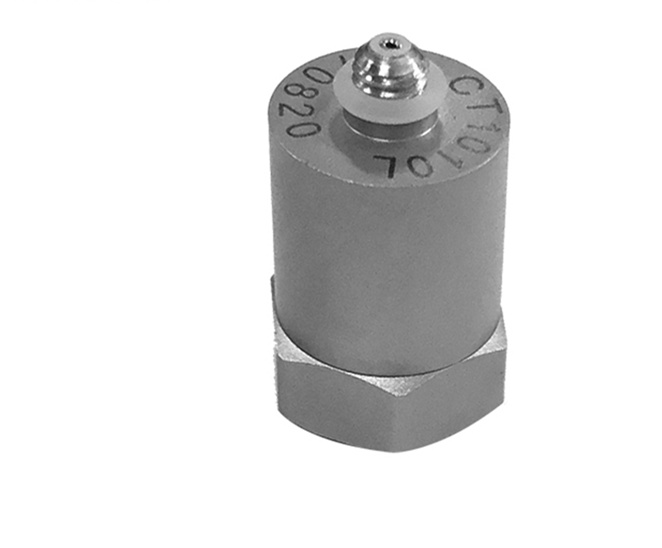
- Integration with CT1010L IEPE vibration accelerometers for predictive maintenance
High-Lumen Architectural, Horticultural & UV LED Luminaires
Lithuanian optoelectronics and solid-state horticultural lighting pioneers develop advanced spectrum grow fixtures and outdoor municipal luminaires. Maintaining junction temperature below 65°C is paramount for preserving chromaticity coordinates, photon efficiency (PPE), and meeting EU Ecodesign lighting directives.
- High-reflectivity white solder masks (≥ 88% reflectance) maximizing lumen yield
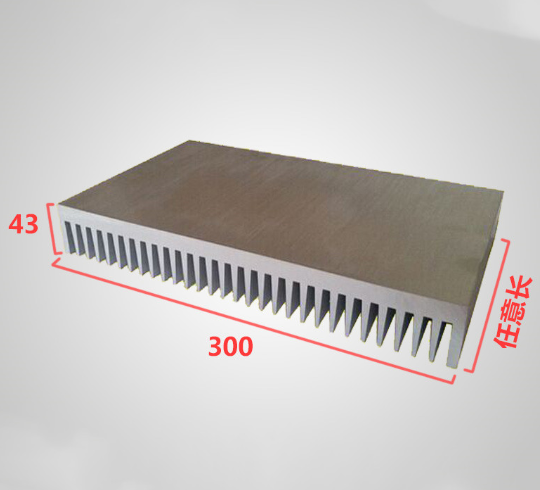
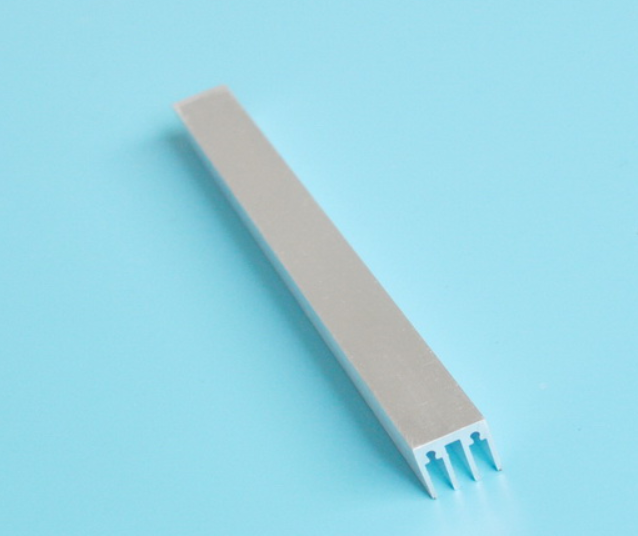
- Linear comb radiators and extruded housing-matched PCB dimensions
- Zero delamination under lead-free SAC305 reflow profiles up to 260°C peak
Biomedical Equipment & Environmental Instrumentation
With Kaunas standing as Lithuania's medical research center alongside the Lithuanian University of Health Sciences (LSMU), local engineering spin-offs develop laser therapy apparatus, sample incubators, and water quality analyzers demanding rigorous isolation and thermal stability.
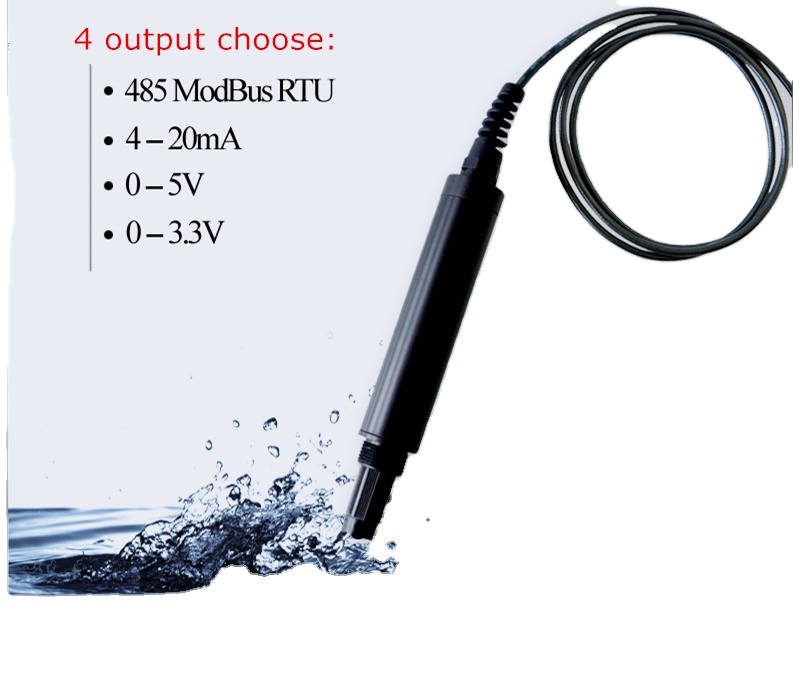
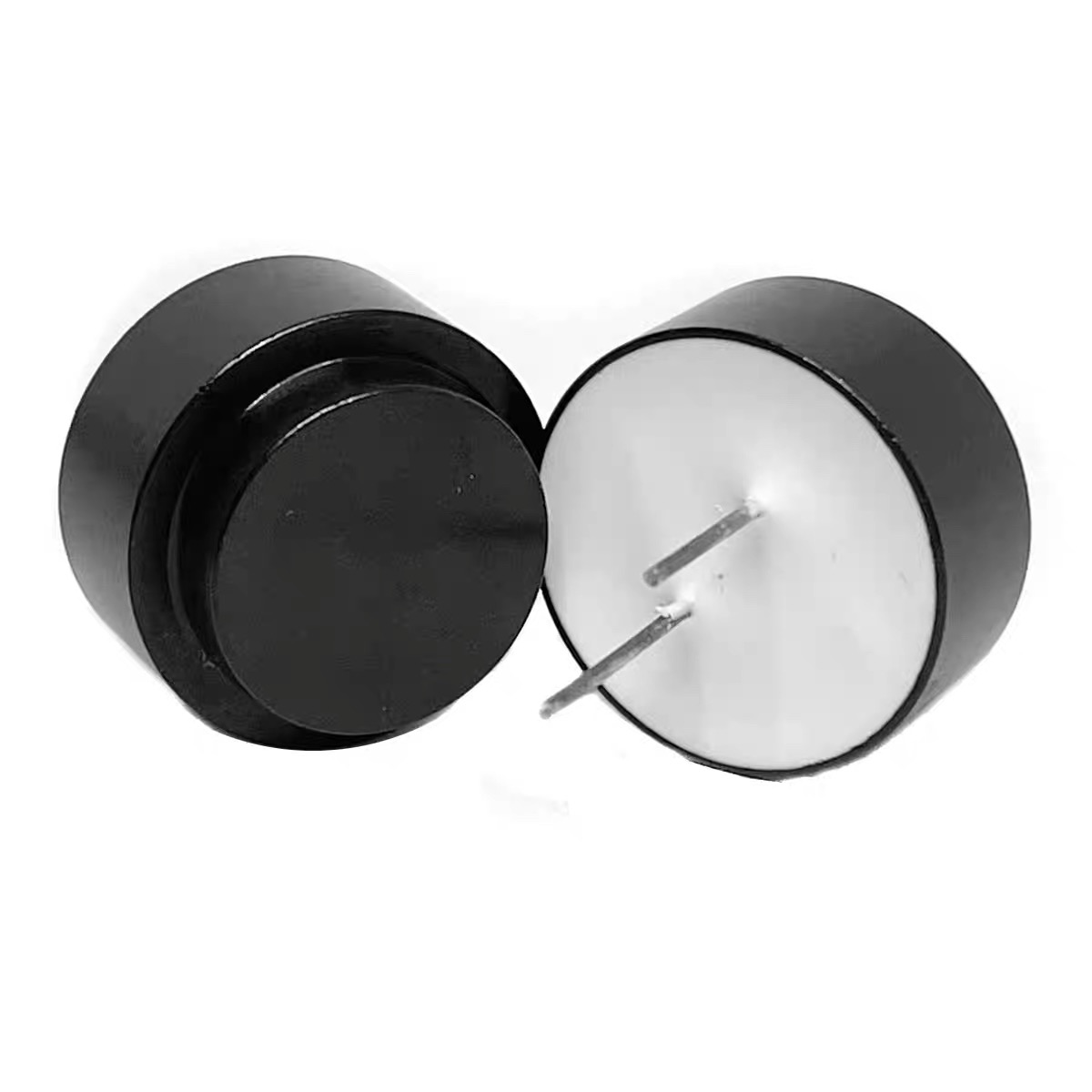
- Pairing with DOS-600 digital dissolved oxygen probes and ultrasonic modules
- Tight surface flatness tolerance (≤ 0.5%) for direct thermal paste deposition
- Rigorous CE safety marking documentation aligned with EU 2017/745 MDR frameworks
Kaunas Electronics Manufacturing: Key Trends Driving Substrate Upgrades
Strategic shifts in EU environmental standards, localized nearshoring, and clean-tech transformation dictate how Lithuanian engineering leaders source their printed circuit assemblies.
The European Green Deal & Ecodesign Directives
The European Union's strict Energy-related Products (ErP) directives mandate higher operating efficiency and circular product lifespans. By transitioning from glass-epoxy to aluminum-backed substrates, power converter efficiency is directly enhanced by keeping power semiconductors in their lowest Rds(on) thermal operating window. Lower device operating temperatures extend electrolytic capacitor lifespan, directly preventing field warranty claims across the EU single market.
Electrification of Commercial & Agricultural Transport
Lithuania's strategic location along the Via Baltica and Rail Baltica logistics corridors has fostered an agile ecosystem of electric bus conversions, autonomous agricultural machinery, and battery pack assembly houses. Metal core PCBs are no longer restricted to lighting; they serve as high-amperage busbars, integrated pre-charge resistor boards, and smart Battery Management System (BMS) sub-modules able to absorb severe mechanical shocks.
Agile Prototyping & Dual-Track Supply Security
Kaunas engineering directors have moved away from single-source reliance. Engineering prototypes demand fast iterations starting from 5 pieces to prove thermal layout before tooling commitments. Direct Shenzhen factory partnerships with onsite verification bridge the gap: prototype boards delivered to Kaunas via express air in days, followed by volume production containers dispatched seamlessly under standardized CE / RoHS / REACH documentation.
Shenzhen Mivo Electronics: Your Accountable Thermal PCBA Partner
When sourcing aluminum core printed circuit assemblies from overseas, Baltic purchasing managers require absolute proof of manufacturing capability, supply continuity, and strict quality governance. Shenzhen Mivo Electronics Co., Ltd. operates an onsite-verified production facility in Shenzhen, China, bringing 8+ years of dedicated international export expertise directly to European B2B clients.
Unlike broker houses, Mivo controls the complete electronic value chain: from raw aluminum base laminate preparation, high-speed CNC routing, and ceramic-filled dielectric bonding, to automated Surface Mount Technology (SMT) component placement, reflow soldering, and post-assembly functional verification.
Verified Supplier Credentials for Overseas Risk Mitigation:
- Physical Onsite Check: Premises verified onsite by independent inspection agency and Alibaba.com.
- Track Record of Reliability: Over 8 years of audited international trade transactions with a 4.7 / 5.0 verified buyer rating.
- Full In-House Ecosystem: Bare board fabrication, matching laser-cut SMT stencils, certified active component sourcing, and custom cable/sensor manufacturing.
- Design For Manufacturability (DFM): Every Gerber package is scrutinized by senior CAM engineers for trace clearances, dielectric creepage, and solder mask bridges prior to copper imaging.
Standard Factory Quality Assurance Checklist
Every single batch of CE-certified aluminum core PCBs dispatched to Kaunas is produced under documented aerospace and automotive inspection standards:
- Dielectric Hi-Pot Testing: 100% test of dielectric insulation between copper trace and aluminum base (standard 3000V AC / 50Hz, 1 minute duration; zero dielectric breakdown).
- Automated Optical Inspection (AOI): High-resolution optical scanning verifying zero solder bridges, tombstoning, component skew, or dry joints.
- Thermal Stress Testing: Float solder test at 288°C for 3 cycles (10 seconds each) checking for substrate micro-delamination, blister formation, or dielectric fracture.
- Copper Peel Strength Verification: Strict compliance to IPC-TM-650 Method 2.4.8 verifying foil peel strength ≥ 1.4 N/mm on all production panels.
- Precision Solder Mask Chemistry: Specialized high-temperature, non-yellowing white / black gloss masks with > 6H pencil hardness for optical applications.
- ESD-Safe Moisture Barrier Packaging: Vacuum heat-sealed anti-static shielding bags with humidity indicator cards and desiccant packs.
Frequently Asked Questions for Lithuanian Engineers & Buyers
Clear, direct answers regarding CE conformity, Baltic logistics customs, DFM file preparation, and small-batch prototype scheduling.
What specific CE and EU directives apply to Aluminum Core PCBs imported into Lithuania?
How are shipments routed to Kaunas, and what are typical lead times?
Can we start with small-volume prototype orders before committing to mass production?
What engineering documentation is required to generate a formal DFM quote?
Can you integrate custom thermal heatsinks and temperature sensors directly with the PCB order?
How do you prevent galvanic corrosion between the aluminum base and steel chassis enclosures?
Accelerate Your Next High-Power Electronic Design
Send your Gerber files, thermal requirements, and BOM specifications today. Our engineering team will review your layout for thermal efficiency, confirm CE compliance protocols, and provide a comprehensive manufacturing quote within 24 hours.