Direct Factory Inventory & Integrated Assemblies
Featured Thermal Management, Sensor & Electronic Hardware
Shenzhen Mivo Electronics integrates advanced extruded aluminum profiles with industrial sensors, micro-coaxial transmission, and precision monitoring components for overseas telecom, mining, and power generation installations.
209 W/m·K
AL6063 Thermal Conductivity Benchmark
1000+ Hrs
ASTM B117 Marine Salt-Spray Endurance
8+ Years
Onsite Verified Direct Export Experience
5 Pcs
Ultra-Low MOQ for Rapid Prototyping
Thermal Engineering Whitepaper
Thermodynamic Challenges of Heat Dissipation in Yaren's Equatorial Coastal Ecosystem
Operating critical electronic hardware, solar energy storage systems, and telecommunication transceivers within Yaren District, Republic of Nauru (0°32′S latitude), imposes harsh thermal and chemical stresses seldom encountered in continental manufacturing hubs. Characterized by high solar irradiance (>5.5 kWh/m²/day), persistent ambient temperatures ranging from 28°C to 34°C, and an oceanic relative humidity frequently sustaining 80% to 92%, the local ambient cooling delta (ΔT) is drastically constrained. When the thermal gradient between the semiconductor junction (Tj) and ambient air (Ta) shrinks, natural convection efficiency drops steeply by up to 35% compared to standardized 20°C testing baselines.
The microclimate surrounding Yaren, bordering the open Pacific, carries continuous airborne salt aerosol composed primarily of sodium chloride (NaCl), magnesium chloride (MgCl₂), and trace sulfates. For standard extruded aluminum heatsinks, this atmospheric chemistry initiates rapid galvanic and pitting degradation. Aluminum's natural protective passive oxide layer (Al₂O₃) breaks down in the presence of aggressive chloride ions (Cl⁻), establishing microscopic electrochemical cells where localized corrosion penetrates grain boundaries, undermining mechanical strength and fin conductive efficiency.
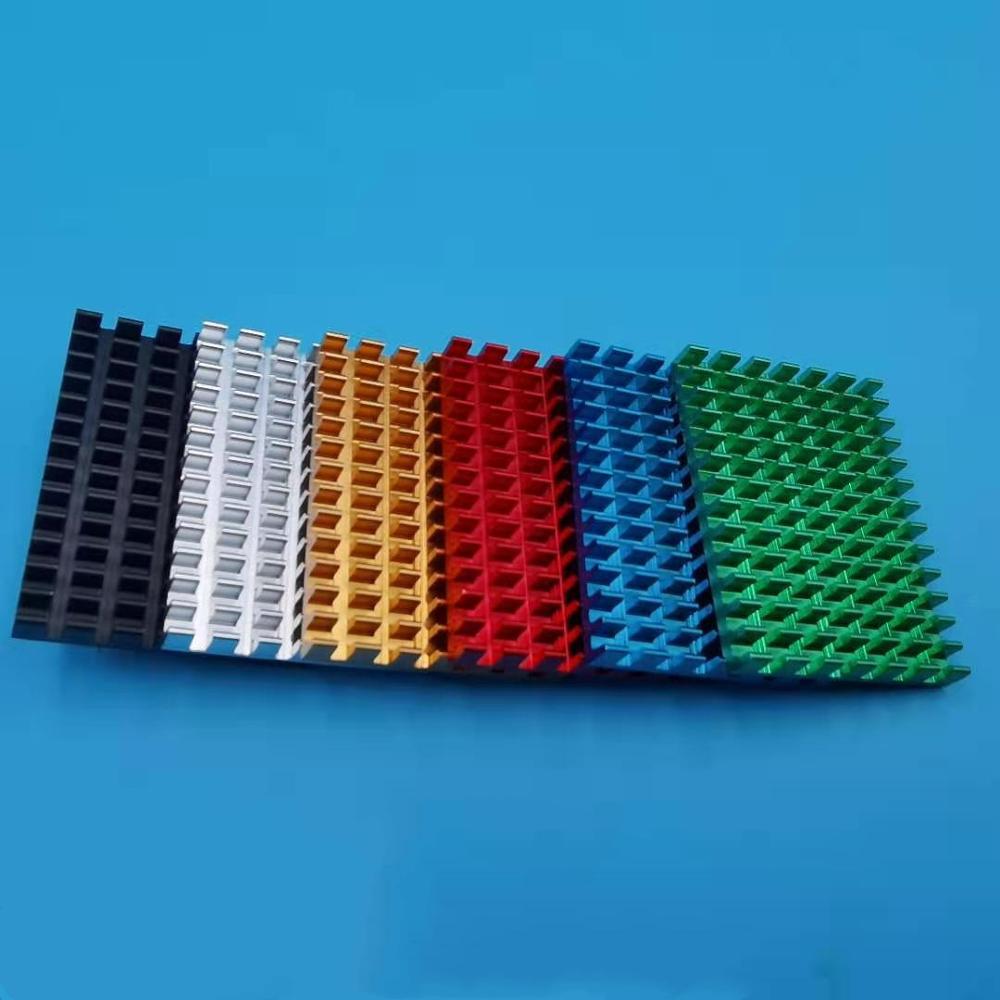
To survive in Nauru's equatorial perimeter without catastrophic thermal runaway, engineered extruded radiators require rigorous material composition control, fin geometry optimization, and high-integrity surface treatments. Shenzhen Mivo Electronics deploys high-purity AL6063-T5 and AL6061-T6 alloys characterized by thermal conductivities of 201–209 W/m·K and 167–180 W/m·K respectively, combined with Mil-A-8625 Type II and Type III Class 2 anodic oxidation processes that yield thick, sealed aluminum oxide coatings impervious to saline degradation.
Targeted Deployment
Mission-Critical Thermal Applications Across Nauru's Key Sectors
From decentralized solar microgrids to maritime logistics and coastal data infrastructure, custom-profile aluminum radiators provide the silent, unpowered thermal safeguard required across Yaren.
Photovoltaic Inverters & Microgrid BESS
In equatorial Nauru, solar PV installations form the backbone of national energy transition programs. Our high-aspect-ratio (up to 22:1) extruded aluminum heat sinks dissipate massive junction heat loads generated by IGBT and SiC MOSFET switching devices within string inverters and modular Battery Energy Storage Systems (BESS), maintaining junction temperatures safely below the 110°C thermal throttle threshold under relentless direct sunlight.
Island Telecom Towers & Satellite Gateways
Remote telecommunication shelters, LTE/5G Base Transceiver Stations (BTS), and satellite ground terminals situated around Yaren's coastline depend on completely passive, fanless thermal radiators. Eliminating failure-prone active cooling fans avoids coastal salt-crusting and bearing seizure, while our anodized extruded heat spreaders protect radio frequency (RF) power amplifiers from thermal drift and out-of-band signal degradation.
Seawater Desalination & Port Infrastructure
Continuous water supply in Nauru depends on reverse osmosis (RO) desalination and robust marine port operations. Variable frequency drives (VFDs) and high-power motor drivers operating near seawater channels face severe corrosion. We supply hard-anodized, C5-M rated heavy-extruded heatsink blocks with precision CNC-milled surfaces (flatness within 0.02 mm/100mm) that seal hermetically with thermal interface materials (TIM).
Material Metallurgy & Performance
Engineering Metallurgy Comparison: Selecting Profiles for Equatorial Marine Service
Thermal conductivity must be balanced with structural tensile strength, extrusion moldability, and surface passivity under C5 marine atmospheric categories.
| Alloy & Temper | Thermal Conductivity (W/m·K) | Yield Strength (MPa) | Fin Density & Extrusion Ratio | Corrosion Resistance (Marine Saline) | Recommended Yaren Applications |
|---|---|---|---|---|---|
| AL6063-T5 (Precision Extruded) | 201 – 209 | 145 – 170 | High (Aspect Ratio up to 22:1) | ✔ Excellent with 25µm Anodizing | Solar Inverters, Telecom Cabinets, PCB Power Coolers |
| AL6061-T6 (Structural Extruded) | 167 – 180 | 240 – 276 | Medium (Aspect Ratio up to 14:1) | ✔ Superior Tensile Strength | Vibration-Prone Maritime Drives, Port Heavy Machinery |
| AL1070 (Cold Forged / Skived) | 226 – 236 | 65 – 85 | Ultra-High (Pin Fin / Ultra Thin) | Moderate (Prone to surface scratching) | Enclosed Indoor Computing, Dense Server Nodes |
| ADC12 (Die Cast Aluminum) | 96 – 113 | 150 – 165 | Complex 3D Enclosure Shapes | Fair (Requires Electrophoretic/Powder Coat) | Integrated IP67 Shells with Embedded Heatsink Fins |
Market Intelligence
Emerging Thermal Management Trends in Nauru & the Central Pacific
As the Republic of Nauru accelerates initiatives under the National Sustainable Development Strategy (NSDS), energy decentralization and communication modernization have shifted procurement criteria for mechanical and electrical hardware. The historical practice of importing standard consumer-grade consumer electronics radiators via regional intermediary hubs in Oceania frequently resulted in premature equipment failure due to inadequate corrosion protection and high replacement costs caused by prolonged maritime supply chains.
Key operational trends currently shaping engineering sourcing for Yaren include:
- Shift from Active to Super-Sized Passive Radiators: Active cooling fans ingest salt-laden moisture, causing bearing failures and particulate accumulation between tight radiator fins within months. Pacific project contractors are increasingly designing oversized passive extruded aluminum heat sinks that use natural buoyancy airflow, drastically reducing remote site maintenance and failure risks.
- Specification of ASTM B117 Salt Spray Standards: Specifiers for government and commercial tenders across Micronesia now explicitly require independent verification of surface coatings. Clear or black anodized coatings conforming to Mil-A-8625 Type II Class 2 (film thickness ≥20–25 μm) with nickel acetate hydrothermal sealing are mandatory to prevent white rust formation and structural pitting.
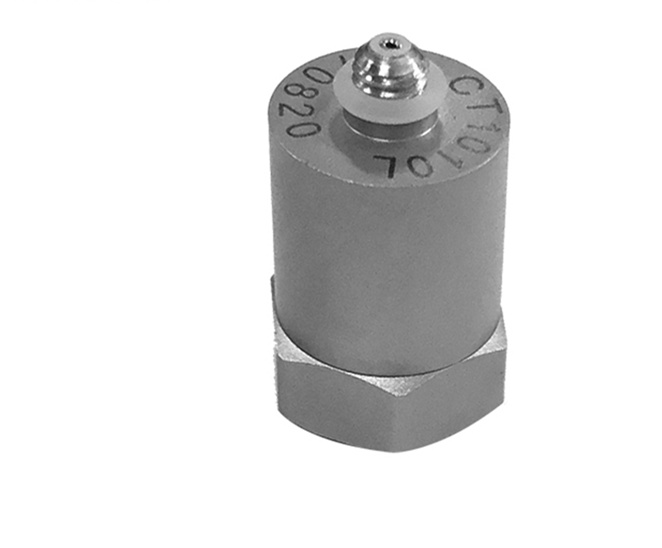
- Consolidated Electronics Hardware Sourcing: Engineering directors in Yaren are moving away from isolated commodity brokers. By partnering directly with advanced Shenzhen manufacturing clusters like Mivo Electronics, Pacific buyers consolidate extruded radiators, surface-mounted thermal interface materials (TIM), precision PT100/NTC thermal monitoring probes, and turnkey PCBA boards into single, verified container shipments.
- Thermal Simulation Verification Prior to Tooling: Sourcing to remote island locations requires zero tolerance for redesign cycles. CAD engineers now demand CFD (Computational Fluid Dynamics) simulation reports verifying thermal resistance ($R_{th}$ in °C/W) against Yaren's specific 35°C ambient temperature profile before extruding custom dies.
Why Choose Us
Direct Factory Engineering, Extrusion Mastery & Global Sourcing
Shenzhen Mivo Electronics bridges the gap between precision thermal extrusion manufacturing and turnkey electronic integration, backed by verified credentials and complete testing infrastructure.
Low Prototyping Barrier: From 5 Pieces
Unlike conventional extrusion mills that demand multi-ton minimum orders, we support R&D teams and regional contractors in Nauru with rapid prototyping runs starting from just 5 pieces. Prototype your custom profiles using existing tooling or fast-turn tooling dies before committing to bulk container shipments.
Onsite-Verified Factory & 8-Year Export History
Shenzhen Mivo Electronics has been audited and onsite-verified by international inspection agencies. Having traded globally for more than 8 years with an average buyer satisfaction rating of 4.7/5, our documentation, RoHS declarations, and quality tracking systems ensure smooth customs clearance and compliance.
Full Precision CNC Post-Processing
An extrusion profile is only as good as its secondary machining. Our facility operates multi-axis CNC milling centers, precision cross-cut saws, tapping machines, and automated deburring lines. We deliver ready-to-mount heat sinks with countersunk mounting holes, thermal sensor slots, and high-flatness base plates (≤0.015mm).
Comprehensive Thermal-PCBA Synergy
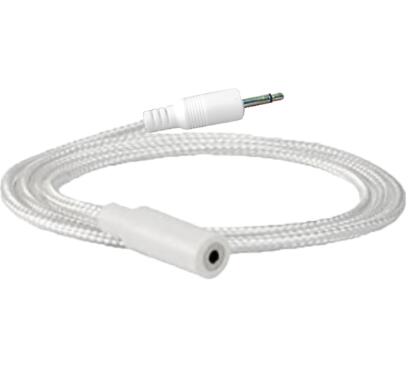
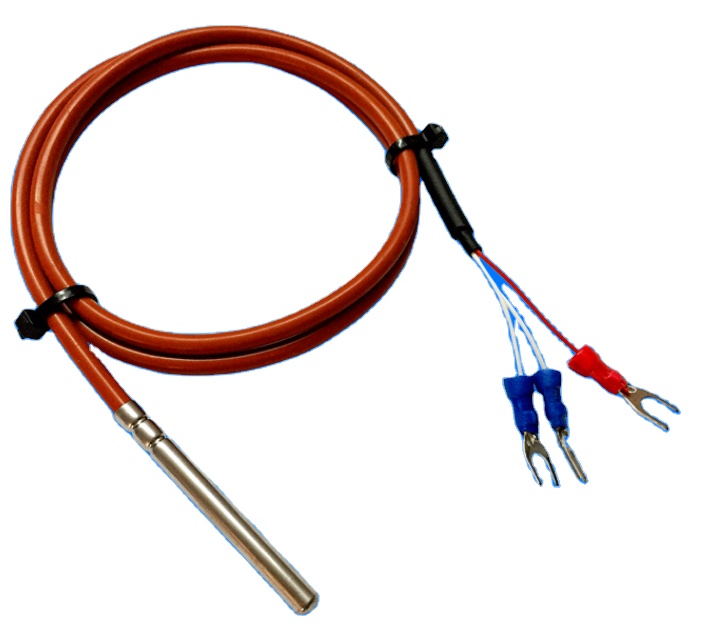
Avoid coordinating separate contracts between metal fabricators, PCB manufacturers, and sensor suppliers. Mivo provides complete electromechanical integration: we fabricate aluminum-core PCBs (MCPCB), manufacture waterproof PT100/NTC probes, mount components via high-speed SMT, and fasten radiators in a certified ESD-controlled line.
Marine-Grade Anodizing & Surface Treatments
Our automated surface treatment line supports matte black anodizing, clear natural anodizing, hard anodizing up to 50μm, chemical conversion coating (chromate / RoHS-compliant SurTec 650), and specialized hydrophobic ceramic topcoats that prevent salt film accumulation in Pacific offshore deployments.
Ruggedized Maritime Packaging & Ocean Freight
Long transit times across Pacific ocean lanes require specialized packaging. Every radiator consignment is packed with vacuum desiccant bags, VCI (Volatile Corrosion Inhibitor) interlayers, individual protective dividers to prevent fin warping, and heat-treated export-grade fumigated wooden crates built for transshipment.
Procurement Guide
Frequently Asked Questions: Sourcing Heatsinks for the Yaren Market
Clear, technically rigorous answers covering logistics, anti-corrosion engineering, testing standards, and minimum order requirements.
How do you ensure aluminum heat sinks survive Yaren's extreme marine salt fog?
We subject all extruded aluminum heatsinks intended for marine and coastal island applications to standardized chemical pre-treatment followed by sulfuric acid anodizing (Mil-A-8625 Type II, Class 2). For severe marine environments in Nauru, we specify an anodic coating thickness of ≥20–25 μm, followed by nickel acetate hydrothermal pore sealing. This treatment withstands continuous neutral salt spray testing (ASTM B117) exceeding 1,000 hours without pitting or white oxide formation, ensuring electrical isolation and preserving thermal emissivity (ε ≈ 0.85–0.90).
What is the typical shipping lead time and logistical route from Shenzhen to Nauru?
For rapid prototyping and urgent emergency repair hardware, we dispatch via air freight express (DHL, FedEx, UPS) with delivery times to Yaren typically taking 7 to 12 working days depending on flight connections via Brisbane or Nadi. For volume manufacturing and bulky aluminum profiles, shipments are routed via ocean freight from Shenzhen/Guangzhou ports to Nauru Port via transshipment hubs in Brisbane (Australia) or Suva (Fiji). Maritime transit schedules usually range from 28 to 42 calendar days. All shipments include complete commercial invoices, packing lists, certificates of origin, and material inspection reports for clearance through Nauru Customs.
Can Mivo supply matching thermal pads, hardware, and temperature sensors with the radiators?
Yes. As a verified one-stop electronics and PCBA manufacturer, we routinely provide turnkey thermal packages. We supply pre-cut, high-conductivity silicone thermal pads (1.5 to 12.0 W/m·K) or phase change materials (PCM), stainless steel 316 spring-loaded push pins or mounting brackets, and integrated temperature monitoring sensors such as our waterproof PT100 RTD probes or calibrated NTC thermistors wired directly to matching connectors.
What technical data is required to calculate thermal resistance and recommend an extrusion profile?
To calculate the required thermal resistance ($R_{th} = (T_{junction} - T_{ambient}) / Q_{power}$), please provide: total power dissipation in Watts ($Q$), maximum allowable semiconductor case/junction temperature ($T_j$), maximum expected ambient temperature in Yaren (typically 35°C to 40°C in outdoor unventilated enclosures), physical dimensional envelopes (maximum length, width, and fin height restrictions), and whether the system relies on natural air convection or forced air cooling (including fan CFM rating and air velocity).
What is your minimum order quantity (MOQ) for custom-extruded aluminum heat sinks?
For off-the-shelf standard profiles requiring custom cut lengths, CNC milling, drilling, and tapping, our MOQ starts at just 5 to 10 pieces, making it ideal for pilot projects, solar inverter upgrades, and remote infrastructure maintenance. For completely new custom extrusion cross-sections requiring a dedicated extrusion die, the tooling fee covers the first prototype batch of 10 to 50 sample pieces, after which volume production carries an MOQ of 500 kg of aluminum extrusion (or equivalent finished parts). Tooling lead times are typically 10 to 14 days, followed by 3 to 5 days for prototype sample delivery.
How do you prevent galvanic corrosion when mounting copper heat pipes or power devices to aluminum?
Direct electrical contact between copper (standard electrode potential +0.34V) and aluminum (-1.66V) creates a severe galvanic cell when exposed to marine humidity and electrolyte-carrying salt spray. To prevent galvanic corrosion, we employ several engineering countermeasures: (1) Applying nickel or tin plating to copper contact surfaces or embedded heat pipes; (2) Applying dielectric anodized barriers to aluminum contact pads; (3) Utilizing marine-grade A4 (AISI 316) stainless steel mounting hardware isolated with non-conductive nylon or PTFE washers; and (4) Recommending non-silicone, anti-corrosive thermal interface compounds with low ionic impurity levels.