Engineering Whitepaper: Advanced Extruded Aluminum Heat Sink Radiators for Nordic Electronics
As the electrical engineering and hardware technology capital of Norway, Oslo spearheads the Scandinavian transition toward high-density power electronics, maritime electrification, subsea sensor integration, and sustainable urban infrastructure. In applications ranging from the retrofitting of electric passenger ferries across the Oslofjord to ultra-fast electric vehicle (EV) charging stations and data center heat recovery systems, the demand for precision-engineered, high-performance thermal management has grown exponentially.
Thermal management is no longer merely a packaging afterthought; it is a fundamental reliability determinant. For Oslo hardware design houses, industrial power OEMs, and telecom equipment designers, heat sinks must deliver maximum volumetric thermal dissipation efficiency while enduring harsh Scandinavian environmental factors. These factors include sub-zero operating ambients, high humidity, maritime salt-spray corrosion, and rigorous cyclical thermal shock.
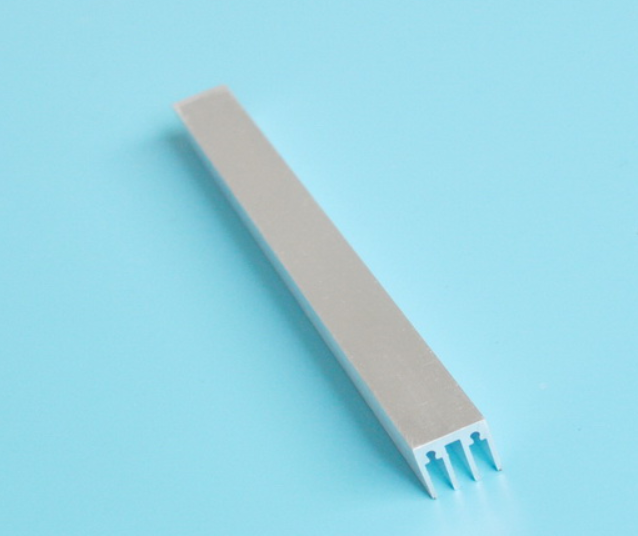
Key Engineering Takeaway: Modern power architectures—incorporating Wide Bandgap (WBG) semiconductors such as Silicon Carbide (SiC) MOSFETs and Gallium Nitride (GaN) HEMTs—exhibit junction thermal flux densities often exceeding 60 W/cm². Dissipating these concentrated thermal profiles within Oslo's strict spatial constraints demands custom extruded aluminum radiators that maximize convective surface area, maintain low base thermal resistance ($R_{base}$), and leverage high thermal-conductivity alloys.
Metallurgical Foundations: Alloy Selection and Thermal Dynamics
The performance of an extruded aluminum heat sink radiator is primarily dictated by its alloy chemistry, metallurgical temper, and the microstructural integrity developed during extrusion. Standard die-cast aluminum alloys (such as A380 or ADC12) provide complex geometries but suffer from low bulk thermal conductivity—typically between 96 and 113 W/(m·K)—due to high silicon and iron impurity levels. Conversely, precision structural extrusion enables the deployment of wrought 6000-series alloys, which offer superior thermal and mechanical characteristics.
At Shenzhen Mivo Electronics, our Oslo engineering partners predominantly standardize across two critical extrusion grades:
- AL6063-T5 / T6: The benchmark alloy for convective thermal dissipation profiles. AL6063 provides a bulk thermal conductivity ($\lambda$) of approximately 201 to 209 W/(m·K). Its superior extrudability allows our precision tooling to achieve ultra-thin fin profiles, fin-to-gap aspect ratios exceeding 18:1, and acute fin pitches that maximize total convective boundary surface area without inducing premature die choking.
- AL6061-T6: When a heat sink profile serves a structural load-bearing role—such as a structural chassis wall in Oslo marine battery management systems (BMS) or heavy-duty railway inverters—AL6061 is preferred. While offering a slightly reduced thermal conductivity of 151 to 167 W/(m·K), it delivers vastly superior yield strength (276 MPa vs. 145 MPa for 6063) and exceptional machinability for post-extrusion CNC tapped holes, face-milling, and subsea pressure-hull mounting.
Delivers up to 95% higher thermal transport speed compared to standard cast radiator alloys used in generic assemblies.
Advanced extrusion press tooling enables ultra-dense fin matrices that multiply heat dissipation area inside compact enclosures.
High-speed CNC fly-cutting eliminates air voids between IGBT cold plates and thermal interfaces, minimizing thermal contact resistance.
Technical Matrix: Comparative Analysis of Radiator Geometries
To assist mechanical and thermal hardware engineers in Oslo during early-stage prototyping and New Product Introduction (NPI), the following matrix contrasts standard heat sink topologies against custom extruded profiles engineered by Shenzhen Mivo Electronics:
| Radiator Construction | Thermal Conductivity | Max Fin Aspect Ratio | Tooling / NRE Cost | Oslo Application Profile |
|---|---|---|---|---|
| Custom Extruded 6063 Aluminum | 201 – 209 W/(m·K) | 16:1 to 24:1 | Low to Moderate (Die-based) | EV fast chargers, telecom base stations, maritime power packs, LED lighting |
| Die-Cast Aluminum (ADC12 / A380) | 96 – 113 W/(m·K) | 4:1 to 6:1 | High (Cast mold tooling) | Complex external waterproof enclosures with integrated coarse low-profile fins |
| Bonded / Fabricated Fin Radiator | 180 – 200 W/(m·K) (Epoxy limited) | 30:1 to 45:1 | Low (Minimal tooling) | High-power industrial UPS and variable frequency drives exceeding standard extrusion widths |
| Skived Fin Pure Copper / Aluminum | 210 (Al) / 395 (Cu) W/(m·K) | 25:1 to 40:1 | Low NRE (High unit machining cost) | Ultra-dense server CPU / GPU cooling cassettes for high-performance computing centers |
Localized Application Scenarios Across Oslo and the Nordic Region
Designing electronic hardware for the Greater Oslo Region demands a profound understanding of Scandinavian operational conditions. Oslo’s climate, municipal environmental mandates, and distinct industrial ecosystems require specific thermal profile adaptations:
1. Electric Ferries & Maritime Fjord Systems
Oslo’s public transport infrastructure (including Ruter’s passenger ferries crossing the Oslofjord) is rapidly electrifying. Our marine-grade extruded heat sinks feature anodic oxide coatings of 20–25 µm (MIL-A-8625 Type II/III Class 1) that resist salt-spray corrosion according to ISO 9227 test standards, dissipating heat from high-current battery pack balancing circuits and maritime propulsion inverters.
2. Sub-Zero EV Fast Charging Hubs
Norway maintains the world’s highest per-capita EV adoption rate. Fast DC chargers deployed across Oslo experience temperature swings from -25°C in deep winter to +30°C in direct summer sun. Our thermal extrusion profiles are engineered to prevent micro-fracturing under rapid thermal cycling and include specialized anti-condensation channel geometries that direct meltwater away from sensitive control electronics.
3. Sustainable Data Centers & District Heat Recovery
Oslo's strict environmental regulations incentivize data centers to feed rejected server heat back into the municipal district heating grid (Fjernvarme). We engineer specialized hybrid extruded cold plates with integrated liquid cooling channels and high-surface-area comb radiators, facilitating efficient heat capture and fluid transfer to external secondary heat exchangers.
Emerging Technology Trends in Oslo's Electrification Landscape
As the Norwegian market moves aggressively toward carbon-neutral industrial operations, three technological trends dominate local hardware procurement:
1. Carbon Transparency and Low-Carbon Aluminum Sourcing: Driven by corporate sustainability reporting and Norway’s sovereign environmental directives, Oslo procurement officers increasingly demand cradle-to-gate carbon footprint disclosures. By utilizing hydro-powered extrusion billets and recycled aluminum fractions, our manufacturing processes significantly reduce the embodied carbon per kilogram of manufactured heatsink material, complying with EU Carbon Border Adjustment Mechanism (CBAM) frameworks.
2. Transition to Wide-Bandgap (SiC/GaN) Power Assemblies: With local R&D institutions such as SINTEF and the University of Oslo advancing next-generation clean-energy hardware, standard heatsinks with thick bases and wide fin pitches are obsolete. Designers require complex, high-aspect-ratio comb profiles capable of interfacing directly with high-frequency resonant power converters. Our Shenzhen manufacturing lines utilize multi-cavity precision extrusion tooling that balances wall thickness down to 0.8 mm without warping, enabling high heat-transfer coefficients in forced-air wind tunnels.
3. Integrated Subsystem Modules (Thermal + PCBA): Oslo hardware startups and mid-market industrial firms increasingly prefer single-source turn-key procurement. Rather than buying bare heat sinks from one machine shop, assembling thermal interface materials (TIM) via another vendor, and populating PCBs elsewhere, our integrated facility at Shenzhen Mivo Electronics delivers fully populated, reflow-soldered, and mechanically secured thermal-electronic assemblies tested to operational specifications.
Enterprise Manufacturing Capabilities: Shenzhen Mivo Electronics Co., Ltd.
Headquartered in the global electronics manufacturing epicenter of Shenzhen, Guangdong, Shenzhen Mivo Electronics bridges the gap between precision aluminum metal fabrication and turnkey PCB assembly. As an onsite-verified supplier with over eight years of uninterrupted export history to European markets, we empower Oslo design houses to scale seamlessly from 5-piece functional prototypes to volume shipments.
Established Year
Specialist Engineers & Staff
Verified Buyer Rating
Low MOQ for Prototype PCBA
Why Oslo Engineers and Purchasing Managers Partner with Mivo Electronics
Navigating cross-border supply chains requires uncompromised transparency, rigorous engineering compliance, and predictable logistics. When sourcing extruded aluminum heat sinks and integrated electronics from Shenzhen Mivo Electronics, Norwegian clients benefit from a series of systemic advantages:
- Comprehensive In-House Tooling & CNC Fabrication: We maintain complete control over the extrusion die lifecycle, from wire EDM cutting of hardened H13 die steel to custom profile pulling, aging oven treatment (achieving precise T5/T6 Vickers hardness), and multi-axis CNC secondary machining. Whether your drawing specifies tight tolerance milling, cross-cut pin matrices, or helicoil inserts, we guarantee geometric repeatability.
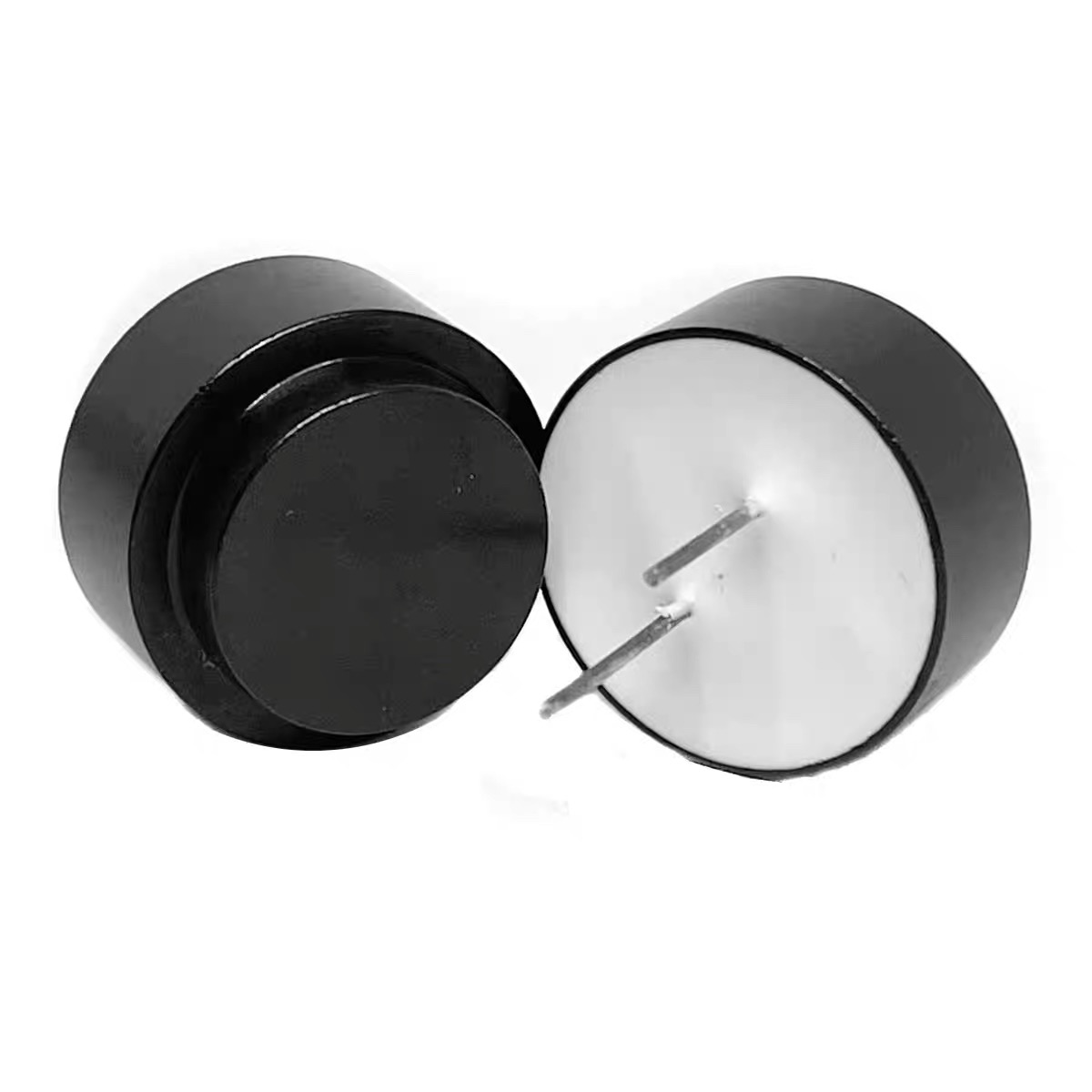
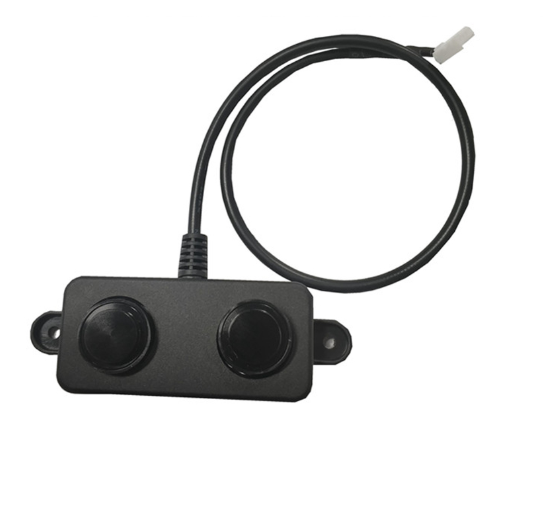
- Turnkey Hardware Integration (PCBA + Heat Sink): As demonstrated across our core product lines—including ultrasonic transducers, industrial sensors, and comb LED radiators—we specialize in assembling electronic subsystems. We handle SMT pick-and-place component mounting, thermal pad/paste dispensing, hardware torquing, and functional testing under one roof, eliminating blame shifts between board houses and metal machine shops.
- Direct English-Language DFM Reviews: Our engineering team reviews your STEP, IGES, DXF, Gerber, and BOM files before metal is cut. We proactively identify extrusion draft angle deficiencies, unmachinable blind pocket radii, and fin-flutter vulnerabilities, shortening development lead times for Oslo engineering teams.
- Certified Compliance with EU & Norwegian Standards: Every raw extrusion billet and anodizing chemical bath is strictly validated for compliance with EU Directive 2011/65/EU (RoHS 2.0), REACH (EC 1907/2006), and conflict-free mineral declarations, simplifying clearance through Norwegian Customs (Tolletaten).
Oslo Procurement & Engineering FAQ
What are the typical sea and air shipping lead times from your Shenzhen facility to Oslo?
How does your factory ensure compliance with Norwegian Tolletaten and EU REACH/RoHS directives?
Can you provide custom surface anodizing suited for the corrosive coastal atmosphere of the Oslofjord?
What are your minimum order quantities (MOQ) for custom extrusion dies versus standard profiles?
How do you manage thermal interface flatness and surface roughness on mounting surfaces?
Can we order turnkey assemblies combining custom sensors, PCBA, and heat sinks?
Accelerate Your Thermal Design with Shenzhen Mivo Electronics
Whether you require a rapid DFM review for an upcoming custom aluminum extrusion profile or seek a reliable high-volume manufacturing partner for turnkey PCBA and thermal assemblies in Oslo, our technical sales engineers are ready to assist.