Optoelectronics
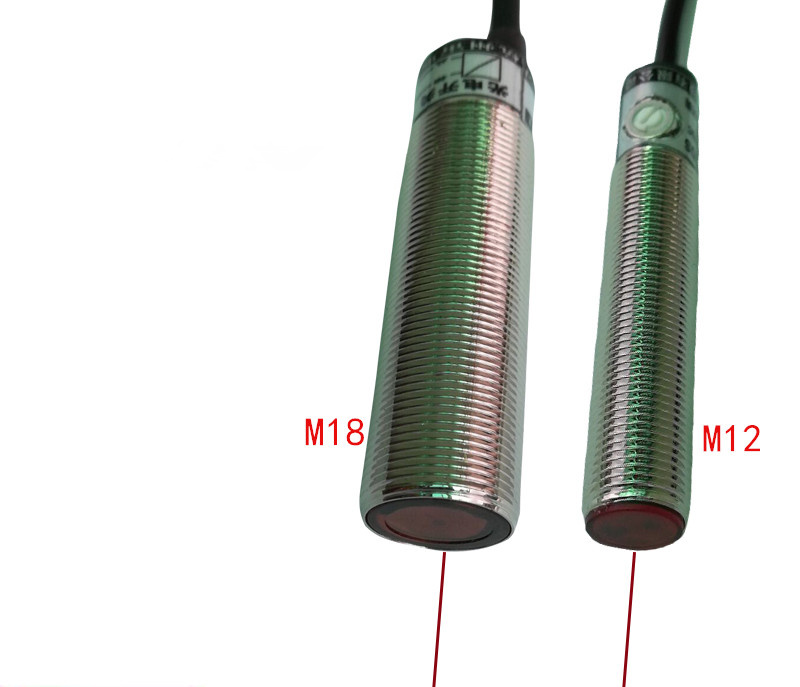
M18 Laser Sensor Visible Light Photoelectric Diffuse Reflection
M12/M18 photoelectric switch with visible light beam for industrial automation, sorting lines, and harsh environment presence detection.
Explore our export-certified component portfolio engineered to withstand equatorial Pacific ambient challenges, high thermal flux, and moisture degradation. Fully compatible with our precision solder paste stencil architectures.
M12/M18 photoelectric switch with visible light beam for industrial automation, sorting lines, and harsh environment presence detection.
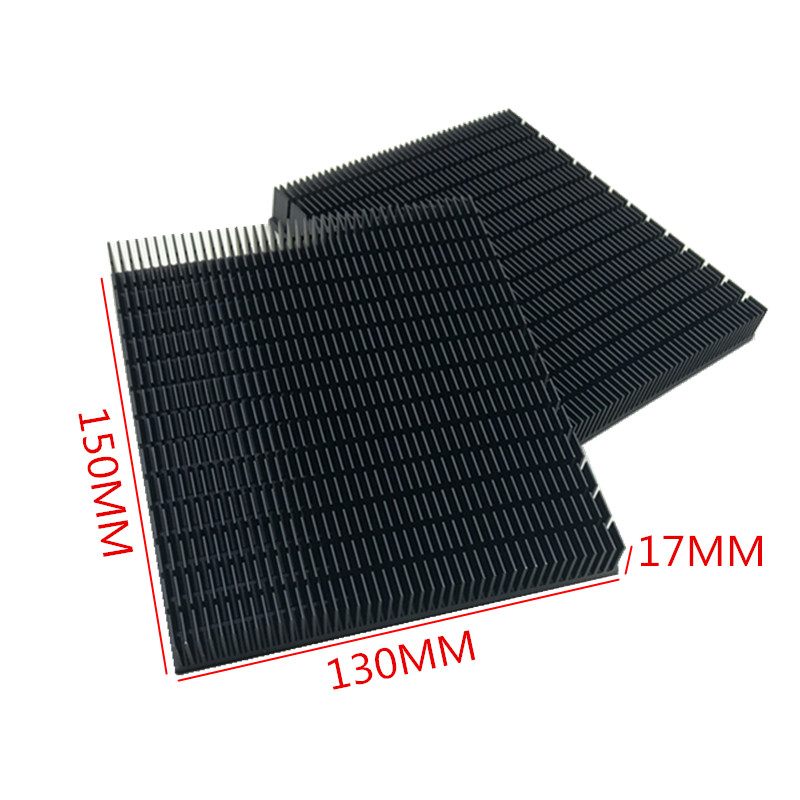
150*130*17MM profile heatsink optimized for LED IC driver arrays, off-grid power inverters, and high-wattage power supplies.
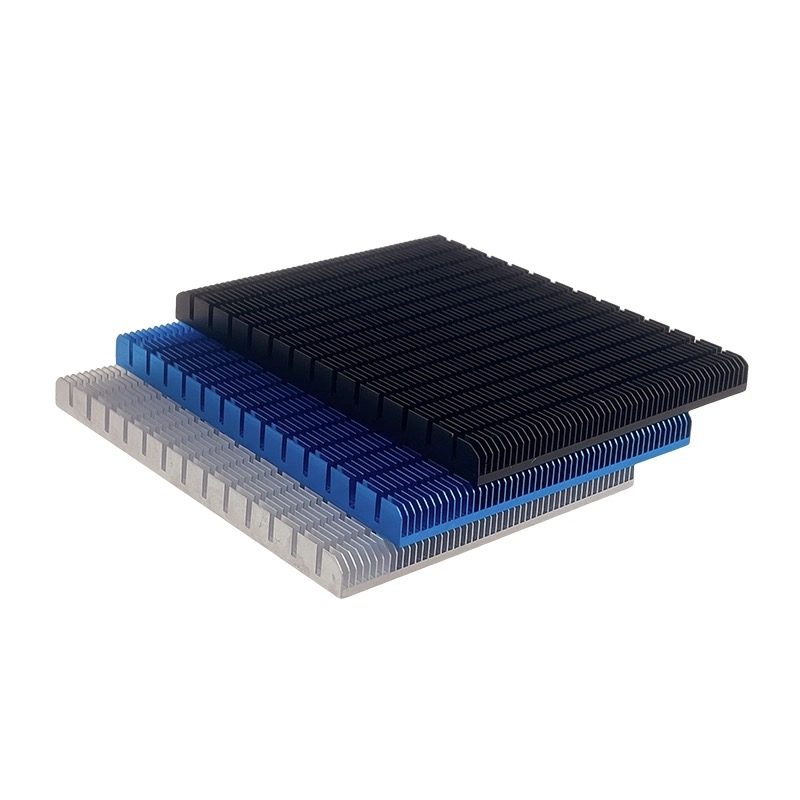
Pre-applied thermally conductive tape for rapid cooling of electronic RAM chips, PCB power stages, embedded CPUs, and solid-state modules.
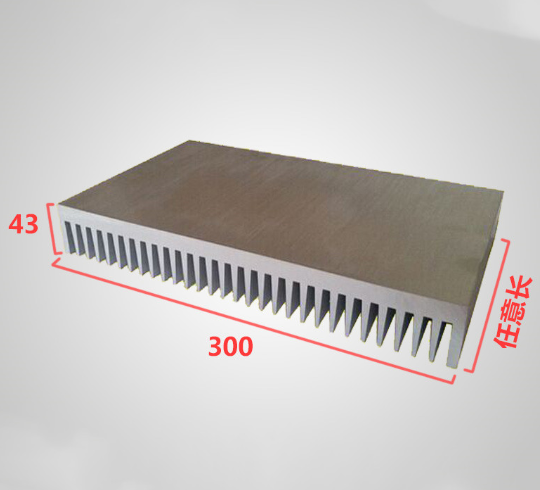
300mm width high-capacity extrusion cooling plate designed for industrial rectifiers, solar microgrids, and telecommunication power stages.
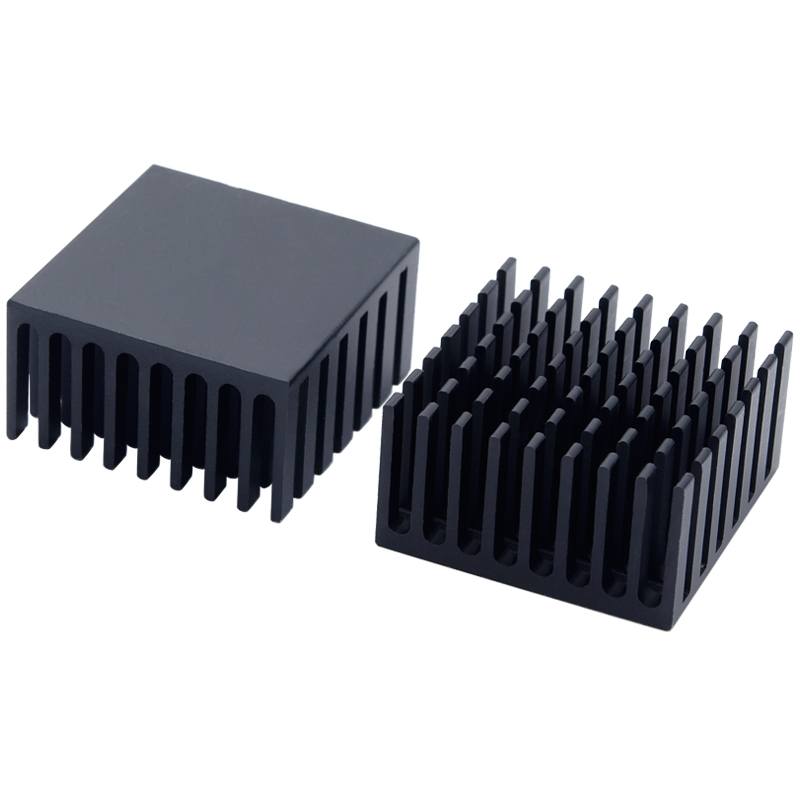
Corrosion-resistant black anodized surface specifically formulated for marine GPS processors, graphic chipsets, and compact BGA microchips.
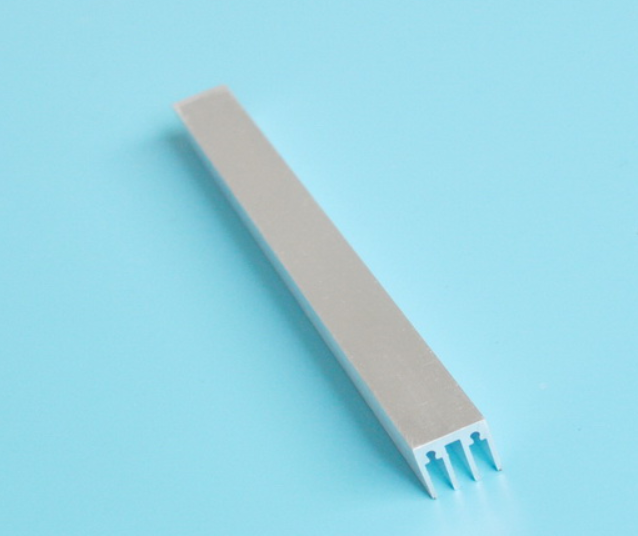
16*16mm multi-length modular comb extrusion for custom horticultural lighting, marine vessel deck floodlights, and linear LED fixtures.
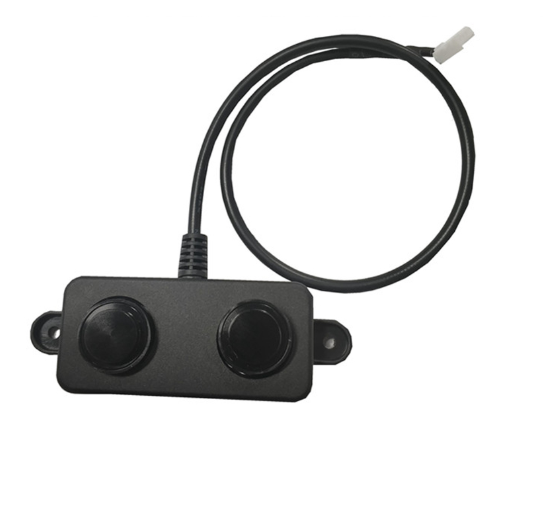
IP67 sealed acoustic transducer module designed for water storage cistern level telemetry, maritime bilge monitoring, and outdoor robotics.
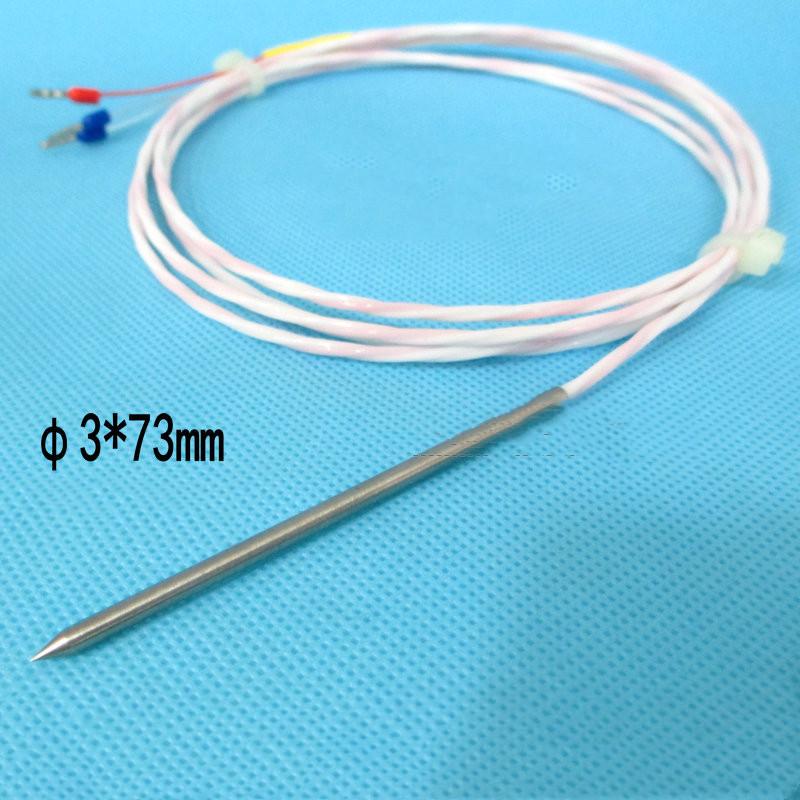
Food-grade and marine cold-chain penetration probe for commercial fishery refrigeration, HVAC verification, and harsh environmental monitoring.
In modern Surface Mount Technology (SMT), the solder paste deposition phase accounts for more than 65% of all assembly defects, including solder bridging, insufficient fillets, tombstoning, and voiding. For electronics operated in isolated Pacific locations such as Neiafu, Vava'u, where high relative humidity (frequently exceeding 85% RH), ambient thermal fluctuation, and aggressive saline airborne particulates dominate, the physical integrity of the solder joint is critical. A minute volumetric defect in paste deposition can cause premature electrolytic corrosion, dendrite growth, or galvanic failure within critical solar microgrid inverters, maritime radar consoles, or cellular transmission base stations.
IPC-7525B Standard Compliance Insight: Our laser-cut stencils guarantee an Area Ratio (Aperture Area / Aperture Wall Area) > 0.66 and Aspect Ratio (Aperture Width / Stencil Thickness) > 1.5, combined with nanocoated sidewall micro-polishing to achieve paste release efficiencies greater than 95% on ultra-fine pitch 0.3mm BGA and 01005 passives.
China's advanced metallurgy sector allows Shenzhen Mivo Electronics to utilize exclusively tension-annealed, high-yield SUS304 and medical/marine-grade SUS316 hard-rolled stainless steel foils. SUS304H foils provide tensile strengths exceeding 1,200 MPa, ensuring that repeated squeegee pressure cycles during high-mix production do not induce plastic elongation or foil sagging. For Neiafu's coastal environments where moisture-laden salt spray accelerates oxidation, we also manufacture specialized SUS316 foils featuring 2-3% molybdenum content. This metallurgical barrier inhibits pitting corrosion across fine aperture walls during long-term bench storage in non-climate-controlled local workshops.
Conventional chemical etching suffers from undercut and hourglass-shaped sidewall profiles, rendering it obsolete for pitch dimensions below 0.65mm. Our manufacturing facility in Shenzhen deploys high-precision multi-axis fiber laser systems utilizing a focused spot diameter under 18 micrometers. Apertures are cut with a controlled trapezoidal cross-section—typically a 1° to 2° outward taper toward the Printed Circuit Board (PCB) contact side. This geometry creates a low-drag exit vector during stencil separation, overcoming the shear adhesion force of solder paste (flux vehicle and Type 4/Type 5 solder spheres) to produce crisp, rectangular paste bricks with uniform height profiles.
Laser ablation naturally leaves microscopic recast slag, striations, and heat-affected zones along the aperture perimeter. Through proprietary pulse electro-polishing baths, we dissolve these micro-burrs, reducing sidewall surface roughness from Ra ≈ 1.2 μm down to an ultra-smooth Ra < 0.2 μm. To further enhance paste roll and release, our optional proprietary Nano-Slick fluoropolymer chemical vapor deposition (CVD) produces an oleophobic and hydrophobic monomolecular layer across the board-side surface and aperture walls. This surface treatment increases the contact angle to >110°, drastically reducing the frequency of under-stencil wipe cycles from once every 3 boards to once every 25–40 boards—a crucial operational advantage when isopropyl alcohol and automated wipe rolls are costly or slow to procure in Neiafu.
Logistical constraints for consignments to Neiafu (via Tongatapu by air or sea freight) necessitate intelligent structural choices. Shenzhen Mivo Electronics offers two distinct configurations:
Every Gerber (RS-274X, ODB++) file undergoes intelligent aperture area calculations, automatic pad reduction (10–15% on thermal pads to avoid solder beads), and home-plate modifications for passives before laser emission.
Dual-thickness chemical-milled step stencils designed for boards mixing high-current connectors (requiring 180μm foil) with micro-BGA or ultra-fine pitch QFN components (requiring 100μm foil) on a single substrate.
Moisture-barrier vacuum-sealed packaging with silica gel desiccants, non-static cardboard reinforcements, and corner cushions to withstand rough maritime multi-hop handling between Shenzhen, Nuku'alofa, and Neiafu.
Neiafu serves as the administrative center and primary port of the Vava'u island group in the Kingdom of Tonga. Electronic reliability in this remote island ecosystem requires manufacturing standards that resist severe environmental challenges.
Neiafu's Port of Refuge hosts global sailing yachts, commercial cargo vessels, and inter-island passenger ferries. Our stencils deliver zero-defect solder volumes for VHF marine transceivers, depth sounders, and GPS AIS navigational motherboards subject to constant mechanical vibration and saltwater intrusion.
Tonga's energy transition places heavy reliance on solar-plus-storage mini-grids on Vava'u outer islands. Our heavy-copper PCB stencils allow precise solder paste deposition for high-amperage MOSFET power bridges, pure sine-wave inverters, and battery management boards that must dissipate massive heat without thermal fatigue.
With subsea cable repairs occasionally isolating remote archipelagos, Starlink VSAT terminals and microwave repeater masts operated by local telecom providers in Neiafu require on-site PCB rework and stencil-based replacement of RF amplifier modules with zero aperture misalignment tolerance.
Vava'u's tuna and artisanal fishery operations depend on blast freezers and cold storage monitoring. Our stencils facilitate high-yield assembly of microcontroller units integrated with our PT100/PT1000 platinum RTD sensors to log temperatures without drift caused by cold-side solder cracks.
Because municipal freshwater can be scarce across the limestone islands of Vava'u, reverse osmosis desalination skids and smart rainwater cistern telemetry utilize our waterproof ultrasonic sensor modules and custom PCBA control units manufactured with high-precision SMT stencils.
Luxury whale-watching lodges and island resorts across Vava'u employ customized lighting control consoles, solar hot-water microcontrollers, and remote battery monitors built on rugged FR-4 and aluminum core boards assembled via Mivo Electronics turnkey stencils.
Analyzing the evolution of hardware engineering, replacement part supply chains, and localized refurbishment across Polynesia and small island developing states (SIDS).
In previous decades, institutional hardware operators in Tonga—ranging from the Ministry of Infrastructure to municipal utilities and maritime operators—depended strictly on importing fully assembled electronic sub-systems from Australia, New Zealand, or North America. When high humidity and salt ingress degraded a power supply or controller, replacing entire modules involved exorbitant freight costs, lengthy customs processing, and weeks of system downtime.
Today, the technological paradigm in Neiafu has shifted toward localized electronic maintenance, rapid prototyping, and on-island component-level rework. Forward-thinking technicians and system contractors are establishing in-house rework labs equipped with manual stencil printers, hot-air reflow stations, and precision test equipment. This transformation has generated direct demand for low-MOQ, high-precision laser stencils sourced directly from Shenzhen's specialized manufacturing ecosystem.
| Engineering Challenge in Neiafu | Standard Commercial Stencil | Mivo Electronics Optimized Stencil Solution |
|---|---|---|
| High Saline Air & Sidewall Rusting | Standard raw 301/304 steel foils prone to micro-pitting in humid storage. | High-purity SUS304H or SUS316 foils with pulse electro-polishing & optional passivation. |
| Flux Spreading & Solder Beading | 1:1 aperture size causing excessive paste spread under high ambient humidity. | Automated Gerber pad reduction (85–90% ratio) with rounded corners and home-plate geometry. |
| High Freight Costs for Large Frames | Heavy 3–5 kg cast aluminum frames causing steep express air cargo bills. | Frameless high-yield foils with custom tension borders (weight <350g) shipped in flat mailers. |
| Manual Hand-Printing Misalignment | Fiducials etched poorly or lack contrast for optical/manual alignment. | Through-etched or black-epoxy backfilled fiducial marks providing clear visual alignment under bench scopes. |
| Fine-Pitch BGA/QFN Solder Bridging | Straight laser cut with micro-burrs holding solder paste inside holes. | Trapezoidal 1.5° aperture taper with Nano-Slick CVD coating for 98% paste transfer efficiency. |
By connecting directly with Shenzhen Mivo Electronics, technical buyers in Neiafu eliminate secondary distributor markups while securing manufacturing specifications verified to IPC standards, guaranteeing that critical hardware deployed across the Vava'u group functions reliably for years.
Headquartered in the global electronics manufacturing epicenter of Shenzhen, Guangdong, Shenzhen Mivo Electronics Co., Ltd. combines precision laser stencil cutting with comprehensive PCB fabrication and turnkey PCBA capabilities.
Unlike standard brokers who subcontract manufacturing across disjointed vendors, Shenzhen Mivo Electronics operates an integrated fabrication and assembly ecosystem. When an engineering team in Neiafu sends a design package, our engineers simultaneously cross-verify the bare board Gerber, the solder paste stencil aperture requirements, and the Bill of Materials (BOM).
This holistic engineering approach prevents the common industry mismatch where bare board pad tolerances do not match stencil aperture aspect ratios, or where sourcing substitutions lead to footprint mismatches. If an active component is obsolete or possesses an extended lead time, our Shenzhen supply chain specialists identify pin-compatible, industrial-temperature-rated replacements and submit complete parametric datasheets for your written confirmation before assembly commences.
From single-piece laser stencils for lab testing to multi-thousand piece turnkey runs with functional testing, conformal coating, and custom sensor probe assemblies, we treat every Pacific consignment with institutional rigor.
Clear, direct answers regarding ordering, technical specifications, air-shipping logistics to Vava'u, and tropical durability.
.GTP for top paste or .GBP for bottom paste) extracted from your CAD system (Altium Designer, KiCad, Eagle, Allegro, etc.) in standard RS-274X or ODB++ format. Including the board outline (.GKO or .GM1) and silk-screen layers is also highly recommended so our engineers can precisely locate fiducial marks, mounting holes, and board orientation text.
Send your Gerber files, BOM, or sensor specifications today. Our Shenzhen engineering team will execute a complete Design for Manufacturability (DFM) review and deliver a competitive, factory-direct quotation within 2 to 4 hours.