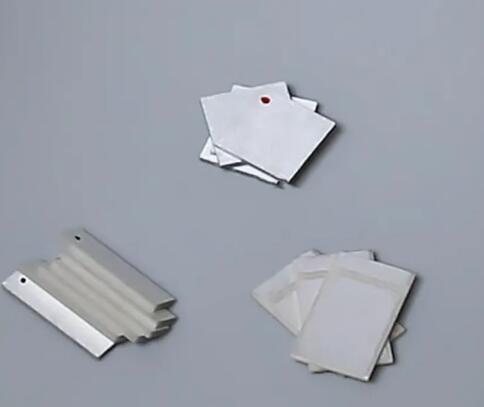
Acoustic / Piezo
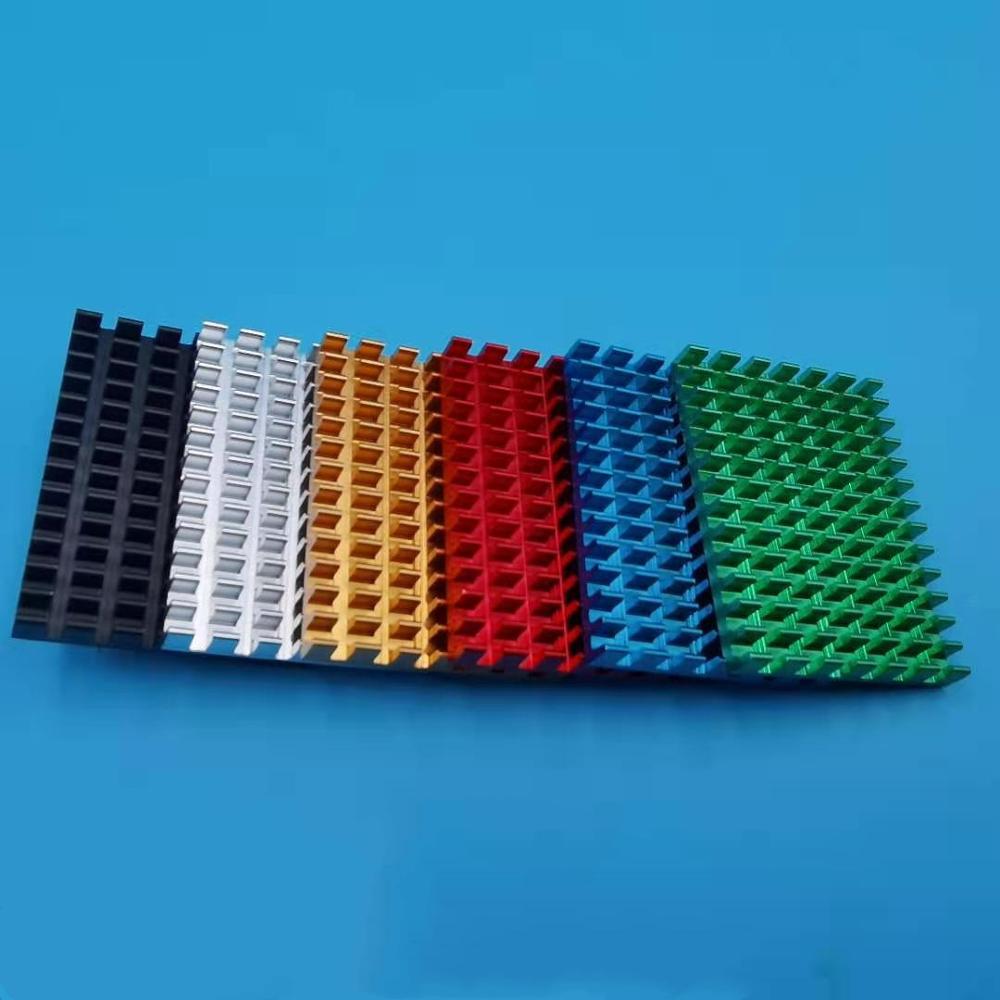
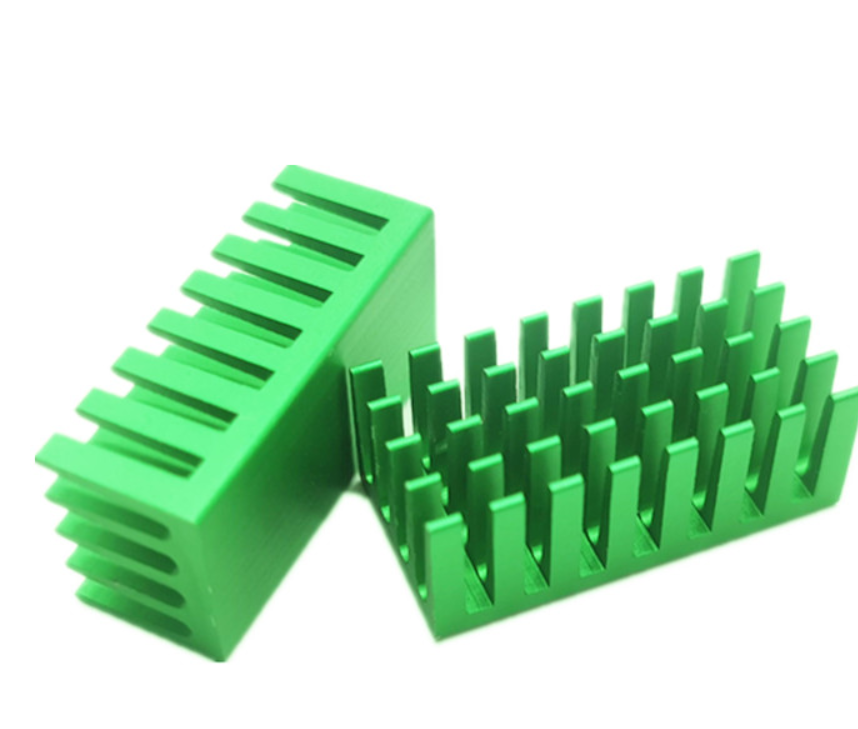
From aluminum heat radiators and specialized coaxial telemetry interfaces to multi-modal piezoelectric wafers and ruggedized transducers, each product integrates directly with heavy-duty metal-core circuit architectures.
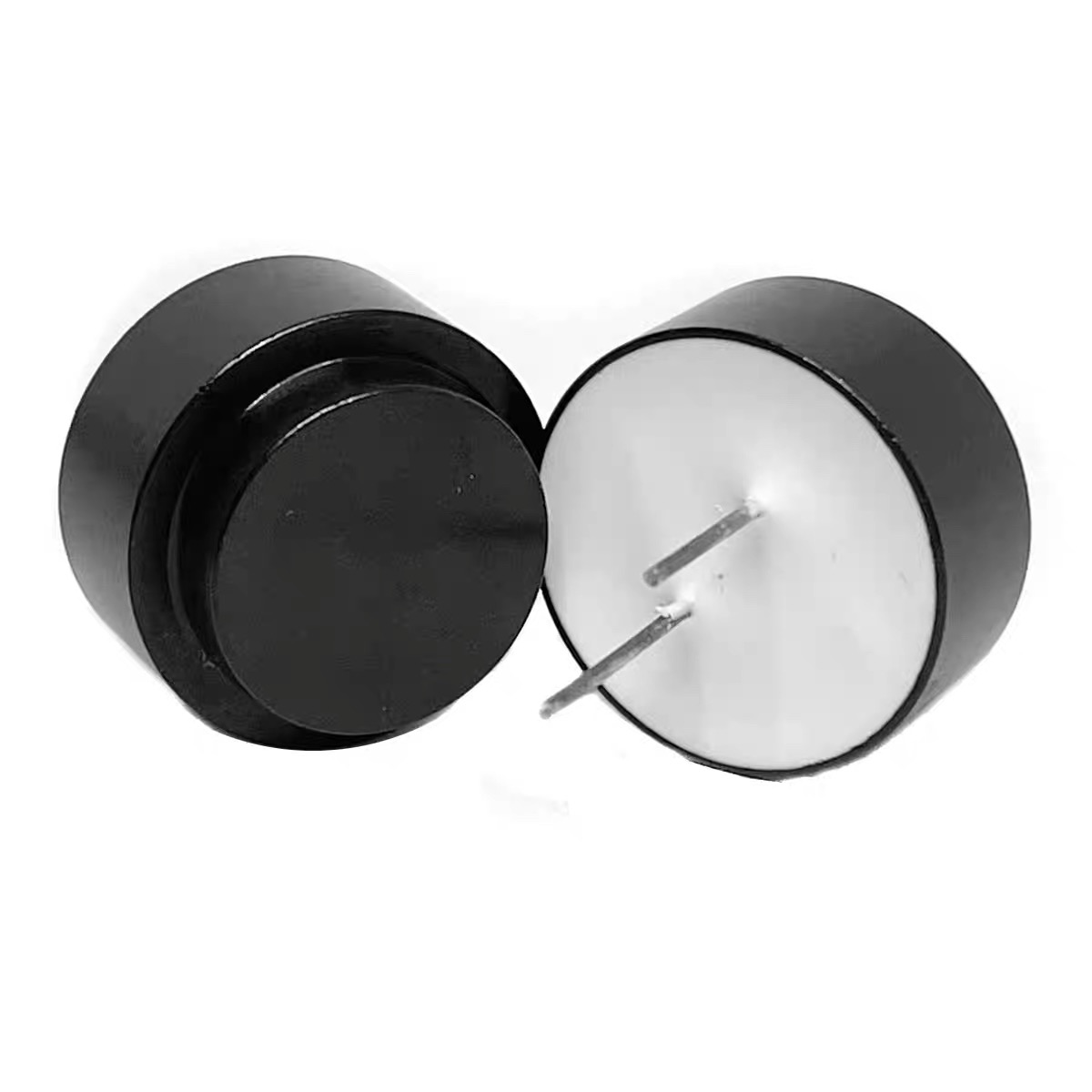
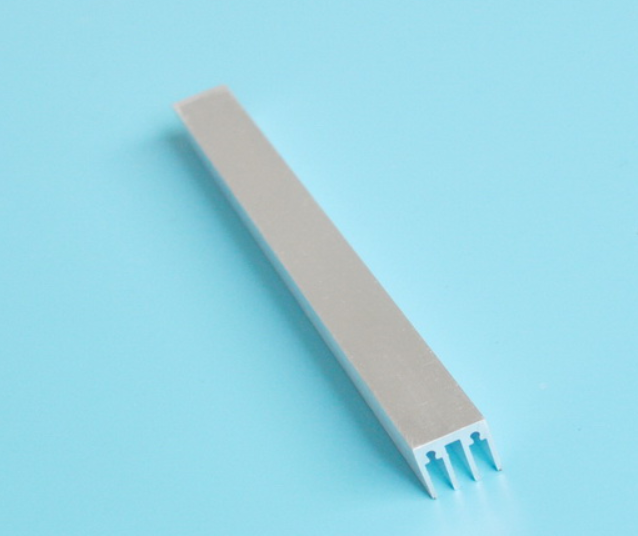
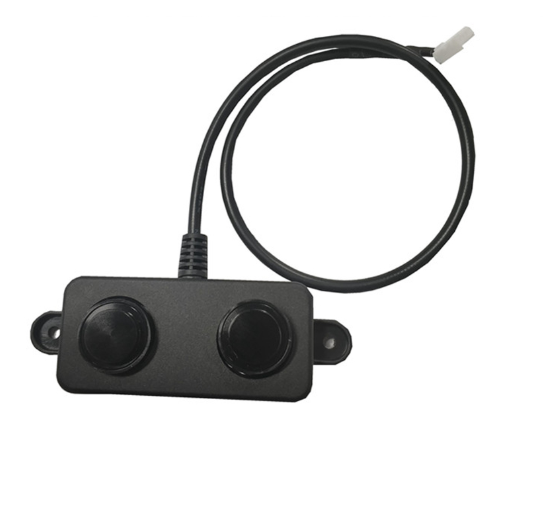
Deploying electronic hardware in subtropical and tropical macro-environments like Masaya demands a quantitative approach to junction-to-baseplate heat transfer. Standard FR-4 laminates fail under prolonged thermal load due to low intrinsic conductivity (0.25 W/m·K).
The dielectric layer is the critical bottleneck in Insulated Metal Substrates (IMS). Shenzhen Mivo Electronics applies specialized ceramic-filled polymer blends offering thermal conductivities spanning 1.0 W/m·K to 8.0 W/m·K, maintaining exceptional dielectric breakdown voltages up to 6 kV AC.
Baseplate aluminum selection determines structural rigidity, machining tolerances, and coefficient of thermal expansion (CTE) compatibility. We supply aircraft-grade 5052 aluminum for enhanced bendability and anti-corrosion, alongside hardened 6061-T6 alloys for high-rigidity chassis mounting.
To resist oxidative degradation in coastal and volcanic atmospheric sulfur conditions, Mivo provides advanced surface metallic finishes. Our controlled HASL Lead-Free, Electroless Nickel Immersion Gold (ENIG), and Organic Solderability Preservatives (OSP) exceed IPC-6012 Class 2 and Class 3 reliability.
| Engineering Parameter | Standard Commercial Tier | Industrial Grade (High Flux) | Severe Climate / Military Tier |
|---|---|---|---|
| Thermal Conductivity (λ) | 1.0 – 1.5 W/m·K | 2.0 – 4.2 W/m·K | 5.0 – 8.0 W/m·K |
| Dielectric Layer Thickness | 75 µm – 100 µm | 75 µm – 125 µm (Alumina filled) | 50 µm – 75 µm (Nano-ceramic) |
| Thermal Impedance (θ) | 0.85 °C/W·in² | 0.45 °C/W·in² | 0.18 °C/W·in² |
| Breakdown Voltage (AC RMS) | > 3,000 V AC | > 4,500 V AC | > 6,000 V AC |
| Peel Strength (1 oz Cu) | 1.4 N/mm | 1.8 N/mm | 2.2 N/mm |
| Solder Float Resistance | 260°C for 20s (3 cycles) | 288°C for 30s (6 cycles) | 300°C for 60s (Continuous) |
| Operating Temperature (Tg / Mot) | Tg 130°C / MOT 105°C | Tg 150°C / MOT 130°C | Tg 180°C / MOT 155°C |
Masaya stands as a crucial economic and logistical engine in western Nicaragua, linking Managua to Granada. With substantial local growth in agro-processing, textile manufacturing, municipal upgrades, and artisanal metal craft, electronic hardware must withstand intense regional challenges.
Masaya's tropical climate features relentless high ambient temperatures coupled with high relative humidity. Mivo's aluminum PCBs dissipate heat across broad aluminum baseplates, preventing lumen depreciation and LED driver color-shift in solar street luminaires installed across municipal corridors and secondary bypasses.
Food processing facilities (coffee handling, grain storage, tobacco, and sugar extraction) throughout Masaya Department rely on variable frequency drives (VFDs) and power switching inverters. Our heavy copper (3–6 oz) aluminum core circuit boards protect high-current motor drivers from thermal burnout during peak grid fluctuations.
Within Las Mercedes industrial perimeters and local textile maquilas around Masaya, automated loom controllers, ultrasonic fabric-bonding sensors, and DC planetary motor encoders demand zero downtime. Mivo supplies turnkey aluminum PCBA with localized conformal coatings to repel fibrous textile lint and airborne sulfur particles.
With Nicaragua leading Central America in geothermal and renewable energy distribution, distributed solar installations in rural Masaya require ruggedized charge controllers. Mivo's aluminum boards isolate high-voltage switching transients while serving as structural heat dissipation elements, eliminating bulky extruded sinks.
Proximity to the active Masaya Volcano introduces atmospheric sulfur dioxide (SO₂) and hydrogen sulfide (H₂S) trace gases. Standard copper finishes degrade rapidly. Mivo provides specialized sulfur-resistant soldermask coatings, ENIG gold layering, and nickel barrier technology to avert pad corrosion and micro-bridging.
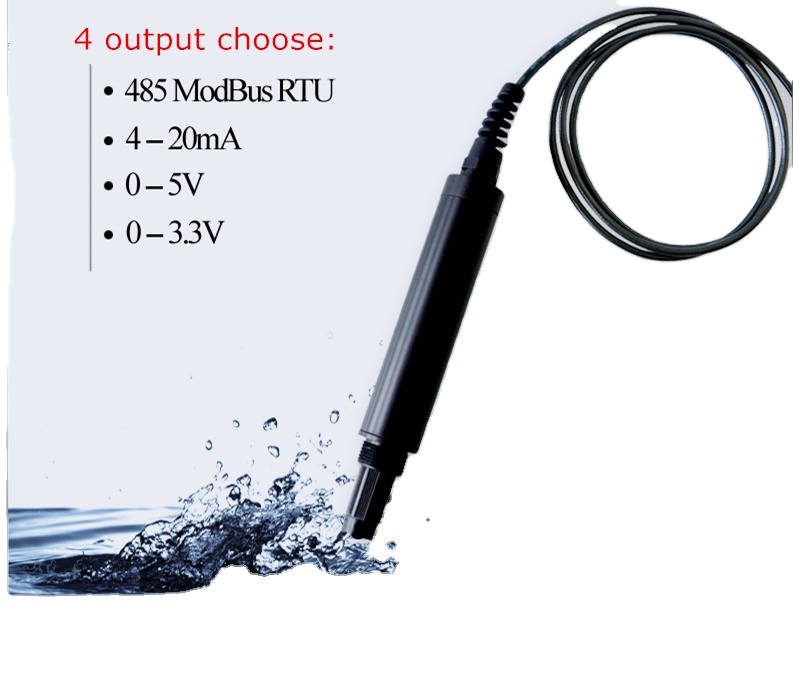
Industrial effluent tracking around Lake Masaya and surrounding agricultural basins requires electrochemical sensors (such as our DOS-600 digital dissolved oxygen probe) and ultrasonic tank monitors backed by durable metal core PCB driver stages that never warp under sun-drenched outdoor enclosures.
Procuring custom bare boards without assembly often leaves Masaya importers handling complicated logistics, parts obsolescence, and solder paste voids. Shenzhen Mivo Electronics Co., Ltd. serves as your dedicated single-source manufacturing partner.
Located at the center of the global electronics supply chain in Shenzhen, China, our 51–100 person technical operation integrates bare aluminum PCB routing, laser-cut SMT stencils, electronic component purchasing, automated pick-and-place, reflow soldering, and end-of-line functional testing under one roof.
Direct factory channels for TI, ST, Microchip, Cree, Lumileds, plus vetted domestic alternative recommendations upon approval.
Pre-production Gerber checks analyze pad clearance, solder mask dam width, thermal relief design, and V-score clearances.
Mivo Electronics' physical premises and manufacturing capabilities are onsite-inspected and legally validated. We offer transparent order tracking, escrow protections, and rigorous quality control checklists.
Procuring electronic hardware across the Pacific requires full transparency regarding customs clearance, packaging integrity, and transit timeframes into Nicaragua.
Aluminum PCBs fall squarely under HS Code 8534.00 (Printed Circuits), distinguished from assembled boards under HS Code 8542.31 / 8543.70. We supply authenticated Certificates of Origin (CO), commercial invoices, and packing lists to optimize your duty assessment at the Dirección General de Servicios Aduaneros (DGA) in Nicaragua.
For urgent prototype batches (5–500 pcs), express air courier directly lands at Augusto C. Sandino International Airport (MGA) in Managua within 4 to 7 business days, followed by rapid 45-minute ground transport to your facility in Masaya. For high-volume palletized containers, ocean cargo reaches Puerto Corinto within 24–32 days.
Due to high humidity shifts during maritime or air transit through tropical latitudes, bare aluminum boards and finished assemblies are packed using ESD-shielding vacuum moisture-barrier bags (MBBs) with active silica desiccant pouches and cobalt-free humidity indicator cards (HIC) to prevent aluminum edge oxidation.
Addressing the technical, minimum order, financial, and logistical questions most frequently raised by Central American electronics engineers and corporate purchasing departments.